$1,299.99 is not a number you ignore. You either justify it every day or regret it quietly.
The Samsung Galaxy S26 Ultra feels like it should make that decision easy. It looks complete, polished, and powerful in a way very few phones do. At first, that is exactly how it comes across.
But that clarity does not last. After the first few days, the experience settles into something quieter and less obvious.
One month in, the question is not whether it is good. It is. The real question is whether it gives you anything beyond that. Something that makes you feel like you made the right choice every single day.
I have my answer. It is not the one I expected.
TL;DR: The Galaxy S26 Ultra is the best Android phone you can buy right now, and after a month, I barely think about it, not because it disappointed me but because it just works, every day, without asking for attention. At $1,299.99, that quiet reliability is either exactly what you want or quietly unsatisfying. Knowing which one describes you is the actual buying decision.
Design: The phone you constantly accommodate
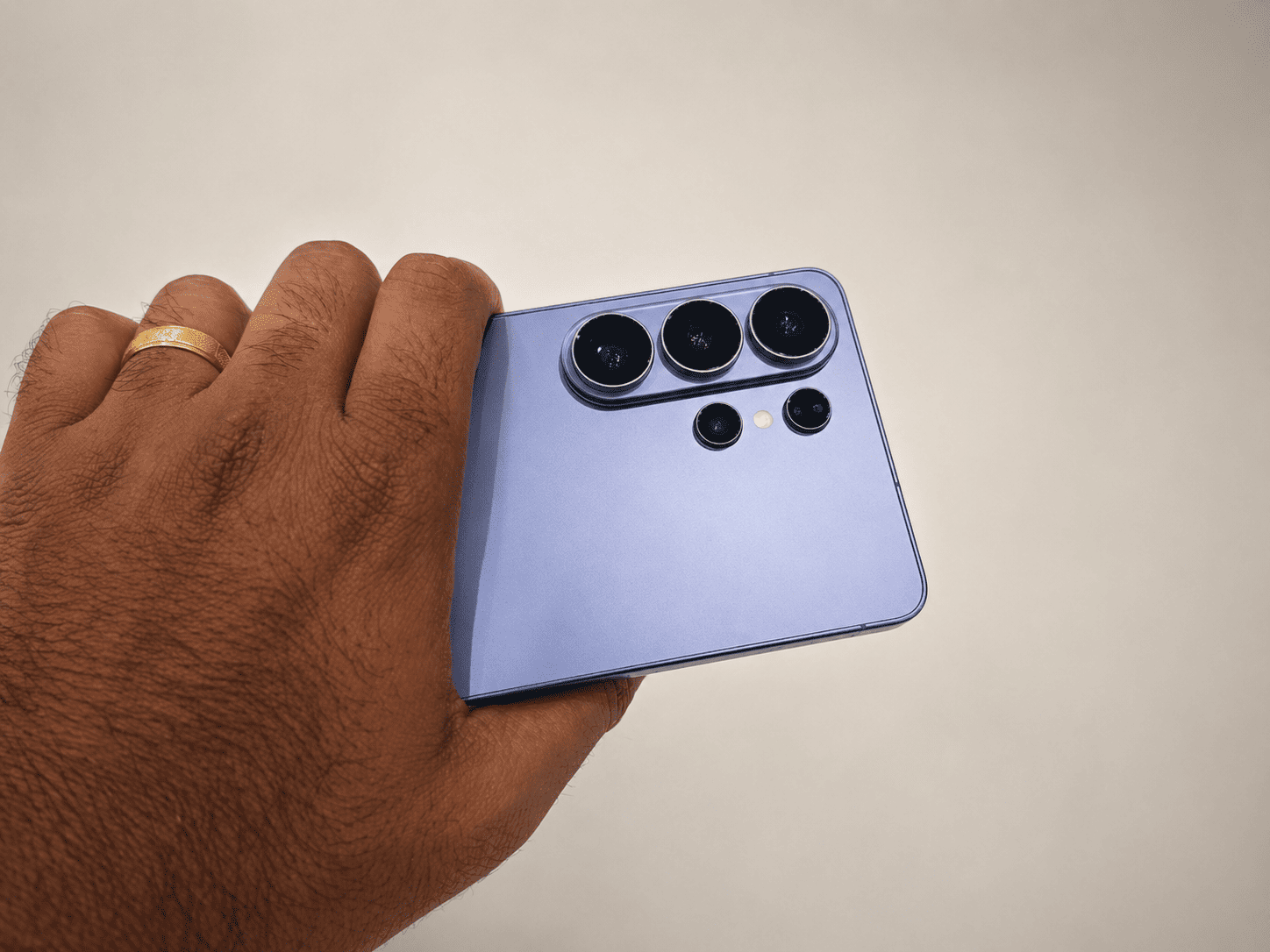
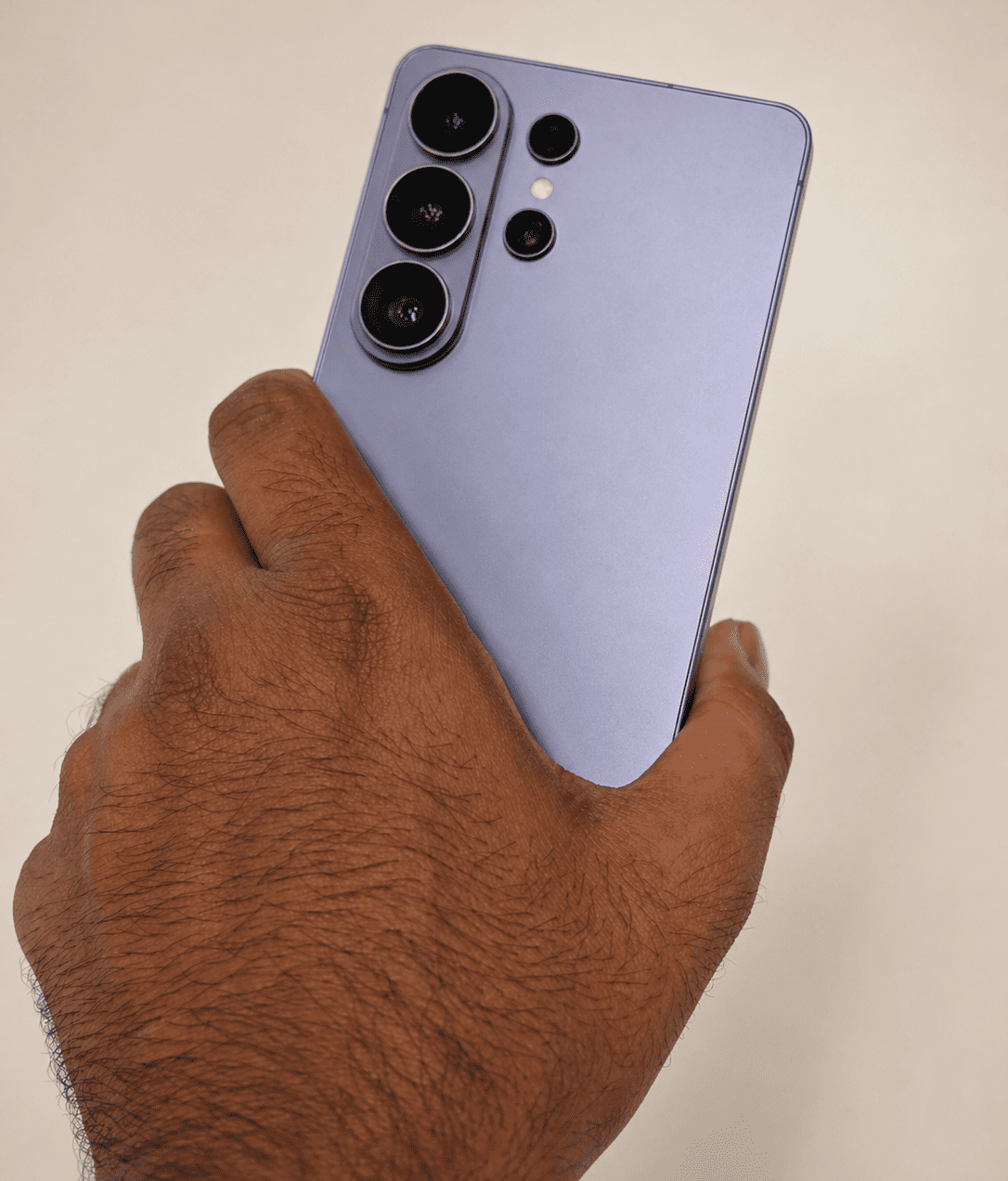
It is lighter than the S25 Ultra, and you notice that for about three days. After that, it just becomes a large phone again.
6.9 inches sounds fine in reviews. In practice, your thumb never quite reaches the top corner without shifting your grip. You develop a habit. You stop noticing the habit. Then someone hands you a smaller phone and you realize how much accommodation had become normal.
Lying in bed holding it above your face works fine for five minutes. After twenty, your wrist quietly registers a complaint. Not a flaw. Just physics.
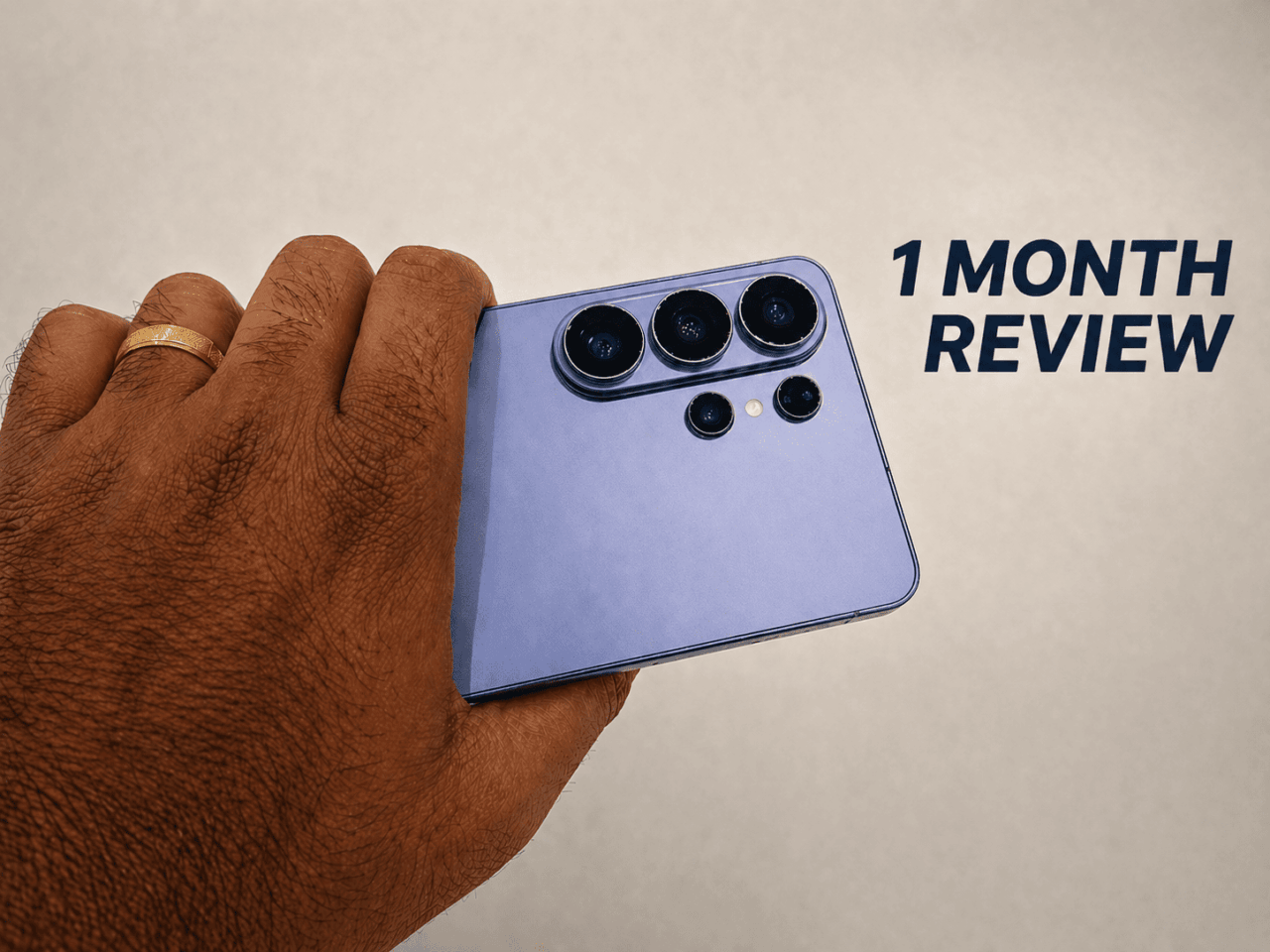
Samsung moved from a titanium frame on the S25 Ultra to Armor Aluminum here, and the trade-off showed up within the first week. A hairline scuff appeared on the lower frame without a case, without a drop. Titanium did not do that. Cosmetic, yes. Still bothered me more than I expected.
The camera module rocks when the phone sits flat on a desk, every single time you tap the screen.
Samsung Galaxy S26 Ultra display: Excellent, then invisible
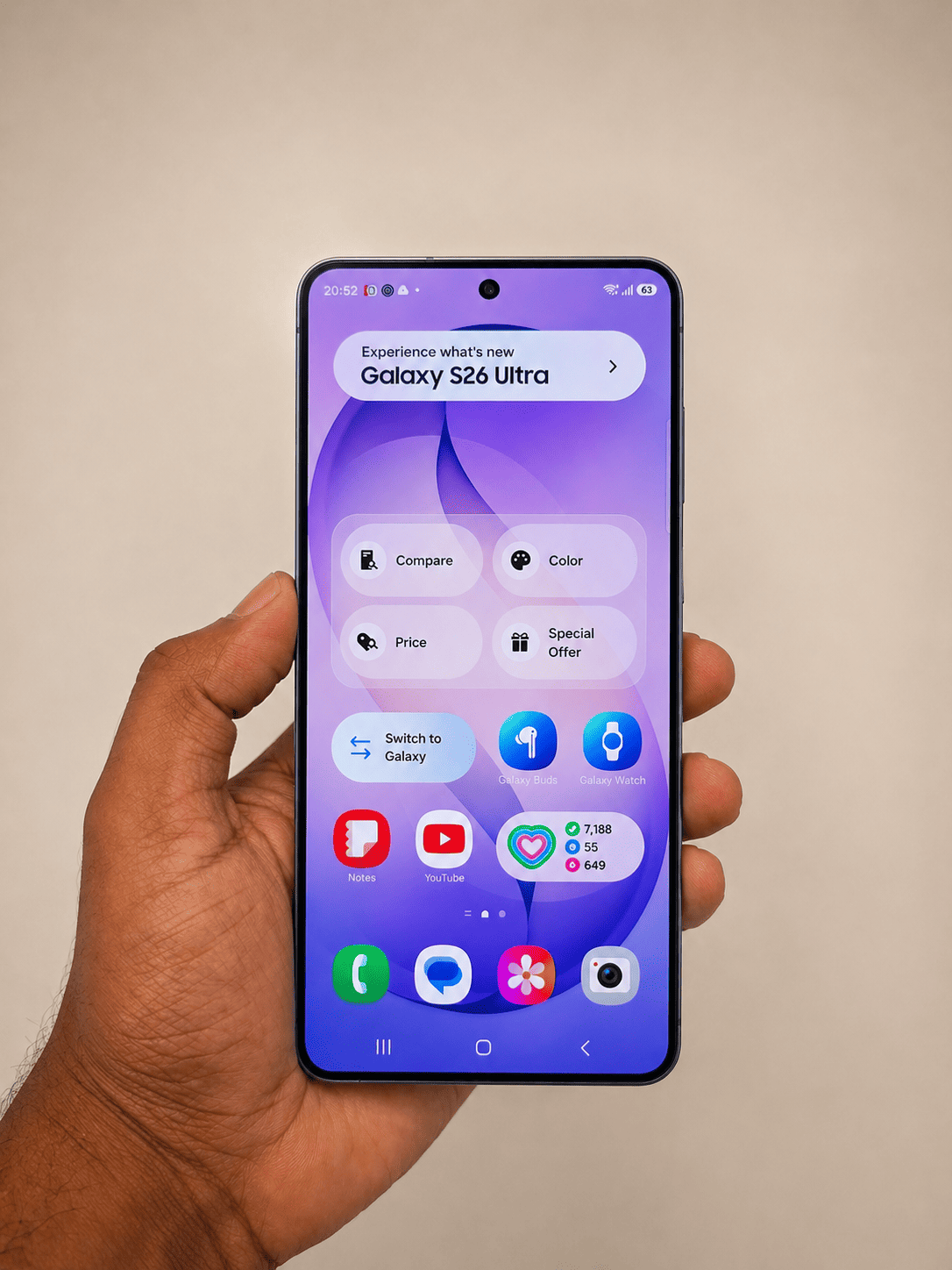
First week: you stop mid-scroll to look at how sharp everything is. Second week: you stop noticing it entirely.
Outdoors in direct sunlight is the one place it still earns attention after a month. Everything stays readable without squinting, even on the brightest afternoons. That part holds up.
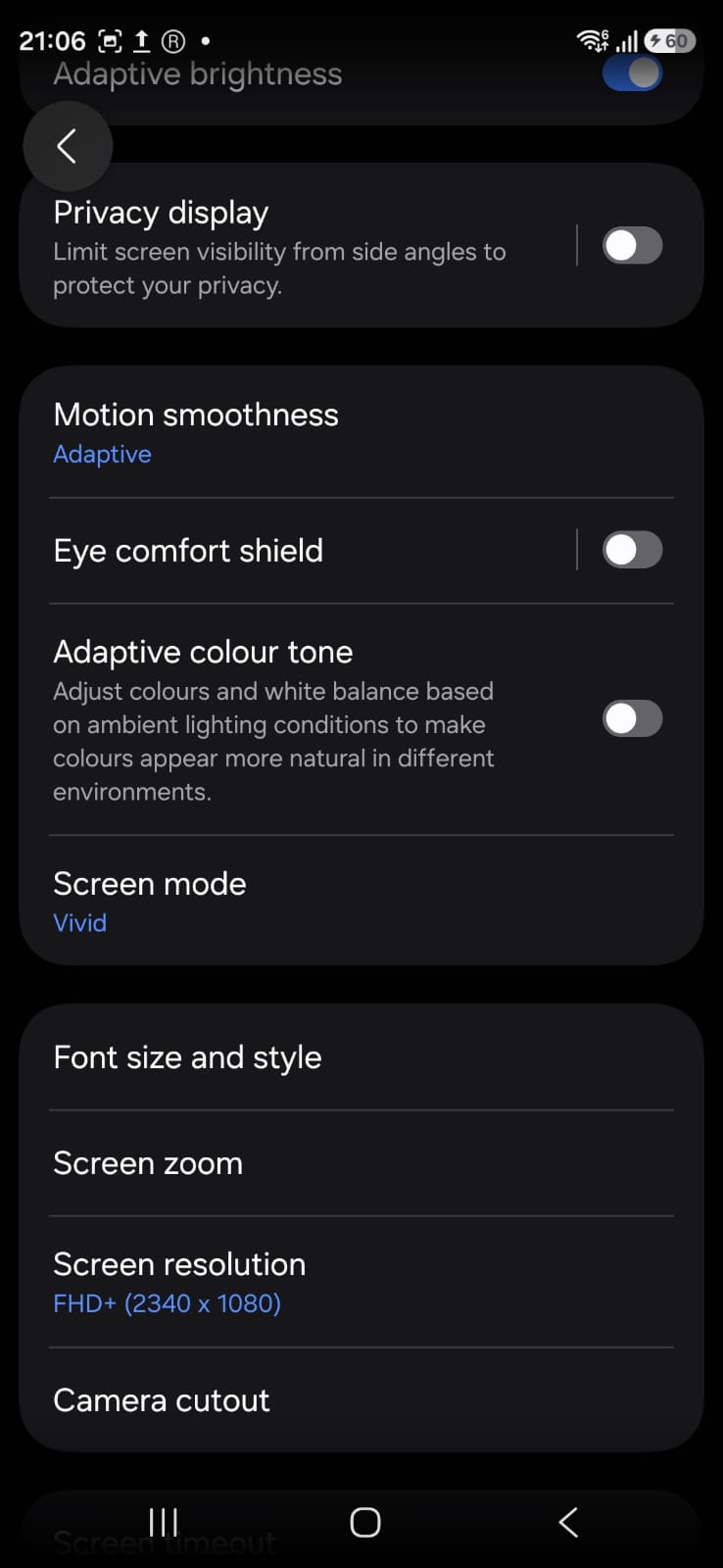
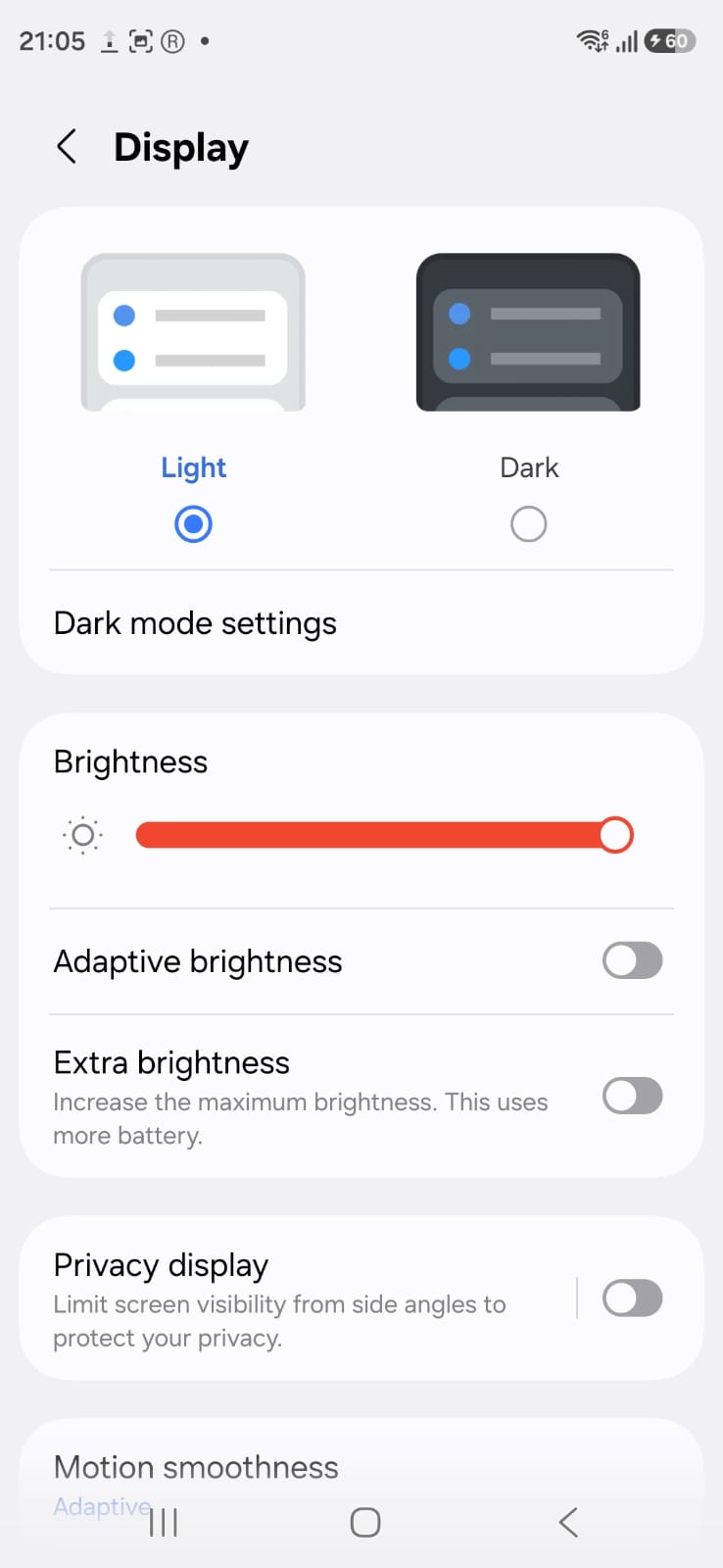
The 120Hz refresh rate only crossed my mind once, when I picked up a friend’s older phone and the scrolling looked subtly wrong. That is what good adaptive refresh actually does: it makes everything else feel slightly broken by comparison.
Privacy Display is a real hardware innovation and I used it less than I thought I would. It dims the screen slightly and adds a faint texture at off-angles that becomes distracting during long reading sessions. Useful on the subway. Annoying at the dinner table. I turned it off more than I left it on.
Performance: Fast enough to disappear
The Snapdragon 8 Elite Gen 5 is fast enough that performance stopped being a variable I tracked after day two. No lag. No crashes. No moment where I thought about the chip at all.
That is either a genuine compliment or a quiet indictment of where flagship performance has landed. The ceiling is so high that nothing you do in real life gets close to it. Probably both things are true at once.
The phone gets warm during extended camera sessions, noticeably so across the upper back. It does not throttle. But on humid days it is mildly unpleasant to hold for long stretches, and nobody mentions that in launch-week reviews.
Samsung Galaxy S26 Ultra camera: Trusted, not exciting
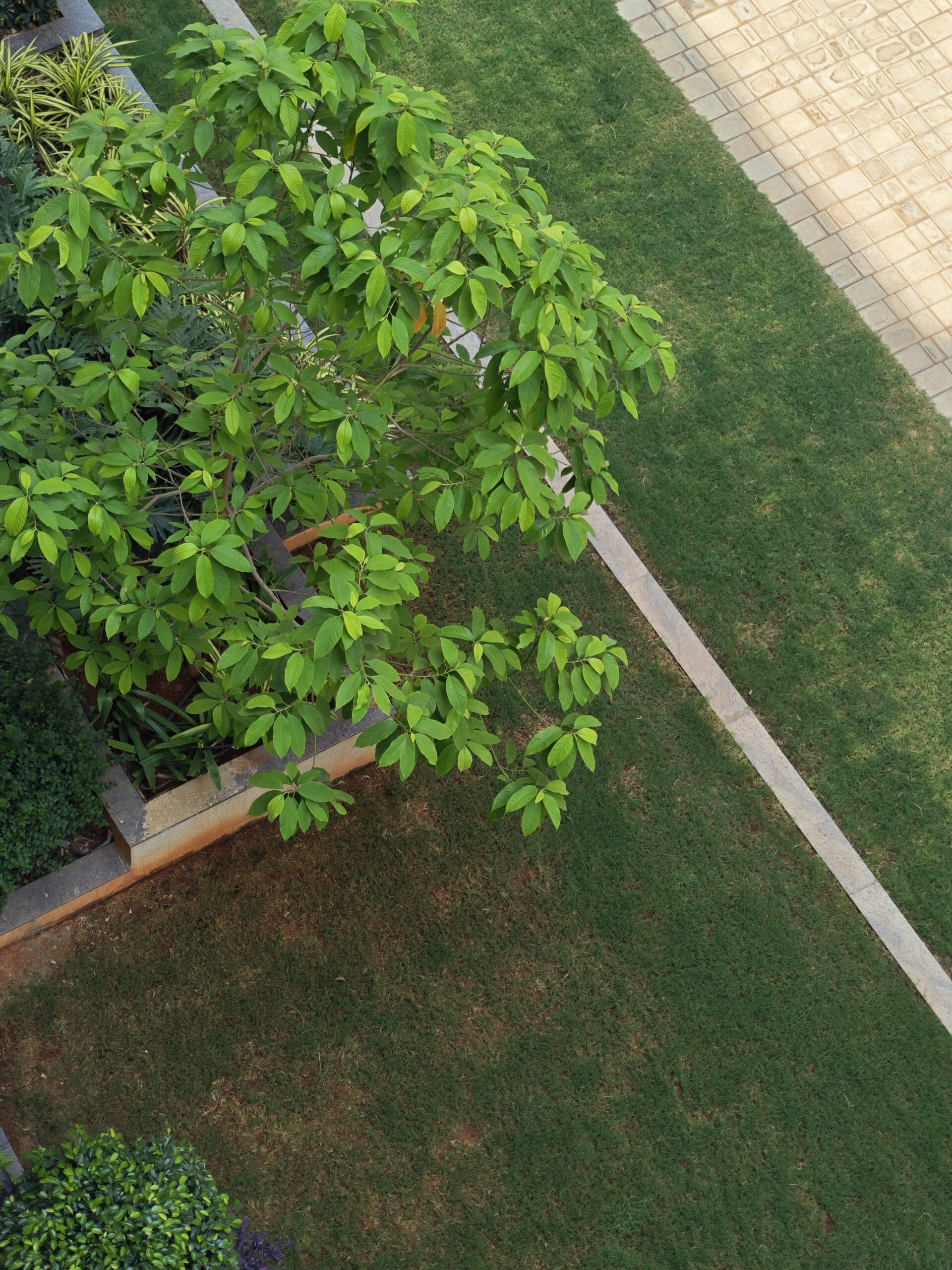

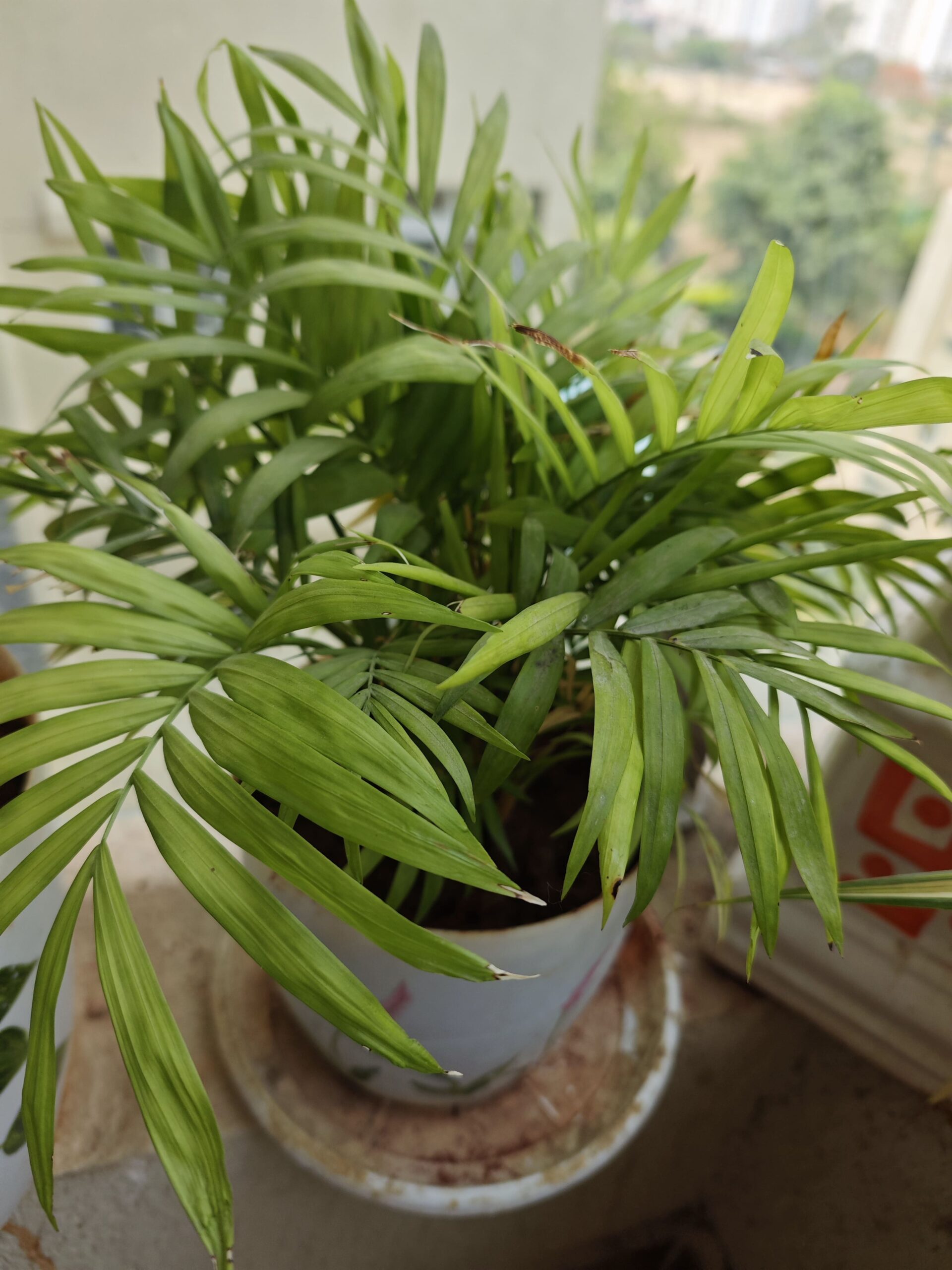
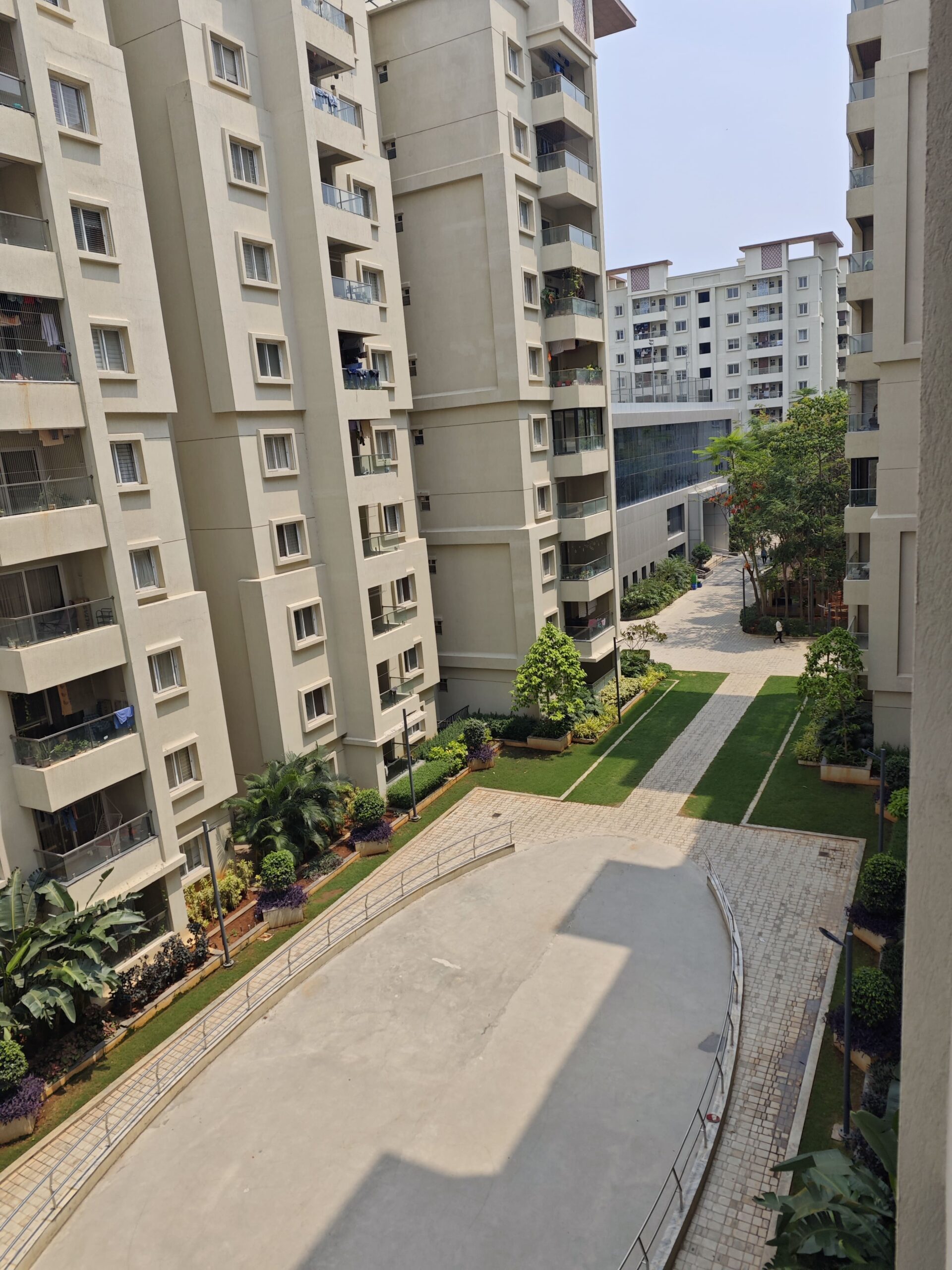
Daylight shots are clean and consistently predictable. Predictable being the key word. Building edges and fine text come through sharp, close-ups hold detail on leaves and fabric textures without falling apart when cropped, and colors land on the right side of natural without tipping into oversaturated. After a month, I stopped feeling anything when I pointed it at something worth photographing. Trusted it. Did not look forward to it. Those are different things.
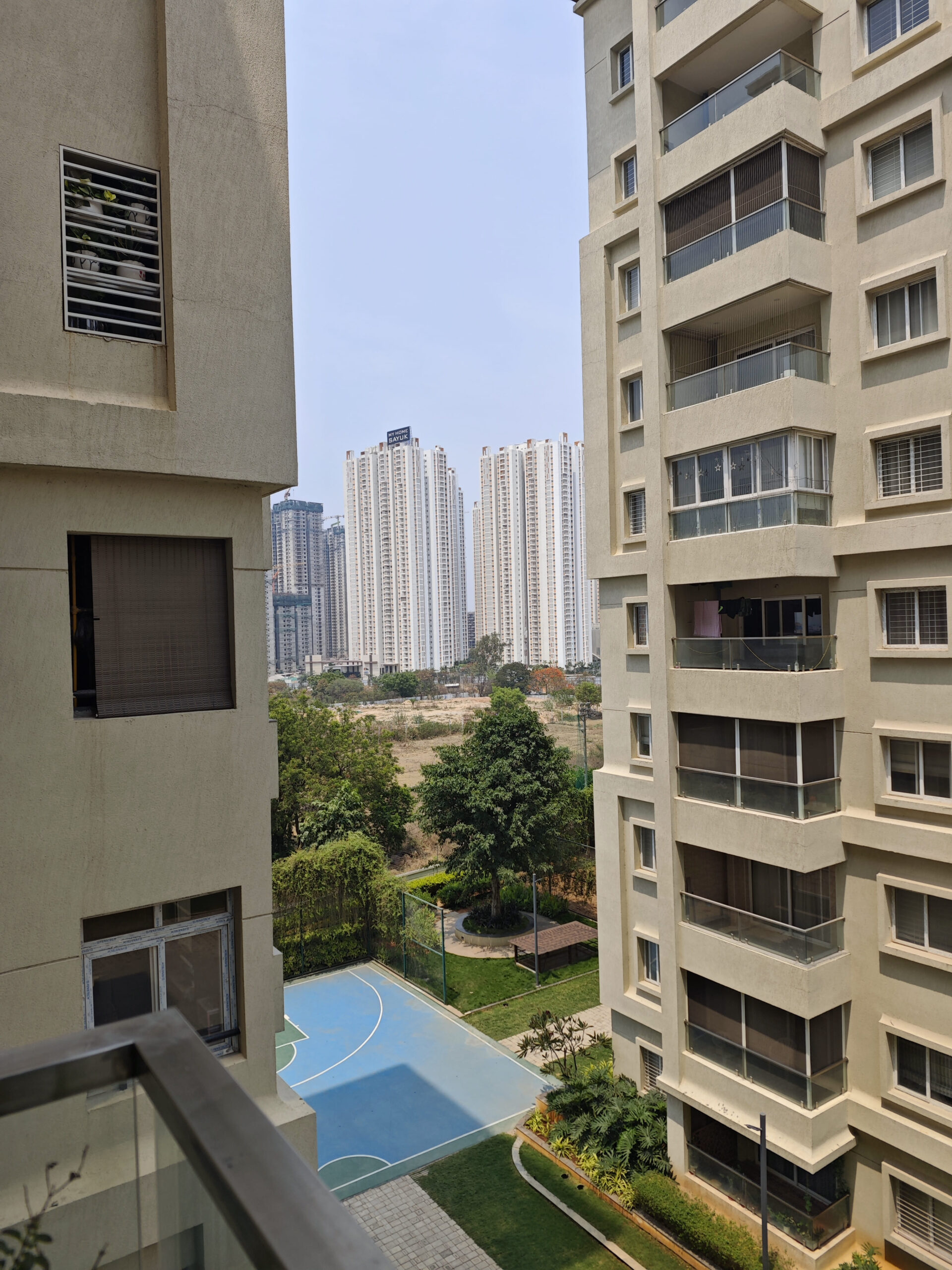
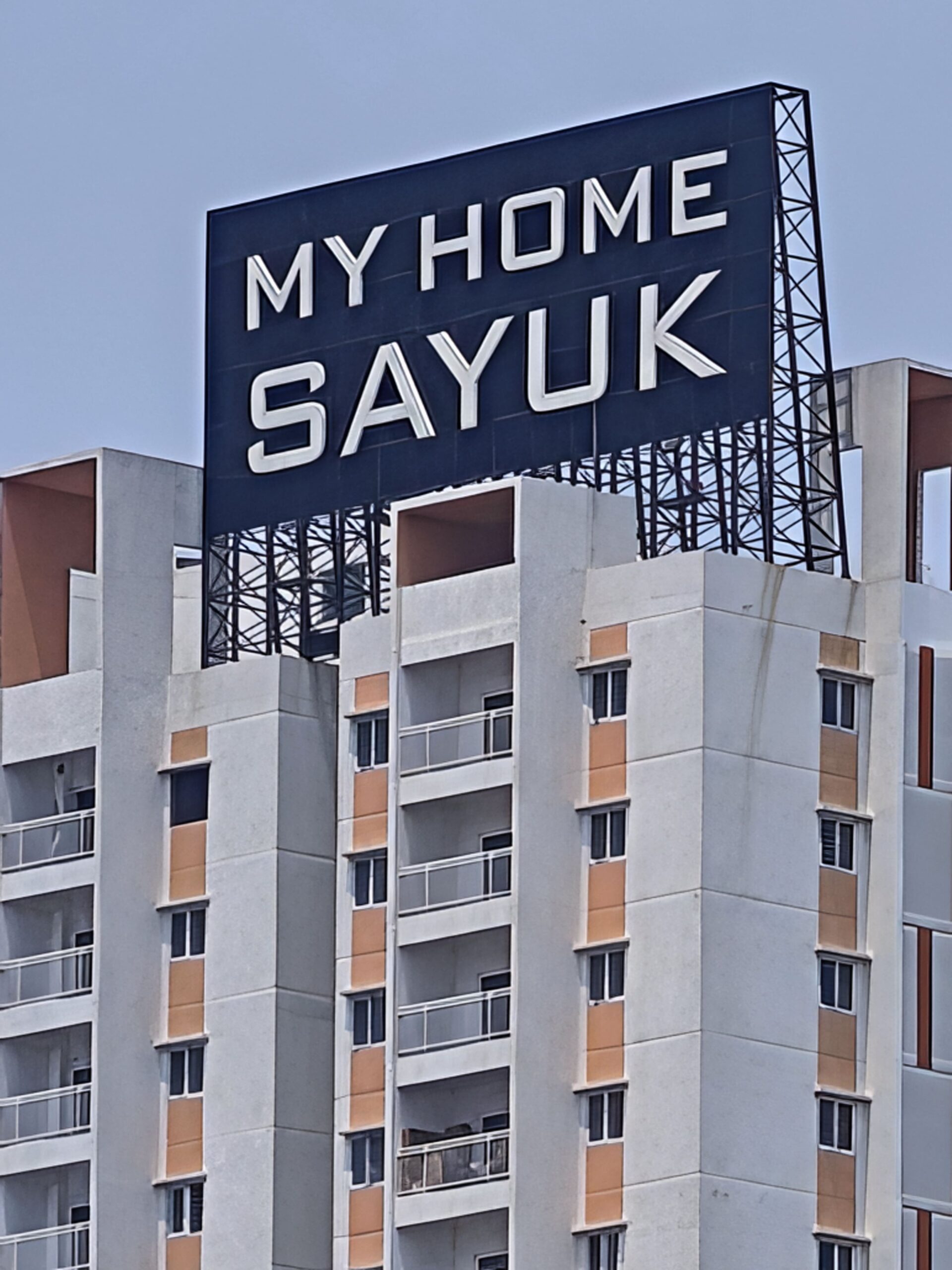
Zoom up to 5x optical looks genuinely impressive, especially when you hand the phone to someone who does not follow tech. They react. You smile politely and know you did the same thing six weeks ago.
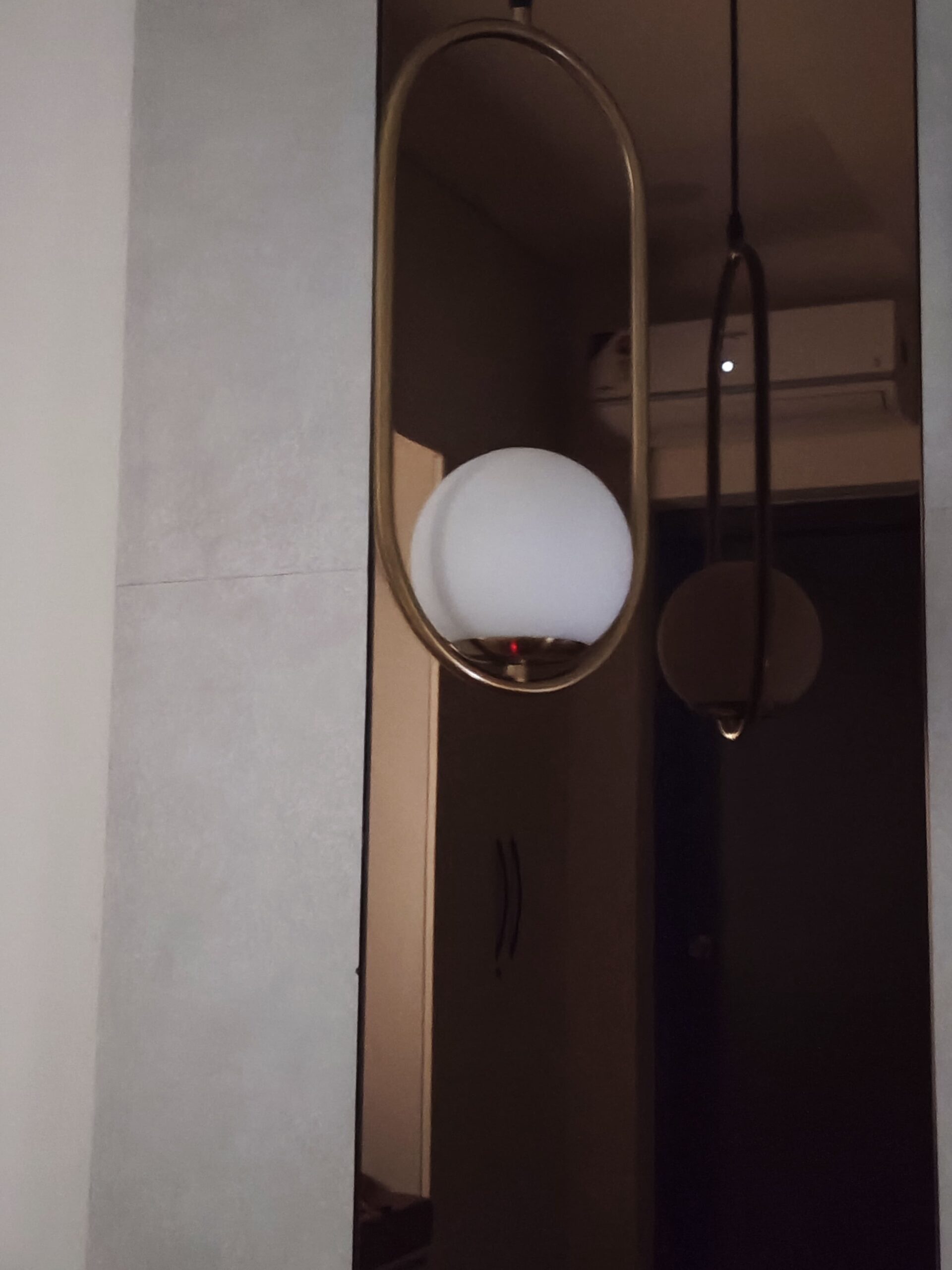
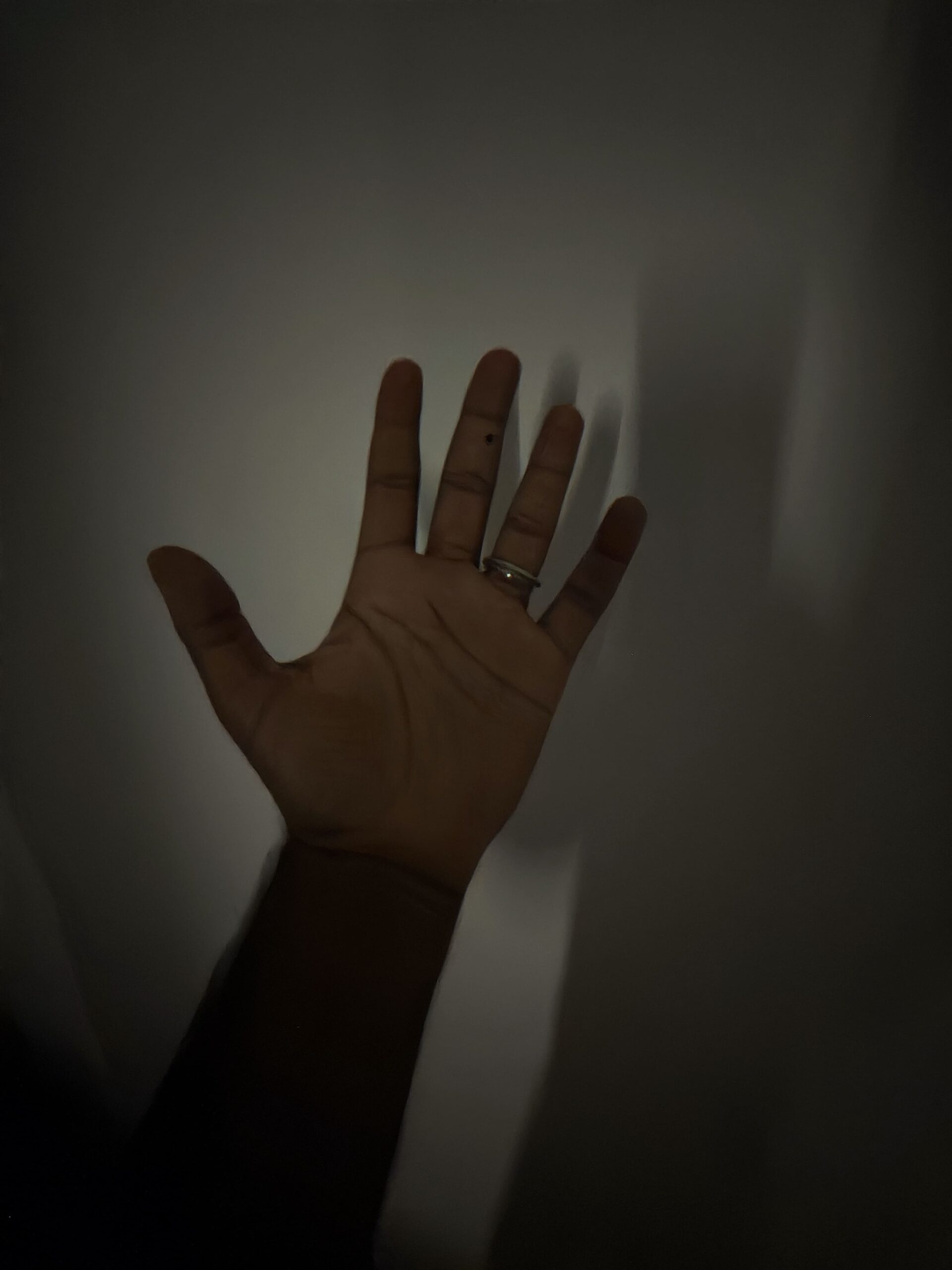
Low light is better than the S25 Ultra. The improvement is there, but not dramatic. Dark bars and dim restaurants still show noise if you look closely, and the AI processing occasionally smooths things in a way you cannot quite name but can definitely feel.
One thing I did not expect: video stabilization is genuinely excellent. Walking shots, handheld at night, moving subjects. It holds. That surprised me more than any still photo result did.
For context on how Samsung’s camera output has evolved across generations, our earlier look at real-world Galaxy S23 Ultra camera behavior puts the progression in useful perspective.
Battery: Reliable in a way that stops being interesting
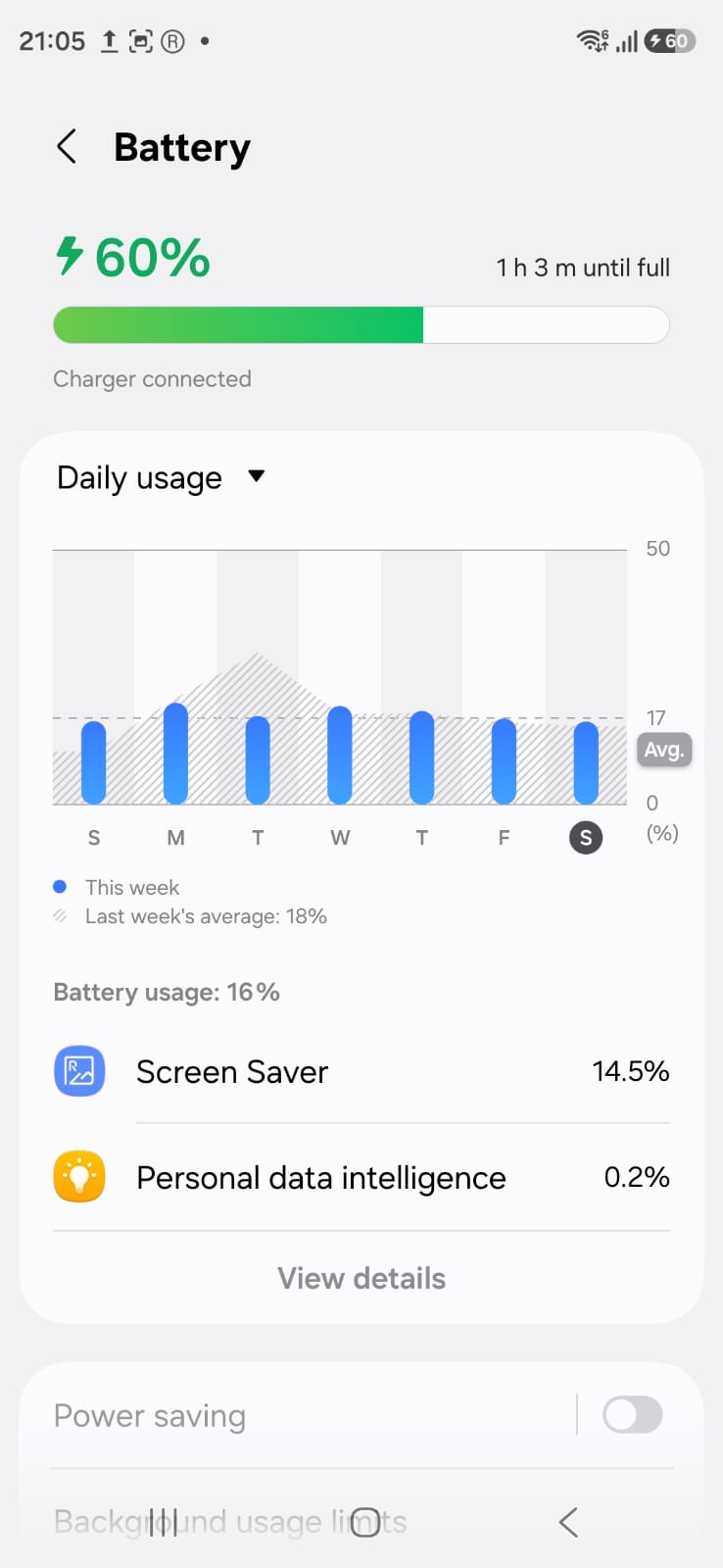
The 5,000mAh battery gets through a full day without drama. That is the whole story for most days.
Heavy days are different. Navigation running, camera heavy, screen at full brightness in the sun. Those days I landed around 35% by 10pm, which is noticeable, and enough to make you think about it. Around week three, a cable quietly appeared in my bag. Not because I had to. Because I started paying attention.
60W wired charging changed my morning routine in a small but real way. A 20-minute plug-in while getting ready actually matters now. That was not true with the 45W on the previous generation.
The 25W wireless sounds excellent until you realize it requires a magnetic case to reach that speed. The phone does not have built-in magnets. Without a compatible case, you are charging at slower standard Qi rates. Easy detail to miss in a spec sheet. Less easy to miss in daily life.
If you are trying to figure out what is actually burning through your battery on heavy days, this breakdown of what really drains an Android battery is more useful than anything the settings menu will tell you.
Software and AI: Capable, quiet, not central
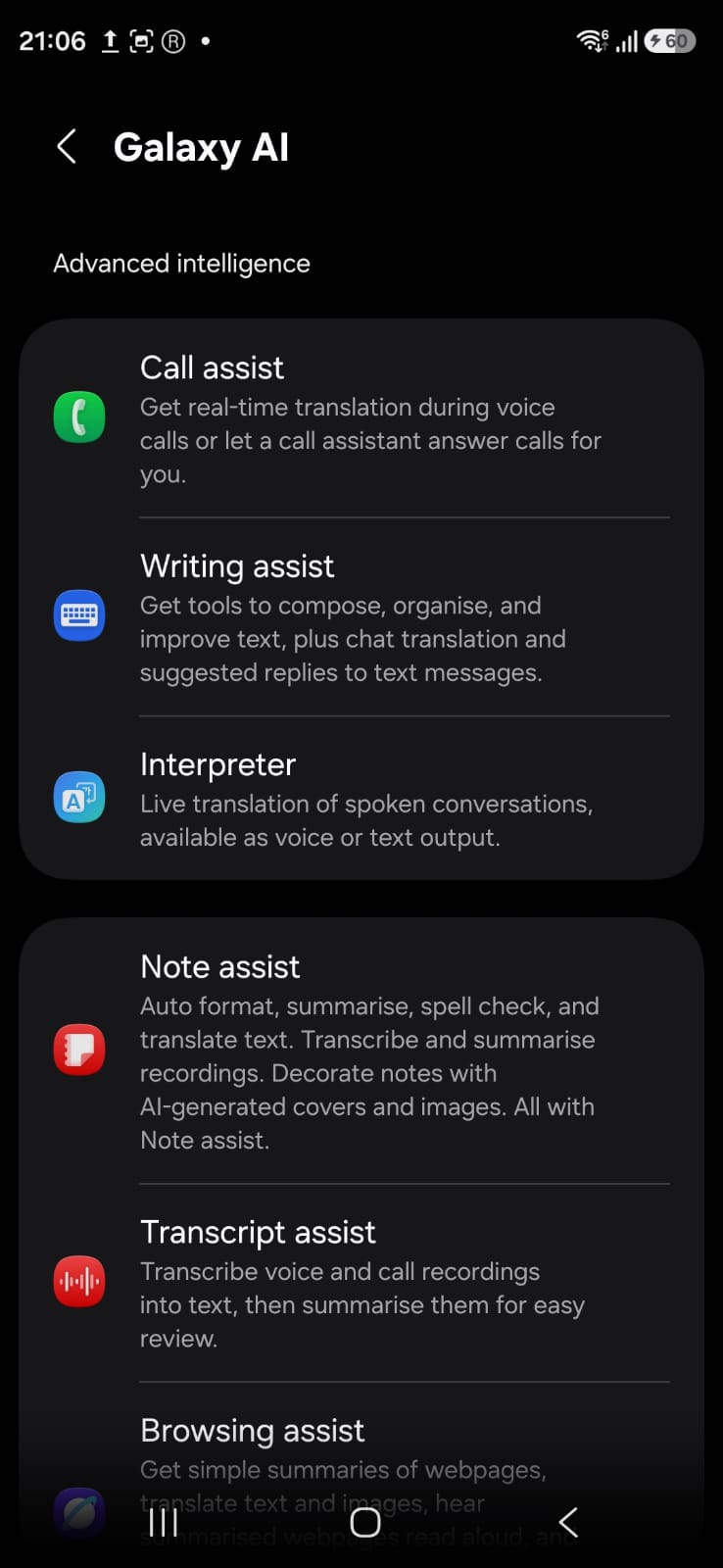
One UI 8.5 on Android 16 is clean and rarely in the way. The occasional Samsung app resurfacing itself still happens. Not constantly. Enough to notice, sigh, and dismiss. Some things do not change.
Galaxy AI features are genuinely well-implemented and genuinely not part of my daily routine after a month. Note summarization during long meetings: used it, kept using it.
The writing suggestions in the keyboard: tried them, forgot about them within a week, remembered them again writing this review. Most of the time I remembered these features existed rather than actively reaching for them. That gap did not close over four weeks.
If you want to clean up the experience, there is a useful piece on which Android AI features are worth disabling that covers what is genuinely optional versus what runs regardless.
S Pen: Four weeks, four real uses
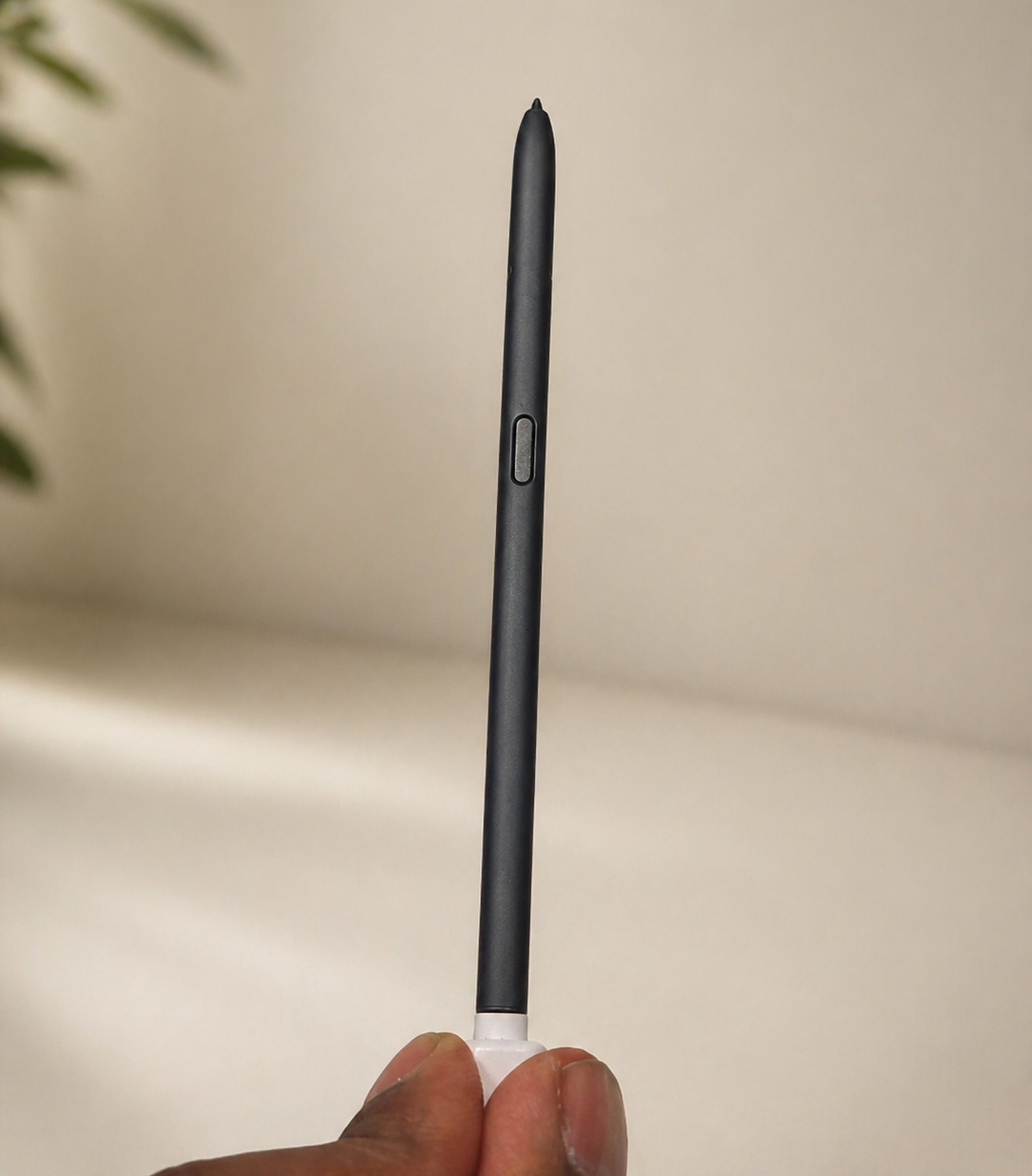
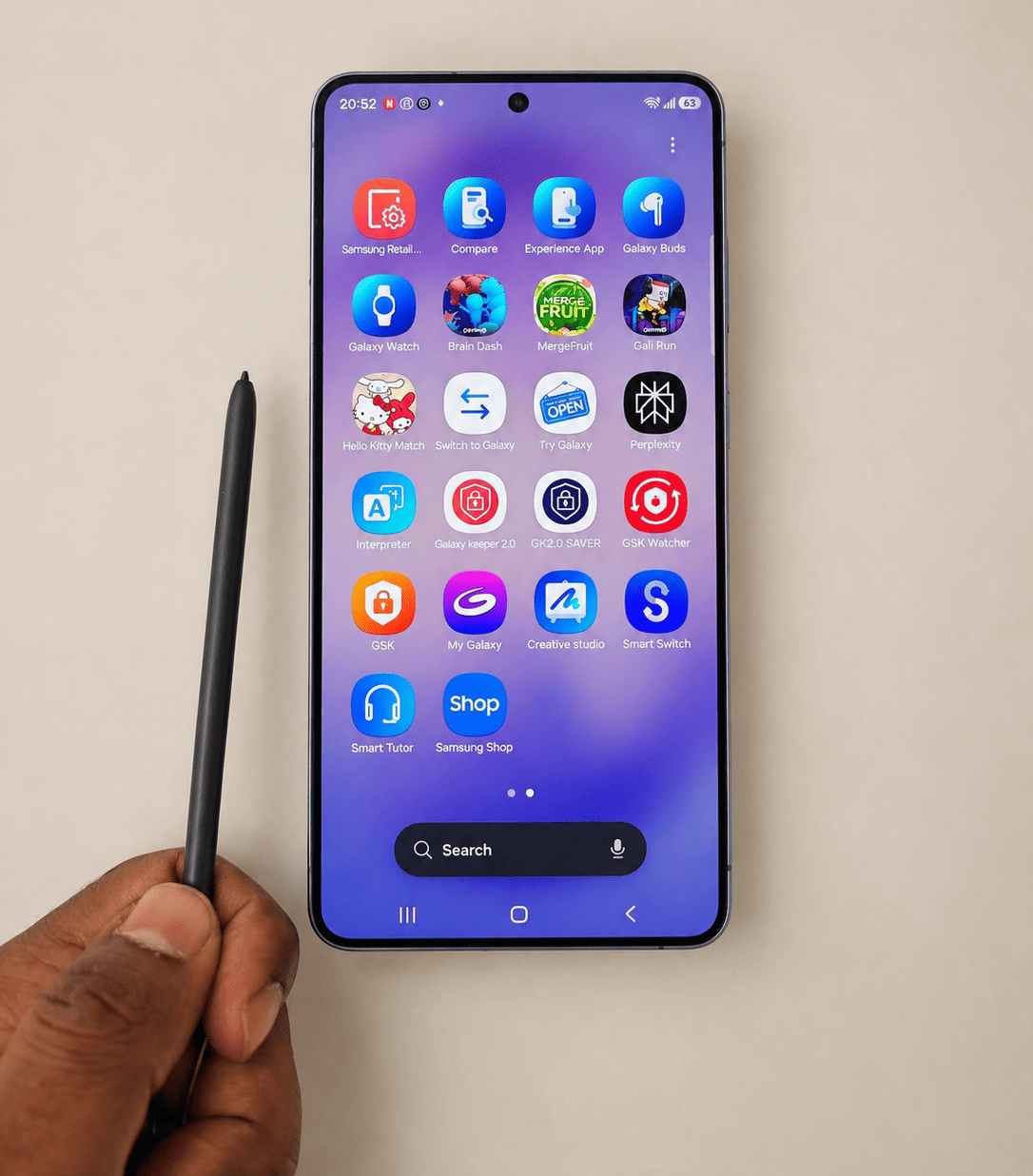
I used the S Pen to sign a lease, annotate a PDF, jot two things down during back-to-back calls, and sketch a rough floor plan for a furniture arrangement. That is one month of use from a feature that costs Samsung real engineering effort to include.
Still the one thing no competing flagship offers. Still glad it is there. Also went eleven days without touching it at one point, and only realized that because I was trying to think of examples for this review.
The click when it slides back in is satisfying in a way that is hard to explain and easy to underestimate. Small tactile things matter more than they should.
If you want to actually get value out of it, there is a guide on setting up S Pen Air Actions that covers the shortcuts most people never configure and then wonder why they are not using the pen more.
The Month in three weeks
Week one: you notice everything. The snap of the display. The camera speed. The way the phone just does not hesitate. It feels exceptional.
Week two: you settle. You stop exploring. You start using it exactly the way you used your last phone, just faster and with a slightly better camera.
Week three onward: you stop thinking about the phone entirely. It becomes infrastructure.
A phone that removes itself from your attention has done its job completely. The uncomfortable part is that at $1,299.99, you want to feel something more than that. Not dramatically more. Just a little more.
It removes problems without creating experiences. Does not make you look forward to picking it up. Makes you stop thinking about it negatively. Those are different things, and that gap is exactly what you are paying $1,299.99 to decide.
Who Should Actually Buy This
If you want the best all-around Android flagship available in the US right now, with seven years of software support and no meaningful weakness anywhere, the S26 Ultra is the answer. That is not a hedge.
If you want a phone that still feels exciting six weeks in, one that gives you small moments of delight on a regular Wednesday, this may not consistently deliver that. It is excellent. Rarely exciting.
And if you are sitting on an S23 Ultra or S24 Ultra that still works fine: wait. Not because this phone is not good. Because it is good in ways you will not notice day to day, and that is a harder case to make for $1,299.99.
Rating: 4.6/5
Frequently Asked Questions
Is the Samsung Galaxy S26 Ultra worth $1,299.99 in the US?
If you want the most capable Android phone available right now with no obvious weak point, yes. If you are upgrading from an S23 Ultra or S24 Ultra that still works, the real-world differences are narrower than the price gap suggests.
How is the Galaxy S26 Ultra battery life in actual daily use?
A full day comfortably for most usage. Heavy use with navigation, camera, and high brightness can put you around 35% by late evening, which is noticeable and enough to make you think about it.
How fast does the Galaxy S26 Ultra actually charge?
60W wired gets you to around 84% in 30 minutes based on independent testing, with a full charge in roughly 43 minutes. Wireless 25W charging requires a magnetic case since the phone lacks built-in magnets.
Why did Samsung switch from titanium to aluminum on the S26 Ultra?
Samsung says it was to achieve a slimmer and lighter build, and the phone is indeed lighter than the S25 Ultra. The trade-off is that the Armor Aluminum frame scratches more visibly than titanium, which matters if you go caseless.
Is the S Pen useful or just a selling point?
Genuinely useful for specific tasks like signing documents, annotating PDFs, and quick handwritten notes. Most people will not reach for it daily, but the times you need it, it earns its place.
Does the Privacy Display on the Galaxy S26 Ultra work well?
It works as described, restricting screen visibility from the sides at the hardware level. Best used selectively since it reduces brightness slightly and creates a viewing texture that becomes distracting over longer sessions.