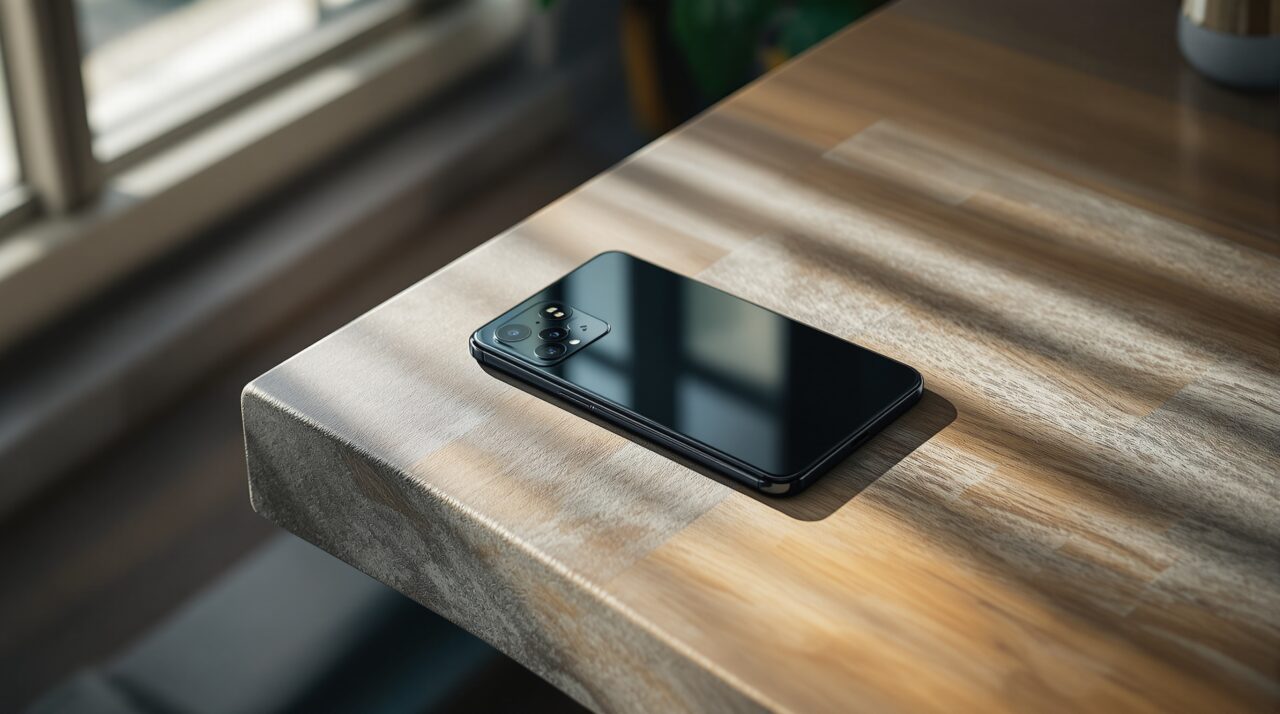
Google gave Pixel fans something to look forward to on May 4, 2026, and quietly took something away in the same breath. Leaker Mystic Leaks posted what was described as a complete Pixel 11 spec dump on Telegram, and two details stood out above all the chip architecture and display numbers.
First, Pixel Glow is real: an RGB LED array replacing the thermometer on the Pro camera bar, a hardware notification feature with a clear resemblance to Nothing’s Glyph Interface. Second, Project Toscana, the IR face unlock system that was supposed to rival Apple’s Face ID, will not ship on the Pixel 11 series because it is not ready.
The dump covers all four Pixel 11 models and is, by volume and consistency, the most detailed Pixel pre-launch leak in recent memory.
Google has not confirmed any of it.
TL;DR: The May 4 Mystic Leaks dump confirmed Pixel Glow as an RGB LED array on the Pixel 11 Pro camera bar, replacing the thermometer. Project Toscana IR face unlock, tested at Face ID speed in February, has been delayed and will not ship with the Pixel 11 series. The modem switch to MediaTek M90 and new camera sensors across the full lineup are both confirmed in the same leak.
What Pixel Glow actually is
Pixel Glow is the most visually distinct addition in the leaked spec sheet. It replaces the temperature sensor that appeared on Pro models from the Pixel 8 Pro onward, a feature most people used a few times and never revisited. In its place is a small RGB LED array embedded in the camera bar.
Based on earlier code found in Android 17 Beta 4, Pixel Glow is designed to light up for calls from saved contacts, provide visual feedback during hands-free Gemini interactions, and work as a hardware notification indicator when the phone is face down on a desk.
Nothing Phone users will recognize the concept immediately. The execution and the range of supported triggers will depend on how much Google invests in the software layer behind it. A hardware notification light is only as useful as the apps and system events it responds to, and that part has not been detailed in any leak yet.
The Pixel 11 Pro and Pro XL are the models with Pixel Glow confirmed. Whether it extends to the standard Pixel 11 is still unclear from the available information. The Pixel 11 full spec breakdown covers the camera bar changes in the context of the broader design update, which also drops the two-tone metallic finish for an all-glass camera bar across all models.
Project Toscana is not happening this year
Project Toscana was the most significant potential upgrade on the Pixel 11. Google has been developing an under-display IR face unlock system designed to work in any lighting condition, including complete darkness. A report from Android Authority in February 2026 described UX tests in Mountain View where the system matched Apple’s Face ID speed across multiple lighting conditions, using a Pixel prototype with a standard hole-punch camera and no visible IR hardware on the front.
The camera-based face unlock on current Pixel phones performs adequately in daylight and fails in dim lighting and darkness. That is exactly when you are most likely reaching for your phone, unlocking an app at night or paying for something in a dark room. Project Toscana was meant to close that gap for good.
Per Mystic Leaks, the feature is simply not ready. Android Authority corroborated that assessment, noting the technology had not cleared the bar for a commercial hardware rollout despite successful internal testing. The same account noted the feature may appear on Chromebooks before Pixel phones, though no timeline was given for either.
Face unlock on the Pixel 11 will remain camera-based. On Pro models it carries the biometric security classification needed for payments and app logins. In low light, it still will not work. Google has not publicly acknowledged Project Toscana at any point.
The modem switch deserves more attention
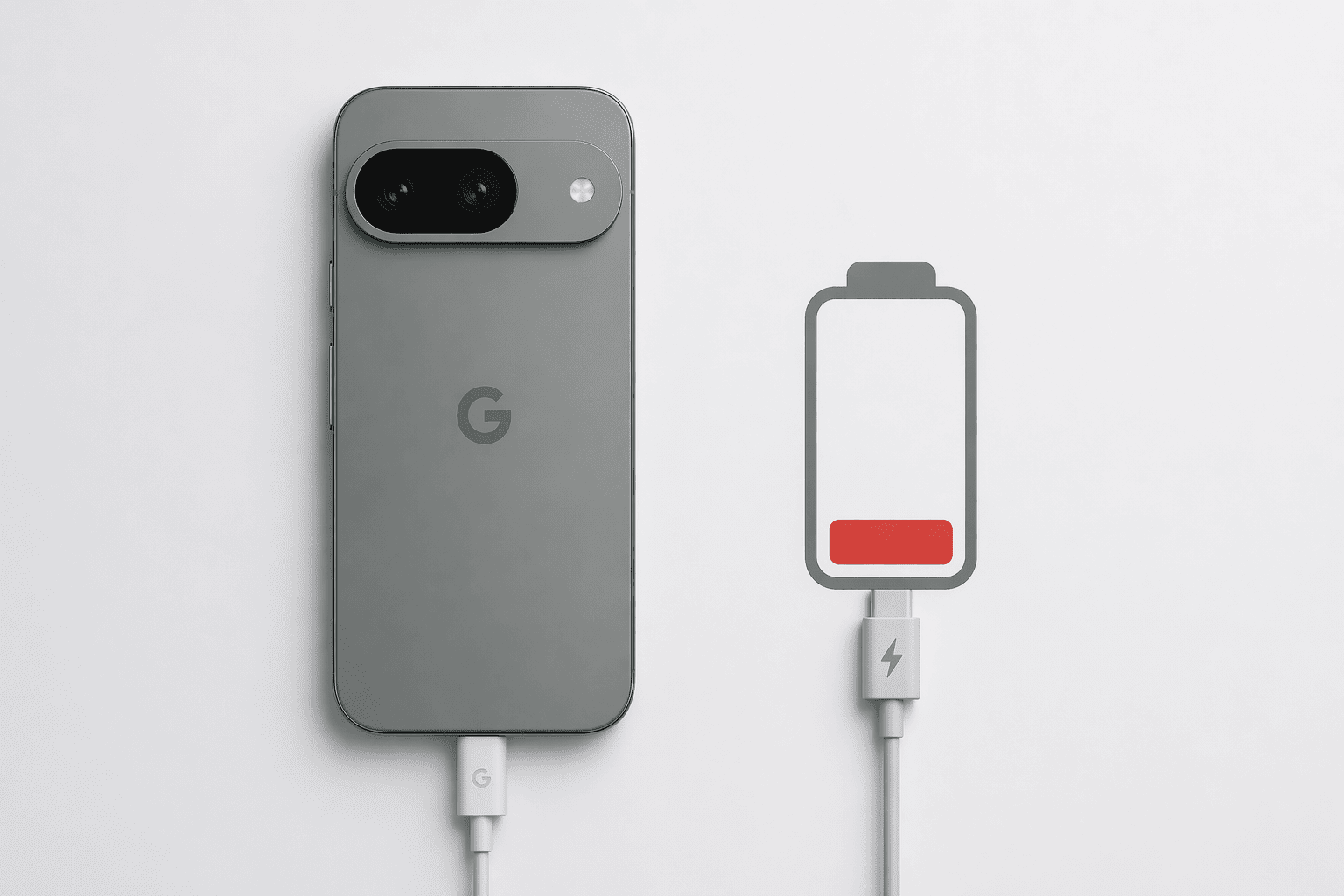
Every Pixel since the original Tensor in 2021 has used a Samsung Exynos modem. Pixel connectivity complaints have followed the same pattern across every generation: inconsistent 5G signal in fringe areas, faster battery drain on cellular data compared to Wi-Fi, and unreliable handoff behavior when moving between coverage zones.
The MediaTek M90, model number MT6986D, is the first modem vendor change in Pixel history. It supports dual SIM dual active, meaning both SIMs on 5G simultaneously, which the Exynos unit did not handle cleanly.
Power management paired with the 2nm Tensor G6 chip should reduce idle cellular drain, based on current supply chain reporting.
If you have spent time on a Pixel 9 or older watching the battery drop noticeably faster in weak signal areas, that is a modem problem as much as a chip problem. The M90 is the most direct answer Google has yet offered to a complaint that has followed the platform since its first year. You can read more about the Pixel 11 AI features expected to run on top of the new chip architecture.
What the rest of the spec dump confirms
The standard Pixel 11 is listed with a 6.3-inch OLED panel at up to 3,100 nits peak brightness, a new 50MP main camera sensor, a 4,840mAh battery, and either 8 or 12GB of RAM. The Pixel 11 Pro and Pro XL carry new main and telephoto sensors and a 42MP front camera, a significant jump over the 10.5MP front camera on the Pixel 10 Pro. Pro models start at 12GB RAM with 16GB as the higher option.
The Tensor G6 uses a 7-core CPU layout instead of the usual 8-core design, with a single ARM C1-Ultra core at 4.11GHz, four C1-Pro cores at 3.38GHz, and two at 2.65GHz. Google traded one core for better thermal management and more die area dedicated to AI acceleration.
A new Santafe TPU handles background AI workloads at low power, which is the hardware behind always-on health features expected at launch. The Android 17 beta that ships on the Pixel 11 integrates Gemini more deeply into system-level actions than any previous Android version.

Who this actually changes things for
The Pixel Glow addition and Project Toscana delay point in different directions depending on what you care about.
If face unlock is your primary biometric, nothing is changing this generation. The current camera-based system works in good light and fails in dim conditions. That trade-off carries forward into the Pixel 11, unchanged.
If you are on a Pixel 9 or older, the chip upgrade, new modem, new camera sensors, and Pixel Glow together represent a genuine generational shift. The 2nm efficiency gains, paired with the M90, should reduce the thermal and cellular battery drain that made earlier Tensor phones frustrating to recommend without caveats.
For Pixel 10 owners, the honest read is that this generation is not the leap that justifies an upgrade. Pixel Glow is novel but it replaces a thermometer you probably never used. Project Toscana, the one addition that could have been decisive, is not there. The case for waiting gets easier the more you look at it.
Google I/O 2026 is scheduled for May 19. The Pixel 11 is likely to appear in some form before August. Whether Project Toscana gets a timeline or remains officially unacknowledged is the question worth watching closely.