Ask someone which phone is more secure, and most people answer before you finish the sentence: “iPhone! Obviously”. Apple is known for its on-device security mechanisms, which have improved over the years alongside its hardware.
This statement used to be simple and mostly correct. In 2026, it is neither. Pixel phones now have a longer official security update commitment than iPhones do on paper.
iPhones in Europe can install apps from outside the App Store now, something that was Apple’s core security argument for over a decade.
None of this means the old reputation of Apple flipped. It means the gap moved, and checking real Android vs iOS security policy documents instead of brand loyalty tells a more useful story than either fanbase wants to hear.
TL;DR: Google now guarantees seven years of security updates on Pixel 8 and later, two years longer than Apple’s published five-year minimum for iPhone 15 and newer. The EU forced Apple to allow sideloading, which softened its walled garden argument. Android still faces more mass malware because of its open install model and device fragmentation, while iPhone users increasingly face fewer but more expensive, targeted attacks. Neither platform wins outright anymore.
The update policy nobody expected to flip
Apple built its reputation on years of iPhones running the newest iOS long after the equivalent Android phone stopped getting anything. That reputation is now only half true.
Under the UK’s PSTI regulation, Apple published a compliance statement confirming a minimum support period of five years from an iPhone’s first supply date, starting with the iPhone 15. That is the first time Apple has put a number on paper.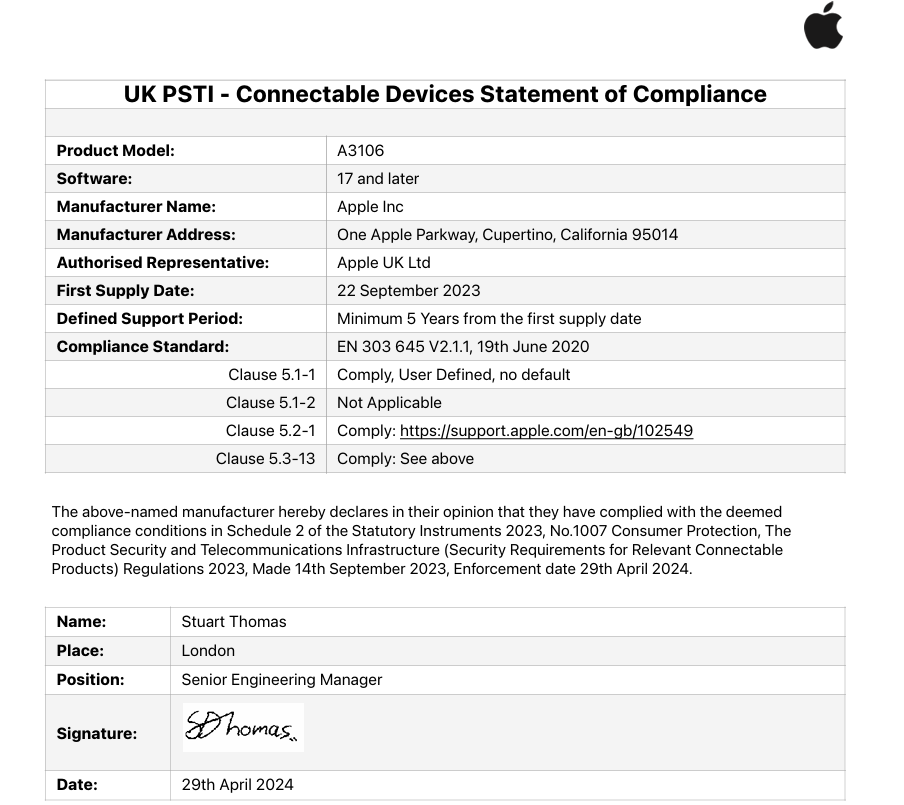
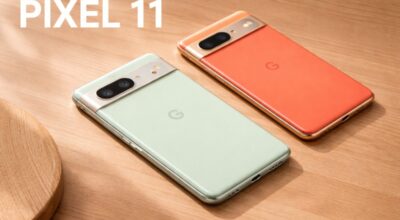
Google went the other direction. Pixel 8 and every Pixel released after it get seven years of OS and security updates, measured from the date the phone first went on sale in the US.
I keep a Pixel 8 Pro as a secondary phone and checked its update page the same week the Apple filing made news. Same guaranteed window as my mother’s iPhone 15, except mine runs two years longer on paper. That sentence would have sounded absurd five years ago.
| Device generation | Minimum security update commitment | Source |
|---|---|---|
| iPhone 15 and later | 5 years (official minimum, per UK PSTI filing) | Apple compliance statement |
| Pixel 8 and later | 7 years | Google Pixel support page |
| Pixel 6 and 7 families | 5 years | Google Pixel support page |
| Samsung Galaxy S24 and later | 7 years | Samsung official policy |
Apple has historically supported iPhones past its stated minimum, often six to seven years in practice, and there is no reason to expect that to stop. But the word “official” matters here.
For the first time, Google and Samsung’s written commitment is longer than Apple’s written commitment. That reverses a talking point that has held since the iPhone launched.
The catch on the Android side is who actually owns a Pixel or Galaxy S flagship. Most Android phones sold globally are not those two lines. A $250 phone from a budget brand typically gets two to three years of updates with no regulatory floor forcing more, which keeps the overall Android fleet less consistent than iOS even as the flagship tier caught up.
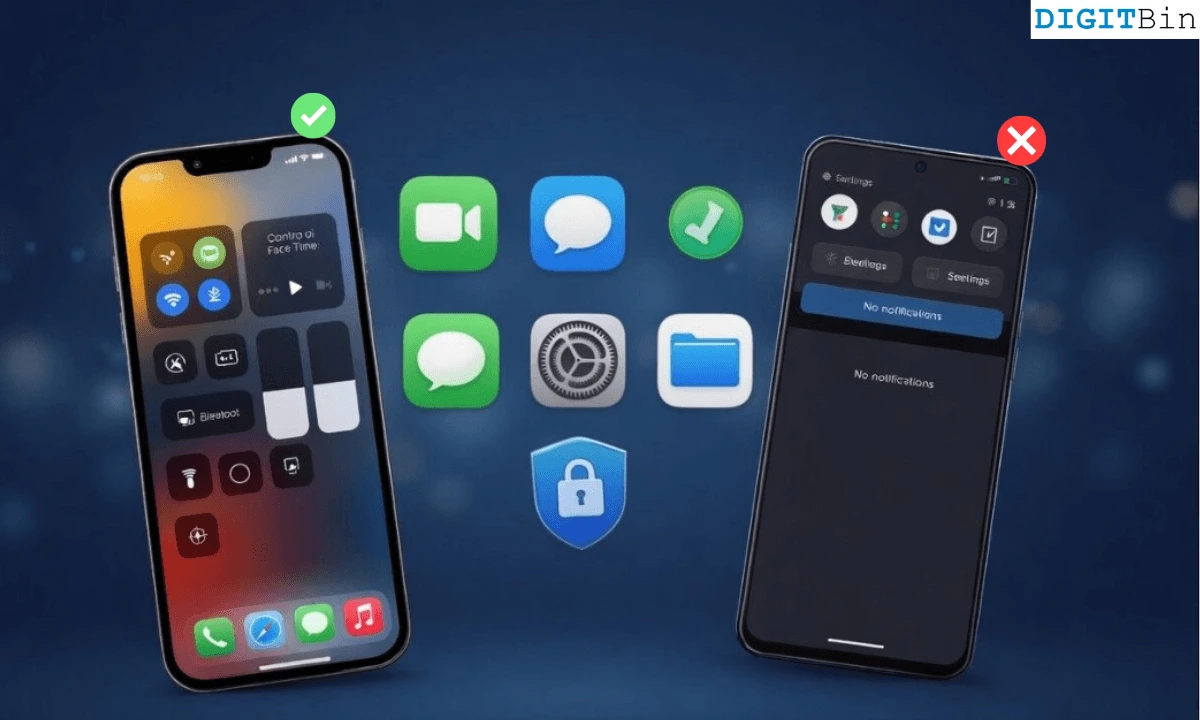
Sideloading came to iPhone, and the walled garden argument got smaller
For as long as iPhone has existed, Apple’s answer to malware was simple: nothing gets on your phone unless it passes App Store review first. That argument no longer applies everywhere an iPhone is sold.
The EU’s Digital Markets Act forced Apple to allow alternative app marketplaces and direct app distribution on iPhones sold in Europe, starting with iOS 17.4 in March 2024 and expanding through iOS 18.6 in mid 2025.
Apple’s own developer page states plainly that this change results in a less secure app distribution model than the one used in the rest of the world, even with the notarization checks Apple still requires on sideloaded apps.
That is not a hostile third party saying it. That is Apple, in its own compliance documentation, describing its own platform as weaker in one specific market because of a law it had to comply with.
I spent a week testing this on an iPhone 16 with a spoofed EU region, mostly out of curiosity about how different the process actually feels. It is nowhere near as loose as installing an APK on Android.
Every app still goes through a baseline Apple review called notarization, and most alternative stores I tried required their own account setup before anything installed. But the option exists now, on iPhone, and it is not technically challenging at all. All of this was unthinkable in 2019 unless you preferred going the jailbreak way.
The practical impact for most iPhone owners outside the EU is close to zero right now. Apple has not extended this model to the US, and there is no confirmed timeline for it doing so.
But the philosophical argument that iPhone is safe specifically because it cannot allow apps from stores other than the App Store is no longer universally true. That matters more for how the two platforms get compared than for what any individual owns today.
Why Android still gets more malware headlines
None of this erases Android’s actual weak point, which has never really been the OS itself. It is the install model and the fragmentation underneath it.
Android has allowed installing apps from outside Google Play since it existed. Google Play Protect scans apps at massive scale before and after install, and its detection has genuinely improved.
But an open install model paired with hundreds of manufacturers, each shipping different security patch schedules, produces more entry points than a single company controlling both hardware and software ever will.
Google’s own Play Protect can occasionally get overzealous, and if you have ever hit a false Play Protect install block, you already know the tradeoff between caution and friction firsthand.
My Android phone warns me before every sideload, a screen I have tapped through so many times installing APKs for testing that I have now stopped reading the specific note of warning.
That habit is exactly the kind of thing security researchers point to when they talk about warning fatigue. The protection works. Whether people still absorb it after the hundredth prompt is a separate question entirely.
Honestly speaking, Android’s malware numbers are higher in raw volume because Android’s install model has always been more permissive and its device population is more fragmented. That is a structural reality, not a story about Google’s engineers doing worse work than Apple’s.
It also explains why basics like knowing how to track a lost Android phone matter more on this platform than the security headlines alone suggest.
What this actually changes about how you should think when choosing between Android or iOS
If you are choosing a phone based on security alone, the specific model matters more than the OS logo on the box now.
A Pixel 9 or Galaxy S26 with a seven-year update commitment is arguably in a stronger documented position than an iPhone bought right at the five-year minimum, on paper, even though that statement would have gotten you laughed out of a phone forum in 2018.
An iPhone still benefits from Apple controlling both the chip and the software update rollout on every single unit, which keeps patch delivery more consistent than the Android fleet as a whole. That advantage has not disappeared. It has just gotten narrower and more conditional on which specific phone you are comparing it to.
The honest answer is, in 2026 Android vs iOS security is not a single number anymore. It depends on which phone, which region, and the specific threat you are actually worried about, and anyone giving you a flat one-line answer either has not checked the current policy documents or is not showing you the whole picture.