The Pixel 9 Pro is getting Android 17. It is not getting Google’s biggest new AI platform. Gemini Intelligence, announced at The Android Show on May 12, 2026, requires Gemini Nano v3, and the Pixel 9 series does not have it.
Neither does any Pixel older than the 10. Google’s most AI-marketed phone from less than a year ago will run this summer’s OS update just fine. The features that define it are a different story.
TL;DR: Gemini Intelligence requires three things: Gemini Nano v3, a flagship-class chipset, and at least 12GB of RAM. Only the Pixel 10, Pixel 10 Pro, Pixel 10 Pro XL, and Pixel 10 Pro Fold currently meet all three, according to Google’s ML Kit developer documentation. The Pixel 9 series runs Nano v2 and is excluded. The Pixel 10a, despite launching in 2026, ships with the Tensor G4 and 8GB of RAM, which rules it out too. Every Pixel from the 6 through the 9 series receives Android 17 as a platform update, but the Gemini Intelligence features are not part of that update for any of them.
What the Gemini Intelligence requirements actually mean
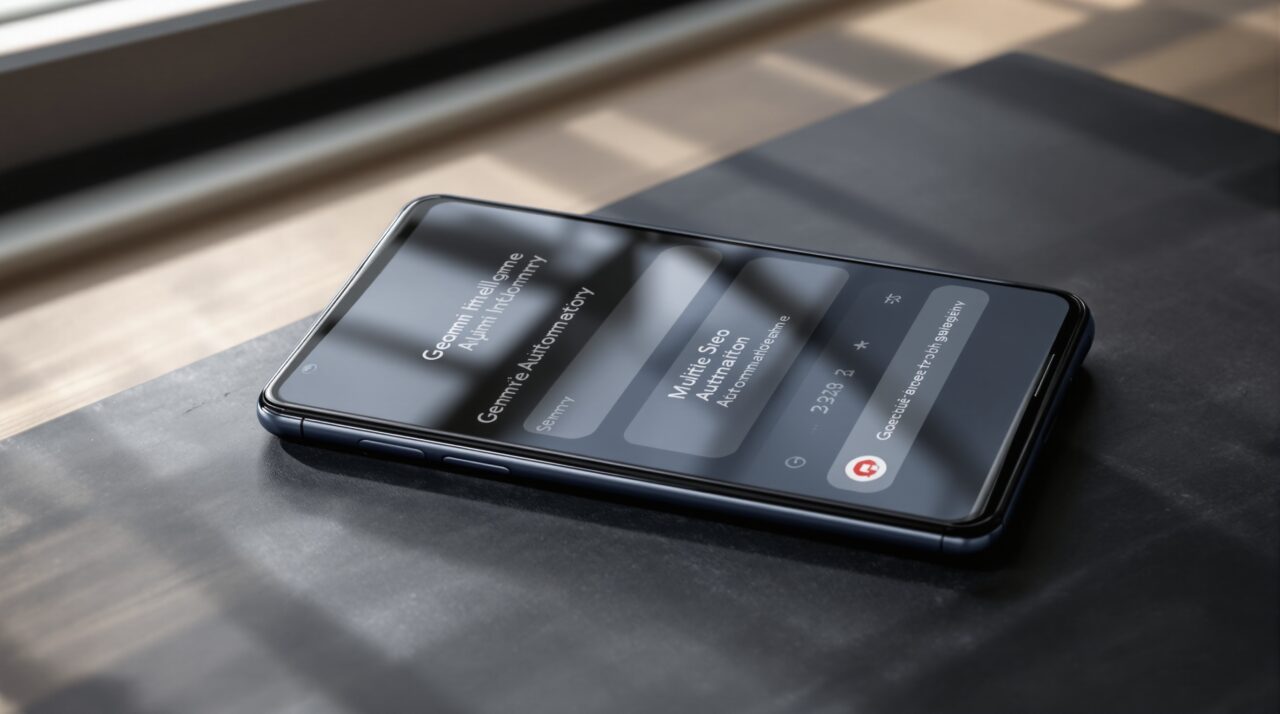
Gemini Intelligence is not one feature. It is a set of capabilities, including multi-step app automation, Create My Widget, and the Rambler voice-to-text cleanup tool, that run locally on the device using Gemini Nano v3.
Google announced the system at The Android Show on May 12, 2026, framing it as Android’s shift from a passive OS to a proactive one. The engineering behind it is real. What matters for Pixel owners right now is which devices actually qualify.
Google’s developer documentation lists three hard requirements: a flagship-grade chipset, at least 12GB of RAM, and support for Gemini Nano v3. That third condition is where the current Pixel lineup breaks.
According to Google’s ML Kit support documentation, as confirmed by Android Authority’s Robert Triggs, who installed the AICore developer preview to verify it directly, the Pixel 10 series is the only Google-branded line currently running Nano v3. Everything older runs Nano v2. Nano v2 does not meet the Gemini Intelligence requirement.
RAM matters too, but for a different reason than you might expect. The Pixel 9 Pro shipped with 16GB of RAM. Several devices that do qualify for Gemini Intelligence carry only 12GB. RAM is not why the Pixel 9 Pro is excluded. The on-device AI model is. And those are not the same problem.
Where every Pixel in the current lineup actually lands
The Pixel 10 series, all four models, qualifies for Gemini Intelligence based on current Google documentation. These are the only Pixel devices confirmed on Nano v3. The rollout is tied to the Android 17 stable release, which multiple outlets including BGR and Android Authority expect in June 2026 based on Google’s own Q2 2026 target and the Android 16 precedent, though Google has not confirmed a specific date.
| Device | Android 17 | Gemini Intelligence | Reason if excluded |
|---|---|---|---|
| Pixel 10 / Pro / Pro XL / Pro Fold | Yes | Yes | Qualifies on all three requirements |
| Pixel 10a | Yes | No | Tensor G4, 8GB RAM; fails chipset and RAM requirements |
| Pixel 9 / Pro / Pro XL / Pro Fold | Yes | No | Runs Nano v2, not Nano v3 |
| Pixel 8 / Pro | Yes | No | Runs Nano v2, not Nano v3 |
| Pixel 7 / Pro | Yes | No | Runs Nano v2, not Nano v3 |
| Pixel 6 / Pro | Yes (final update) | No | Runs Nano v2; support ends October 2026 |
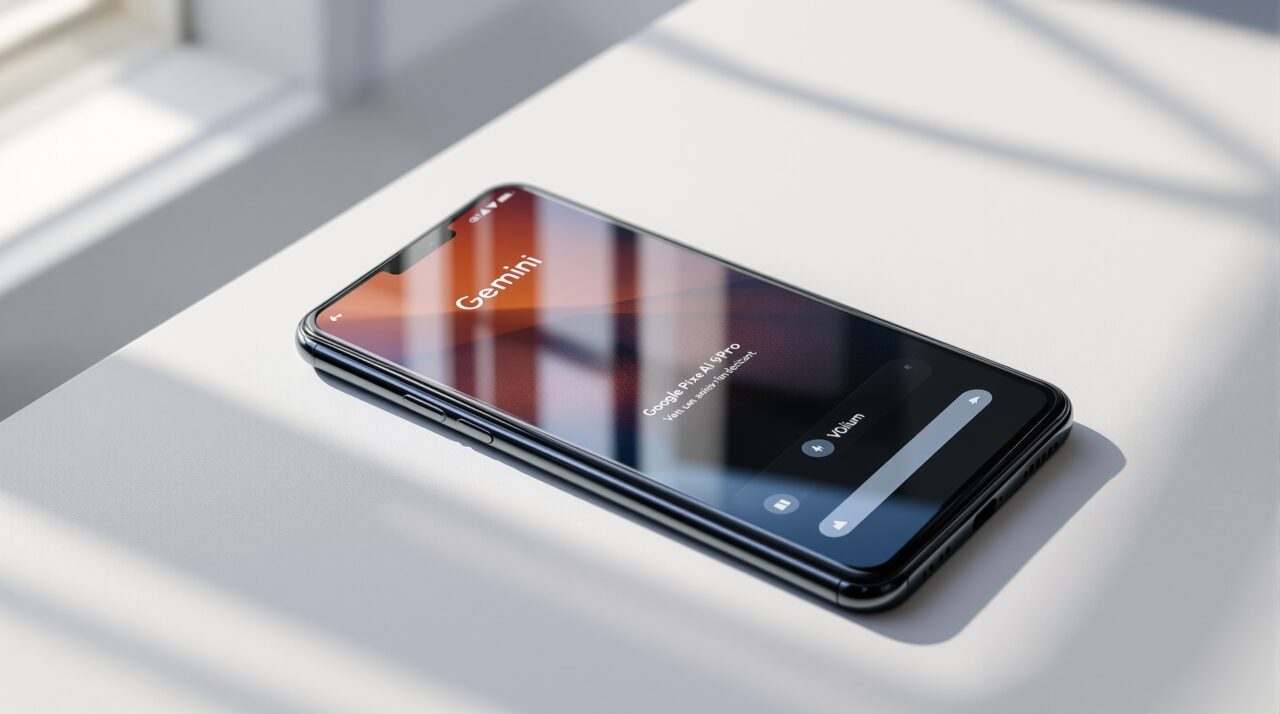
The Pixel 9, Pixel 9 Pro, Pixel 9 Pro XL, and Pixel 9 Pro Fold all get Android 17 this summer. What they get is the base platform: app bubbles, the new Contacts Picker, updated privacy controls, and the Gemini volume slider that arrived in earlier betas. What they do not get is any of the Gemini Intelligence features.
No multi-step automation. No Create My Widget. No Rambler. Gemini itself, as a conversational assistant, remains available on Pixel 9 devices and continues to work through a mix of Nano v2 and cloud processing, same as before. The Android 17 Gemini changes, including the volume slider and Pixel Launcher integration, do carry over. The autonomous task layer does not.
The Pixel 8 and Pixel 8 Pro, the Pixel 7 and Pixel 7 Pro, and the Pixel 6 and Pixel 6 Pro all receive Android 17 with the same outcome. Platform update, no Gemini Intelligence.
The Pixel 6 series is in a separate situation: Android 17 is their final major OS update, with Google’s support window closing in October 2026. They are in the update, but only just.
The Pixel 10a is easy to assume sits alongside the Pixel 10 family. It does not. It launched in 2026 with the Tensor G4 chip and 8GB of RAM, placing it below both the RAM floor and the chipset requirement for Gemini Intelligence.
It also misses Magic Cue. The Pixel 10a gets Android 17, standard Gemini, and Circle to Search. It is not a Gemini Intelligence device.
Why the Pixel 9 Pro exclusion is the hard one to accept
The awkward part is not that Google drew a hardware line. It is where the line landed.
Someone who bought a Pixel 9 Pro in August 2025 paid over $1,000 for a phone marketed on its AI capabilities, built on Google’s own custom silicon, with Google’s own promised seven-year update window.
Less than a year later, Google’s flagship AI platform requires hardware that phone does not have. The update window is intact. The AI experience it implied is not.
The technical reason traces back to the Tensor G4’s TPU. According to Android Authority’s analysis, the Tensor G4 reused the same TPU architecture from the Tensor G3. That means the Pixel 9 series was running AI hardware that was effectively already a generation old when it shipped.
The Tensor G5, by contrast, carries Google’s fourth-generation TPU, which Google claims is up to 60% more powerful than its predecessor, and it is the first Tensor chip capable of running Gemini Nano v3 fully on-device. That gap is architectural, not a software choice Google can easily patch around.
Google has not stated whether Nano v3 could come to older devices through a future AICore or software update. It has not confirmed the barrier is permanent either. The honest read of the current situation is that it looks unlikely in the near term, and Google has given no timeline or commitment either way.
What older Pixel owners still get, and what it actually means day to day
Circle to Search, Magic Eraser, Pixel Screenshots, and Gemini Live all continue on the Pixel 8 and Pixel 9 series after Android 17. These are not Gemini Intelligence features and they are not going away. For most people who own a Pixel 9, the daily AI experience changes very little with this update.
The part that stings comes later, not immediately. Gemini Intelligence is Google’s stated direction for what a Pixel is supposed to be.
Multi-step task automation across apps, widgets built from voice commands, cleanup of spoken dictation before it becomes text: these are the things Google demoed as the future of Android. If that future matters to you, it is arriving on a hardware generation you do not own yet.
It is also worth being honest about what Gemini Intelligence is in June 2026. Magic Cue launched on the Pixel 10 in August 2025 and most owners barely noticed it existed. Gemini Intelligence is a bigger version of the same bet. The demos from The Android Show were plausible.
Whether multi-step automation becomes something people actually use every day, or whether it fades into the background the way Magic Cue did, gets settled after the stable release, not before. The eligibility gap is real. Whether the features on the other side of it turn out to matter is still an open question.
Frequently Asked Questions
Does the Pixel 9 Pro support Gemini Intelligence?
No. The Pixel 9 Pro runs Gemini Nano v2, and Gemini Intelligence requires Nano v3. Only the Pixel 10 series currently meets that requirement on Google hardware.
Does Android 17 include Gemini Intelligence for older Pixels?
No. Android 17 arrives as a platform update on Pixels from the 6 through the 9 series, but the Gemini Intelligence features require Gemini Nano v3, which those devices do not support.
Why does the Pixel 10a not qualify for Gemini Intelligence?
The Pixel 10a ships with the Tensor G4 chip and 8GB of RAM. Gemini Intelligence requires a flagship-grade chipset with Nano v3 support and at least 12GB of RAM. The 10a falls short on both counts.
Can Google push Gemini Nano v3 to older Pixels through a software update?
Google has not confirmed this is possible or planned. Nano v3 support appears tied to the Tensor G5’s fourth-generation TPU at a driver level, making a software-only fix to older hardware technically difficult. No timeline has been given.
What this means before your next upgrade decision
If you are on a Pixel 9 or older and not planning to buy soon, the practical impact of missing Gemini Intelligence depends on how much the specific features would change how you use your phone. The existing Pixel AI toolkit is still solid. You are not losing anything you have. You are not getting the new layer either.
If you are considering a new Pixel specifically because of the AI features announced at I/O 2026, the Pixel 10 series is the only current option that qualifies. The Pixel 10a does not. Google has also not clarified what the Pixel 11 will support, with early leaks suggesting the base model may ship with 8GB of RAM, which would place it below the Gemini Intelligence floor even as a 2026 flagship. That has not been confirmed.