It started with a restaurant. I wanted to know if a specific place in my city was actually good or just had good SEO.
I opened Google, read three listicles that could have been about any restaurant in any city, and closed the tab.
Next, I searched the restaurant name on Reddit, found a thread from six months ago where a dozen locals argued about whether the biryani had gone downhill since the owner changed, and had my answer in ninety seconds.
That was the moment I started noticing how often I was doing this.
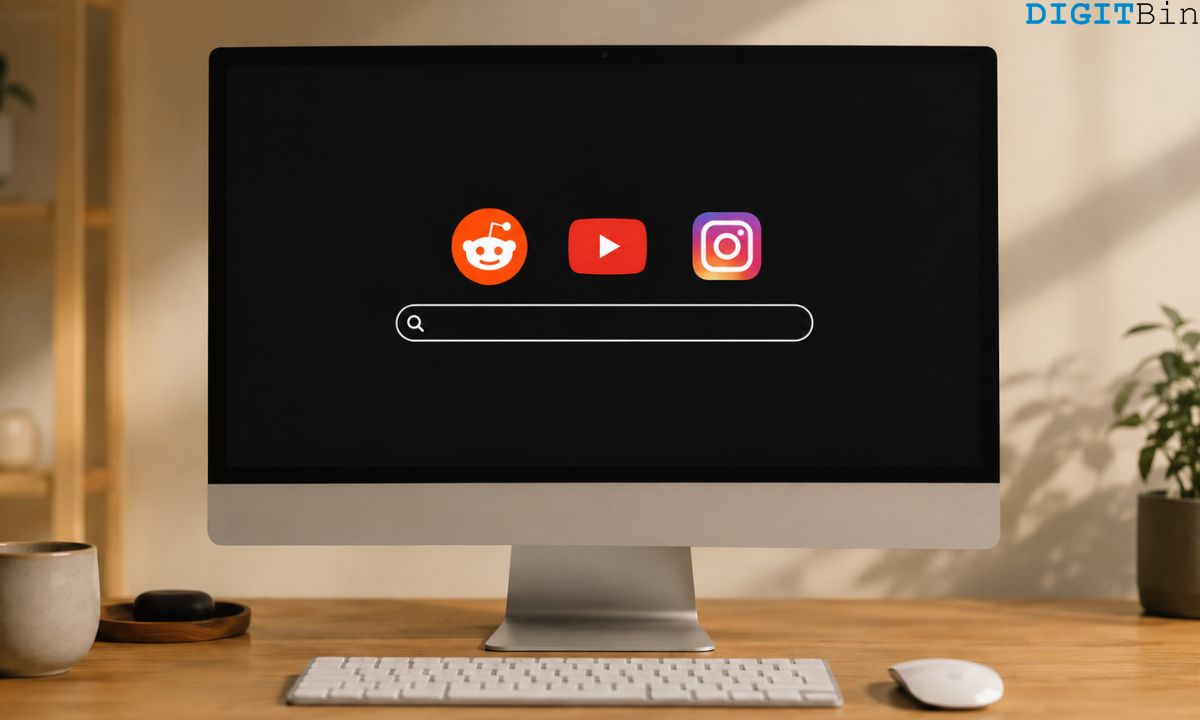
Google search was no longer my go-to source of information. Subreddits, Instagram, and the YouTube comment section have become far more reliable.
TL;DR: For discovery-led, opinion-based, and experience-driven queries, Reddit, TikTok, YouTube, and Instagram are increasingly where people start rather than Google. Data from 2026 shows 65% of Gen Z have used TikTok as a search engine, 67% use Instagram for search, and Reddit’s Q1 2026 ad revenue rose 74% year-over-year, partly driven by search intent. Google still dominates for factual, navigational, and high-stakes queries. The shift is real but platform-specific, not a wholesale replacement.
The type of search query that moved first
Not everything moved. I still Google flight prices, opening hours, medication side effects, and what year a specific law was passed.
Google is still the fastest path to a factual answer that does not require lived experience. What changed is the category of query that needs a human perspective rather than an indexed document.
Is this neighbourhood safe to walk in at night? Which laptop repair shop in this city actually fixes things, versus takes your money? What is the best value protein powder that does not taste like chalk?
These are questions Google technically answers, but answers poorly, because the answers that rank are not written by people who have had the experience.
They are written to rank. Whether they solve the actual problem that the user is looking for becomes questionable.
The distinction has always existed, but it became hard to ignore around 2024 when AI-generated content began flooding search results, making the signal-to-noise problem visibly worse.
I will provide a real-life example. I looked for “best whey protein isolate”. On the Google search results page, I was bombarded with e-commerce product listings and a Forbes listicle.
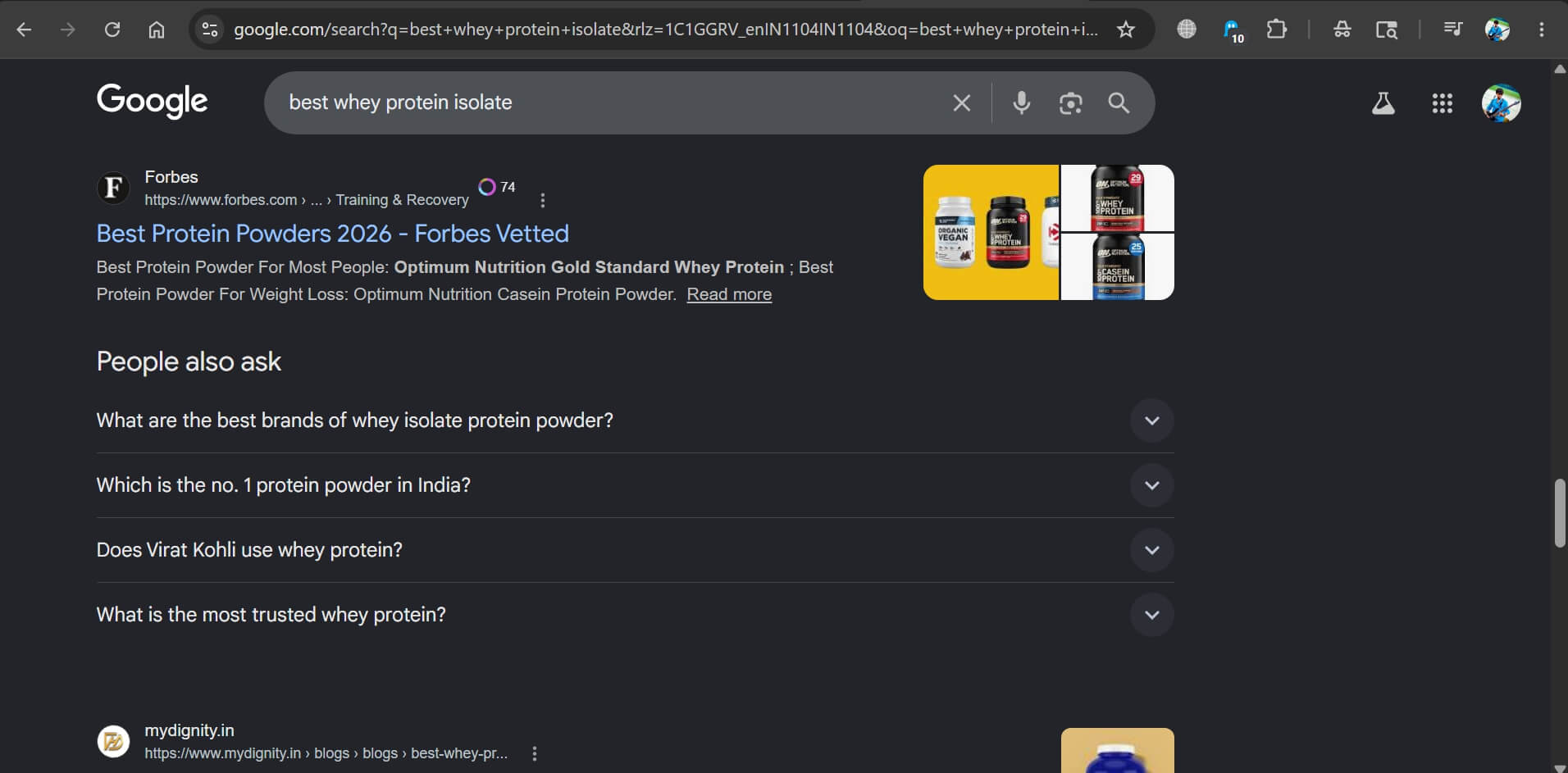
It felt more confusing seeing all those brands, and half of them were unavailable in my country. I was looking for personal experiences regarding the authenticity of protein supplement brands.
I scrolled down the search results to find subreddit threads. It led me to a fitness subreddit where people have shared their real-life experiences with different protein supplement brands that are available in my country.
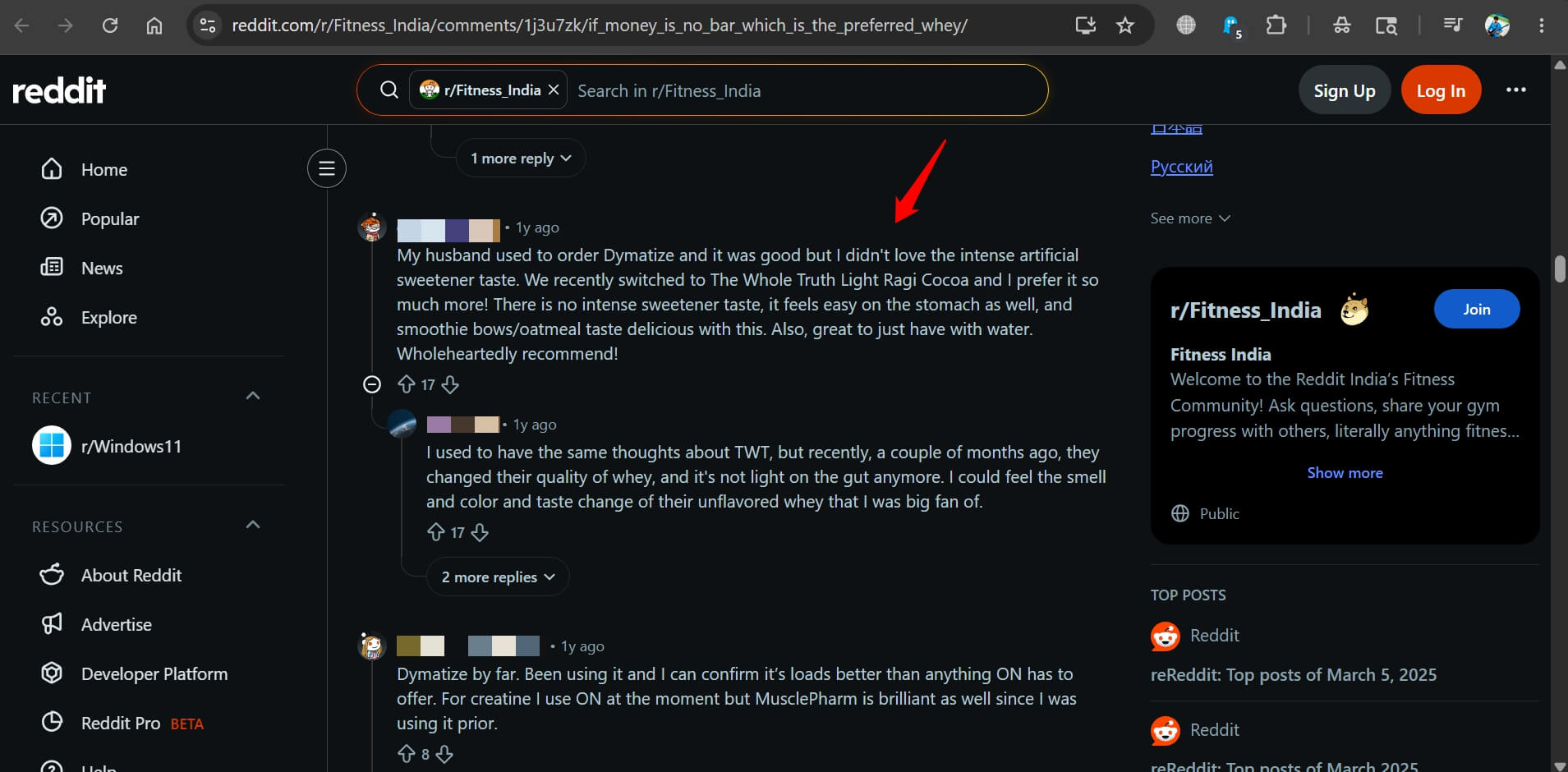
I could easily decide which protein brands are more genuine, have fewer artificial ingredients, offer more protein percentage as per their price, and don’t cause any side effects.
Reddit became the instinctive fix to find correct information for search queries that Google could not provide. Appending “reddit” to a Google search to get human responses is now common enough to be a cliche.
Something more interesting happened after that. People stopped appending the word and just went to the Reddit app directly.
Reddit’s platform’s Q1 2026 ad revenue reached $663 million, up 74% year-over-year, with Sprout Social and eMarketer both citing search-led intent as a meaningful growth driver. That is not a platform doing well despite the shift. That is a platform benefiting from it.
Where TikTok and Instagram fit differently
TikTok and Instagram handle a different flavour of the same problem. Where Reddit gives you text-based community consensus, short-form video gives you a demonstration.
If you want to know how a skincare product actually performs on a real face rather than a stock photo, watching thirty seconds of Instagram reels or YouTube Shorts of someone applying it and showing the result two weeks later is more informative than any written review.
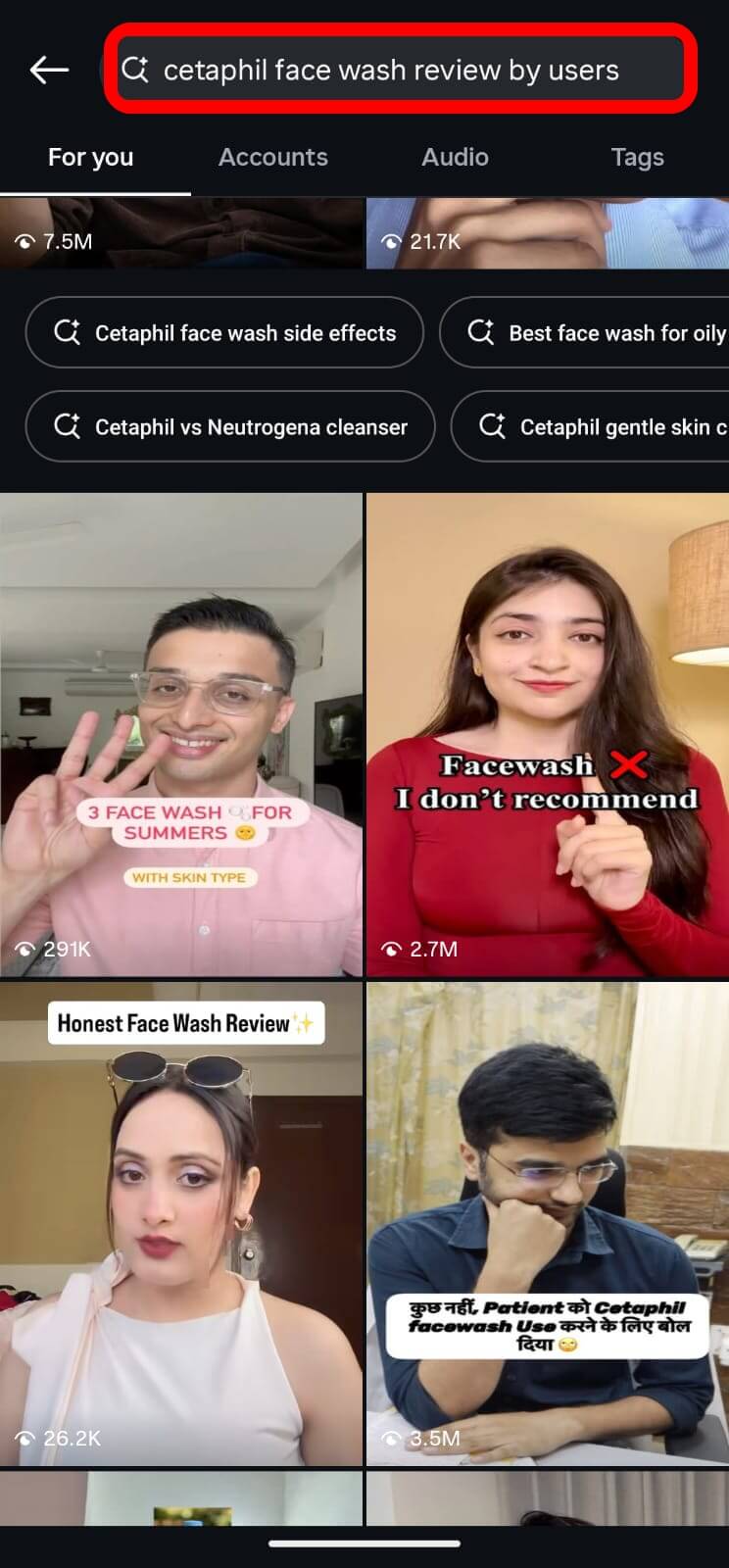
The short-video content format carries information that text cannot. It also generates trust.
Adobe’s 2026 research found that 65% of Gen Z users prefer TikTok as a search engine. A Forbes analysis based on GWI data found 67% of Gen Z use Instagram for search, 62% use TikTok, and 61% use Google.
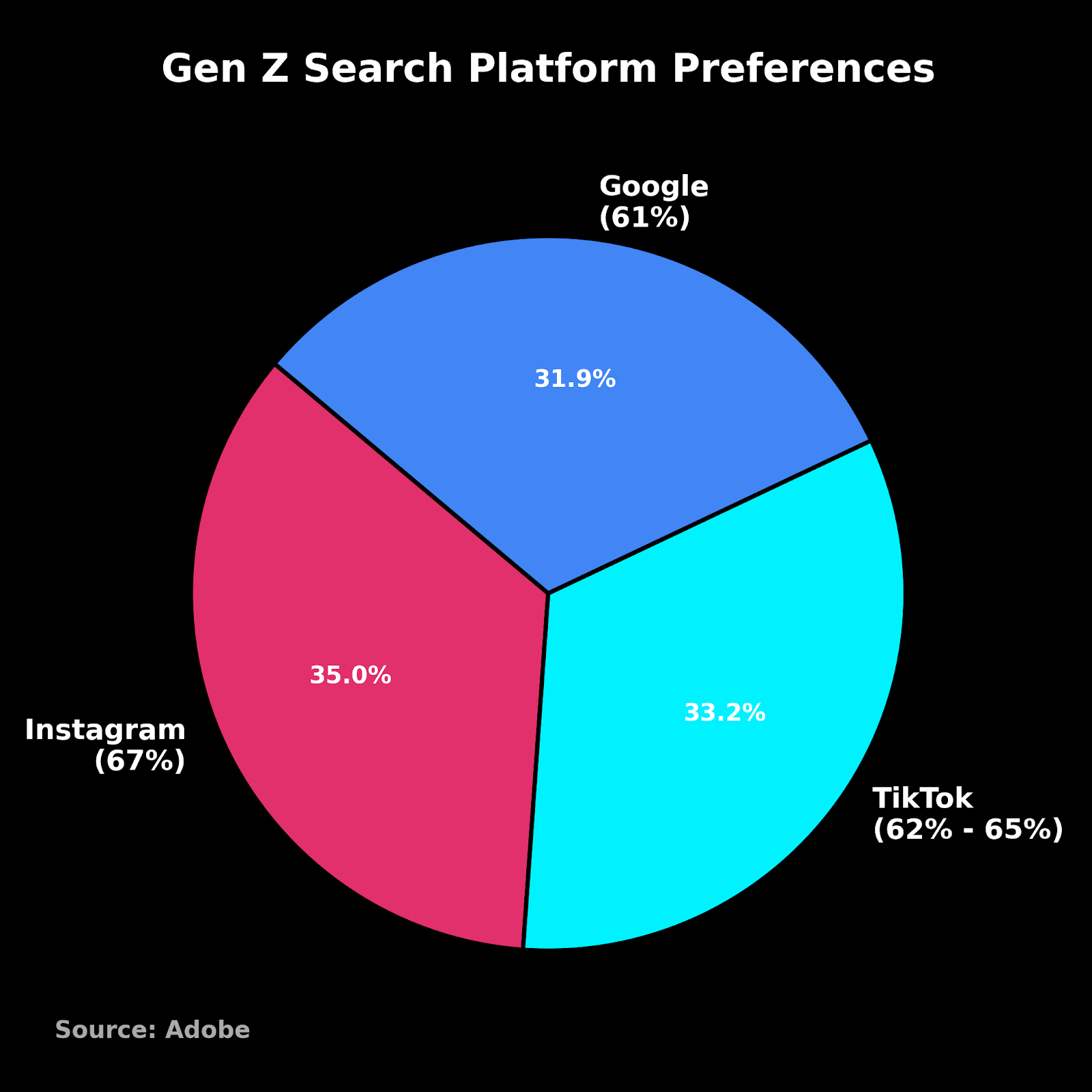
Nearly identical shares across all three platforms. That is not substitution. That is a multi-platform search behaviour where the choice of platform depends on what kind of answer you need.
The pattern breaks down along query type. TikTok search works for product discovery, travel recommendations, recipes, and lifestyle decisions.
It is far less useful for anything requiring accurate factual verification, legal or financial guidance, or time-sensitive information, where video production lag means the content is already outdated.
Someone looking up travel tips for a city they are visiting next month does well on TikTok. Others looking up visa requirements for that same trip should not be on TikTok. Reddit should be their go-to platform for fact-rich, detailed, and experiential information.
YouTube is the exception that has always been here
YouTube never stopped being a search engine. It was one before the term became fashionable.
The difference now is that its role has expanded from how-to tutorials and product unboxings into something closer to investigative journalism for consumer decisions.
The best review of a laptop, a camera lens, or a dishwasher is more likely to be a twenty-minute YouTube video from a creator who physically tested the product for two weeks than a written article on a site optimising for affiliate revenue.
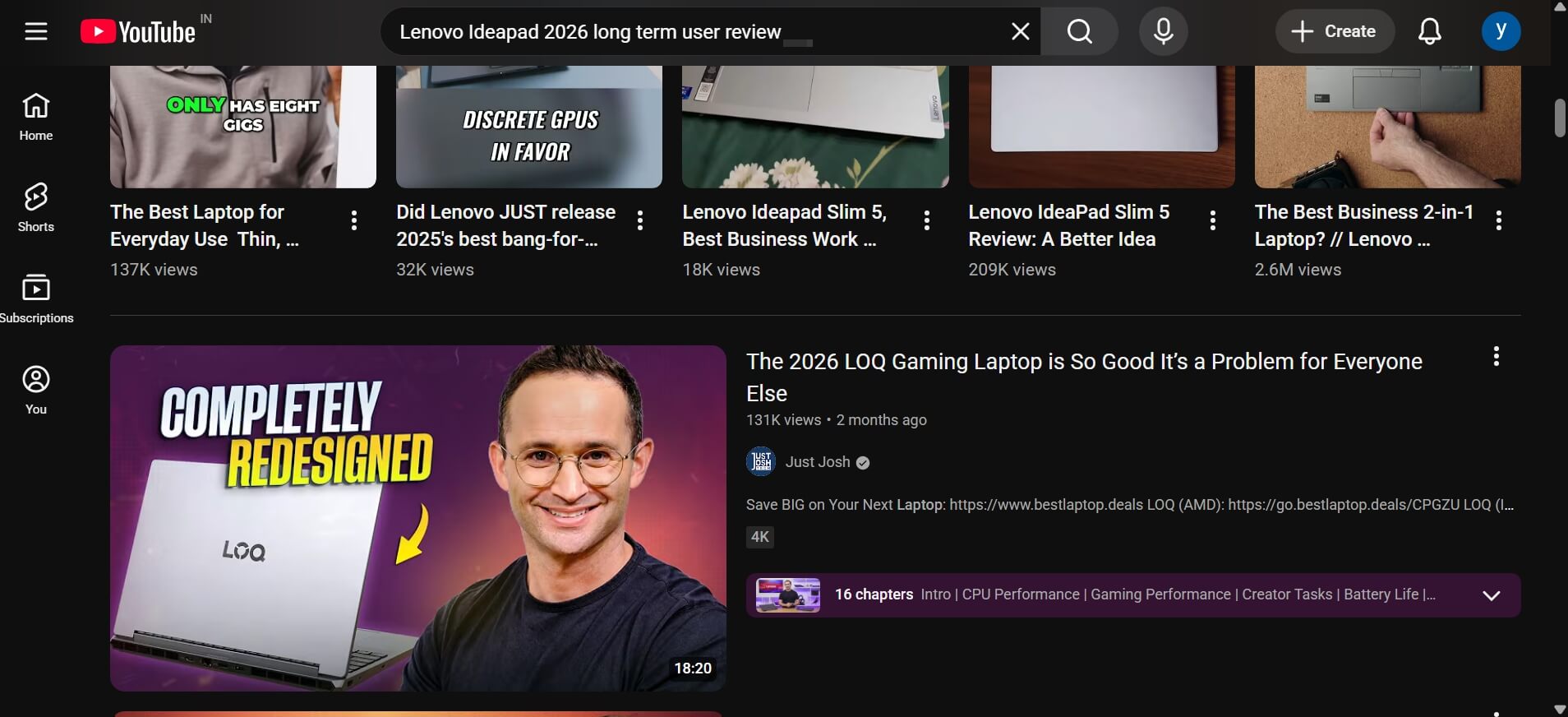
This is not new behaviour, but it accelerated as trust in written review content declined. A creator who goes on camera and shows you the exact moment a product failed has put their reputation on the line in a way that a keyword-optimised listicle has not.
This also brings in the accountability factor that changed how people make purchase decisions, specifically. People are trusting YouTubers more than Google Search.
Instead of an ad-riddled blog page, users are preferring YouTube Premium for ad-free, seamless content that is useful and solves their problem.
What Google did and did not do about it
Google noticed. AI Overviews began rolling out widely in 2024 and continued through 2025 and 2026, and are partly a response to the discovery that people want synthesised, opinionated answers rather than a list of links.
The feature pulls from indexed web content and attempts to give a direct response at the top of the results page.
The execution has been inconsistent enough that it has generated its own criticism, but the intent is clearly to address the same need that drove people to Reddit and TikTok in the first place.
Google also began surfacing Reddit and Quora threads more aggressively in search results starting around 2023, effectively acknowledging that human-generated community discussion ranked higher in user trust than publisher content for certain query types.
It was a quiet admission that the thing people were leaving to get on Reddit was findable on Google if Google chose to surface it. The decision to surface it more was a product choice, not a technical limitation.

Social media vs Search engine: The part that sits uncomfortably
The shift to social platforms for search is not without cost.
Reddit threads from two years ago contain confident advice that is outdated. TikTok search surfaces whoever is most engaging, not whoever is most accurate.
Instagram recommendations are often undisclosed paid partnerships dressed as genuine opinions.
The same informality that makes social search feel more trustworthy than SEO-optimised content also makes it more susceptible to misinformation, outdated guidance, and subtle commercial influence that is harder to spot than a banner ad.
The restaurant I looked up on Reddit? The thread was six months old. The owner had changed the menu back. The information I trusted over three Google listicles was itself stale.
Not denying it was still more useful than the listicles. But that is a low bar, and the pattern of trading one unreliability for another is worth being honest about.
Social platforms are better than Google for a specific type of query, in a specific moment, from a specific type of source.
That scope of information is narrower than the enthusiasm for the trend suggests. But within that, the shift is gradual and real. The numbers support it, and it is not going back.
Google’s problem is not that people stopped using it. It is that they stopped using it first.