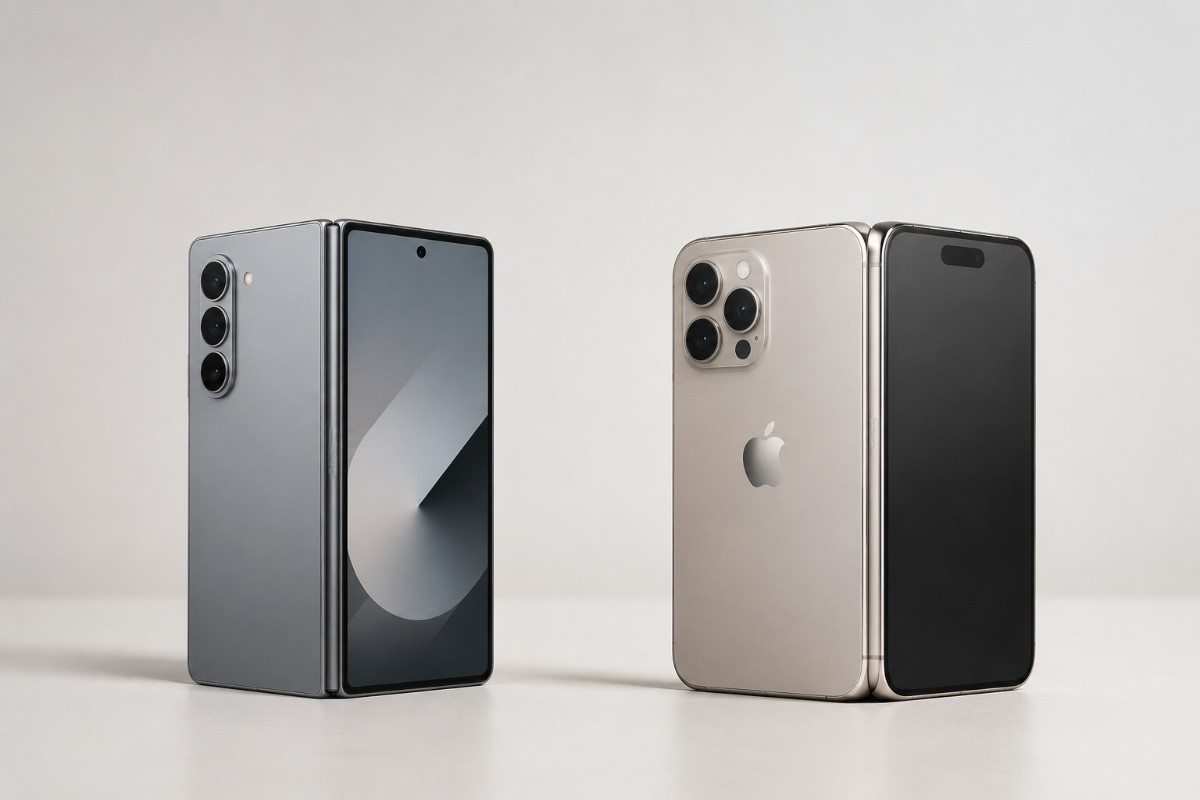
The foldable market is splitting into two timelines. In July 2026, Samsung launches the Galaxy Z Fold 8, a device you can own and use immediately.
Two months later, Apple’s iPhone Ultra Fold arrives as a first attempt engineered to fix what still frustrates people about foldables. One is proven. The other tries to be better.
TL;DR: Z Fold 8 arrives first with a 5,000 mAh battery jump and 50MP ultrawide camera. iPhone Ultra Fold launches later with a 4:3 display, liquid metal hinge, and crease-reduction technology. If you need a foldable in July, Samsung wins. If you can wait two months for Apple’s first-generation design, iPhone Ultra Fold’s engineering is worth the $700+ premium and the learning curve.
The July vs. September timeline changes everything
Timing in foldables isn’t just a release date. It’s the difference between buying a proven device you can use immediately versus waiting for Apple’s interpretation of five years of Samsung’s mistakes. Samsung’s July 22 launch has been confirmed by industry sources tracking Samsung’s supply chain patterns. You can pre-order, receive it, and build habits around the inner screen.
In practice: if you’re a video editor using the Z Fold 7’s 8-inch display for scrubbing timelines, the Z Fold 8 feels like home on day one.
The 5,000 mAh battery means can you finish a day of heavy editing at 25-30% instead of 10-15%. You don’t need to relearn software multitasking on an unfamiliar form factor. The friction is zero.
Apple’s two-month delay creates a different equation. If the Z Fold 7’s crease visibility bothers you, or if you’ve worried about hinge durability after reading five years of Samsung complaints online, waiting suggests Apple’s extra development time produced something different. Whether it did is the bet you’re making.
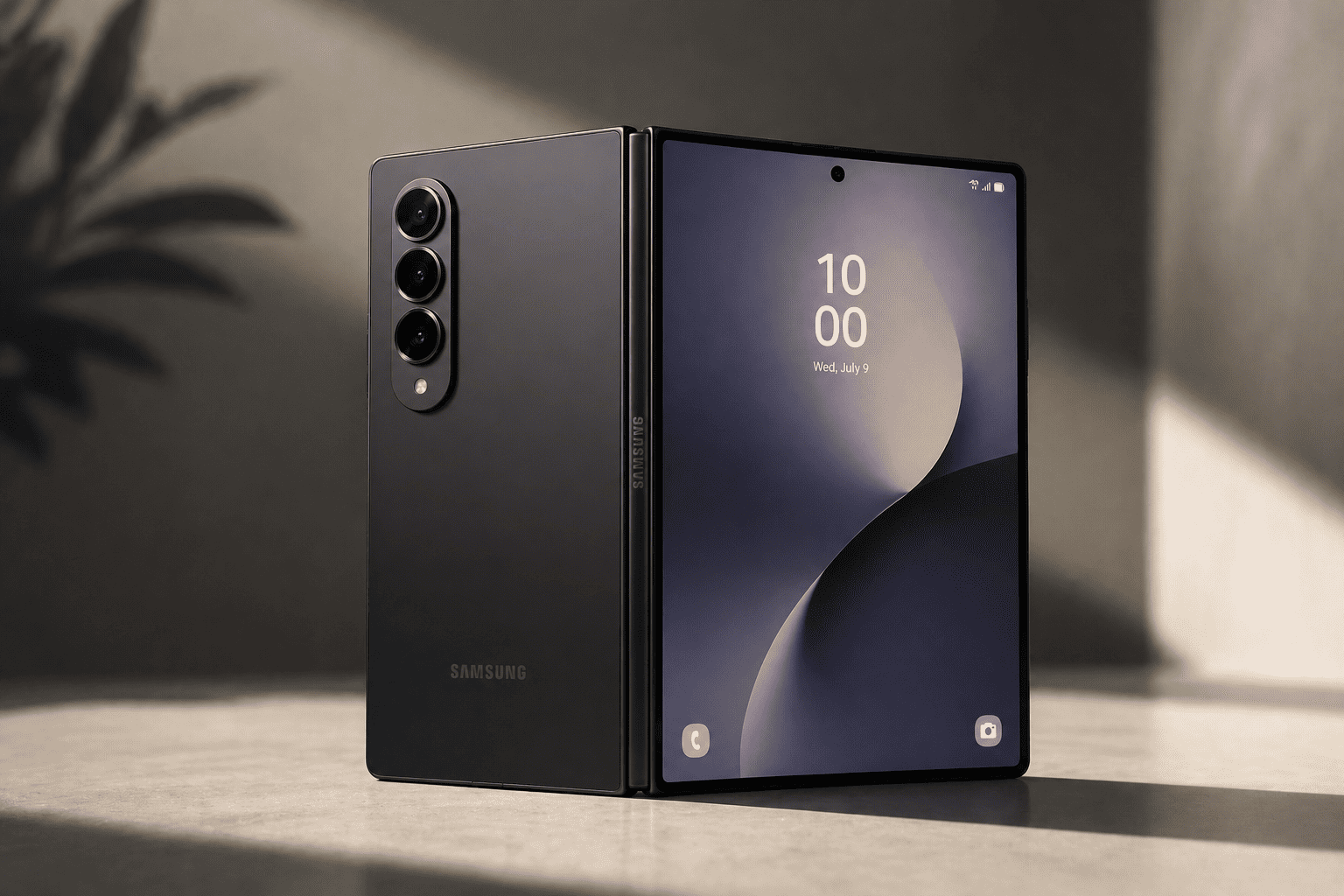
Battery jumped by 600 mAh and that changes your daily rhythm
The Z Fold 8 climbs from 4,400 mAh to 5,000 mAh, the first meaningful battery increase in three generations of Samsung foldables. On the Z Fold 7, users pushing the device hard reported hitting 15-20% battery by 6 PM. At that point, behavior changes. You switch to airplane mode. You dim the display. You close background apps.
| Feature | Galaxy Z Fold 8 | iPhone Ultra Fold |
|---|---|---|
| Launch date | July 22, 2026 | September 2026 |
| Outer display | 6.5-inch OLED | 5.5-inch OLED |
| Inner display | 8-inch OLED | 7.8-inch OLED |
| Aspect ratio (inner) | 20:9 (tall, portrait) | 4:3 (compact, landscape) |
| Battery capacity | 5,000 mAh | 5,400-5,800 mAh (estimated) |
| Charging speed | 45W wired | Not confirmed |
| Main camera setup | 200MP + 50MP + 3x zoom | 48MP + 48MP (no zoom) |
| Hinge technology | Laser-drilled metal plates | Liquid metal + titanium |
| Biometric unlock | Fingerprint sensor | Touch ID side button |
| S Pen support | No | Not confirmed |
| Software | Android 16 + One UI 8 | iOS 27 |
| Starting price | ~$1,300 | $2,000-$2,500 |
The Z Fold 8’s 600 mAh increase, combined with efficiency gains, means you finish the same heavy day at 30-35%. The phone stops dictating your workflow. You do.
Apple’s iPhone Ultra Fold is estimated by Ming-Chi Kuo to carry 5,400-5,800 mAh, larger than Samsung’s, but that arrives two months later. If you need relief now, Samsung’s solution solves it. If you can wait, Apple’s larger capacity plus expected display efficiency might give you an extra 30 minutes per day.
Display aspect ratio shapes how you hold and perceive the device
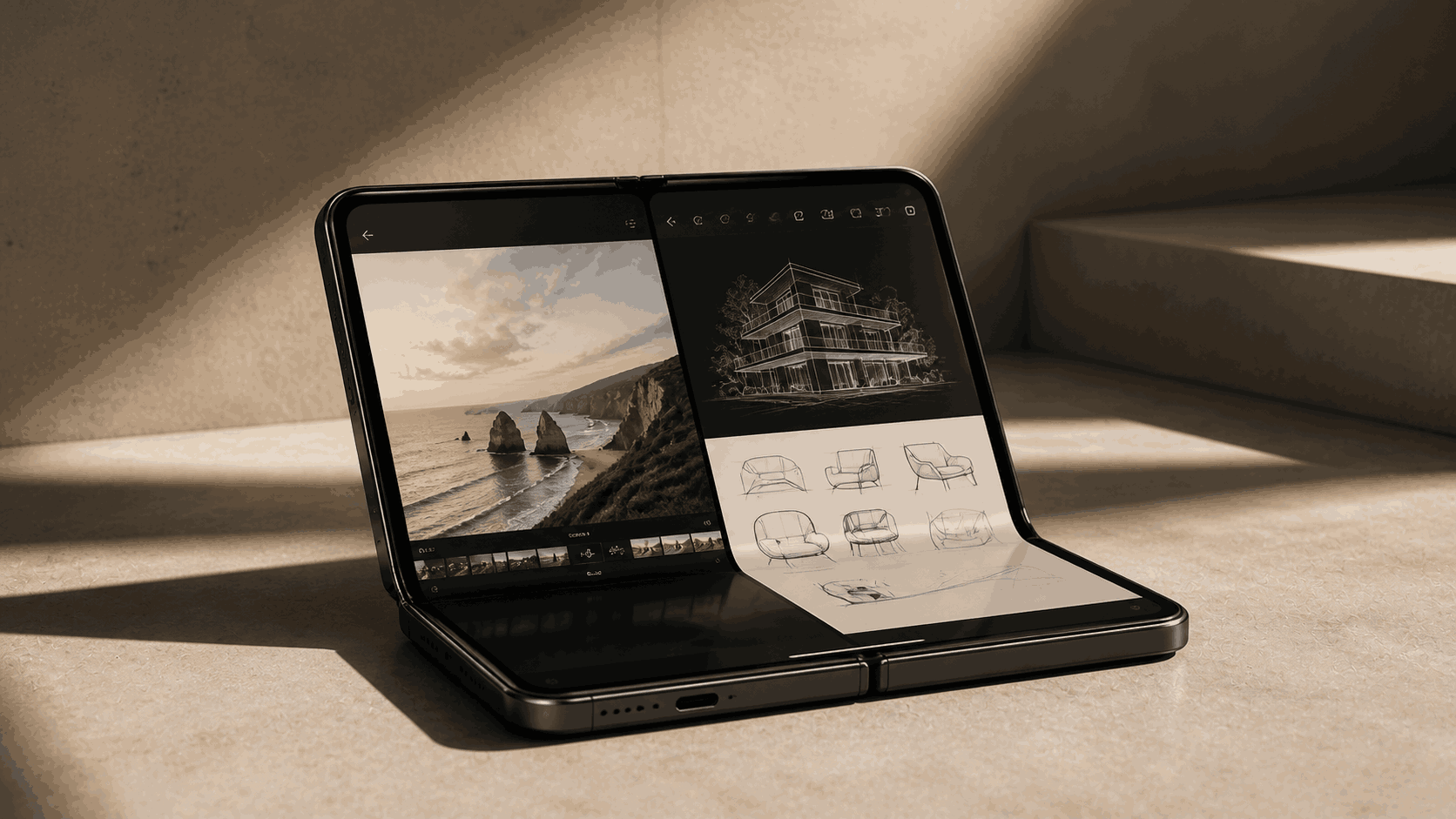
Samsung keeps the Z Fold 8’s cover display at 6.5 inches and inner display at 8 inches in a tall, narrow aspect ratio. When folded, it feels like holding a slightly thick rectangle. When unfolded, you get vertical height—less scrolling when reading articles, but more black bars when watching YouTube in landscape.
Apple is committing to a 4:3 aspect ratio on both the 5.5-inch cover display and 7.8-inch inner screen. This means the iPhone Ultra Fold feels more compact and iPad-like when unfolded. Landscape mode feels natural. YouTube videos fill more of the display. The tradeoff: reading long text articles requires more vertical scrolling.
Day-to-day impact: if you use the foldable primarily for video, email, or social media in landscape, the iPhone’s 4:3 ratio wins. If you’re reading articles, editing documents in portrait, or want the device to feel close to a regular phone when folded, Samsung’s narrow aspect ratio feels more purposeful. Neither is objectively better. Both require adjusting your holding habits.
The crease remains visible on both, but differently
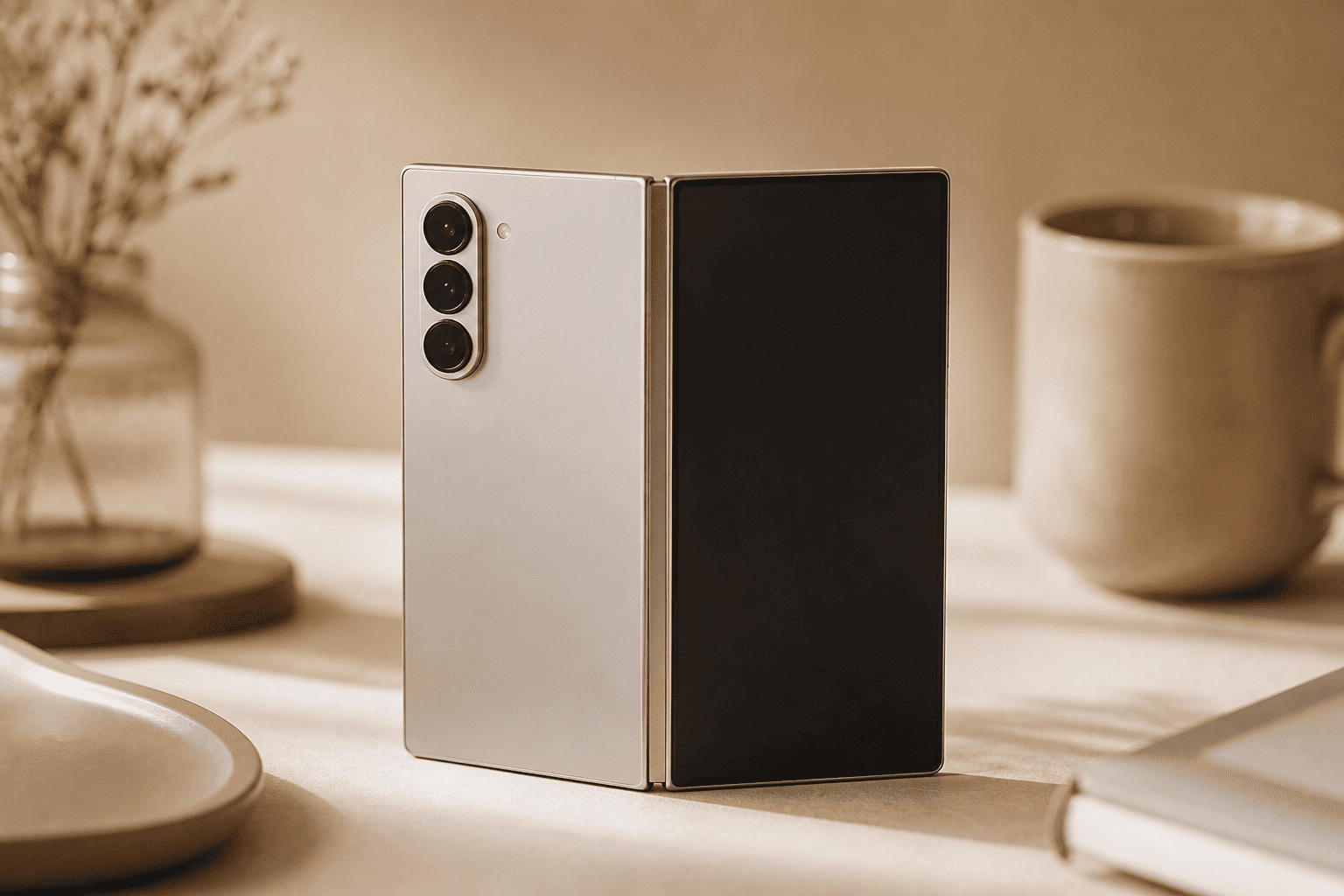
Apple’s marketing will emphasize crease reduction. Reports confirm Apple is testing a liquid metal hinge to reduce creasing. But the crease is not eliminated. Mark Gurman at Bloomberg reported Apple is reducing the crease without eliminating it entirely.
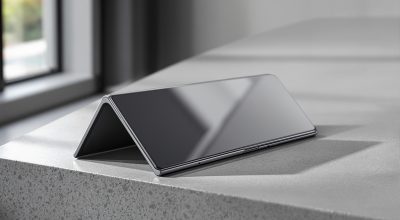
Samsung’s approach: dual Ultra Thin Glass (UTG) with laser-drilled metal support plates reduce the Z Fold 8’s crease visibility by roughly 20% versus the Z Fold 7. Progress, not a solution.
The honest reality: both phones still have a crease. You notice it in bright light, when the display is off, when watching scenes with horizontal lines. With the Z Fold 8, it’s less noticeable than the Z Fold 7. With the iPhone Ultra Fold, it’s likely more imperceptible, but that advantage comes two months later at nearly double the price. Neither “solves” the crease. Both reduce how much it bothers you after a few days of use.
Camera strategy reveals different design priorities
Samsung upgraded the Z Fold 8 with a 200MP main camera, 50MP ultrawide (up from 12MP), and a 3x optical zoom telephoto. The ultrawide jump matters because when unfolded, the ultrawide is the lens you use more often for landscape shots.
Apple’s iPhone Ultra Fold is expected to feature two 48MP cameras with no telephoto lens. A deliberate sacrifice to keep unfolded thickness at 4.5mm. No optical zoom means relying on digital zoom, which requires more light and produces computational artifacts in darker conditions.
Where this matters: you’re traveling with the foldable as your only camera, at a concert pulling in stage details. With the Z Fold 8, you switch to the 3x telephoto and get optical clarity. With the iPhone Ultra Fold, you use digital zoom, which requires good lighting and produces softer detail. Samsung chose versatility. Apple chose thinness.
Missing features matter for specific workflows
Samsung removed S Pen support from the Z Fold 8. If you’ve used the Z Fold 7’s stylus for sketching, handwriting notes, or annotation on the inner screen, this is a genuine downgrade. Samsung eliminated the digitizer layer to save 0.6mm of thickness. You gained thinness. You lost stylus support.
Apple is reportedly using Touch ID on the side button instead of Face ID, a departure from iPhone convention. The upside: you unlock a folded phone without waking the inner screen, saving battery. The downside: if you’ve spent a decade with Face ID on iPhones, Touch ID feels like regression.
Pricing positions these for different audiences
The Z Fold 8 is expected to start around $1,300, flat with the Z Fold 7. Apple’s iPhone Ultra Fold is predicted to start between $2,000 and $2,500 according to analyst Ming-Chi Kuo. That’s not a premium for entering the market late. It signals these are fundamentally different product categories.
Samsung positions the Z Fold 8 as a flagship phone you can fold. It’s a phone first. The inner screen is the feature. Apple positions the iPhone Ultra Fold as a compact device you unfold when you need a large screen. You carry it folded most of the day.
For most users: can the Z Fold 8 replace your phone? Yes. Can the iPhone Ultra Fold replace your phone? Yes, but the design assumes you’re comfortable carrying a folded phone everywhere. If you want a device that feels like a regular phone and also unfolds, Samsung wins. If you want a compact device first and an 8-inch screen second, Apple’s design matches that intent.
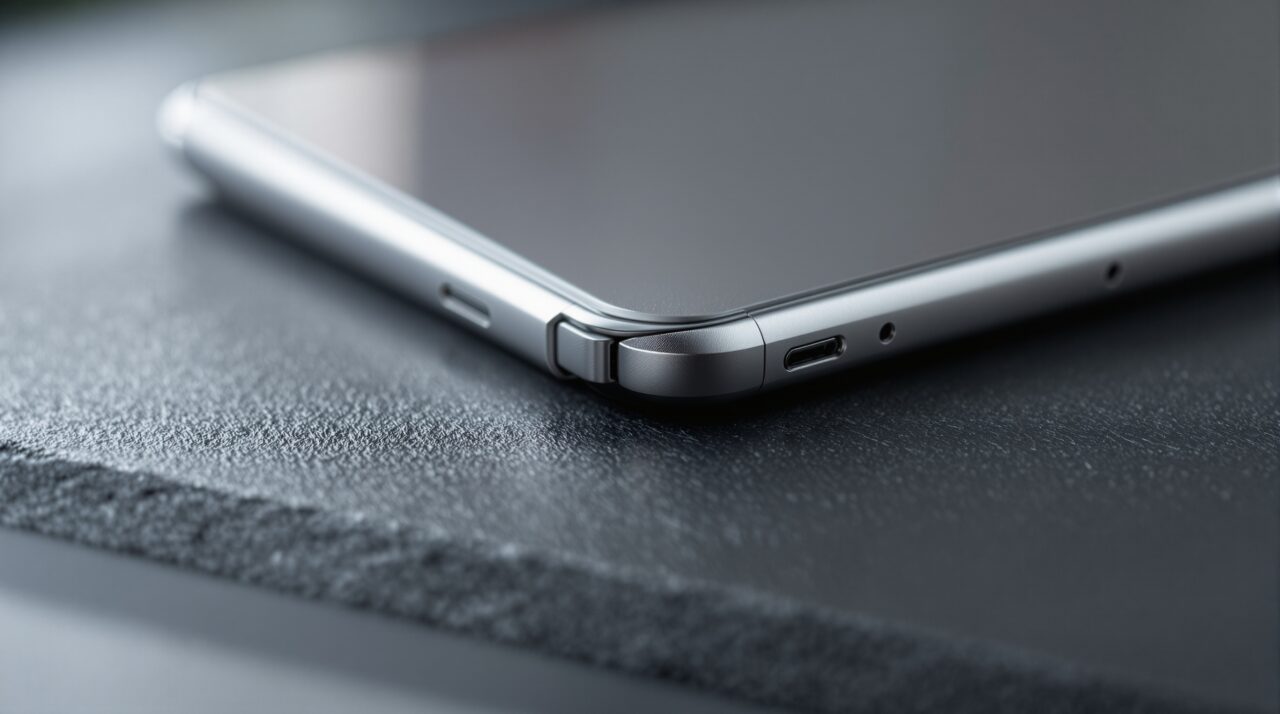
Hinge engineering reveals where patience pays off
Reports indicate Apple is testing titanium and liquid metal with 3D-printed hinge components. Samsung uses laser-drilling metal plate technology to reduce stress on the hinge without adding weight. Different approaches entirely.
Apple is spending more on materials. Samsung is iterating on stress distribution. Samsung has been at this for seven years. Durability complaints still persist—hinge stiffness, irregular folding resistance, long-term reliability concerns.
The durability test won’t happen until both phones are in the field for a year. Neither guarantees no issues. Both claim better solutions. What we know: Apple is betting premium materials prevent failure on first attempt. Samsung is betting stress distribution holds over time.
Software approach diverges too
The iPhone Ultra Fold runs iOS 27, not iPadOS. No Stage Manager. No windowed multitasking. Apps don’t reflow dramatically when you unfold. Instead, iOS 27 intelligently stretches between the 5.5-inch cover display and the 7.8-inch inner screen.
The Z Fold 8 runs Android 16 with One UI 8. Multitasking is mature. You can run two apps side-by-side on the inner screen. You can use the cover screen for notifications while the main screen handles heavy tasks. The software has been refined over seven years of foldable devices.
Where this matters: if you want full iPad-like multitasking on a foldable, Android offers more flexibility. If you want iOS consistency with smart display transitions, Apple’s approach is cleaner. Android is more versatile. iOS is more refined.
Here’s the actual decision framework
If you’re a power user who treats your phone like a pocket computer—editing timelines on the inner screen, running split-screen apps, using external keyboards—the Z Fold 8 is ready now. Don’t wait.
Samsung’s seven years of foldable refinement means the software, the experience, and the reliability are proven. The 5,000 mAh battery is real. The 45W charging is real. The camera improvements matter. This device solves the problem today.
If you’ve spent five years frustrated by creases, worried about hinge failure, or skeptical of Samsung’s thermal management, the iPhone Ultra Fold’s September launch is worth the two-month wait and the $700+ premium.
You’re betting on Apple’s first-generation design being more mature than Samsung’s seventh iteration. The liquid metal hinge, the reduced crease visibility, and the 4:3 aspect ratio might solve problems that have haunted foldable users since 2019.
Samsung plays it safe and plays it proven. Apple is swinging for the fences on a category it’s entering fresh. The Z Fold 8 is the choice for people who want to fold a phone tomorrow. The iPhone Ultra Fold is the choice for people willing to wait and believe Apple got it right on the first try.