Google is rewriting its Play Store terms of service, and the new language says something it has never spelled out this plainly before. Starting July 29, 2026, the terms confirm that the cellular data your phone burns running background updates is your bill to pay, not Google’s. The updated Play Terms of Service add a dedicated section on Google system services and change how early Google can charge your recurring subscriptions.
For anyone on a capped data plan, the practical effect is simple. Your phone can quietly draw down your monthly allowance while sitting untouched in a pocket or on a nightstand, and Google’s own paperwork now confirms that was the design all along.
TL;DR: Google’s updated Play Store terms of service, effective July 29, 2026, spell out for the first time that background system updates, Play services syncing, and Play Store maintenance can use cellular data even with the screen locked, and that any resulting charges are the user’s responsibility. The same update lets Google bill recurring subscriptions up to 48 hours before renewal instead of 24. The changes land months after Google agreed to a $135 million settlement over undisclosed background data use.
What actually changed in Google’s Play Store terms
Google added an entirely new “System Services” section to the Play Terms of Service, the document nearly every Android owner has agreed to without reading closely. It names Google Play Store, Google Play services, and Android operating system updates as the three components covered under that label.
The new text states plainly that these services “often require network connectivity and may use your cellular data,” and that some of that activity “may happen in the background, when you are not directly interacting with your device, including when the device’s screen is locked.” That sentence alone is new. The current terms never described background activity in that much detail.
The financial responsibility language changed too. The current terms only make users responsible for data fees tied to using, installing, or viewing Play content. The updated wording adds fees for background maintenance, meaning charges that occur when a user is not touching the device at all.
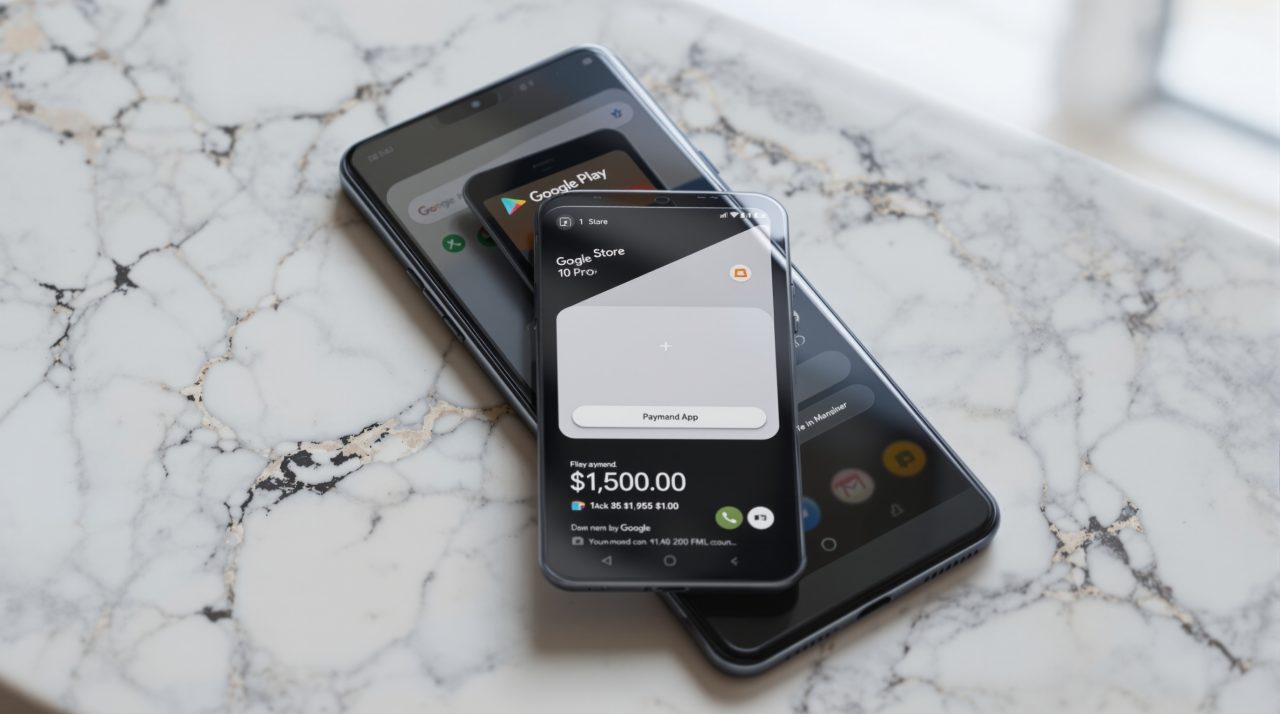
A separate change affects billing timing rather than data. Recurring subscriptions can now be charged up to 48 hours before the next billing period begins, doubling the current 24 hour window.
| Play Terms area | Before July 29, 2026 | After July 29, 2026 |
|---|---|---|
| System Services definition | Mentioned once, undefined | Dedicated section naming Play Store, Play services, and OS updates |
| Background data responsibility | Covers use, installation, and viewing only | Also covers background maintenance and updates |
| Subscription charge window | Up to 24 hours before renewal | Up to 48 hours before renewal |
Why Google is spelling this out now
This update did not appear in isolation. It follows a $135 million settlement in a case known as Taylor v. Google, which centered on claims that Android devices sent cellular data to Google even while idle, without users knowing it was happening.
Google has not admitted wrongdoing, and the company denies the allegations. But it agreed to pay out the fund and, separately, to make its disclosures around background data clearer going forward. Eligible users, meaning most people who used an Android phone on a cellular network in the US between November 12, 2017 and final court approval, can claim up to $100, though the final per-person amount depends on how many people file.
That timing turns a routine legal document into the closest thing Google has published to an acknowledgment that the original complaint had a point. The new terms do not change what your phone does in the background. They just finally say it out loud.
What background data actually covers on your phone
Background data is not one thing. It covers automatic app updates queued in the Play Store, security patches for Google Play services, and full Android operating system updates that download and stage themselves before you ever see a prompt.
A phone left face down on a nightstand overnight can still pull down a multi gigabyte OS update over cellular if its Wi-Fi connection drops or was never configured. Reported via Android Authority, which first detailed the updated terms on July 8, 2026, this scenario used to sit in a legal gray area. It no longer does.
The subscription billing change nobody is talking about
Most coverage of this update has focused on background data, but the subscription timing shift has its own real consequence. Under the current rule, canceling a subscription 30 hours before renewal is safe. Under the new 48 hour window, that same cancellation could land inside the charge period and still get billed.
Google is not the only company that bills early, but doubling the window without much fanfare is the kind of change that shows up as a surprise line item rather than a headline. Anyone who cancels subscriptions close to the renewal date should plan on canceling a day or two earlier than before.
What you can actually check before July 29
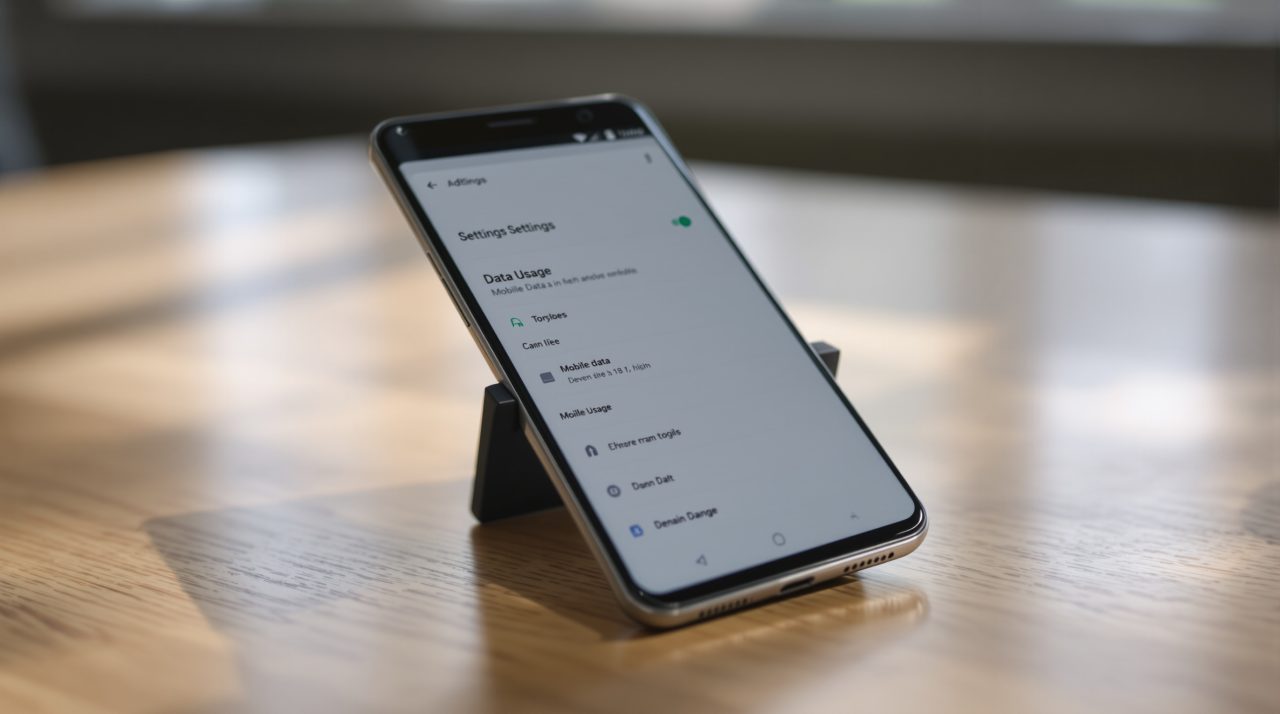
Two settings determine how much of this actually affects you. In Settings, under Network & internet and then Data usage, Android lets you restrict background data for individual apps, including Play Store and Play services, so those processes only run on Wi-Fi.
The Play Store app itself has a separate setting under Network preferences that controls whether app updates download over any network or Wi-Fi only. Switching that to Wi-Fi only stops the biggest source of background cellular use without turning off updates entirely.
For anyone who wants tighter control over specific apps rather than just Play Store traffic, it is also possible to block internet access for specific apps directly from the same data usage menu. None of this requires waiting for July 29. The settings already exist. What changed is that Google’s own terms now admit why they matter.