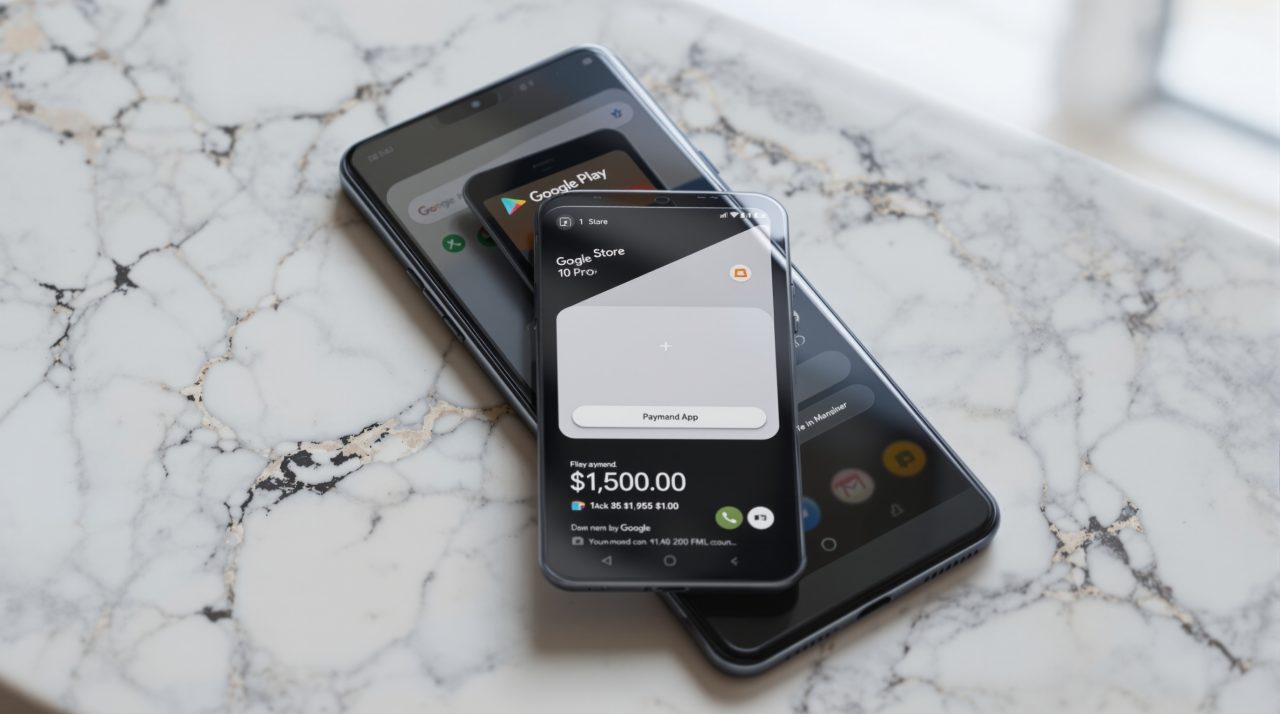
Google Play external billing went live today in the US, UK, and Europe, the first time Android developers can route payments outside of Google’s own system while still distributing their apps through the Play Store.
The change also drops Google’s base service fee from 30% to 10% for a developer’s first million dollars in annual earnings, a cut that could translate into lower app prices over time, though that part depends entirely on the developer.
TL;DR: Google Play now allows external billing and lowers its base fee to 10% on a developer’s first $1M in earnings, down from the 30% standard cut. The change is live in the US, UK, and European Economic Area. Whether you actually pay less for apps depends on whether developers choose to pass the savings on.
How Google Play external billing changes what developers pay
Google’s old flat 30% cut was replaced by a layered system that depends on how much a developer earns, how long a user has had the app installed, and whether the payment runs through Google’s own checkout or an alternative system.
Base service fee starts at 10% on the first $1 million in annual earnings, regardless of billing method. That applies to Google Play Billing, an alternate built-in system, or an external link that sends the user outside the app to complete the purchase. After the first million, the rate climbs. New in-app purchases from users who installed after June 30 are charged at 20%, while auto-renewing subscriptions stay at 10% regardless of install timing.
One additional layer matters for developers choosing their payment path. If a transaction runs through Google Play Billing, Google adds a 5% processing fee on top of the base rate. External billing and external links avoid that surcharge entirely. For a developer earning under $1 million annually and using external billing, the total platform cost is 10% with no processing fee attached.
| Billing Method | Rate on First $1M/Year | Rate Over $1M (New Installs) | Auto-Renewing Subscriptions |
|---|---|---|---|
| External billing or external link | 10% | 20% | 10% |
| Google Play Billing | 15% (10% + 5% processing) | 25% (20% + 5% processing) | 15% (10% + 5% processing) |
Google has also announced additional fee reductions for developers who qualify for its Level Up and Apps Experience programs, which reward high app quality, low crash rates, and support for Android’s newer hardware such as foldables and tablets. Those discounts kick in from September.
Why this fee change happened
Google did not redesign this fee structure voluntarily. The change follows a years-long legal dispute with Epic Games, which argued that Google’s control over Play Store billing and its 30% commission locked developers into a payment system on anticompetitive terms. That case settled earlier this year, with Google agreeing to open the Play Store to alternative billing methods in major markets.
What the settlement delivered is a fee structure that for the first time lets a developer list an Android app on Play and charge users through a completely separate system, whether that is a third-party payment processor or a direct link to the developer’s own website. The policy launches first in markets where regulatory pressure was strongest: the US, UK, and European Economic Area.
The June 2026 Pixel Drop and Android 17 both landed earlier this month alongside a broader push from Google to position Android as a more open platform. The Play Store billing change is one of the more concrete policy shifts in that direction, and it is backed by a court order rather than a press release.
Whether app prices will actually drop
The honest answer is that many developers will not reduce prices at all, and the ones who do will take time to get there.
For smaller developers and indie studios, the savings are meaningful. A developer earning $500,000 annually now pays $50,000 in platform fees instead of $150,000. Some of that saving could appear as a lower subscription tier or a one-time price cut. The ongoing smartphone pricing pressures that have made users more sensitive to subscription costs could push some developers to act on it sooner rather than later.
For larger apps and games with earnings well above $1 million, the picture is more complicated. The 20% rate on new installs above the threshold is lower than 30%, but managing two billing systems adds operational complexity.
Payment processor fees, redirect friction, and the risk of losing users who do not want to leave the app to complete a purchase all factor in. Some apps will stay with Google Play Billing and absorb the processing fee rather than introduce the added overhead.
That said, the option now exists where it did not before. If you have ever noticed a subscription renewing at a price that crept upward with no obvious reason, developers now have a lower-cost path they can choose to use. Whether they do is their call, and it will likely play out differently across each app category over the next several months.
When the rest of the world gets access
Australia gains access to external billing on September 30. Japan and South Korea follow on December 31. The rest of the world transitions in September 2027, with Google saying it will announce fee details for those markets separately.
Developers in the Level Up and Apps Experience programs will also see their additional fee reductions begin in September. These programs have existed for some time, but the incentives now attach to a fee structure that already starts lower, meaning the combined savings for a qualifying developer are more meaningful than they would have been under the old 30% baseline.
What your Play Store experience actually looks like from here
The practical change for most users is invisible today. The Play Store interface does not change. You will not see a notification telling you a specific app switched to external billing. What you might notice over the next several months is a handful of apps adding an external checkout option at a lower price, or adjusting subscription tiers without a formal announcement.
The change also does not lock anything in either direction. Developers can use different billing methods per transaction, and nothing about external billing prevents an app from continuing to offer Google Play Billing alongside it. The platform just became more flexible, and how that resolves into real prices is something the next few update cycles will start to make clear.