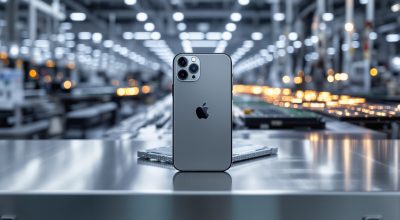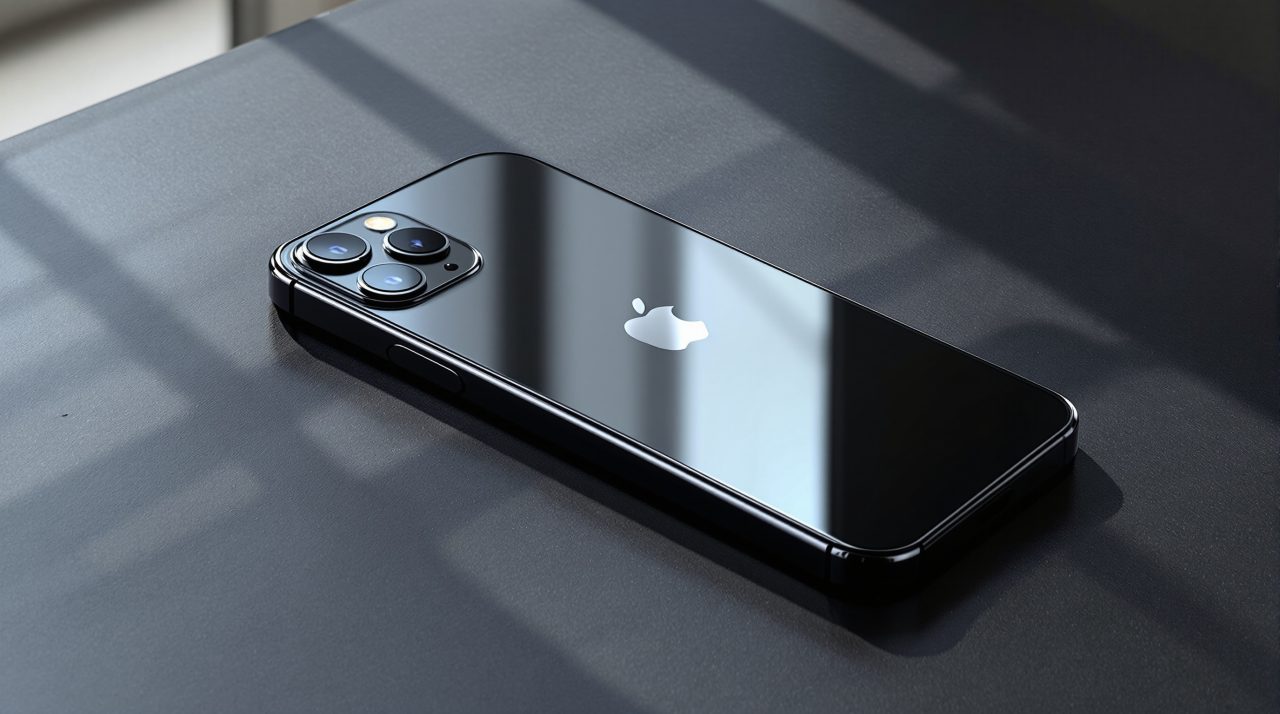
Apple’s iPhone 18 Pro is heading into a significant price increase this September, and the driving force has nothing to do with a redesign. A global shortage of mobile memory chips, pushed to record prices by AI data center demand, has tripled the cost of the DRAM Apple puts in every Pro iPhone.
Apple already raised prices on its entire Mac and iPad lineup on June 25, by $100 to $500 depending on the model. CEO Tim Cook described the situation as a “hundred year flood.” The iPhone was not part of that first round. Multiple supply chain sources say it will be.
TL;DR: Three Chinese leakers with verified Apple supply chain access say the iPhone 18 Pro will not launch at $1,099. DRAM costs for the Pro model are projected to triple year over year, and a pricier camera system adds further pressure. Estimates put the starting price at $1,220 to $1,399. The iPhone Ultra (foldable) is expected above $2,000, with some projections reaching $2,500.
Why the iPhone 18 Pro cannot stay at its current price
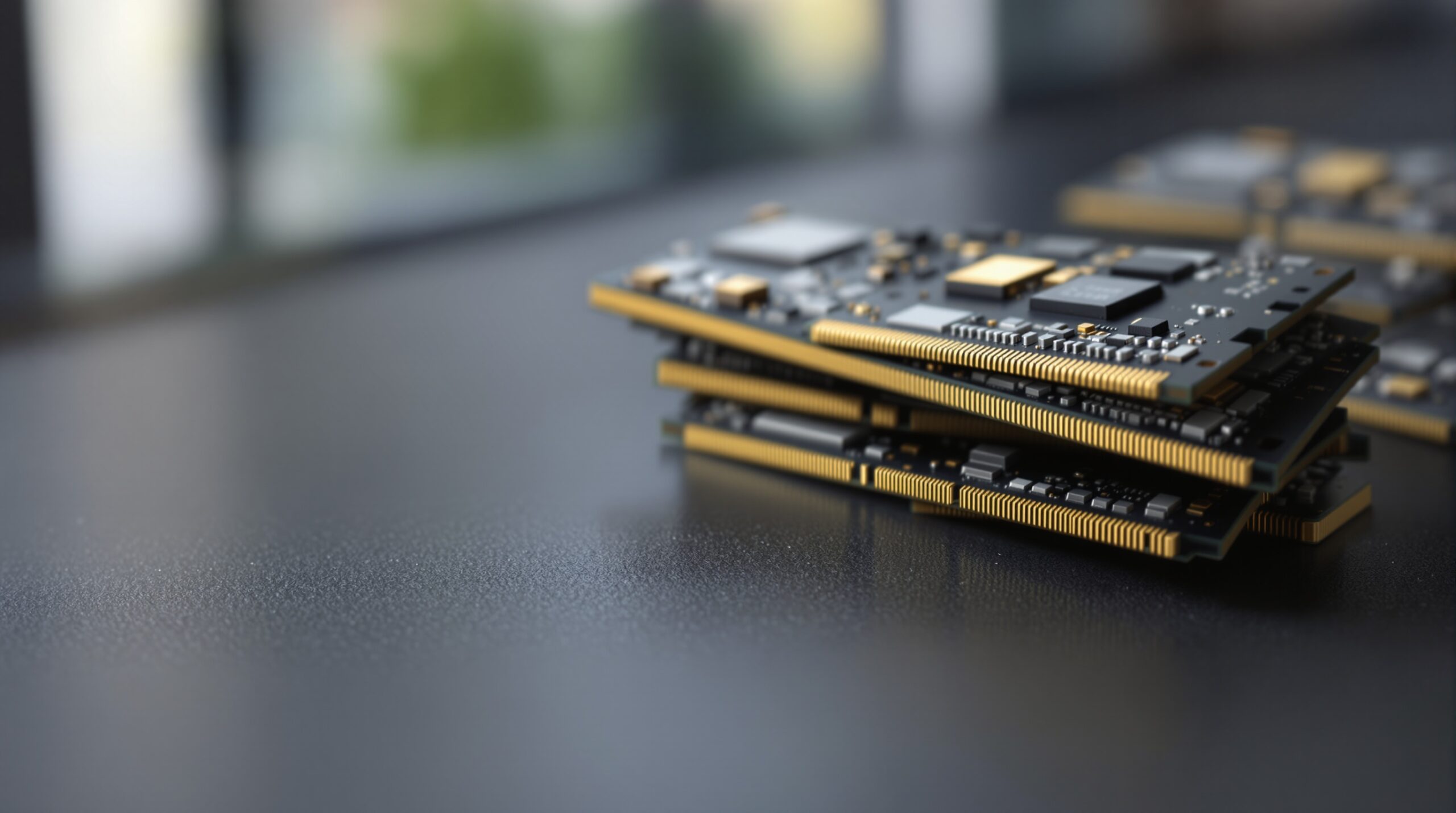
The memory chip situation is the root cause. Research firm TechInsights estimates the 12GB LPDDR5X DRAM package inside an iPhone 17 Pro cost Apple roughly $39. The same component in the iPhone 18 Pro is projected to cost $145, driven by AI data centers competing for the same mobile RAM supply that smartphone manufacturers depend on, at profit margins handset makers cannot match.
Beyond memory costs, the variable aperture camera system landing in the iPhone 18 Pro adds further pressure. Analyst Ming-Chi Kuo has reported the new camera assembly costs Apple roughly 50% more than the equivalent system in the iPhone 17 Pro. Combined, TechInsights estimates the iPhone 18 Pro’s total bill of materials has risen to approximately $726, up from around $582 for the current model.
Apple historically absorbed component cost swings rather than passing them on. That approach ran out of runway this year.
On June 25, Apple raised prices across its entire Mac and iPad lineup for the first time in years. Tim Cook confirmed the increases were unavoidable. The iPhone was not part of that round. Apple typically holds iPhone pricing until the September announcement.
| Model | Current US Price | Estimated iPhone 18 Price | Source |
|---|---|---|---|
| iPhone 18 Pro (base) | $1,099 | $1,220 to $1,399 | Digital Chat Station, Instant Digital, Wall Street Journal |
| iPhone 18 Pro Max (base) | $1,199 | $1,300 to $1,400 | Instant Digital |
| iPhone Ultra (foldable) | New product | Above $2,000 | Mark Gurman, Ming-Chi Kuo |
What the leakers are saying about the actual numbers
Three Weibo leakers with direct Apple supply chain access all pointed to higher iPhone 18 Pro pricing in the past week, and their estimates are clustering around the same range. That kind of independent convergence on a specific price band is unusual for Apple hardware.
Fixed Focus Digital stated that the iPhone 18 Pro models “will definitely see a price hike,” adding that the foldable model could be 10% to 20% above earlier projections. That would push even the most conservative foldable estimates well past $2,200.
Digital Chat Station predicted Apple would shift the iPhone 18 Pro’s Chinese starting price from 8,999 yuan to 9,999 yuan. Applied proportionally to the iPhone 17 Pro’s $1,099 US price, that puts the iPhone 18 Pro at roughly $1,220 in the US.
Instant Digital went further, suggesting the iPhone 18 Pro Max could open at 10,999 to 11,499 yuan in China, which translates to roughly $1,300 to $1,400 in the US. That is $100 to $200 more than the current $1,199 Pro Max.
Mark Gurman at Bloomberg has reported the iPhone Ultra is expected to “cross the $2,000 threshold” in the US. Ming-Chi Kuo has said it will not launch below $2,000 and could reach $2,500 in higher storage configurations.
Apple has not confirmed prices for September. These are supply chain estimates, not announcements. The part worth noting is that independent sources working from different parts of the supply chain are arriving at the same general range. The question is whether Apple has any way to change that math before September.
Apple’s attempt at a memory workaround probably will not change the math
Apple has been lobbying the Trump administration for a waiver allowing it to source DRAM from CXMT, a Chinese memory manufacturer currently on the Pentagon’s blacklist. Reuters and the Financial Times both reported the request in late June. The logic is simple: CXMT would give Apple another supplier outside the SK Hynix, Samsung, and Micron chain that has become so constrained.
Korean analysts at Korea Investment and Securities published a skeptical note on June 29. Their assessment: even if Washington grants the waiver, Beijing is likely to redirect CXMT’s output toward domestic Chinese companies facing their own severe memory shortage. CXMT lacks the production capacity to serve Chinese domestic demand and an Apple contract simultaneously.
Getting the waiver does not guarantee getting the chips. Apple’s underlying supply problem stays the same regardless of which governments are involved.

How to think about your upgrade timing this fall
The iPhone 18 Pro price increase is still based on supply chain estimates. Apple has not confirmed anything. Whatever the number turns out to be, the first iPhone price hike in years is coming in September.
If you are coming from an iPhone 15 Pro or older, the iPhone 18 Pro Max upgrade case and iOS 27’s full AI feature set represent a meaningful hardware step regardless of what Apple charges. If you are on an iPhone 17 Pro, paying $100 to $200 more for a device that looks nearly identical on the outside is a harder sell. Carrier trade-in credits will matter more than they have in recent upgrade cycles.
The memory market that pushed Apple into this corner is not showing signs of reversal. Whatever Apple charges in September will likely feel like the floor, not the ceiling, for the generation that follows.