Android 17 stable is expected to arrive on Pixel devices within days. Google released Android 17 Beta 4.1 on June 1, a minor bug fix update described as the last patch before stable. Based on the cadence of Android 16, which went stable on June 10, 2025, it is projected that the Android 17 stable release in the same mid-June window this year. Google has not announced a specific date.
The development signals are as clear as they get short of an official post: the beta cycle is complete, platform stability was locked in March, and the last known issue fixes shipped last week. What matters now is understanding which Pixel gets what, because the experience varies significantly by device.
TL;DR: Android 17 stable is expected on Pixel devices in mid-June 2026, timed near the one-year mark since Android 16’s launch. Pixel 10 owners see Gemini Intelligence go live for the first time, including Create My Widget, Rambler, and multi-step app automation. Pixel 9 and older receive the platform update with app bubbles, new privacy controls, and the Contacts Picker, but Gemini Intelligence requires Gemini Nano v3, which those devices do not support. Samsung, OnePlus, and Xiaomi follow in Q3 and Q4 2026.
Why stable is this close
The Android 17 development timeline has been unusually disciplined. Google declared platform stability with Beta 3 on March 26, 2026, locking the API surface and blocking major feature additions from that point forward. Beta 4 arrived April 16 as the last scheduled beta of the cycle.
Beta 4.1 on June 1 resolved two specific bugs: a status bar display error and a mobile data icon sync issue in Airplane mode. No further betas are planned.
Google’s only official timing statement came from the May 12 Android Show keynote: Android 17 would roll out to Pixel devices first “this summer.”
The mid-June projection is an inference from Android 16’s exact launch date of June 10, 2025, applied to the same development milestone pattern Google has followed. It is a projection, not a confirmed date. The gap between now and stable is measured in days if that pattern holds.
What Pixel 10 owners get when Android 17 lands
For Pixel 10, Pixel 10 Pro, Pixel 10 Pro XL, and Pixel 10 Pro Fold owners, the stable release is the moment Gemini Intelligence becomes available for the first time.
The feature requires three things: Gemini Nano v3, a flagship-class chipset, and at least 12GB of RAM. All four Pixel 10 models meet those requirements. Galaxy S26 also qualifies, but Samsung’s Gemini Intelligence integration arrives in a phased rollout rather than on day one of Android 17 stable.
What goes live on Pixel 10 at stable: Create My Widget, which generates a working home screen widget from a plain language description; Rambler, a Gboard mode that converts mixed-language voice input into clean text; multi-step app automation, where a single instruction can trigger a chain of actions across apps.
And Magic Cue Pro, an updated version of the contextual background AI that first appeared on the Pixel 10 at launch. These features were confirmed at The Android Show on May 12 and are specifically tied to the Gemini Nano v3 on-device model.
What Pixel 9 and older get from this update
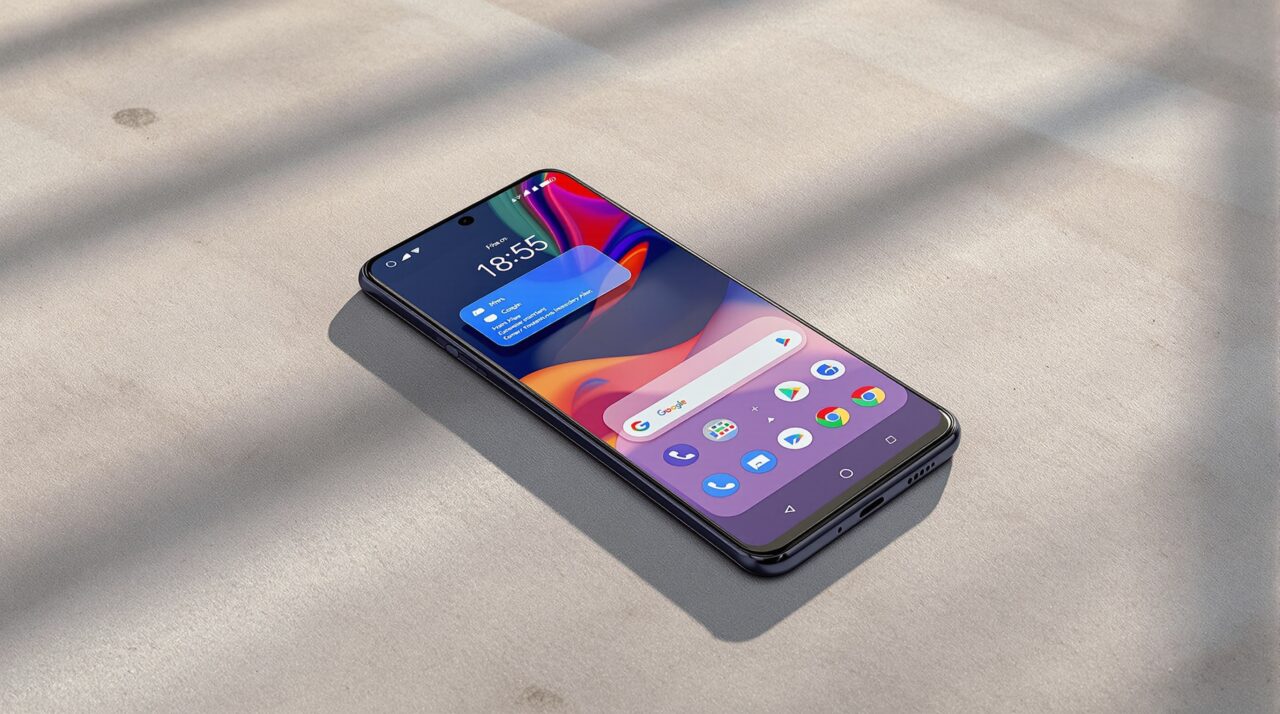
For every Pixel from the 6 through the 9 series, Android 17 stable arrives as a platform update. The features are real and include meaningful improvements. Gemini Intelligence is not among them, and there is no workaround for that gap at the software level.
| Device | Android 17 | Gemini Intelligence | App bubbles | Contacts Picker |
|---|---|---|---|---|
| Pixel 10 series | Yes | Yes | Yes | Yes |
| Pixel 9 series | Yes | No | Yes | Yes |
| Pixel 8 series | Yes | No | Yes | Yes |
| Pixel 6 and 7 | Yes | No | Yes | Yes |
| Pixel 5 and older | No | No | No | No |
What Pixel 9 and older get with stable: app bubbles, which float any app as an overlay via a long press on its launcher icon; the new Contacts Picker, which gives apps access to specific contacts rather than your full list; tighter privacy defaults on background location and sensor access; and the dedicated Gemini volume slider introduced in the beta.
Gemini as a conversational assistant remains available through cloud processing on all these devices, unchanged from before. Only the on-device Gemini Intelligence automation requires Nano v3, and those devices run Nano v2. For the full Pixel Gemini Intelligence eligibility breakdown, including exactly which devices qualify and which do not, that piece covers the hardware requirements in detail.
When Samsung and other OEMs follow
Samsung’s Android 17 build ships as One UI 9. Based on past cycles, Galaxy S24, S25, and S26 devices are expected to begin receiving One UI 9 in Q3 2026. Galaxy S26 is a special case: it already runs Android 17 at launch, so the update is a feature enablement push rather than an OS version change.
Samsung confirmed Gemini Intelligence will arrive on Galaxy S26 in a phased rollout shortly after the Pixel 10 stable release, not simultaneously on day one.
OnePlus is targeting OxygenOS 17 stable in early Q4 2026 starting with the OnePlus 15. Xiaomi’s HyperOS 4, the Android 17-based build, is expected from late Q4 2026 through 2027 across the Xiaomi, Redmi, and POCO device families. Motorola and Nokia have not published specific timelines but are expected to follow the OEM pattern of Q3 to Q4 2026 starts for flagship devices.
One thing worth checking before you update
If you are currently enrolled in the Android 17 beta, the stable build arrives as a standard OTA update. No manual beta opt-out is required, though Google recommends it if you want a clean stable install without any beta state artifacts.
If you are not on the beta, the update appears in Settings under System, then System update, once the rollout begins. Google stages updates across device pools over several days rather than pushing to every device simultaneously, so a manual check in the System update panel will typically trigger the download before a passive push does.
One compatibility note for Pixel 9 owners running apps that interact with Gemini: Android 17 changes how Gemini volume is controlled with a dedicated slider separate from media and ringtone volumes. If Gemini’s response volume has ever caught you off guard, the Android 17 confirmed feature list covers the audio and multitasking changes that arrive with stable.