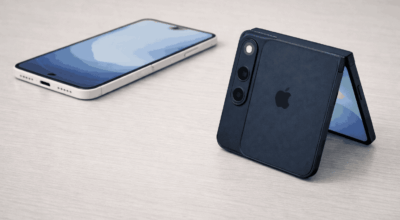
Every iPhone since the iPhone X in 2017 has used Face ID. The iPhone Fold Ultra ends that run, and dummy unit images shared by leaker Sonny Dickson on X on June 7, 2026, make the design decision visible.
The iPhone Fold Ultra uses Touch ID embedded in the side power button, with no Face ID sensor stack on either display. The reason is not a manufacturing preference or a cost trade-off. The reason is the 4.5mm unfolded chassis that Apple spent years engineering this device around.
TL;DR: The iPhone Fold Ultra returns to Touch ID on the power button, ending Face ID’s run on iPhone flagships for this form factor. Dummy unit images from Sonny Dickson on June 7, 2026, confirm the design. The engineering reason is the 4.5mm unfolded chassis, which cannot physically house Face ID’s flood illuminator, dot projector, and infrared camera stack at the required depth. Touch ID on the power button has appeared on iPad Air and iPhone SE. This is its first appearance on an iPhone flagship since 2016. The Fold Ultra is expected alongside the iPhone 18 Pro in September 2026.
What the dummy units show
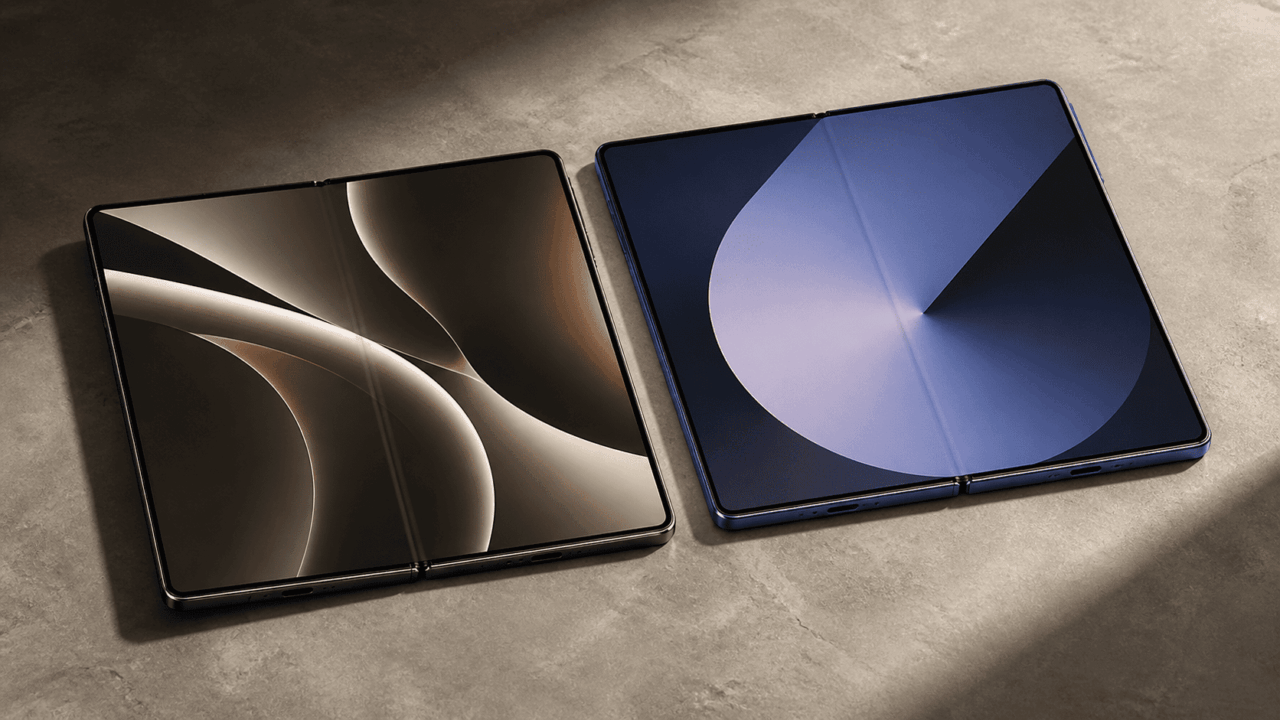
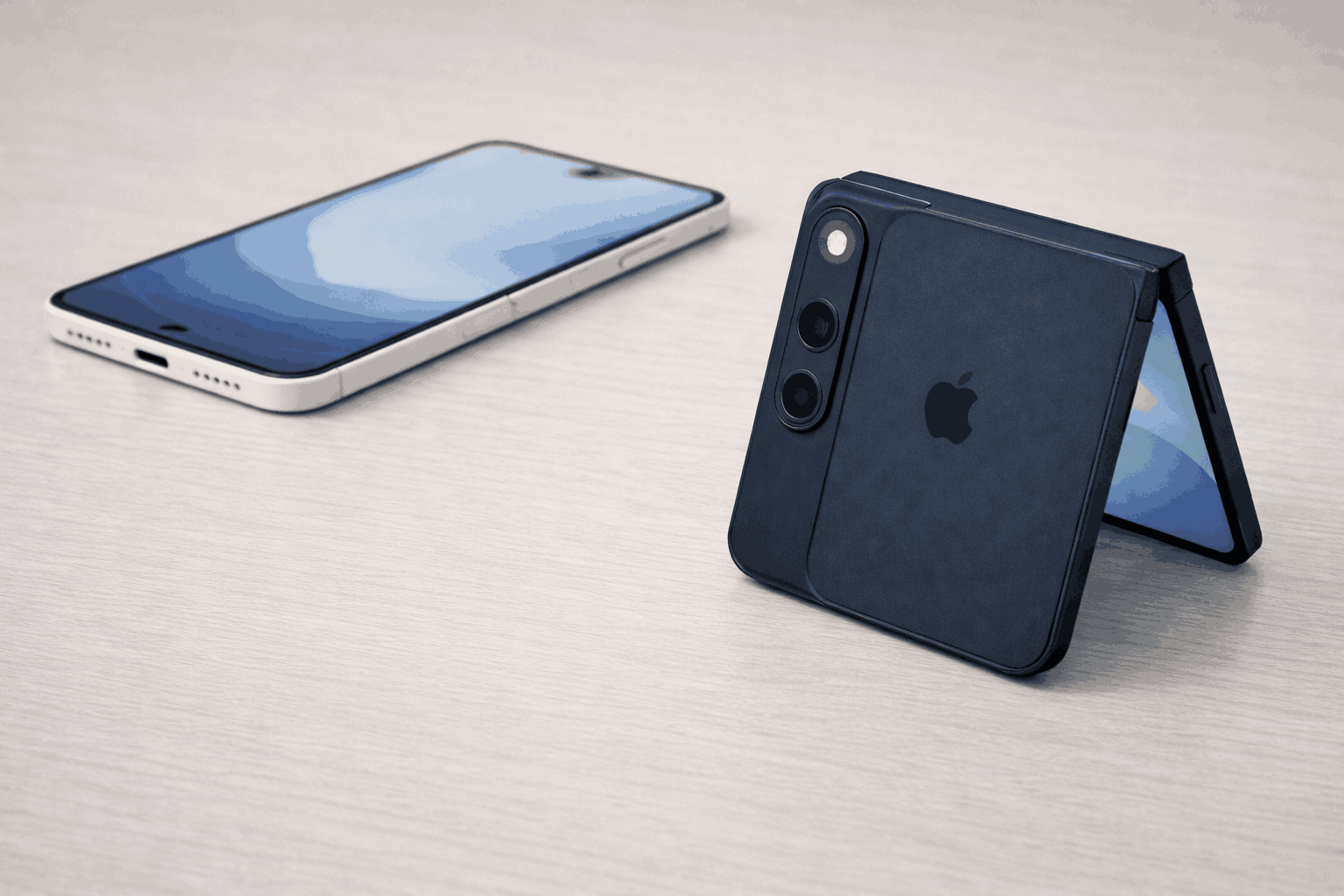
Sonny Dickson posted images of the iPhone Fold dummy units on June 7, 2026, the day before WWDC 2026 opened. The images show a book-style foldable with a 7.8-inch inner display and a 5.5-inch outer screen.
The closed form factor is wider and shorter than any current iPhone, closer in proportion to a passport than a standard phone. Volume buttons sit at the top edge in iPad orientation, a layout that supply chain reports have consistently attributed to the wider body requiring a different ergonomic approach.
The side power button is present without a Face ID sensor cutout on either display surface. No flood illuminator housing and no dot projector aperture are visible anywhere on the device. Dickson’s post noted white currently appears to be the only launch color option, a detail that could shift before September but marks a narrower debut colorway than any recent iPhone product line.
The depth problem Face ID cannot clear
Face ID depends on three sensors operating together: a flood illuminator that confirms a face is in frame, a dot projector that casts 30,000 infrared points onto the face to build a depth map, and an infrared camera that reads the pattern.
The combined sensor stack requires approximately 3.5 to 4mm of depth behind the display to function correctly. On a standard iPhone with a chassis 8mm thick or more, this depth is straightforward to accommodate. On a device that unfolds to 4.5mm, it is not.
The 4.5mm unfolded thickness of the iPhone Fold Ultra was confirmed by Korean supply chain leaker yeux1122 on Naver in earlier supply chain reports.
That figure is thinner than the current iPad Pro, thinner than any iPhone, and meaningfully thinner than any commercial foldable currently shipping. Apple reached it through a titanium frame, a liquid metal hinge, and a display assembly engineered to minimize crease depth. What it left no physical room for is the sensor depth Face ID requires.
How Touch ID on the power button works in practice
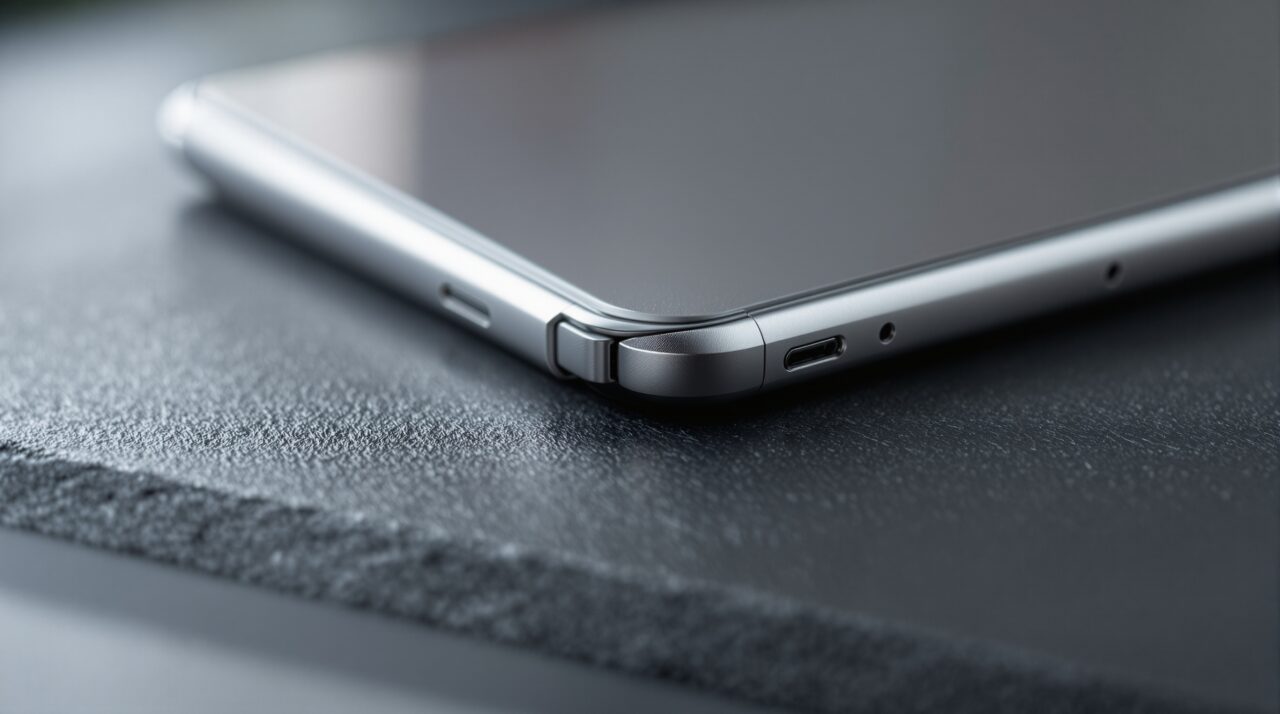
Touch ID on the power button is not a return to the slow capacitive reader on the original iPhone home button. The version integrated into the iPad Air from the 4th generation onward and the iPhone SE 3rd generation is fast, works in most lighting conditions and temperatures, and reads the fingerprint in the same press-and-hold motion as waking the device. It does not require a separate step.
The practical difference from Face ID is contact. Face ID unlocks an iPhone while it rests on a table, without you touching it. Face ID processes in the background as you reach for the phone.
Touch ID requires physical contact with the power button, which means the device needs to be in hand or within a finger’s reach. For a foldable that unfolds into use, that contact requirement is present regardless: you are already holding the phone when you decide to open it. The form factor makes the limitation less consequential than it would be on a standard iPhone sitting on a desk.
What this means if Face ID is your current habit
If you currently unlock your iPhone 17 Pro while it is on your desk by glancing at it, that habit changes on the Fold Ultra. If you rely on Face ID at a payment terminal or entry gate while your hands are occupied, that also changes. The adjustment is real and worth factoring into a purchase at a price point above $2,000.
The trade Apple made is thinness. A 4.5mm unfolded profile is a genuine engineering achievement that no competitor has reached, and the engineering decisions that produced it are interconnected: the liquid metal hinge, the thinner display assembly, and the absence of a Face ID stack all point toward the same priority.
The full hardware trade-off picture on the Fold Ultra, including the camera compromise and what the chassis thickness required Apple to leave out, covers the broader set of decisions Apple made to reach this design.