TL;DR
- Samsung is holding Galaxy Unpacked on July 22 in London, confirmed by FCC certification filings for the Z Fold 8, Z Flip 8, and Watch 9.
- The Galaxy Z Fold 8 Wide uses a 7.6-inch 4:3 inner display, a form factor Samsung has never shipped before, with production targets matching the standard Fold 8 Ultra.
- The standard Galaxy Z Fold 8 Ultra starts at $1,999, the same base price as the Fold 7, though 512GB and 1TB configurations are expected to cost more.
- Memory prices rose 89% quarter-over-quarter in Q2 2026, driven by AI data center demand diverting semiconductor wafer capacity away from consumer DRAM.
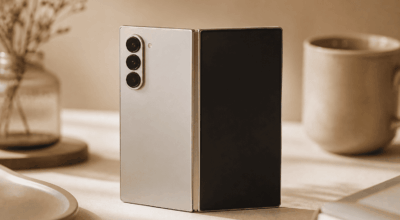
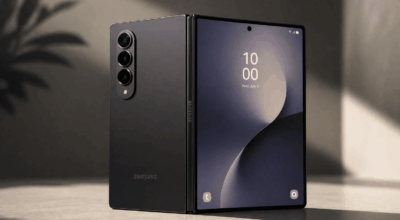
Samsung is introducing a second book-style foldable this year that uses a completely different shape, and the decision to give it a full production run rather than a limited launch tells you how much Samsung is betting on it. The Galaxy Z Fold 8 Wide, set to debut at Galaxy Unpacked in London on July 22, unfolds into a 7.6-inch display with a 4:3 aspect ratio.
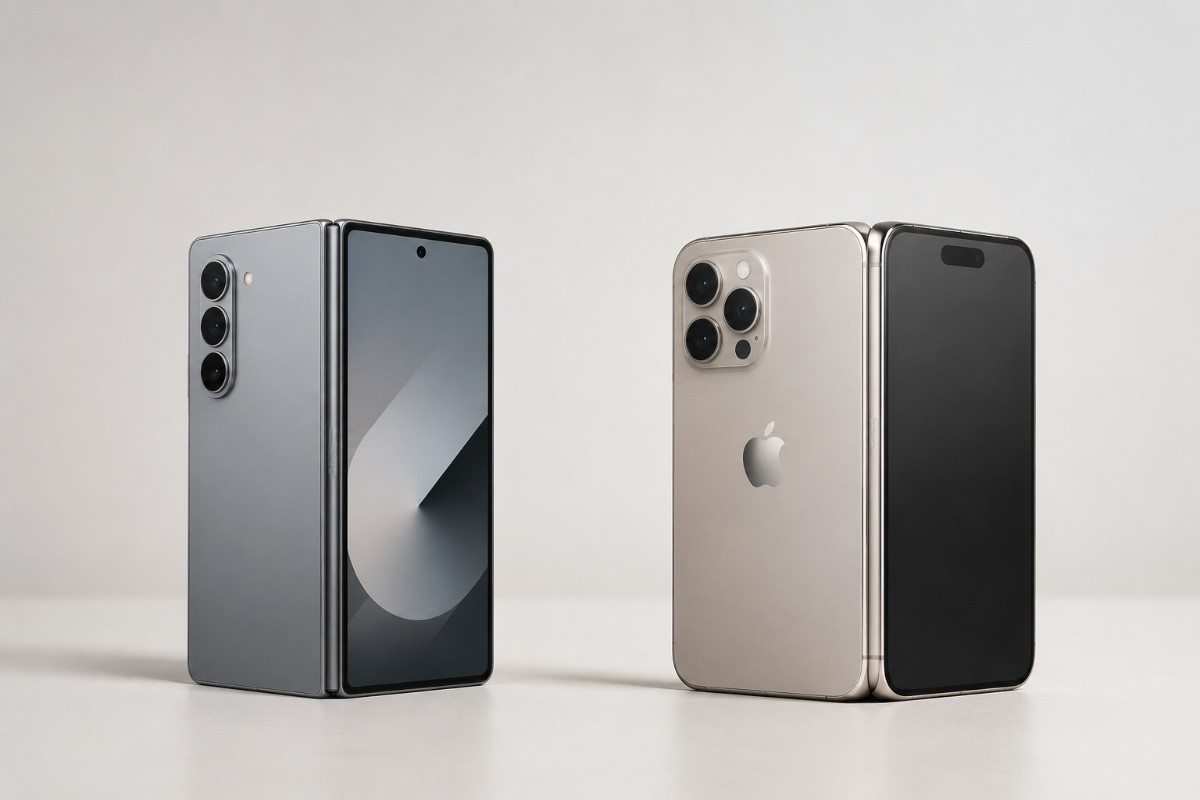
Every book-style Galaxy Fold since 2019 has used a tall, narrow inner screen that defaulted to portrait orientation and never quite delivered the tablet experience Samsung promised. The Wide changes that geometry from the ground up, and Samsung appears to have timed the launch deliberately against what Apple is expected to announce in September.
The 4:3 display solves the problem foldables have always created
Hold a Galaxy Z Fold 7 open and you are holding something closer to a stretched phone than a small tablet. The tall, narrow inner screen forces apps into portrait format and makes landscape video feel like an afterthought. Web pages reflow into a single narrow column.
The crease runs top to bottom and catches the light every time the viewing angle shifts. None of these problems are unique to Samsung. Every book-style foldable currently shipping from any manufacturer shares the same portrait-first geometry because the original Galaxy Fold set that template in 2019 and the category followed it.
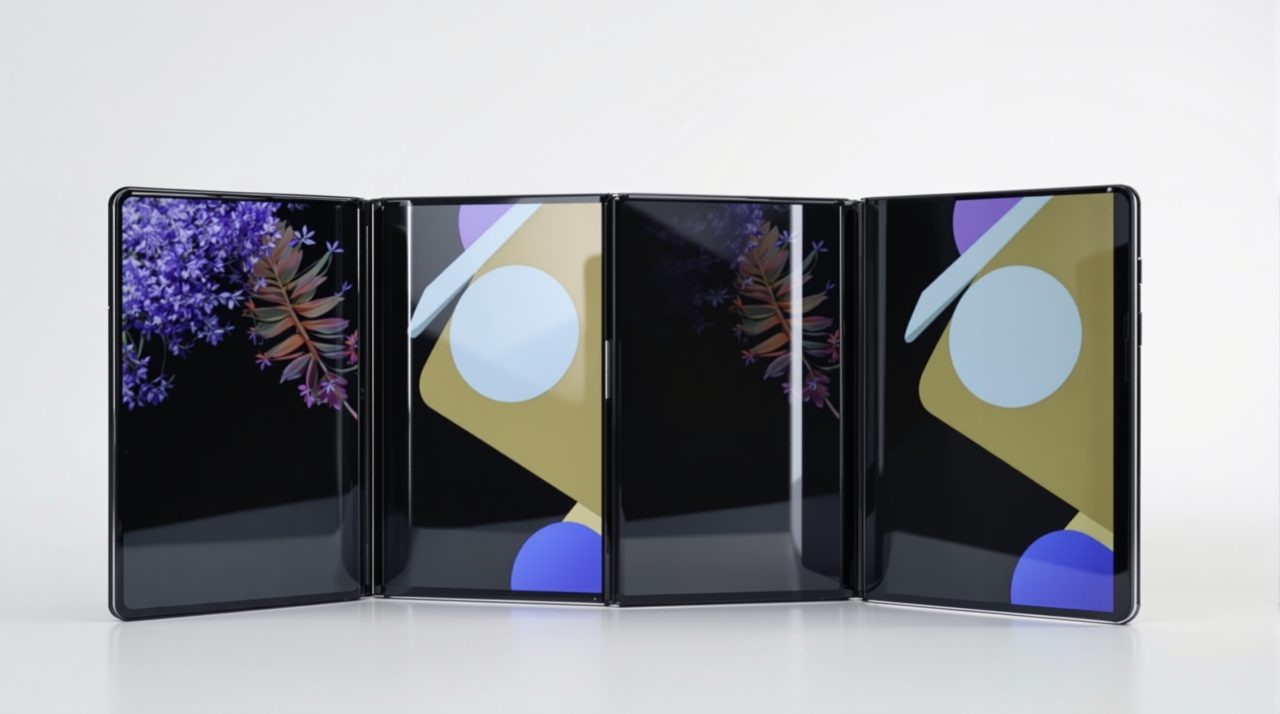
The Galaxy Z Fold 8 Wide breaks from that template. Its 7.6-inch inner display uses a 4:3 ratio, proportions closer to a landscape iPad mini than to a phone. When folded, the Wide sits shorter and wider than the standard Fold, roughly the dimensions of a passport, with a 5.4-inch cover display. The device weighs approximately 200 grams.
That weight and that shape combine to make it feel less like a large phone and more like a portable workspace, which is what every foldable marketing deck has claimed the category delivers but which the portrait format never physically supported.
The inner glass is 60 micrometers thick, compared to 45 micrometers on the standard Fold 8 Ultra. Thicker glass resists bending into a visible crease and improves drop durability.
The tradeoff is that glass under bending strain at higher thickness carries a greater fracture risk, a materials engineering tradeoff Samsung accepted in exchange for a noticeably flatter crease on the model that will sit next to Apple’s expected foldable iPhone in side-by-side comparisons.
Apple briefed iOS 27 developers on building apps for flexible displays at WWDC, and while a foldable iPhone is not confirmed for 2026, the supply chain signals pointing to September are specific enough that Samsung clearly designed the Wide with that competition in mind.
The camera is a dual-lens setup with no telephoto. Samsung accepted that tradeoff for weight and chassis reasons. Buyers who want optical zoom range will find it on the standard Fold 8 Ultra, which carries a 200MP main sensor, 50MP ultrawide, and a 10MP 3x telephoto. The Wide is built for the person choosing between a foldable phone and a separate tablet, not the person optimizing for camera reach.
Samsung raised production targets to match the standard Fold, and that is not a small bet
Samsung has raised production targets for the Galaxy Z Fold 8 Wide to match those of the standard Fold 8 Ultra, according to multiple supply chain reports ahead of Unpacked.
That procurement signal carries more information than the spec sheet. Samsung is not launching the Wide as a proof of concept or a limited-run experiment. It is preparing to sell these in volume equal to its flagship book-style foldable.
Leaked pricing from multiple independent sources, cited by PhoneArena and others, puts the standard Galaxy Z Fold 8 Ultra at $1,999 for the 256GB base model, $2,199 for 512GB, and $2,499 for 1TB. Samsung held the entry price flat against the Fold 7’s 2025 launch price. The Wide’s pricing has not been confirmed. All figures are unverified until Samsung makes an official announcement on July 22.
Everything else on the Unpacked slate and why the Watch 9 is more significant than it sounds
Alongside the two Fold 8 variants, Unpacked is expected to include the Galaxy Z Flip 8, the Galaxy Watch 9 and Watch Ultra 2, and the commercial debut of Samsung Galaxy Glasses. FCC certification filings for the Z Flip 8 and Watch 9 confirm those devices are on schedule.
| Device | Inner Display | Key Change | Starting Price |
|---|---|---|---|
| Galaxy Z Fold 8 Ultra | 8-inch LTPO OLED | 200MP camera, 5,000mAh, 45W charging | $1,999 (256GB, leaked) |
| Galaxy Z Fold 8 Wide | 7.6-inch OLED (4:3) | Tablet-format geometry, 60μm glass | Not yet confirmed |
| Galaxy Z Flip 8 | 6.9-inch AMOLED | Exynos 2600, near-creaseless display | ~$1,099 (leaked) |
The Galaxy Watch 9 is breaking from eight years of Exynos-powered watch history by switching to Qualcomm’s Snapdragon Wear Elite chip. That switch enables 5G RedCap connectivity, which lets the Watch 9 handle calls, messages, and data without a paired handset and without the battery drain that full 5G would impose on a small battery.
It is the first Samsung smartwatch designed to work independently. There is also an open question about the Watch Classic: no Galaxy Watch 9 Classic model number has appeared in either FCC or China’s CMIIT database as of late June, and the Classic variant has shipped with every Galaxy Watch generation since the 4th.
The Galaxy Glasses complete the lineup. Co-designed with Gentle Monster and running Google’s Android XR platform with Gemini built in, they handle audio output, microphone capture, and first-person photography without a heads-up display. DigitBin has covered the Glasses’ display-free design and Gemini integration separately.
Why memory costs are part of what you pay at Unpacked this year
Samsung held the base Fold 8 Ultra price at $1,999, but buyers stepping up to higher storage tiers will pay more than the equivalent Fold 7 configurations cost in 2025. The force behind that is not Samsung’s pricing decision. It is a structural shortage in mobile DRAM.
AI data centers require high-bandwidth memory, which consumes roughly three times the semiconductor wafer capacity per gigabyte compared to the LPDDR5X memory inside every premium Android phone. A
s manufacturers redirect production toward HBM to serve AI infrastructure buildouts, consumer DRAM supply tightens. A June 22 report by market research firm SigmaIntel found that LPDDR5X 12GB mobile DRAM prices surged 89% quarter-over-quarter in Q2 2026. Gartner projects no meaningful pricing relief before late 2027, and the firm estimates average global smartphone prices will rise roughly 13% by year-end. DigitBin covered the full mechanics of this trend and what it means for Android buyers.
Samsung’s scale as both a memory producer and a device manufacturer gives it procurement leverage that smaller Android brands do not have. That is the reason the Fold 8 Ultra’s base price held flat while upper-tier storage tiers absorbed the increase. It is also the reason the One UI 9 software package shipping on all 2026 Samsung flagships comes with a seven-year update commitment: Samsung is positioning its hardware as a long-term investment at a time when the price of that hardware is increasingly difficult to justify on annual replacement cycles.
Samsung Galaxy Unpacked is expected July 22 in London. Pre-orders are expected to open the same day.