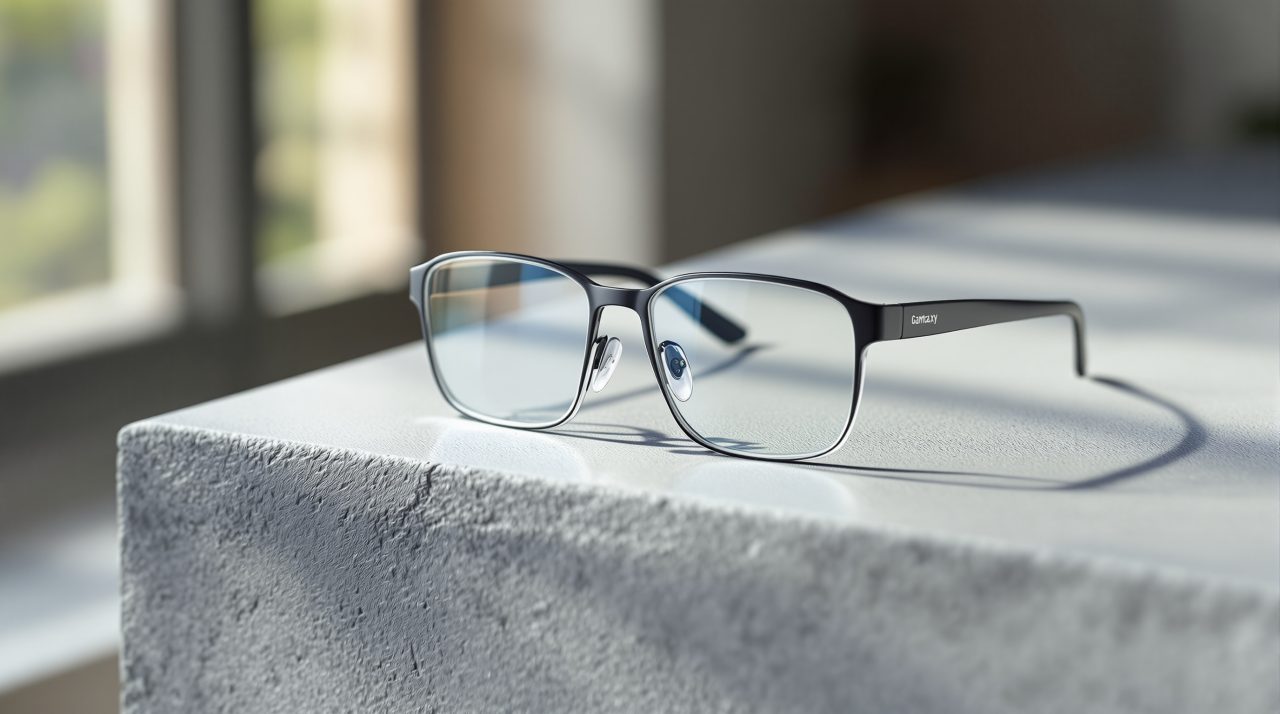
Samsung Galaxy Glasses are confirmed for Galaxy Unpacked on July 22 in London, and the most important thing about them is what they left out. There is no display. No AR overlay. No screen built into the lenses at all. Instead, the glasses carry a 12-megapixel camera, stereo speakers, microphones, and Gemini as the primary AI running everything.
The decision to skip the screen is not a concession. It is the product strategy. And the timing, with Apple’s competing glasses now pushed to late 2027, gives Samsung a window that did not exist six months ago.
TL;DR: Samsung Galaxy Glasses are heading to Unpacked on July 22 in London. There is no display. The glasses use a 12-megapixel camera and Gemini to handle everything through audio. Frames come from Gentle Monster and Warby Parker, with prescription support confirmed. Samsung’s official newsroom says the first collections launch this fall in select markets. Apple’s competing smart glasses have slipped to late 2027.
What Samsung Galaxy Glasses are, and what they are not
The Galaxy Glasses look like regular eyewear. Samsung confirmed frame partnerships with Gentle Monster, which brings a bold modern look, and Warby Parker, which takes a more classic approach. Both brands showed frames at Google I/O in May 2026. Photochromic lenses that darken automatically in sunlight are included, and prescription support is confirmed for launch.
There is no built-in cellular radio. The glasses pair with both Android phones and iPhones over Bluetooth 5.3 and Wi-Fi, and all the heavy computation runs on the connected phone. A touchpad on the right temple handles controls. An LED indicator lights up whenever the camera is recording, which is more relevant to the people near you than to the person wearing them.
The frame weighs approximately 50 grams, a range comparable to normal everyday eyewear, and that constraint shaped every design decision Samsung and its frame partners made.
The hardware Samsung built into the frame
The camera is a 12-megapixel Sony IMX681 with autofocus, positioned at eye level inside the frame. The chipset is a Qualcomm Snapdragon AR1, with the AR1+ Gen 1 variant the likely shipping version based on current reports. SamMobile reported a certification filing showing a 245mAh battery, a figure independently backed by Android Authority. Outside estimates put battery life at six to eight hours of regular use, though Samsung has not confirmed that number.
| Spec | Details |
|---|---|
| Camera | 12MP Sony IMX681, autofocus |
| Chipset | Snapdragon AR1 (AR1+ Gen 1 likely) |
| Battery | 245mAh (unconfirmed by Samsung) |
| Connectivity | Bluetooth 5.3, Wi-Fi. No cellular |
| Weight | ~50 grams |
| Platform | Android XR with Gemini |
| Lenses | Photochromic, prescription support confirmed |
| Pricing | $379 to $499 (rumored, unconfirmed) |
Built-in stereo speakers and multiple microphones handle calls and voice commands. Galaxy Watch owners can control some functions directly from the watch face without touching the frames at all.
Where Gemini fits in and why it carries the product
Gemini is the functional center of the Samsung Galaxy Glasses. Without a screen, there is no way to surface information visually, so Gemini handles that gap entirely through audio.
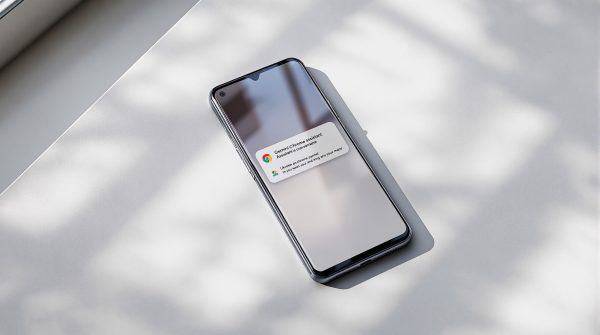
The Gemini assistant on Android is already expanding across Google’s platform, and the glasses are the most hardware-native version of that push yet. Gemini can translate conversations and signs in real time, read and summarize notifications, manage calendar entries, control music playback, and capture photos on voice command.
The comparison to Meta Ray-Ban is unavoidable. Meta’s glasses use Meta AI in the same basic architecture: camera, audio, and cloud processing via a connected phone. Samsung’s version runs Gemini instead. Whether Gemini performs better in daily use than Meta AI is the question that determines whether the Galaxy Glasses earn a permanent place in this market.
Why Samsung is moving on this right now
Meta controls 82% of global AI smart glasses shipments as of the second half of 2025, according to Counterpoint Research. AI-powered smart glasses represented 88% of all units sold in that period, with North America accounting for 37% of that market. Samsung is entering a space Meta already dominates by a large margin.
Bloomberg’s Mark Gurman reported on May 31 that Apple’s smart glasses, known internally as N50, have slipped from a late 2026 introduction to late 2027 as the company works through visual AI challenges and Siri integration issues.
Expected retail pricing is between $200 and $500. That delay hands Samsung at least 12 months of Android 17-based platform presence before any Apple device reaches stores, which is a more meaningful head start than it sounds when a new hardware category is forming.
What to know before Unpacked on July 22
Samsung’s official newsroom confirmed that the first Samsung Galaxy Glasses collections are scheduled to launch this fall in select markets. The July 22 Unpacked reveal in London is expected to show final hardware, pricing, and regional availability. Rumored US pricing sits between $379 and $499, though that figure has not been confirmed by Samsung.
A second Galaxy Glasses model with a micro-LED display and true AR overlays is reportedly in development for 2027, with a rumored price between $600 and $900. That display version will be the product that competes more directly with what Meta is building for its Ray-Ban Display line and what Apple is now expected to launch in the same timeframe.
For most buyers, the practical move is to wait for hands-on coverage after the Unpacked reveal and watch specifically for real-world battery life and how Gemini performs when the phone is in a pocket and the glasses are the only interface available. The hardware is credible. The software question is open.