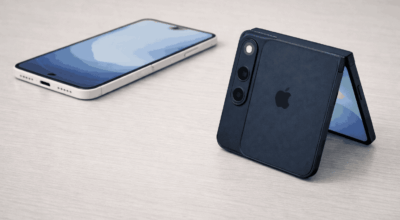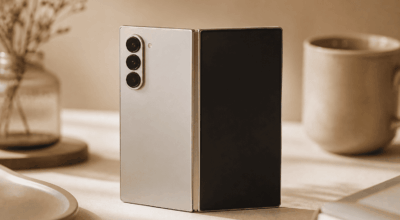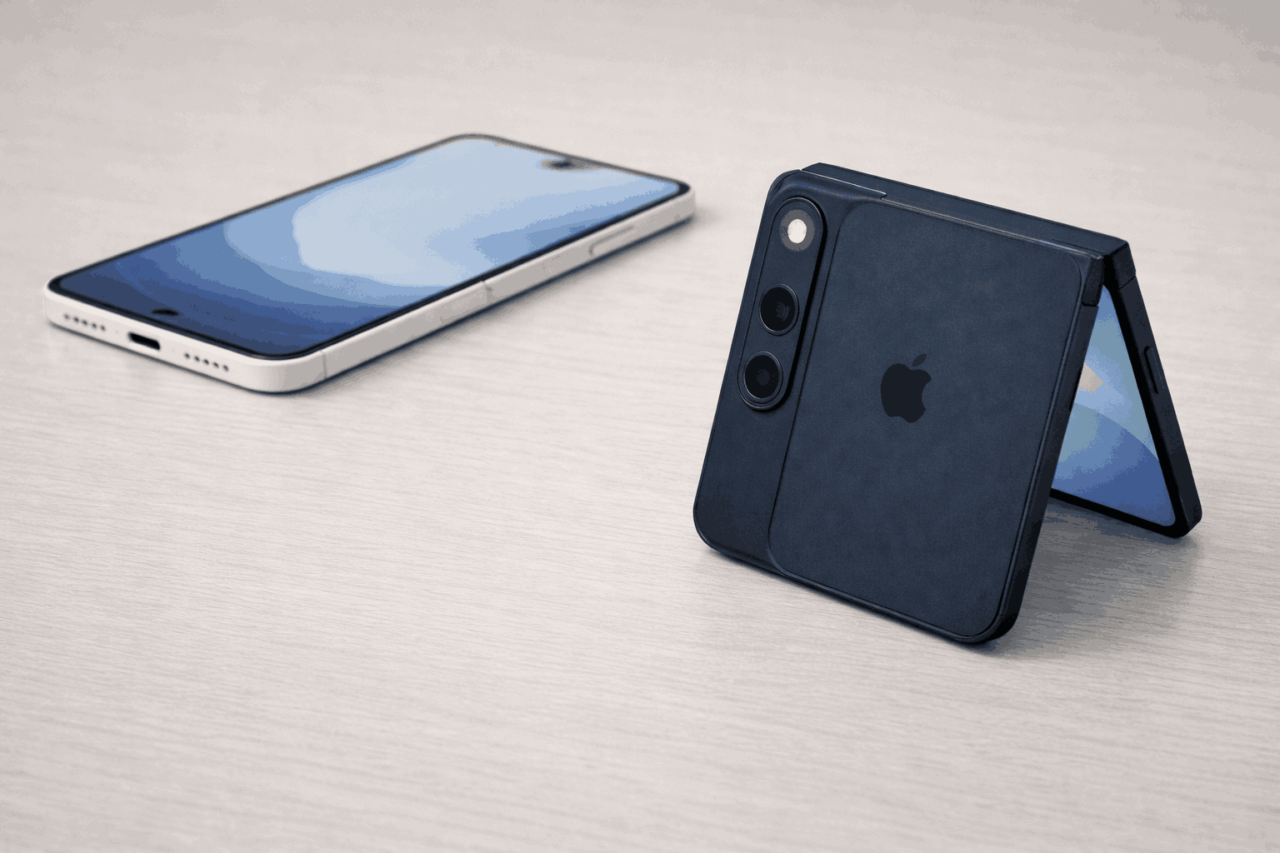
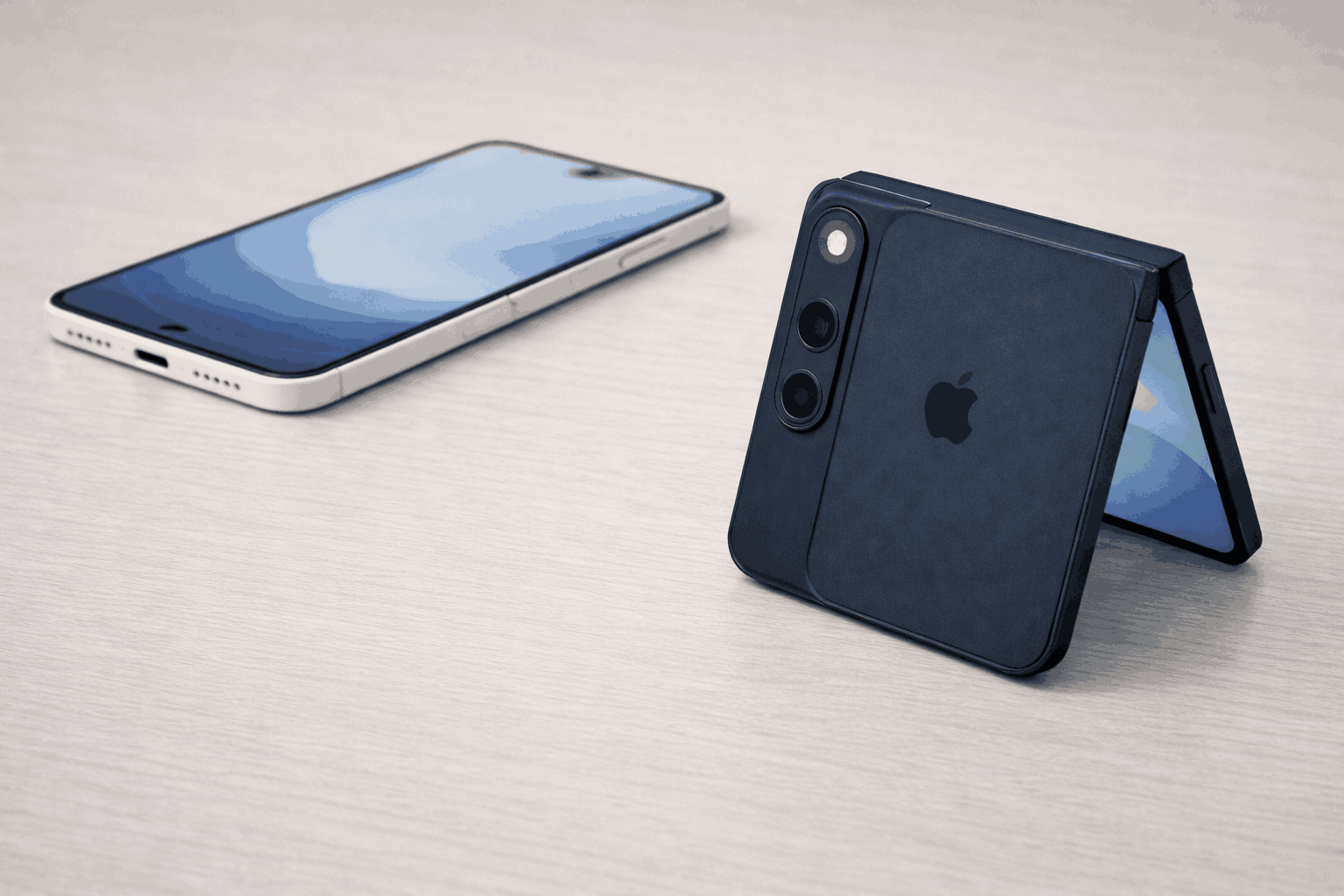
The iPhone 18 Pro Max ships with 5x optical zoom. The iPhone Fold Ultra, which will cost more, does not have a telephoto lens at all. Two cameras: a 48MP main wide and a 48MP ultrawide. That is the full camera system on Apple’s most expensive iPhone ever made.
This is not a rumor gap or a detail that might change. Multiple supply chain reports and dummy unit images confirm the dual-lens setup. Leaker Sonny Dickson on X, who posted dummy unit images on April 7, 2026, confirmed the iPhone Fold dual-lens rear camera plateau with no telephoto present.
Foxconn trial production details, reported by multiple supply chain sources in April 2026, confirmed the omission is a deliberate engineering decision driven by the 4.5mm chassis thickness. Apple has confirmed nothing.
TL;DR: The iPhone Ultra Fold is expected to ship with only two rear cameras: 48MP main and 48MP ultrawide. No telephoto, no optical zoom beyond in-sensor cropping. The reason is the 4.5mm chassis, which cannot accommodate a periscope lens. At a starting price above $2,000, the omission stands out against the iPhone 18 Pro Max it will be sold alongside.
Why the telephoto is missing
A periscope telephoto lens requires physical space. The folded telephoto module used in the iPhone 15 Pro Max and carried forward in the Pro lineup is housed in a dedicated section of the camera plateau.
At 4.5mm unfolded, the iPhone Fold has no room for it. The hinge mechanism, dual displays, and battery already consume the available internal volume. Apple made the same decision with the iPhone Air, which is also a thin device with no telephoto.
The difference is price. The iPhone Air is positioned as a slim mainstream option at a mainstream price. The iPhone Fold is expected to start above $2,000, placing it above every other iPhone Apple has ever sold. Dropping the telephoto at that price point is a harder argument to make.
What you actually lose
Optical zoom is not just a number. The difference between shooting at 1x and 5x is not something software can fully recover. In-sensor cropping, where the camera uses a portion of the 48MP sensor to simulate a longer focal length, works reasonably well in good light. The resulting image is around 12MP, which is enough for social media and most everyday use.
Where it falls apart is anything beyond arm’s length in low light, fast-moving subjects at distance, and any situation where you want a subject isolated against a compressed background. Those are the real-world cases where a periscope telephoto earns its place. Without it, you are walking closer or accepting a crop. Neither is the same.
The Galaxy Z Fold 7, which the iPhone Fold Ultra will be directly compared against, includes a 50MP 3x optical telephoto alongside its dual cameras. Samsung managed to fit three cameras into a book-style foldable at a lower price point.
Apple’s counter-argument is essentially thinness. The Fold Ultra is reportedly 4.5mm unfolded, thinner than any iPhone and thinner than the current iPad Pro. That is a real engineering achievement. Whether it justifies the camera compromise depends on what you buy phones for.
Apple’s likely counterargument
Apple will point to computational photography. The A20 Pro chip running the iPhone Fold is built on a 2nm process and is expected to handle AI-assisted zoom, noise reduction, and scene processing at a level that closes some of the gap. The 48MP sensor gives the system more pixel data to work with than a 12MP sensor would, which makes crops cleaner.
Apple has made this argument before. The iPhone Air launched without a telephoto and Apple positioned its computational output as competitive with optical zoom in many conditions. For casual photography, that framing holds. For anyone who has used a 5x optical zoom on a Pro Max to isolate a subject across a room or pull detail from a stadium, it does not.
There is also a second-generation argument. Apple’s first foldable at 4.5mm may simply not be physically capable of including a telephoto yet.
The engineering priority for generation one appears to be thinness, crease reduction, and hinge durability. A telephoto may follow in generation two once the manufacturing tolerances improve and internal space can be reclaimed. Samsung added its first telephoto to the Z Fold series in the third generation after establishing the platform.
Who this actually affects
If you shoot mostly at 1x or ultrawide, travel with the phone rather than a dedicated camera, and rarely zoom past 2x, the missing telephoto will not change your daily experience. The iPhone Fold’s two 48MP cameras are not weak. They are simply incomplete by Pro standards.
If you are the person who switches to the 5x lens for food shots across a table, pulls in details from a stage during a concert, or uses telephoto for portrait compression, the iPhone Fold is not the camera phone for you at this price. The iPhone 18 Pro Max does all of that and costs less.
The honest read on the tradeoff
Apple made a deliberate choice. Thinness over zoom. That is a legitimate product decision, and it is consistent with what Apple did with the Air. The problem is the pricing context. At $2,000-plus, the Fold is not positioned as a mainstream compromise device. It is positioned as Apple’s most premium iPhone. Shipping it without the camera capability that its own Pro Max offers, at a higher price, is a tension Apple will have to explain on stage in September.
The display, the hinge, and the form factor are the reasons to buy the iPhone Fold. The camera system is not.