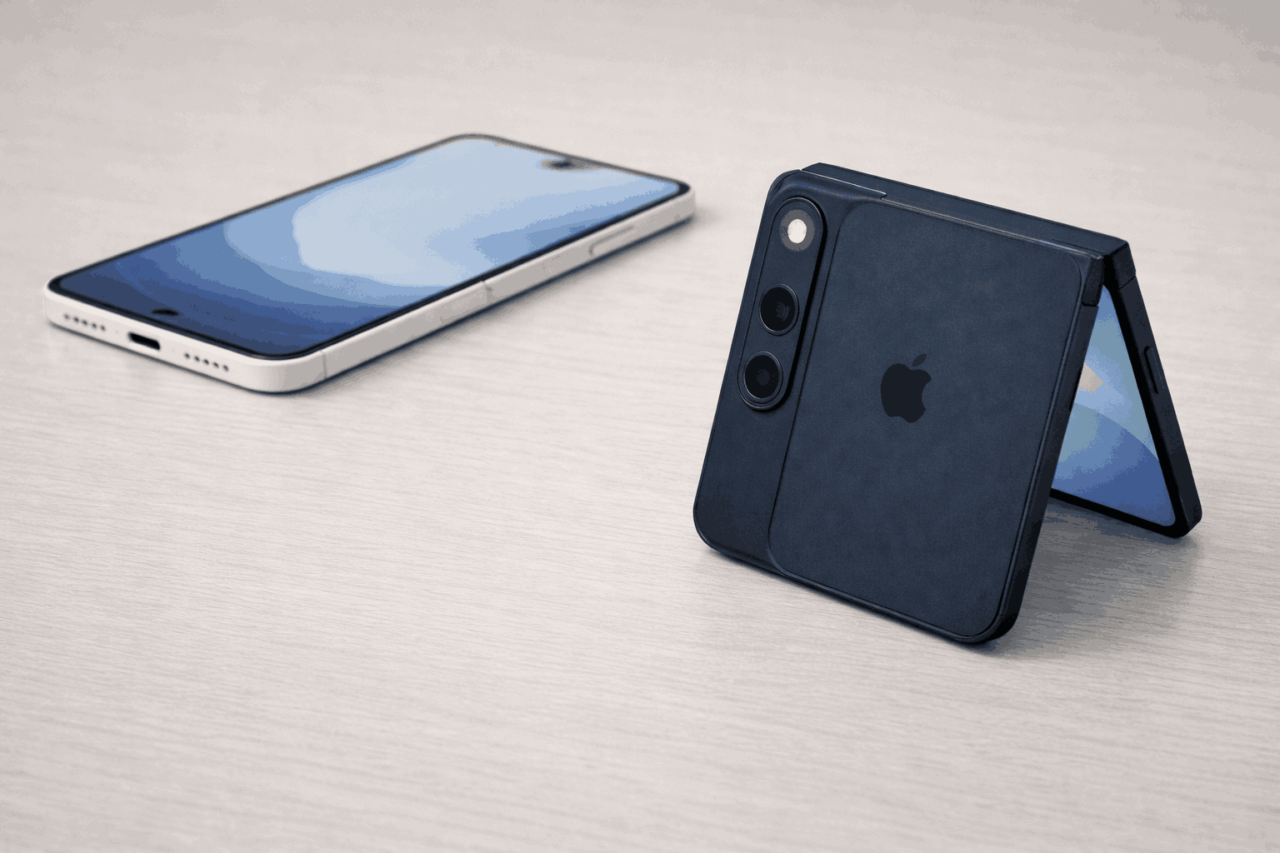
Apple is building a foldable iPhone. It will cost more than $2,000, drop Face ID, and ship without a telephoto camera. If that combination still sounds interesting to you, the iPhone Fold might be the most significant Apple product in years.
As of April 2026, the device is in trial production at Foxconn. A fall 2026 launch is the target, though engineering setbacks reported in early April have made that window tighter than it looked a few months ago. Everything below is sourced from leaks, supply chain reports, and analyst research. Apple has confirmed nothing.
TL;DR: The iPhone Fold is a book-style foldable with a 7.76-inch inner display, Apple A20 chip, and Touch ID instead of Face ID. There is no telephoto camera. Pricing is estimated above $2,000. A fall 2026 launch is targeted but may slip to 2027. Apple has not officially announced the device.
iPhone Fold at a Glance: Key Rumored Specs
- Inner display: 7.76 inches, 2,713 x 1,920, 4:3 aspect ratio
- Outer display: 5.49 inches, 2,088 x 1,422, 4:3 aspect ratio
- Chip: Apple A20 (2nm, TSMC)
- RAM: 12GB
- Rear cameras: 48MP wide + 48MP ultrawide, no telephoto
- Biometrics: Touch ID in power button, no Face ID
- Battery: 5,000 to 5,800 mAh (estimated)
- Connectivity: Apple C2 modem, mmWave 5G, eSIM only
- Storage: 256GB, 512GB, 1TB (leaked)
- Starting price: $2,000+ (analyst consensus)
- Software: iOS 27, not iPadOS
Will It Actually Launch in 2026?
Two credible, contradictory reports landed within 48 hours in early April 2026. Nikkei Asia reported engineering setbacks more complex than expected, with suppliers notified of possible delays. Bloomberg’s Mark Gurman pushed back two days later, reporting Apple remains on track for a fall 2026 debut alongside the iPhone 18 Pro.
Neither report has been retracted or reconciled. Manufacturing is clearly difficult, and the September window is tighter than it was.
Gurman’s earlier framing is worth keeping in mind: in May 2025 he wrote the foldable should be on the market by 2027, later clarifying it would launch at end of 2026 and sell mostly in 2027.
Production targets of 6 to 8 million units for the year support that read. For context, Apple ships 50 to 80 million iPhones in a strong quarter. Waitlists at launch are essentially guaranteed, so even a September announcement may not mean September availability for most people.
Design: Book-Style, Thick When Folded
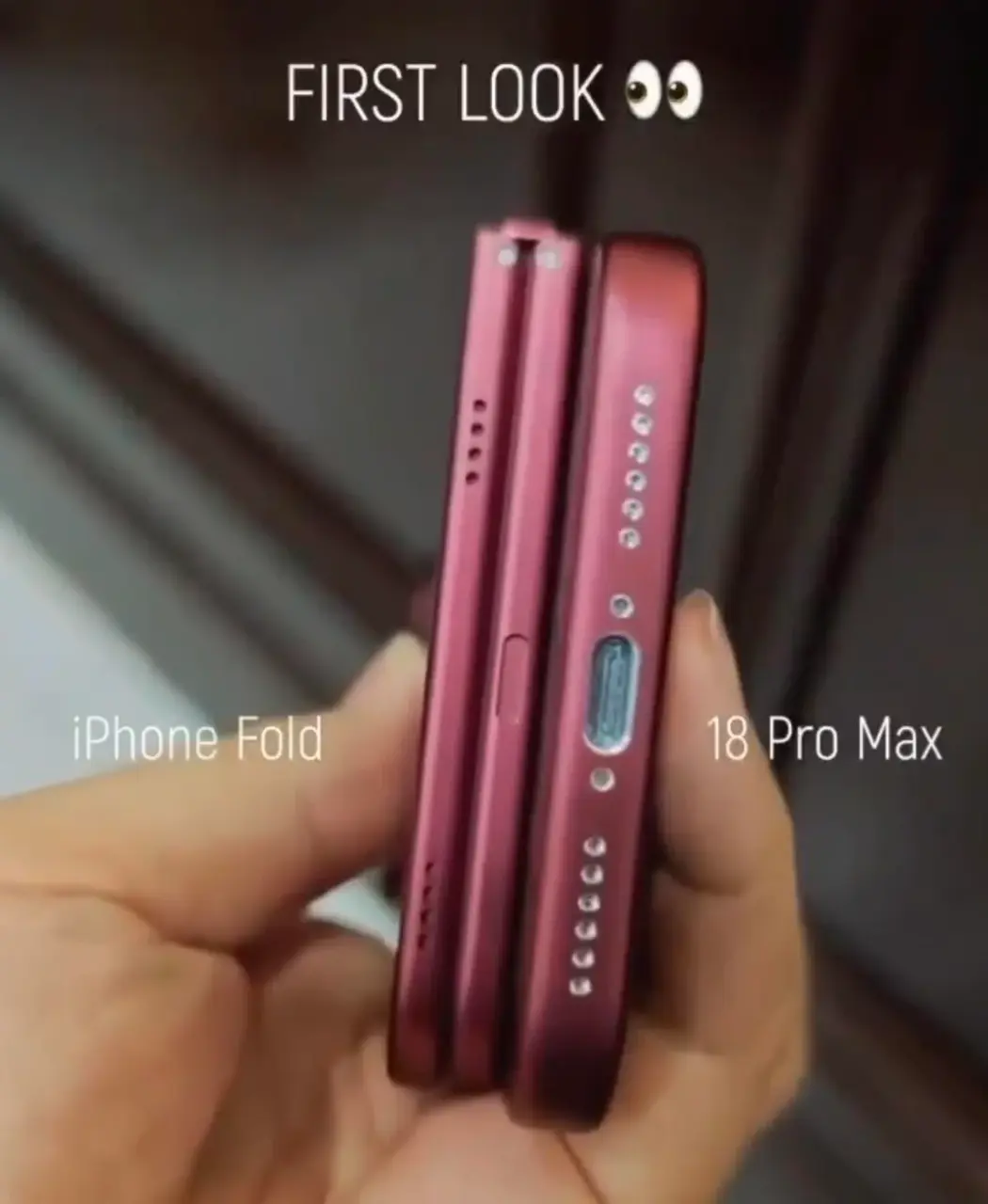
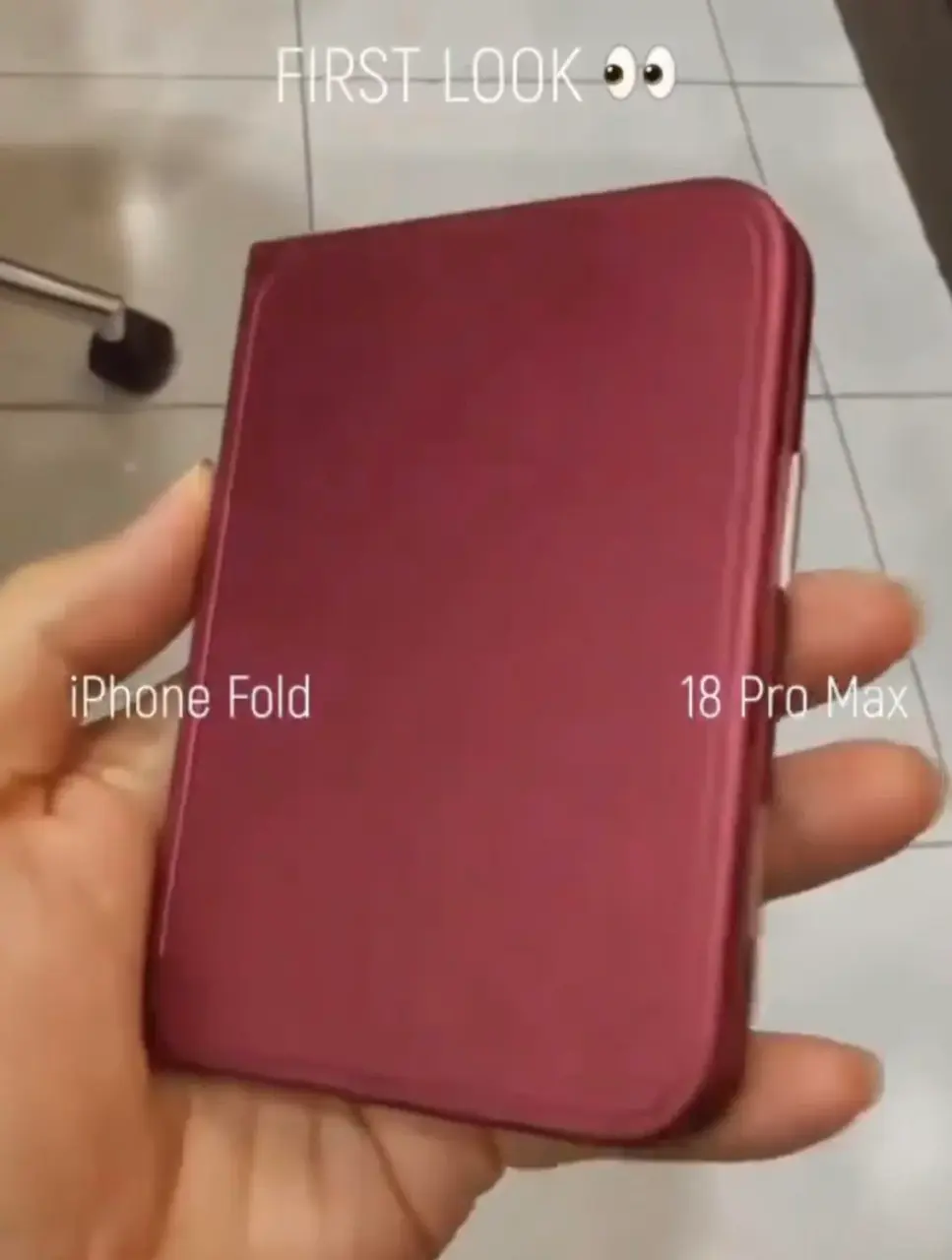
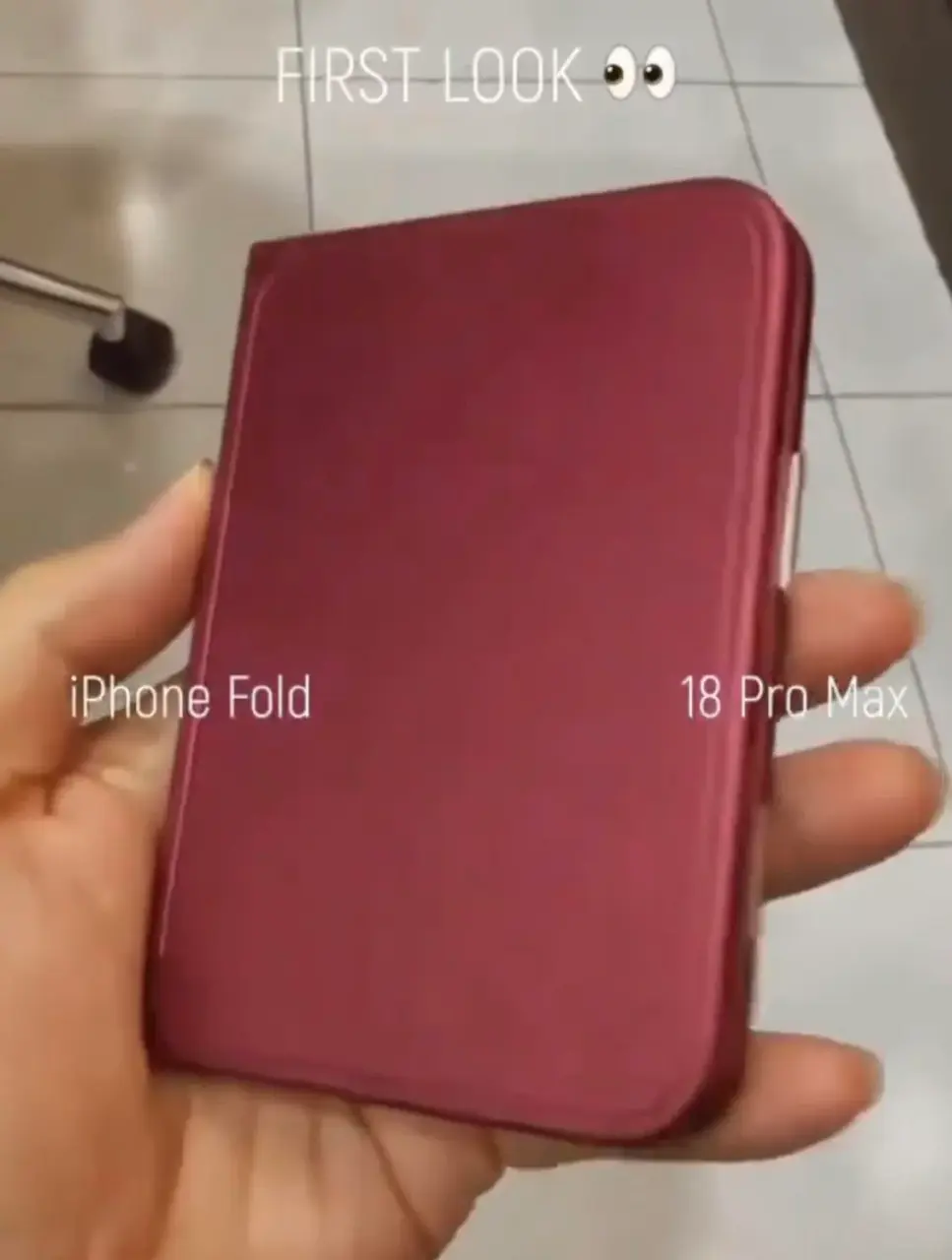
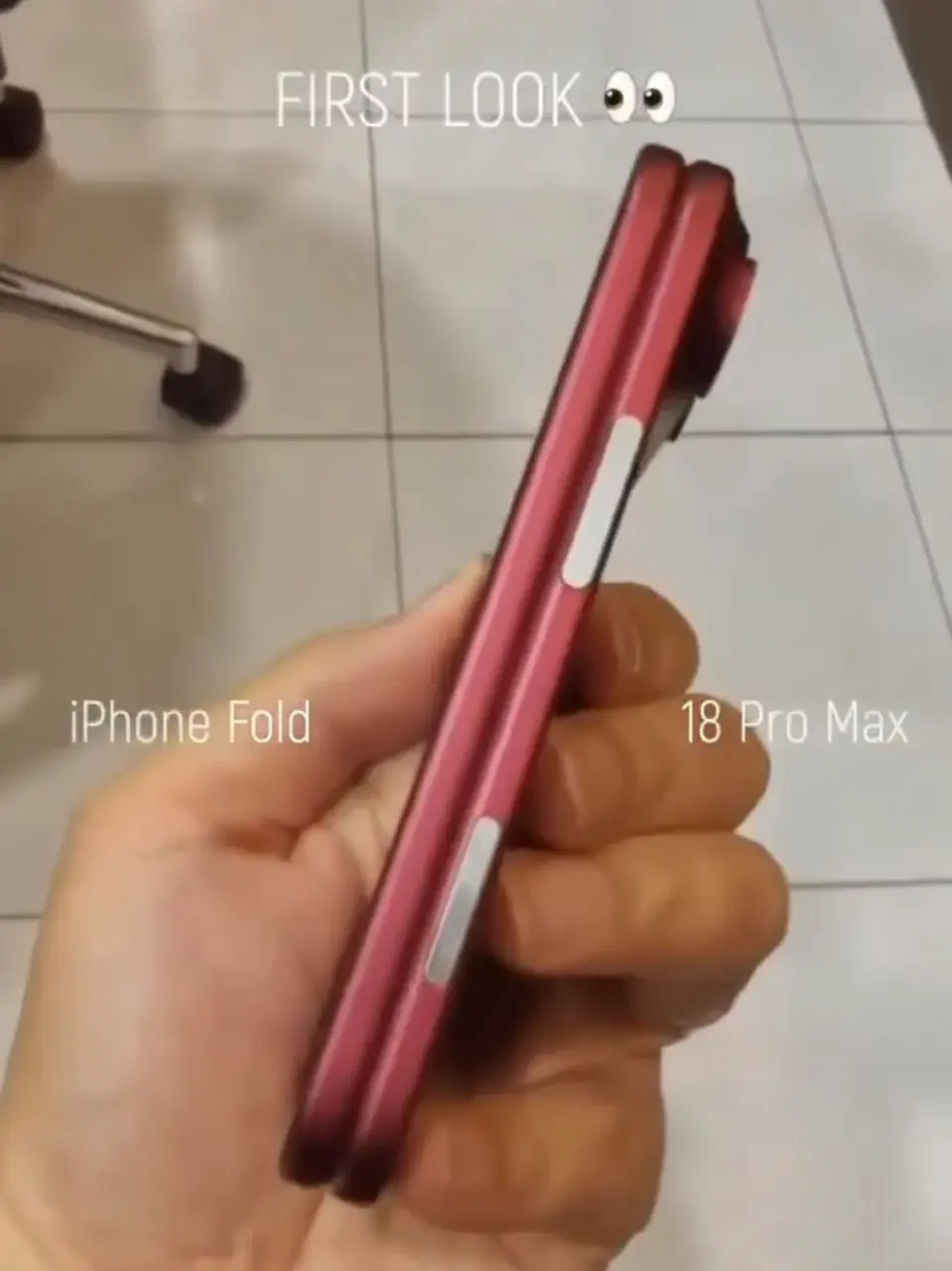
Source: x.com
Apple settled on a book-style form factor, wider than tall, opening like a small notebook rather than flipping vertically. Non-functional dummy models leaked by Sonny Dickson in April 2026 confirmed this direction, consistent with reporting from Gurman and Ming-Chi Kuo since mid-2025.
FINALLY🙌🏼 First look at the iPhone Fold & 18 Pro Max dummy. pic.twitter.com/iAhKUV7ysC
— AhMad 𝕏 Ansari (@Ahmadansari2233) April 7, 2026
The 4:3 outer display is a deliberate differentiator. Most competing foldables use a narrow outer screen that feels cramped as a daily phone. At 5.49 inches with roughly square proportions, the outer display is closer to normal phone width than anything Samsung currently offers in this category.
In real-world use, that could matter a lot for people who do not want to feel like they are always unfolding the device just to read a message.
The thickness tradeoff is real, though. At roughly 9 to 9.5mm folded, the device will be noticeably thicker than the expected 8 to 8.5mm of a standard iPhone 18 Pro.
That is a physics constraint, not a design oversight. Hinge material remains undecided between liquid metal and 3D-printed titanium alloy, per MacRumors in April 2026.
The Display Crease: Reduced, Not Gone
Earlier leaks claimed Apple’s inner display would be virtually crease-free. Gurman’s March 2026 Bloomberg reporting corrected that: Apple’s display technology reduces the crease without eliminating it, and the result is not perfect.
Apple is reportedly tackling this as a materials problem rather than a hinge problem, using a redesigned adhesive layer that distributes fold stress across the display stack rather than concentrating it at the bend point.
The OLED panels come from Samsung Display, whose crease-reduced panel was demonstrated at CES 2026.
Honestly, real crease performance will only be known once independent reviewers get the device in hand. Until then, Gurman’s conservative assessment is the most reliable thing to go on.
The Hardware Tradeoffs You Need to Know
No Face ID
Both Kuo and Gurman have independently confirmed this. The TrueDepth camera array physically does not fit the chassis. Touch ID in the power button, identical to the iPad mini and iPad Air implementation, is the replacement.
For daily iPhone Pro users, this is a meaningful downgrade. Face ID works with a glance, in any orientation, in low light, and with face masks since iOS 15.4. Touch ID requires a deliberate press.
That might not sound like a big deal, but over a full day it adds noticeable friction, especially if your hands are full or your phone is flat on a desk.
No Telephoto Camera
Multiple independent sources agree on a dual rear camera setup: 48MP wide and 48MP ultrawide, with no telephoto of any kind. At 4.5mm unfolded, there is simply no room for a periscope or folded telephoto module. Apple made the same call with the iPhone Air.
If you care about camera zoom, this is probably the single biggest reason to pause. The 5x and 12x optical zoom on current Pro Max models will not carry over. In-sensor cropping can simulate focal lengths, but it is not optical zoom, and the difference shows in real-world shots.
Battery: Large Capacity, Unknown Endurance
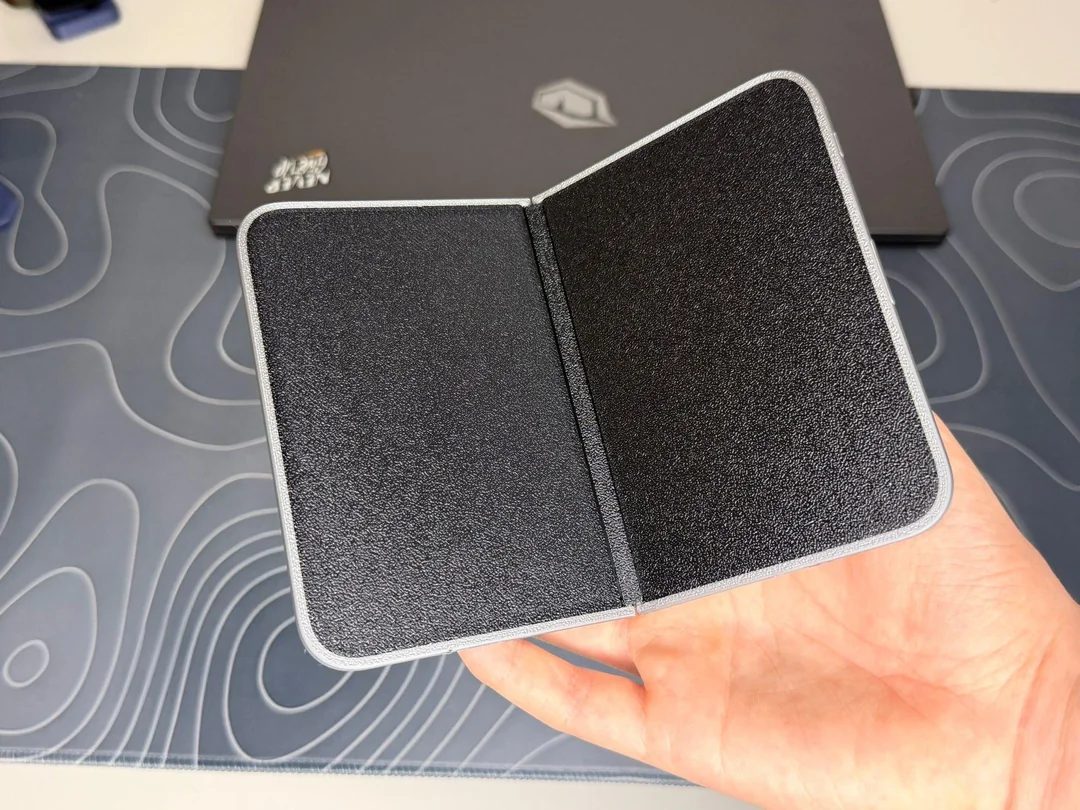
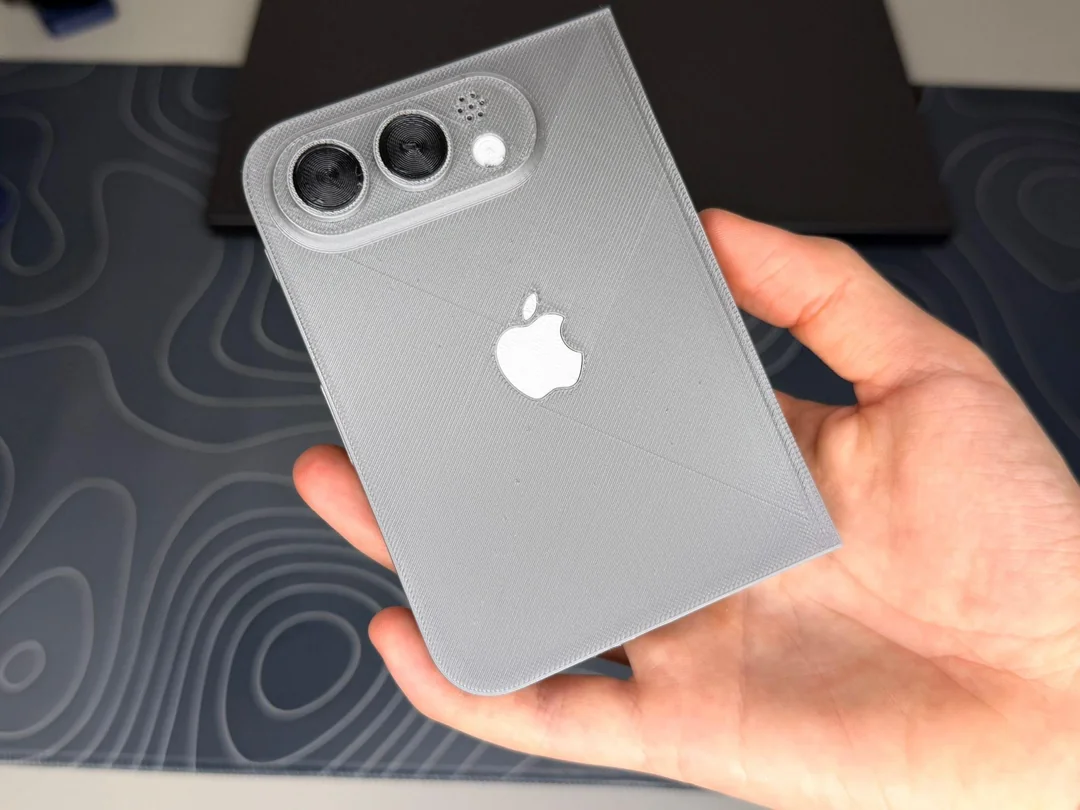
Leaked battery capacity figures range from 5,000 to 5,800 mAh across multiple sources, including supply chain checks from Kuo and leaker Fixed Focus Digital.
Apple is reportedly using silicon-carbon anode cell technology to hit that capacity within an ultra-thin chassis. If accurate, it would be the largest battery ever shipped in an iPhone.
That said, a bigger number on the spec sheet does not automatically mean longer battery life. Two active OLED displays, a powerful chip handling multitasking workloads, and the larger screen surface area all draw more power than a standard iPhone.
The bigger battery may mostly offset higher consumption rather than deliver meaningfully longer endurance. Charging speed has not been confirmed by any source, which is a notable gap for a $2,000+ device.
Software: iOS 27, Not iPadOS
The device runs iOS 27. Gurman confirmed this in March 2026, along with the key detail that it will not run iPadOS. That means no Stage Manager, no windowed apps, and no full iPadOS multitasking.
What it will have: iPad-like app layouts with sidebars when open, split-screen for two apps side by side, and smooth transitions between the outer and inner display states. Developers will get tools to adapt existing iPhone apps for the 4:3, 7.76-inch canvas.
Third-party app adaptation at launch is the biggest unknown. The Galaxy Z Fold 7 benefits from seven years of foldable software refinement. iOS 27’s foldable interface is version 1.0.
Apple has strong developer leverage, but the ecosystem catch-up will take time, and some apps will feel unfinished on that larger canvas in the early months.
iPhone Fold vs. Galaxy Z Fold 7

The Galaxy Z Fold 7 has been available since July 2025. It is the benchmark the iPhone Fold will be measured against at launch.
- Cameras: Z Fold 7 wins clearly. 200MP main plus telephoto versus dual 48MP with no telephoto.
- Outer display: Z Fold 7 wins. 6.5 inches at 21:9 versus 5.49 inches at 4:3.
- Chip performance: iPhone Fold expected to lead. Apple silicon consistently outperforms Snapdragon in independent benchmarks.
- Software longevity: iPhone Fold expected to lead. Apple supports devices for 5 to 6 years.
- Ecosystem: iPhone Fold wins for existing Apple users. Handoff, AirDrop, Apple Watch, AirPods integration has no Android equivalent.
- Price: Z Fold 7 confirmed at $1,899. iPhone Fold estimated above $2,000.
- Software maturity: Z Fold 7 wins. Seven generations of foldable refinement versus iOS 27 version 1.0.
- Availability: Z Fold 7 is available today.
Should You Buy the iPhone Fold?
It makes sense if:
- You are a committed iPhone user who also carries an iPad and want to consolidate both
- Telephoto photography is not part of your regular use
- You are comfortable with first-generation Apple hardware and plan to upgrade to the second generation anyway
- You want to be in the Apple foldable ecosystem from day one
It is harder to justify if:
- You rely on Face ID daily
- You shoot telephoto photography regularly
- You want a polished, mature foldable experience available right now
- You are risk-averse about first-generation devices
Apple’s second-generation foldable is widely expected in 2027, timed around the iPhone’s 20th anniversary. That device will have resolved the first-generation compromises, a more mature software ecosystem, and more developers adapted to the form factor. For most people, honestly, waiting is the smarter call.
FAQ
What is the expected iPhone Fold release date?
Fall 2026 is the current target, though engineering setbacks reported in April 2026 make a delay into 2027 possible. Broad availability is likely in 2027 regardless of when the device is announced.
Will the iPhone Fold have Face ID?
No. Both Ming-Chi Kuo and Mark Gurman have independently confirmed Face ID is absent. Touch ID in the power button is the replacement.
Does the iPhone Fold have a telephoto camera?
No. Multiple sources confirm a dual 48MP setup with no telephoto. The chassis at 4.5mm unfolded leaves no physical room for a telephoto module.
How much will the iPhone Fold cost?
Analyst consensus puts the base model above $2,000. Gurman reported it will cross that threshold. Leaked pricing suggests around $2,320 for the 256GB model, though Apple has not confirmed pricing.
Is the iPhone Fold better than the Galaxy Z Fold 7?
It depends on what matters to you. The Z Fold 7 wins on cameras, outer display size, price, and software maturity. The iPhone Fold is expected to lead in chip performance, software support longevity, and Apple ecosystem integration.