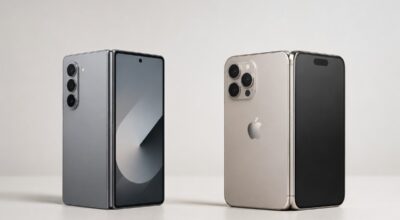
Apple’s foldable iPhone is reportedly being built to feel like a cross between an iPhone and an iPad. But based on everything reported so far, it is expected to ship with iOS, not iPadOS. That one decision shapes a lot about how the device will actually work.
The distinction matters more than it might seem. It affects which apps will run, how multitasking behaves, and how much of the tablet experience Apple is willing to bring to a phone-sized product. If you have ever used an iPad and an iPhone side by side and noticed how differently they handle the same task, you already understand the gap Apple has to navigate.
TL;DR: Apple’s foldable iPhone is expected to run iOS 27, not iPadOS. When open, it will support side-by-side apps and a wider layout borrowed from the iPad experience. But it will not run iPad apps, and it will not be treated as an iPad. It is a bigger iPhone, not a smaller iPad.
Why Apple is keeping the iPhone Fold on iOS
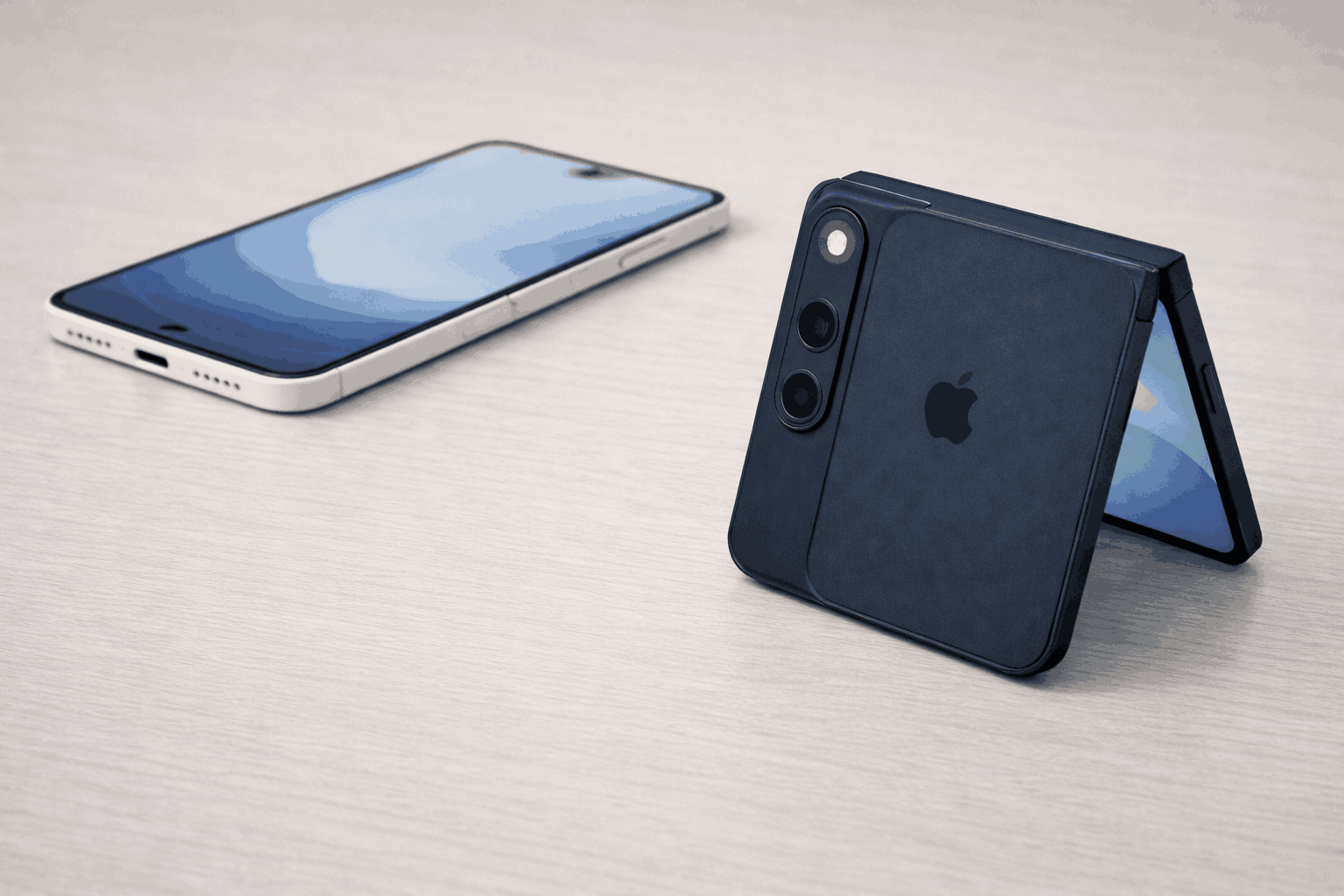
The foldable iPhone Ultra is still an iPhone. Apple appears to be treating it as a new form factor within the iPhone family rather than a hybrid category that blurs into the iPad.
iPadOS already exists as a distinct platform. It has its own windowing behavior, its own design language, and a multitasking model built specifically for larger, stationary displays. Pulling that into a phone-sized product would create a messy overlap, especially at a time when iPad Pro sales have been under pressure.
Apple’s solution, based on current reports, is to extend iOS 27 rather than merge the two platforms. The phone runs iOS. When it opens, iOS adapts.
What changes when the phone unfolds
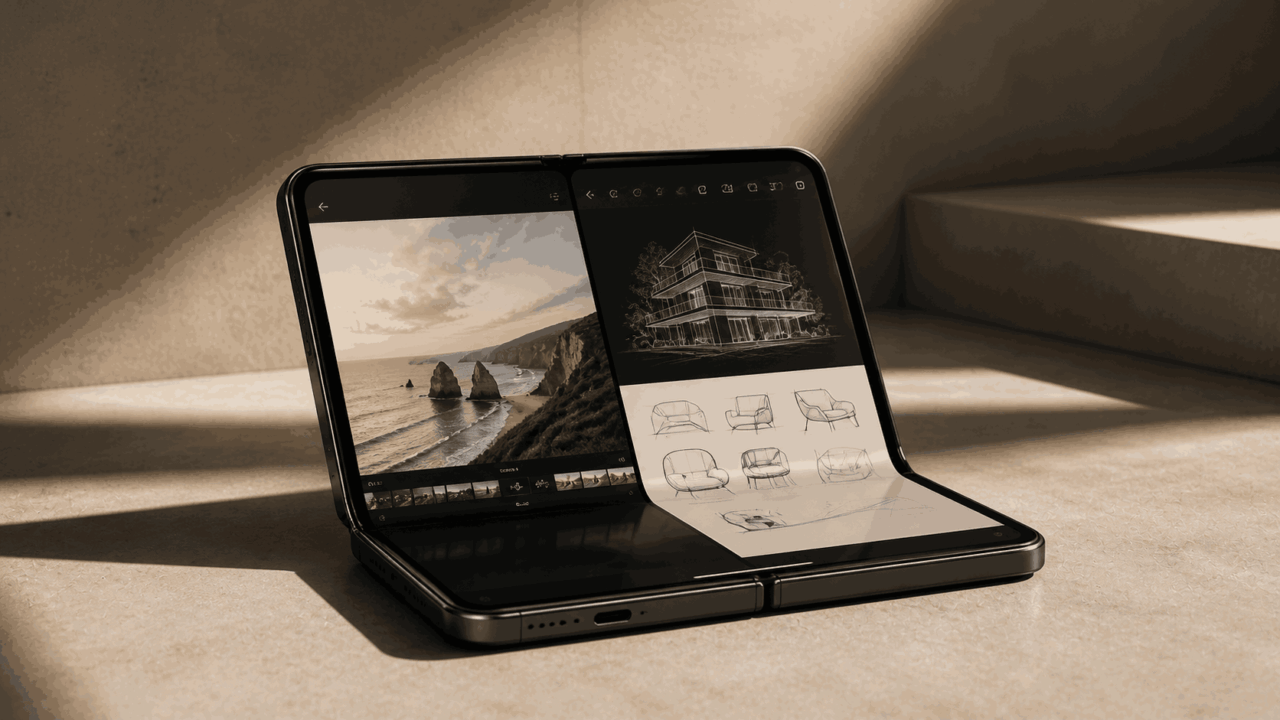
According to MacRumors’ iOS 27 roundup, the iPhone Fold Ultra will support two apps open side by side when the inner display is open, bringing split-screen multitasking to iPhone for the first time. The unfolded view is also expected to use wider layouts and sidebars inside apps, giving the larger screen something useful to do rather than just stretching iPhone content across a bigger canvas.
Think about what it is like to use iPhone Mail in landscape mode on a standard phone. The layout barely changes. Now imagine that same app with a proper sidebar on the left and a message thread on the right, the way it already works on iPad. That is closer to what Apple appears to be building for the unfolded state.
Apple is also expected to provide developer tools so apps can adapt to the larger screen without needing a separate iPad version. That last part matters. If you have an app you rely on that exists only as an iPhone app, it should still work on the Fold.
What this does not mean
It does not mean Apple is quietly merging iOS and iPadOS. The two platforms are staying separate. iPadOS 27 will ship alongside iOS 27 this September, as it does every year.
It also does not mean iPad apps will automatically run on the foldable. Current reporting says the opposite. The device runs iOS, so the App Store will surface iPhone apps. If a developer has not updated their app to support wider layouts, it will still run but it may not take full advantage of the open display.
Why the software split actually makes sense
If you spend time with an iPad, you notice that iPadOS multitasking can feel like it was designed for a desk, not a hand. Stage Manager, external display support, pointer input. These are features built around a device that sits still.
An iPhone Ultra fold is still a phone. You will hold it in your hands, take it out of your pocket, and use it with your thumbs most of the time. Dropping full iPadOS onto that hardware would give you tools you cannot comfortably reach and a workflow that assumes more than a pocket device can deliver.
Apple keeping it on iOS while borrowing specific iPad-style behaviors for the open state is a more honest solution than forcing the whole platform across.
Why it matters for users and developers
For most users, the practical outcome is a larger iPhone that works like an iPhone, with side-by-side apps available when the extra space is useful. You would not need to learn a new operating system or rebuild your App Library. If you are already tracking what iOS 27 is adding this year, the full iOS 27 features breakdown covers the Siri changes and performance updates alongside the Fold-specific additions.
For developers, there is real work to do. Apps built only for a narrow iPhone display will need layout updates to feel at home on a 7.8-inch open screen. Navigation bars, tab bars, and content containers that assume a portrait phone layout will look stretched or awkward without adjustments.
Apple is expected to give developers time to prepare ahead of the September launch, likely through iOS 27 betas starting at WWDC in June. That timeline also affects buyers of the iPhone 18 Pro Max, which ships alongside the Fold and runs the same iOS 27 base.
Bottom line
The foldable iPhone is expected to behave more like a stretched, smarter iPhone than a mini iPad, even if its open state borrows some tablet-style behaviors. That framing is not a limitation. It is a deliberate choice about what kind of product Apple wants this to be.
Whether that turns out to be the right call will depend on how well iOS 27 actually handles the transition between a 5.5-inch closed display and a 7.8-inch open one. That is the detail no rumor can fully answer until the device ships.