For about six months, I paid for Netflix, Max, and Hulu at the same time.
I watched three Netflix shows in rotation. That was it. I opened Hulu maybe four times. And on Max, I watched one season of some TV series and then forgot the app existed.
I am not proud of this.
I ran the numbers one afternoon and realized I had spent roughly $600 on streaming in a year and used maybe a third of what I was paying for.
Three services at ad-free pricing add up fast: Netflix Standard at $19.99, Max ad-free at $18.49, Hulu ad-free at $18.99. That is $57.47 a month and nearly $690 a year. All of it for television.
So, I cancelled all three.
And then I spent a month watching nothing, or almost nothing, which turned out to be more useful as an experiment than I expected.
TL;DR: After cancelling Netflix, Max, and Hulu simultaneously and spending a month without them, I came back to exactly one: Max. The reason was not price or catalog size. It was the specific, consistent feeling that what was on Max was worth my time. Netflix has more content. Hulu has more current TV. Max has fewer shows I will watch and more shows I am genuinely glad I watched. That gap is harder to manufacture than a bigger library.
What did cancelling all three actually feel like?
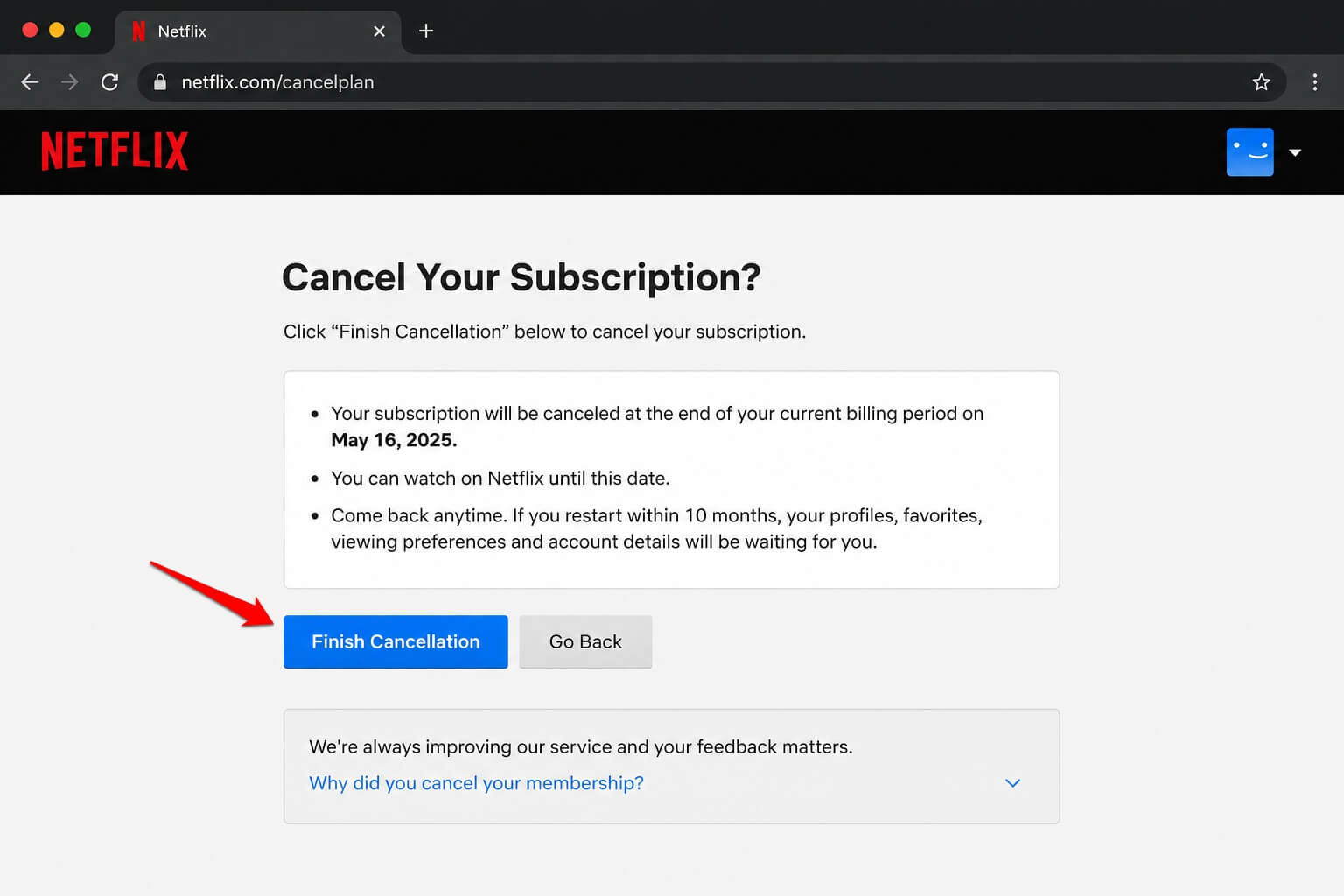
There was a brief, mild panic the first week.
I opened my TV and stared at the apps, then remembered none of them would load because I had cancelled the subscriptions the night before.
I watched something on YouTube. I read a book I had been meaning to read for four months.
By week two, I had stopped reaching for the remote out of habit.
The automatic evening scroll, the fifteen minutes of browsing that turns into thirty minutes of browsing. Somehow, while scrolling and switching apps, it becomes 11 PM, and I have watched nothing. That had stopped.
The absence of that particular time drain was the first unexpected benefit.
By the third week, I started to notice what I actually missed versus what I had assumed I would miss.
I thought I would miss Netflix the most. I missed Max.
I missed specific things: a show I had been meaning to finish, a documentary I had put on the watch list and never started, the sense that there was something on Max I actually wanted to watch rather than something I was settling for because it was there.
Why I did not come back to Netflix?
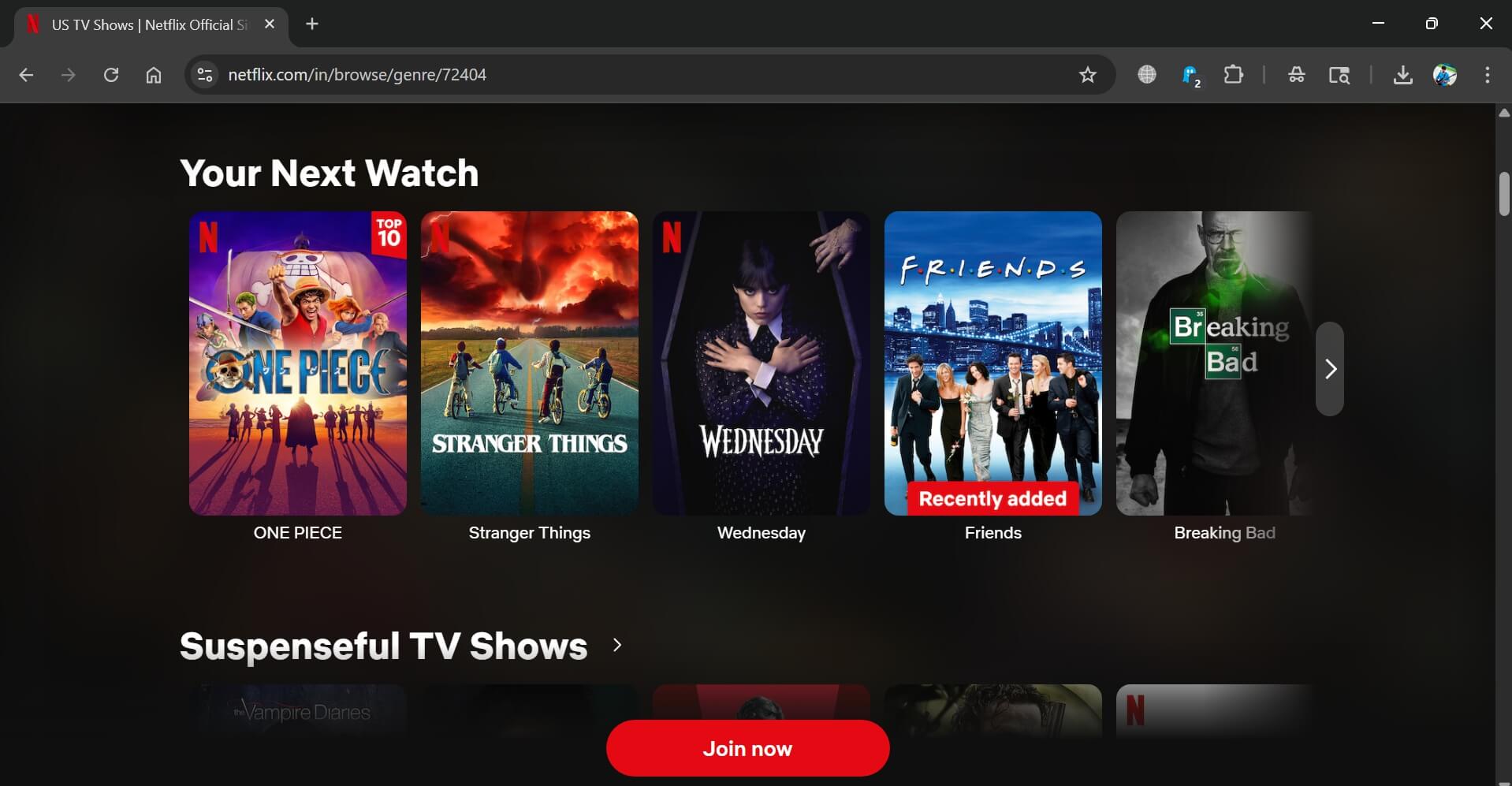
Netflix is the obvious first choice.
It has the largest library of any dedicated streaming platform, with an estimated 7,000 or more titles in the US. Roughly 80 to 100 original films and series per year are released on Netflix.
Even though it has a huge content repository, you can use the Netflix secret codes to search and find content from various genres of entertainment available for streaming.
Netflix undoubtedly offers a reasonable service, and it costs $8.99 a month with ads as of March 2026, which is genuinely competitive.
The problem I had with Netflix was not the content.
It was the relationship I had developed with it. Netflix trained me to browse. The recommendation engine is optimized for engagement, not for finding the thing I would most want to watch.
I would open Netflix, scroll through rows of thumbnails, feel mildly overwhelmed, and eventually rewatch something I had already seen because at least I knew it was good.
That is a personal failure, not a Netflix failure. But it is worth naming because it is common.
The sheer volume of content on Netflix works against you if you are not disciplined about it. The catalog is so large that the decision cost of choosing something new is genuinely high.
I spent more time browsing Netflix than watching it, and when I was honest with myself, the thing I was watching on Netflix most often was a British crime drama I had already seen twice.
Netflix also raised prices in March 2026, with the Standard ad-free plan now at $19.99 and Premium at $26.99. At $19.99 a month for the ad-free experience, that is a hard sell unless Netflix originals are the center of your viewing life. They were not mine.
Why I did not come back to Hulu?
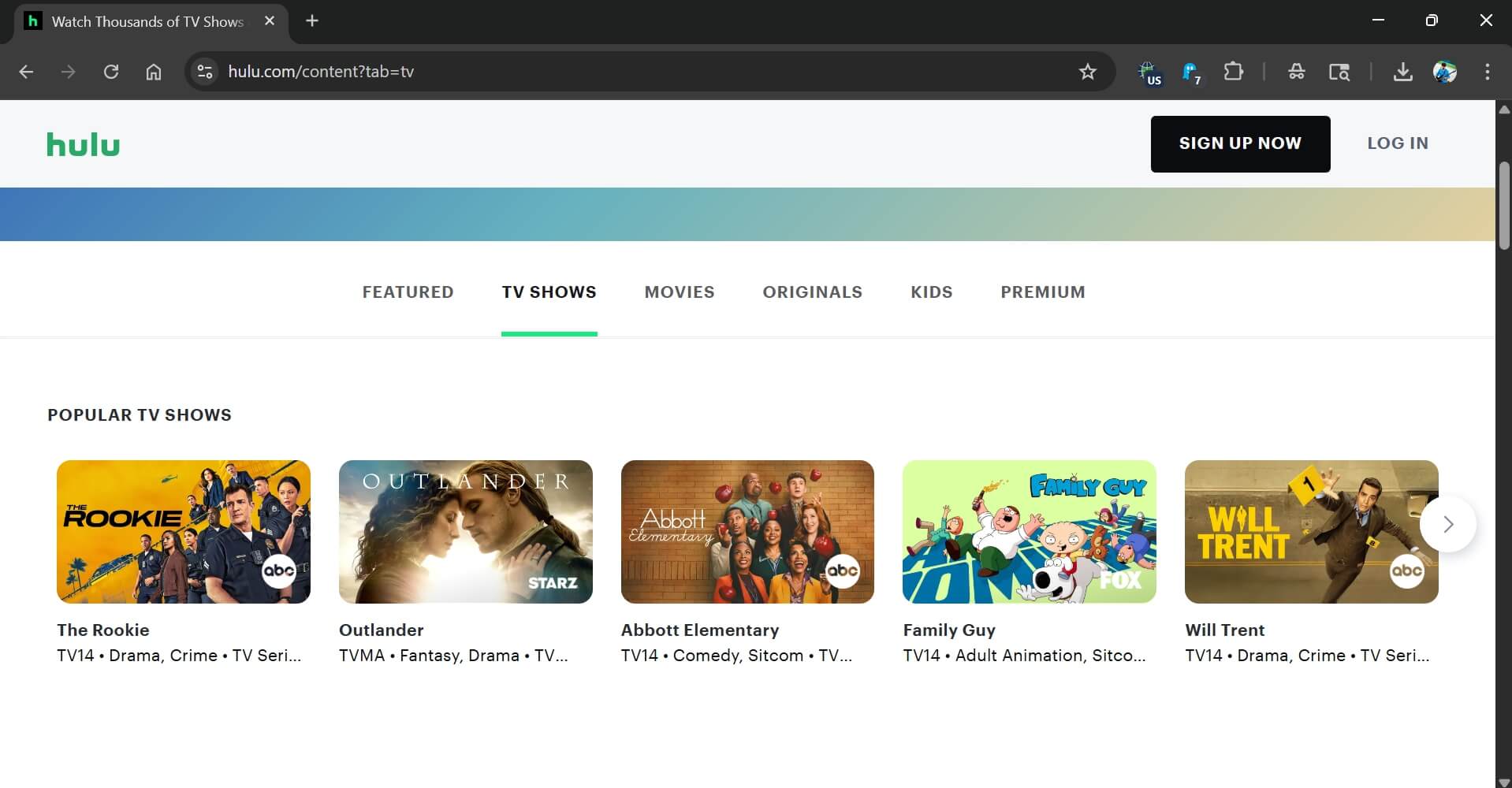 Hulu makes a specific and reasonable argument: if you watch current-season broadcast TV, ABC, NBC, Fox, and FX, Hulu is the only place that gets you next-day episodes without a live TV add-on.
This is a real differentiator. It fills a gap that Netflix and Max do not fill.
The issue is that Hulu filled a gap I did not actually have.
I do not watch appointment television. I do not follow network shows week by week.
The one time I subscribe to a service specifically to watch something is when I hear about a show after it has already finished, which means next-day episodes are irrelevant to my usage pattern.
The content outside of broadcast TV access felt thin to me.
Also, when my subscription was active, Hulu kept logging me out of my account. I fixed that problem anyway, but it was not a good user experience.
The Hulu originals have a mixed record. The FX content that lives on Hulu is genuinely good, Shogun, The Bear, those are real shows, but I found myself thinking that the specifically good Hulu content was a subset of reasons to keep Hulu that did not require the full $11.99 a month with ads.
Disney is in the process of folding the standalone Hulu app into Disney+ throughout 2026, which means Hulu as a standalone service is being phased out anyway.
If you want Hulu content going forward, it increasingly means the Disney+ bundle at $12.99 a month with ads, which is a different value calculation than Hulu alone.
Hulu at $18.99 a month without ads is hard to justify unless current broadcast TV is specifically the thing you are there for. For me, it was not.
Why I came back to Max?
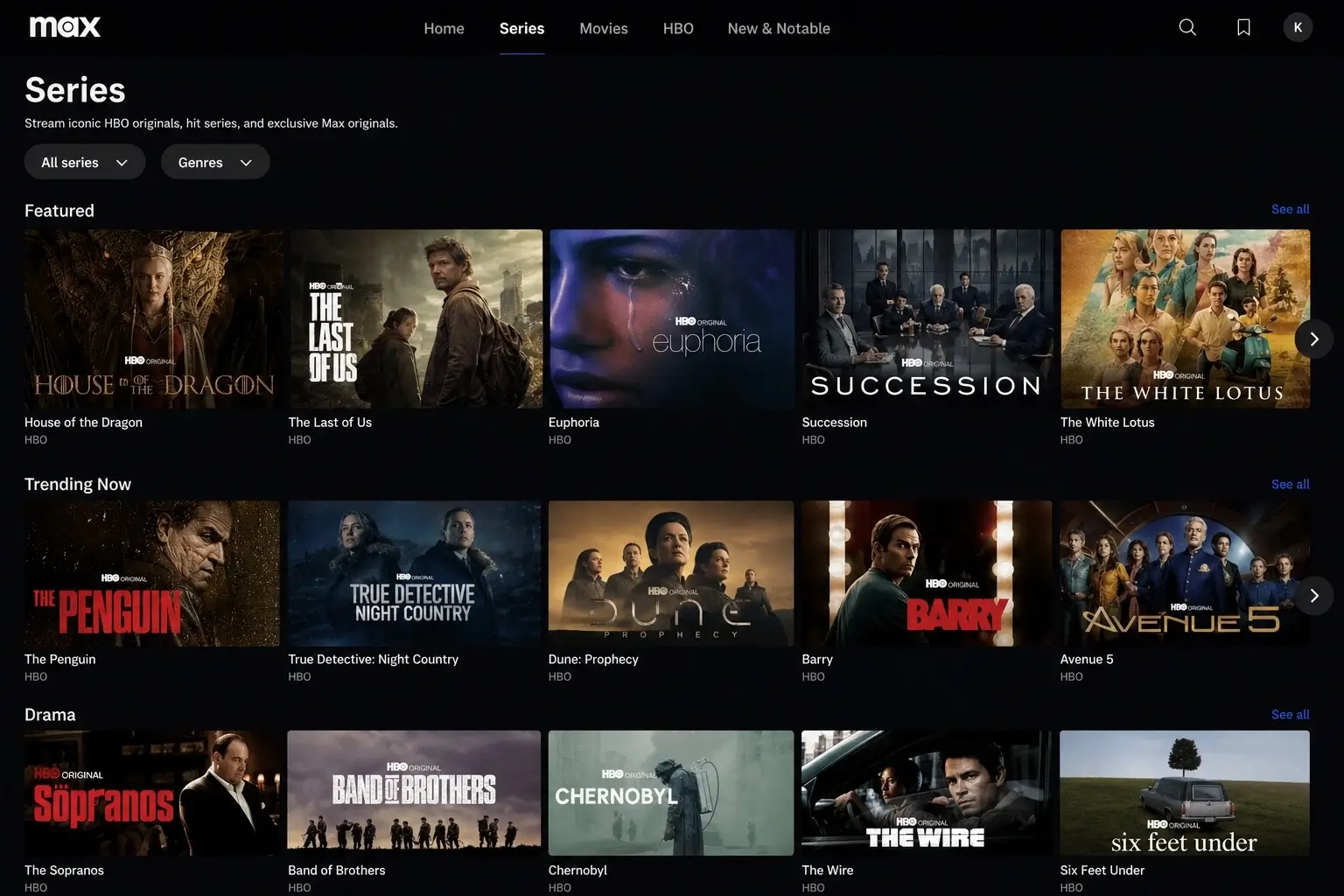
Max costs $10.99 a month with ads and $18.49 a month ad-free.
It is not the cheapest service on this list, and it is not the biggest by raw library size. Max has a catalog of roughly 3,500 titles compared to Netflix’s estimated 7,000 or more.
What Max has is a hit rate. This is hard to quantify, but it is the thing that matters most in practice.
HBO has produced a run of prestige television that is simply difficult to match: The Sopranos, The Wire, Succession, The Last of Us, White Lotus, Euphoria, Barry, Hacks, Industry, and The Pitt.
These are not shows that are good for streaming originals. They are shows that stand alongside the best television that has ever existed.
The Pitt is the most recent example that made me certain I had made the right call. It is a medical drama set in a Pittsburgh emergency room, and it is the kind of show that reminds you what it feels like to watch something that has been made with real care.
I watched the first episode and then stayed up to watch three more, which is the only reliable test of whether something is actually good or whether you are just consuming it because it is there.
House of the Dragon Season 3 is expected in Summer 2026. Euphoria Season 3 is currently airing. The back catalog alone, The Sopranos, The Wire, Game of Thrones, and Succession, is a deeper archive of genuine television than most services can claim.
Max also includes the Warner Bros. film library, which is a valuable source of classic content. The smaller catalog is, counterintuitively, part of what makes Max work for me.
There are fewer shows. The decision cost is lower.
I open Max with a shorter list of things to choose from, which means I make a choice faster and start actually watching something instead of spending twenty minutes looking for something to watch.
Also, technical errors are quite rare on Max and can be fixed easily. I only once had a login issue with the Max app on Android. I solved it in no time.
What did the experiment actually teach me?
The month without streaming services did something useful. It separated the shows I genuinely missed from the habit of having streaming services available.
I did not miss Netflix specifically. I missed having something to watch, which is a different thing.
When I came back to one service, I chose based on which one had produced the most shows I had been glad I watched, not which one had the most shows available. Those are different metrics, and they pointed to different answers.
The pricing math also shifted. One service at $18.49 a month for Max ad-free is $221.88 a year. Three services at ad-free pricing were $689.64 a year.
The staggering $467.76 difference is not a small number for the same amount of actual watching, because I was not watching more just because three services were available.
There is also the rotation argument, which makes sense in theory: subscribe to one service at a time, binge what you want, cancel, and rotate to another. The practical problem is that it requires more active management than most people will actually do.
You cancel Netflix, miss a show that comes out three months later, forget to resubscribe, and realize six months have passed.
It works if you are disciplined about it. Most people, myself included, are not.
What would I tell someone doing the same audit?
The first step is looking honestly at your actual viewing history, not your intentions.
Most streaming services show you what you have watched recently if you look for it. Look at it.
If you find you have watched everything on one service and barely opened another, the answer is obvious.
The second thing is separating content you actively sought out from content you watched because it appeared in front of you.
Passive consumption and active choice point toward different service preferences. I passively consumed a lot of Netflix. I actively sought out specific things on Max.
The third is accepting that a smaller catalog with a high hit rate is worth more than a large catalog you browse for forty minutes and then leave. Library size is a marketing metric. Your watch history is the honest one.
The streaming landscape is changing quickly in 2026.
Hulu is merging into Disney+. Max has reverted to its HBO Max branding in several markets. Netflix raised prices for the second time in roughly fourteen months.
U.S. households spent an average of $3,350 on streaming and TV costs in 2025, according to a Reviews.org survey, a number that prompts the same question I asked myself: Is all of this actually necessary?
For me, one is service. The other two turned out to be habits I was paying for rather than content I was watching.
Frequently asked questions
Which streaming service has the best original content in 2026?
Max consistently produces the highest-rated originals. The HBO library alone, including The Sopranos, The Wire, Succession, The Last of Us, and White Lotus, sets a standard that no other streaming service has matched across its full catalog.
Is Netflix worth keeping in 2026?
At $8.99 a month with ads it is a reasonable value, particularly if you watch frequently and enjoy browsing a large catalog. At $19.99 a month for Standard ad-free, it requires Netflix originals to be the center of your viewing life to justify the cost.
Is Hulu still worth subscribing to as a standalone service?
Hulu is being folded into Disney+ throughout 2026, making it a less relevant standalone choice. It makes the most sense for viewers who specifically want next-day broadcast TV episodes from ABC, NBC, Fox, and FX.
What does Max cost in 2026?
Max costs $10.99 a month with ads and $18.49 a month ad-free, with a Premium 4K plan at $22.99 a month. Pricing held steady through 2026 after a late 2025 increase.
Is it worth cancelling all streaming services temporarily?
Yes, for one billing cycle. It separates the shows you genuinely miss from the habit of having streaming services available, which makes it much easier to identify which single service delivers the most actual value for your viewing habits.
What is the cheapest way to watch Max in 2026?
The $10.99 ad-supported plan is the cheapest direct subscription. Verizon myPlan subscribers can add Max for $10 a month as a carrier add-on, and various bundle deals with Disney+ and Hulu are available through the Disney+ website.