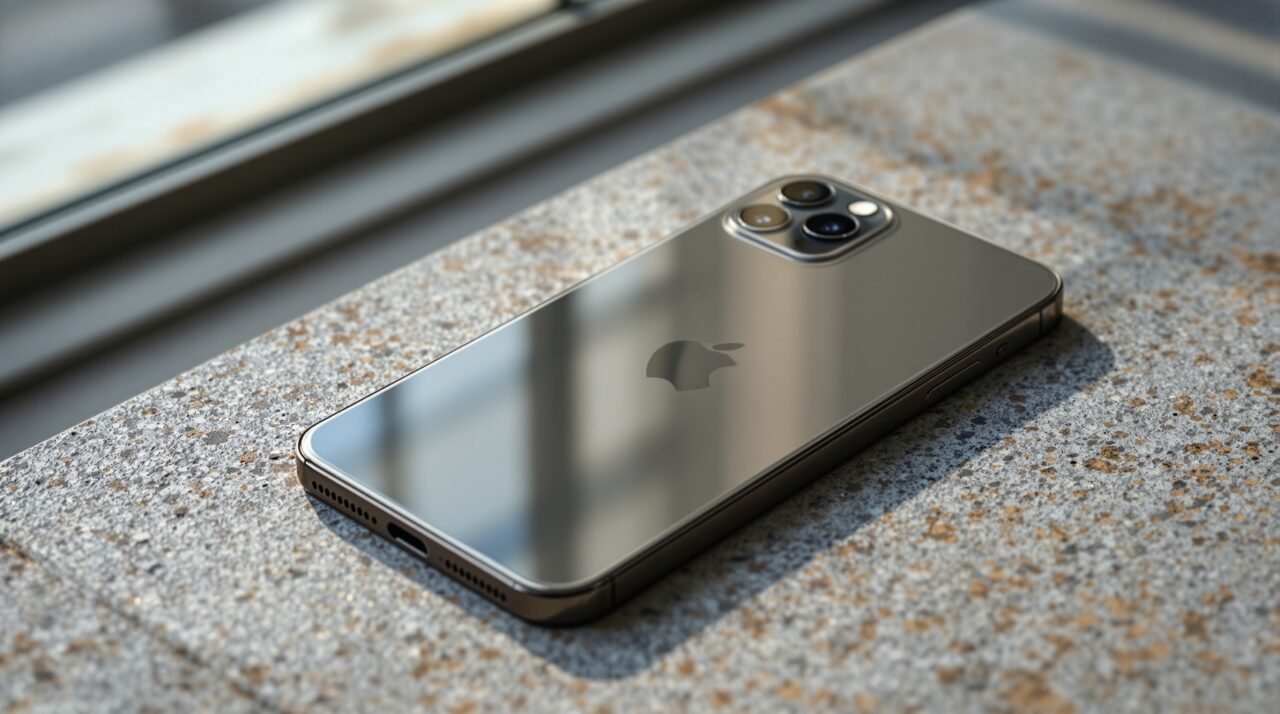
Apple is expected to jump the iPhone 18 front camera from 12MP to 24MP across the entire lineup, the largest single-generation front camera resolution increase the company has ever made.
That fact will appear in every spec comparison published in September. What most reviews will not explain clearly is why the jump matters, and it has almost nothing to do with the megapixel count itself.
TL;DR: The iPhone 18 lineup is expected to feature a 24MP front camera, upgrading from the 12MP sensor used for the past six generations. While the higher resolution improves detail for video calls and portrait crops, the more significant upgrade is an expected larger physical sensor, which will notably boost low-light performance. All four iPhone 18 models are anticipated to receive this update.
Why 12MP lasted so long on the front camera
Apple kept the iPhone front camera at 12MP from the iPhone 11 through the iPhone 17. That is six generations. The rear main camera went from 12MP to 48MP over the same period. The gap was not an oversight. Apple made a deliberate choice that 12MP was sufficient for FaceTime and selfies, and that the engineering priority was the rear system.
The problem is that 12MP became a visible limitation once Apple started doing computational photography on the front. Portrait Mode on the front camera requires the software to separate subject from background using a lower-resolution sensor than the rear. The result is fine in good light.
In anything less than perfect conditions, the edge detection struggles in ways the rear camera does not. People who use front Portrait Mode regularly have learned to avoid backlit situations, or they have just accepted that front portraits look slightly softer.
| iPhone model | Front camera resolution | Aperture | Front 4K video |
|---|---|---|---|
| iPhone 11 series | 12MP | f/2.2 | No (1080p max) |
| iPhone 14 Pro | 12MP | f/1.9 | Yes, 4K 60fps |
| iPhone 17 series | 12MP | f/1.9 | Yes, 4K 60fps |
| iPhone 18 series (expected) | 24MP | TBC | Yes, 4K 60fps minimum |
What 24MP actually enables
The resolution jump from 12MP to 24MP doubles the pixel count. That is not the same as doubling image quality, and it is important to say that clearly. What it does enable is a genuine change in how Apple can process the front camera output.
The most useful application is computational cropping during video calls. FaceTime’s Center Stage feature, which keeps you in the frame as you move around, currently crops into a 12MP sensor.
The further it crops, the more visible the quality loss becomes on a large display. A 24MP sensor gives Center Stage significantly more headroom before the crop becomes noticeable. On a MacBook display or a TV during a SharePlay session, that difference is real.
Portrait Mode on the front camera is the other area. Apple’s edge detection algorithm works better with more data to parse.
A 24MP capture gives the segmentation model more pixels to work with at the subject boundary, which means the background blur begins and ends in more accurate places.
The improvement will be most visible in mixed-light conditions, exactly where 12MP front Portrait Mode shows its limitations.
The sensor size question that matters more than megapixels
Resolution tells you how many pixels the sensor captures. Sensor size tells you how much light each pixel can gather. A sensor with twice the pixels but the same physical size as before is not better in low light. It is actually slightly worse per pixel because the individual photosites are smaller.
The meaningful upgrade in the iPhone 18 front camera, if supply chain reports hold, is that the sensor itself is expected to be physically larger than the current front camera unit.
A larger sensor captures more light per frame, which is what actually improves low-light front camera performance. That change matters more than the megapixel jump for anyone who takes selfies or video calls indoors.
It is also the harder thing to communicate in a launch keynote, which is why most coverage will lead with the 24MP number instead.
Which iPhone 18 models get the upgrade
All four expected iPhone 18 models are reported to receive the 24MP front camera. Bloomberg’s Mark Gurman noted in April 2026 that Apple is applying the upgrade across the full lineup rather than restricting it to the Pro models.
That is a meaningful change from Apple’s typical tiering strategy, where front camera improvements often stay Pro-exclusive for a generation before trickling down.
For people on iPhone 12 through iPhone 14 still running the same 12MP f/2.2 front camera from 2020, the iPhone 18 front camera will be a visible improvement.
Whether it is compelling enough to upgrade depends entirely on how much you use the front camera. If your use case is primarily Instagram Reels and FaceTime calls with family on a TV, the difference will be noticeable. If you rarely shoot front camera content, it will not move the needle.
What the launch coverage will get wrong
Every iPhone 18 review published in September will show a comparison shot of a selfie taken on the iPhone 17 next to one taken on the iPhone 18. The iPhone 18 shot will look sharper and have cleaner background separation. That is accurate.
What most reviews will not explain is that the sharpness improvement is partly from the larger sensor capturing more light, not just from having more pixels.
And the edge detection improvement comes from better computational processing with more data to work with, not from an aperture change.
The honest summary is that the iPhone 18 front camera will be meaningfully better than the iPhone 17 front camera for people who care about front camera quality. It will be a step change compared to anything before the iPhone 14. But the megapixel number is the least interesting part of the story.