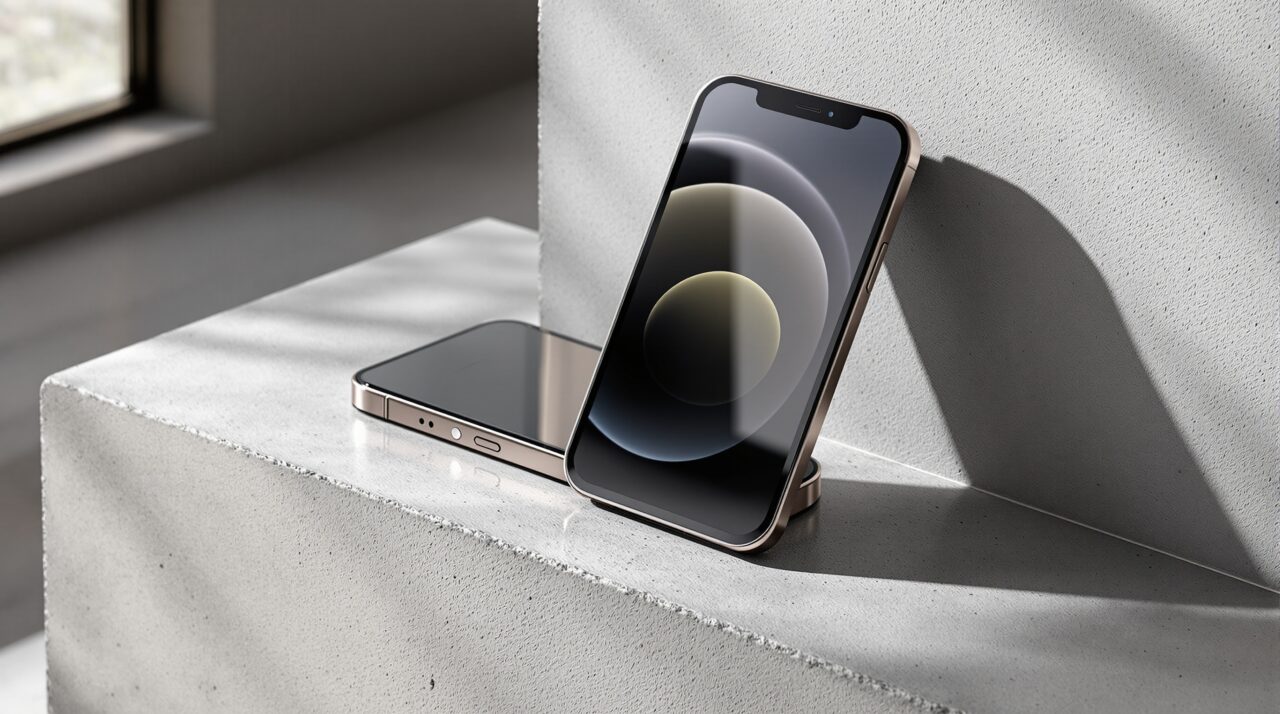
The iPhone 18 Pro Max may become noticeably heavier and thicker in 2026, and that could be a problem for users who already find Apple’s largest iPhone difficult to use one-handed. A new leak suggests the device could cross 240 grams and measure 8.8mm thick, up from the iPhone 17 Pro Max’s reported 233 grams and 8.75mm profile.
But the reason Apple is adding that weight and thickness matters, because it is not a manufacturing compromise or a design oversight. It is a deliberate trade-off for battery, and that context changes how most people will feel about it.
TL;DR: The iPhone 18 Pro Max will be marginally thicker at 8.8mm and likely heavier than 240 grams. The extra room is going toward a 5,100 to 5,200mAh battery cell, up from around 5,088mAh on the 17 Pro Max. Paired with the more efficient A20 Pro chip, that could push daily endurance past 40 hours of mixed use. For most people, the weight difference will be imperceptible next to the battery gain.
How much heavier is it, in real terms
The jump from 233 to 240-plus grams is roughly 7 to 10 grams. That is less than two US quarters. To feel that difference in your hand without a side-by-side comparison would require a fairly calibrated sense of weight. Most people would not notice it picking up the 18 Pro Max cold, having not held its predecessor recently.
Where it does accumulate is over time. A phone you hold for several hours during a commute, a flight, or a long day out will feel slightly heavier by the end of it. Whether that registers as meaningful depends entirely on how you carry your phone and how long your average usage sessions run.
The thickness increase from 8.75mm to 8.8mm is 0.05mm. That is thinner than a human hair. No case, no pocket, and no hand will detect that difference. It exists on a spec sheet but nowhere else.
What the extra space is actually buying you
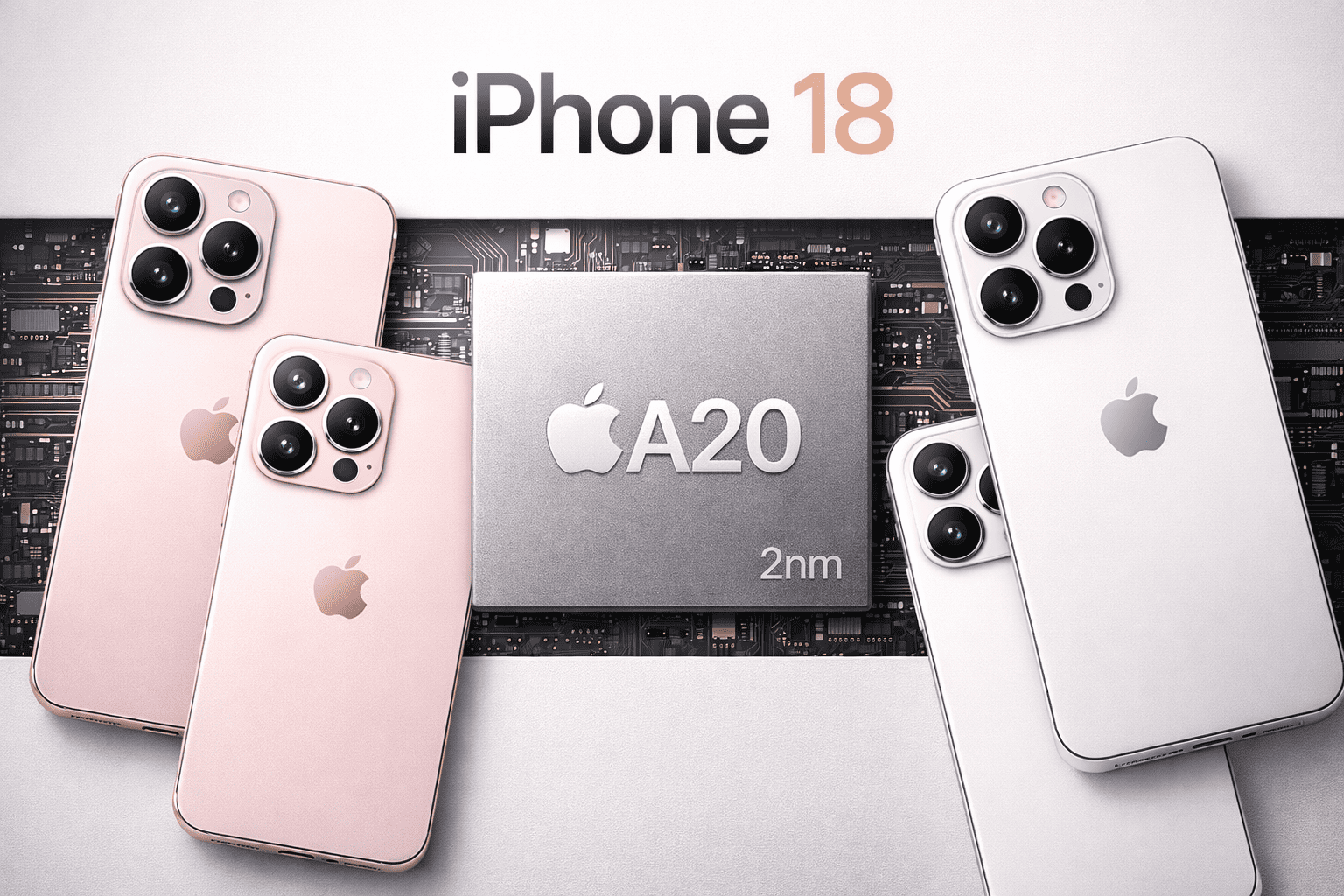
Current leaks point to a 5,100 to 5,200mAh battery in the iPhone 18 Pro Max, depending on whether the unit has a physical SIM tray or is eSIM-only. MacRumors reports eSIM-only models are expected to sit at the upper end of that range, closer to 5,200mAh.
The iPhone 17 Pro Max shipped with around 5,088mAh, so the raw capacity increase is modest on paper. The bigger story is the A20 Pro chip, built on TSMC’s 2nm process, which is expected to deliver 15 to 30 percent better power efficiency compared to the A19 Pro.
That efficiency gain, not just the larger cell, is what drives the endurance numbers some reports are projecting: over 40 hours of mixed use in optimistic estimates.
The iPhone 17 Pro Max already leads most battery rankings among flagship phones despite a similar capacity to some Android rivals. Apple’s efficiency advantage comes from tight integration between hardware and iOS. The 18 Pro Max is building on that lead, not starting from scratch.
How this compares to the competition
Samsung’s Galaxy S26 Ultra and Google’s Pixel 11 Pro Max both arrive with large battery cells and fast charging speeds. Samsung in particular tends to lead on charging wattage, where Apple has historically moved slowly.
Apple has not confirmed charging speeds for the iPhone 18 Pro Max, and leaks have not produced specific wattage numbers. If Apple maintains its current charging pace while Samsung pushes higher wattage options, that gap will remain.
The trade-off Apple is making is endurance over speed of refill. Whether that suits your usage depends on whether you typically charge overnight or in short bursts throughout the day.
For overnight chargers, a 40-plus hour battery means charging every other night in moderate use. That is a meaningful quality-of-life shift. The 20-percent-at-7pm anxiety disappears when your phone still has 50 percent left when you go to bed.
One thing worth keeping in mind
Battery capacity numbers from leaks are often unconfirmed until an iFixit teardown lands after launch. The 5,100 to 5,200mAh figure comes from supply chain reports and should be treated as a likely range, not a guaranteed spec.
The efficiency gains from the A20 Pro are similarly projection-based until real-world testing arrives in September.
What is confirmed is that Apple deliberately chose to make the 18 Pro Max slightly larger. That decision does not happen accidentally at Apple. The iPhone 18 Pro design is otherwise largely unchanged from the 17 Pro, which means the thickness and weight change is intentional and battery-motivated.
That is a reasonable call. The question is whether 7 to 10 extra grams over a full day feels worth two days of charge. For most people who have lived with battery anxiety on any phone, it almost certainly will.
The kind of person who carries a portable charger everywhere, or who starts rationing screen time by 3pm, is exactly who this trade-off is made for.
A slightly heavier phone that comfortably lasts until tomorrow morning is a better practical tool than a lighter one that needs a top-up before dinner.