Apple announced a smarter Siri at WWDC in June 2024. It would understand your personal context, see what was on your screen, and take actions across apps. It was the flagship feature of Apple Intelligence.
Two years later, none of those three things have shipped. The iOS 27 Siri app is Apple’s answer to that gap, but it is not the same thing that was promised.
According to Bloomberg’s Mark Gurman, Apple is testing a standalone Siri app for iOS 27 alongside a new Ask Siri feature that works across the operating system. The new Siri is a chatbot, competitive with ChatGPT and Gemini, and it is expected to be unveiled at WWDC on June 8, 2026.
TL;DR: iOS 27 is expected to bring a standalone Siri app with full chatbot functionality, conversation history, text and voice input, and Dynamic Island integration. The underlying model is Gemini, under a reported $1 billion per year deal with Google. Personal context, onscreen awareness, and in-app actions, the features Apple promised in 2024, are expected to arrive alongside this but have not been confirmed as ready. Everything gets confirmed at WWDC on June 8, 2026.
What the new Siri app is supposed to do
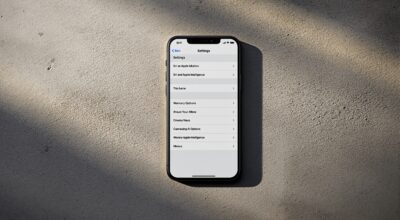
The standalone Siri app works like any modern chatbot. You open it and see a list or grid of past conversations, with options to search, favorite, or start a new one. Both text and voice input are supported.
Gurman’s reporting describes conversation history as a core part of the experience, which is a meaningful shift from the current Siri, which forgets everything the moment you close it.
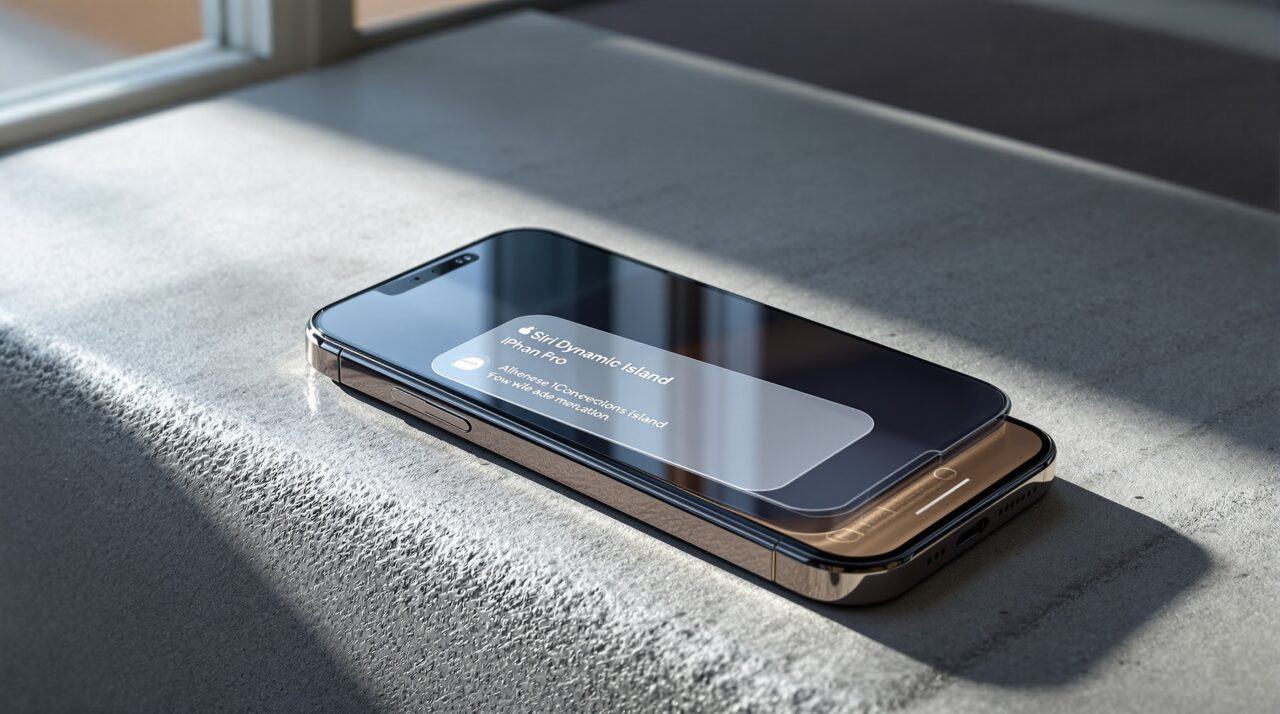
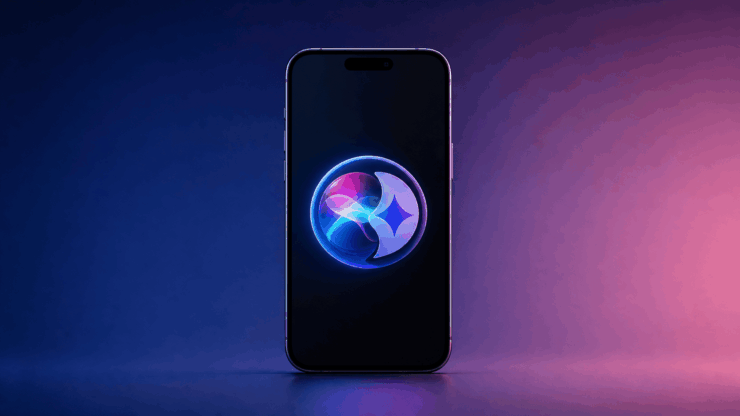
The Dynamic Island integration is the most visually distinctive change. When Siri processes a request, a glowing icon and a searching label appear in the Dynamic Island. Once done, it expands into a translucent panel with the result.
Pulling down on that panel opens the full conversation interface. Apple is also testing an Ask Siri button inside menus of other apps, giving users a way to send content directly to Siri with a request without leaving what they are doing.
For the full picture of what else is changing in September, the iOS 27 features and release date breakdown covers everything reported so far beyond the Siri overhaul.
Why Google Gemini is underneath all of this
The new Siri chatbot runs on a custom version of Google’s Gemini models. Apple signed a multi-year deal with Google in January 2026, reported by Gurman to be worth approximately $1 billion per year. The arrangement was confirmed publicly by Google Cloud chief Thomas Kurian at the Google Cloud Next event in April 2026.
From the user’s perspective, none of this is visible. There is no Gemini branding inside Siri. It looks and feels like Siri.
Apple processes queries through its Private Cloud Compute framework, which uses hardware-isolated enclaves, meaning Google does not have access to user data sent through Siri. The model weights run within Apple’s infrastructure, not on Google’s servers.
The codename internally is Campos. The project represents a fundamental rebuild of Siri’s conversational stack, moving from a limited command interface to a system capable of web search, content summarization, and multi-step reasoning. Whether the shipped version matches that description is a question June’s betas will start to answer.
The features Apple originally promised are still unconfirmed
This is the part worth being clear about. At WWDC 2024, Apple showed three headline Siri capabilities: personal context, which would let Siri find information across your emails, messages, and photos; onscreen awareness, which would let Siri see and act on what was displayed; and in-app actions, which would let Siri chain tasks across multiple apps. Apple said these would arrive during 2025.
In March 2025, Apple issued a public statement confirming the delay, telling reporters it would take longer than expected. Tim Cook addressed it on an earnings call in May 2025, acknowledging the company needed more time. By October 2025, all three features were still missing from iOS 26.
Gurman’s reporting on the new Siri app includes references to personal context and onscreen awareness arriving alongside iOS 27, but these have not been confirmed as ready.
The honest read is that the standalone Siri app and the chatbot experience are new additions, not replacements for what was delayed. Apple is building something new on top of a foundation that is still incomplete.
That is not necessarily bad. The chatbot functionality is genuinely useful. But the two things are worth keeping separate when evaluating what iOS 27 actually delivers for Siri.
What this actually changes for someone using Siri today
Right now, Siri has no memory. Every conversation starts from zero. If you ask a follow-up question, Siri treats it as a new request with no awareness of what came before.
Most people who have tried using Siri for anything complex have hit this wall and opened ChatGPT instead.
The new Siri app changes that specific thing. Conversation history, multi-turn dialogue, the ability to say something like follow up on that without re-explaining the full context.
That alone makes Siri meaningfully more usable for the tasks where it currently falls apart. Whether it competes with ChatGPT or Gemini in quality of reasoning is a separate question. The infrastructure for a real back-and-forth is at least finally being built.
What iOS 27 does not guarantee is that Siri becomes the assistant Apple described in 2024. That version, the one that knows your mom’s flight time and can pull up the photo a friend sent you and add an address to a contact by reading your screen, is still partially unconfirmed for this cycle.
The chatbot app is real and coming. The rest is worth waiting to see confirmed on June 8.