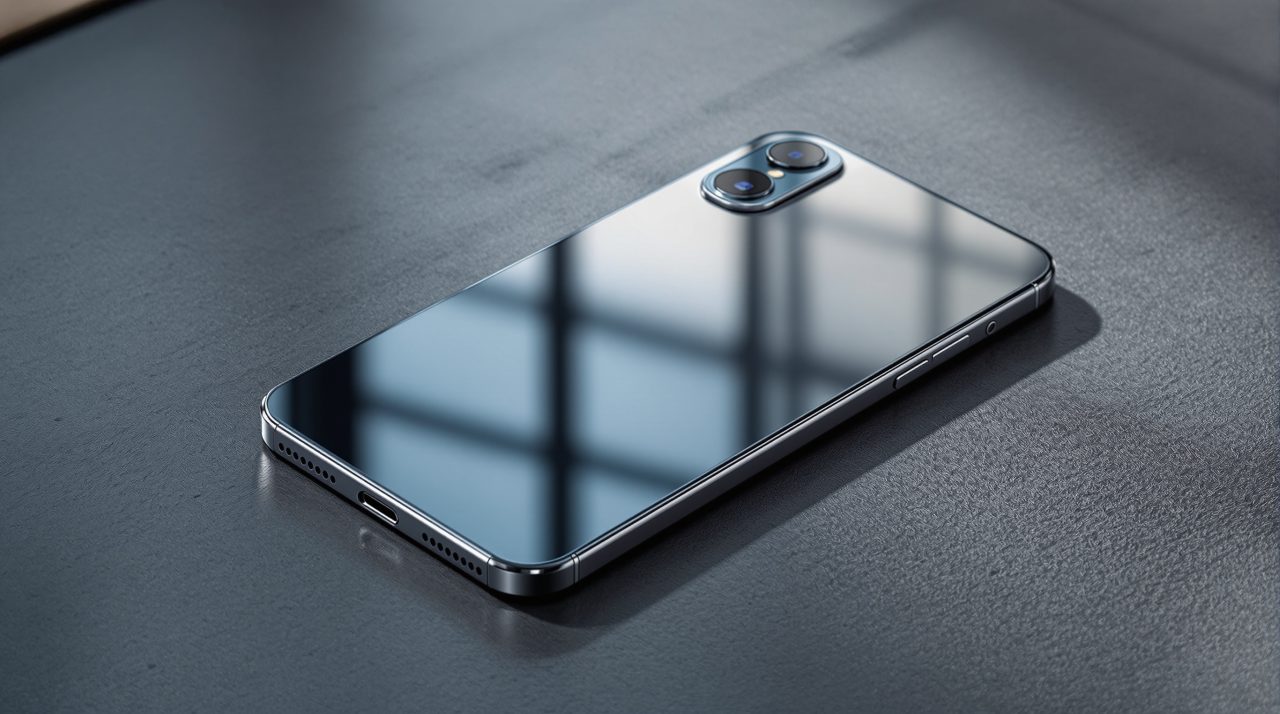
Apple’s iPhone 18 Pro will keep a Qualcomm modem inside every US model this September, according to internal engineering documents stolen from supplier Tata Electronics in a cyberattack.
The reason comes down to a limit nobody expected Apple to still be fighting this late: its own C2 modem cannot handle the mmWave 5G bands that US carriers rely on for their fastest connections.
International iPhone 18 Pro units skip mmWave and switch to Apple’s in-house chip instead, so which modem sits inside your phone now depends on which country sold it to you.
TL;DR: Leaked Tata Electronics documents show the iPhone 18 Pro splitting into two modem builds. US units keep Qualcomm’s SDX80M chip for mmWave 5G, while international models switch to Apple’s own C2 modem, which still cannot handle mmWave. The split traces to two distinct logic board part numbers found in the stolen files. The same leak points to a new Sony camera sensor tied to a rumored variable aperture lens, and hints China could get eSIM instead of a physical SIM tray.
Why the iPhone 18 Pro needs two different modems
The split traces back to a limitation, not a design choice. Apple’s C1 and C1X modems already skip mmWave support, and the leaked C2 schematics analyzed by AppleInsider show the same gap carrying over into this generation.
mmWave is the ultra-fast, short-range 5G band that carriers like Verizon and T-Mobile lean on heavily in dense US cities. Qualcomm’s SDX80M baseband still outperforms anything Apple has built in-house for that specific band, which is why Apple is not willing to gamble on it yet.
The US iPhone 18 Pro logic board reportedly carries part number 820-04340-06, built around Qualcomm hardware. The version sold in markets without mmWave carries part number 820-04305-06, running on Apple’s C2 chip instead. Two boards, two modems, one phone name.
| iPhone 18 Pro variant | Modem | mmWave 5G | Logic board part number |
|---|---|---|---|
| US models | Qualcomm SDX80M | Yes | 820-04340-06 |
| International models | Apple C2 | No | 820-04305-06 |
What this actually means for US buyers
US buyers are not losing anything here, and that is the quiet upside of this leak. Qualcomm’s modem is the proven part, the same baseband family every iPhone has shipped with since 2018, and it keeps mmWave performance intact for the carriers still marketing it as a selling point.
The tradeoff shows up somewhere else. Apple has spent years and reportedly billions of dollars trying to cut Qualcomm out of the iPhone lineup entirely, a goal that started quietly with the iPhone 16e and continued through parts of the iPhone 18 Pro leak cycle now pointing toward a fully in-house modem across the board.
That difference is worth more than the spec sheet lets on. Every year Apple ships a Qualcomm modem inside its highest-volume US phones is another year Qualcomm keeps collecting licensing revenue on Apple’s most profitable product line.
The camera and SIM changes hiding in the same leak
Modem hardware is not the only detail sitting in the stolen files. Component lists point to a new Sony IMX905 sensor replacing the current main camera hardware, which lines up with earlier rumors of a variable aperture lens arriving on the Pro models this year.
China may see the bigger change of the two. The leaked region-configuration spreadsheets suggest Apple could retire the dual physical SIM tray for iPhone 18 Pro units sold there, replacing it with eSIM support in that market for the first time.
How much to trust a leak built from stolen files
This is not a scoop from a leaker choosing to share information. It comes from a cyberattack that pulled more than 630GB of engineering files from Tata Electronics, one of Apple’s manufacturing partners, first reported by AppleInsider in late June and expanded on since.
Stolen internal documents carry their own kind of reliability, separate from a tipster’s track record. Engineers do not design decoy logic boards for a supply chain partner, so part numbers and component lists tend to hold up better under scrutiny than a rendering or a secondhand description ever could.
None of this is official, and Apple has not commented on the breach or the modem split. Treat the specific part numbers as reported, not confirmed, until Apple’s own supply chain moves closer to September.
One more generation before Apple stands on its own
Apple’s modem roadmap keeps sliding right by roughly a year at a time, and this leak confirms the pattern continues straight into the iPhone 18 Pro. The C1 struggled with mmWave, the C1X repeated that limit, and now the C2 lands in the same spot for Apple’s best-selling phones.
If the pattern holds, the real test arrives with whatever chip follows C2. Until then, the iPhone sitting in an American pocket next September will still owe part of its connection to Qualcomm, whether Apple markets it that way or not.