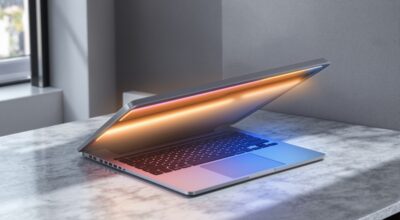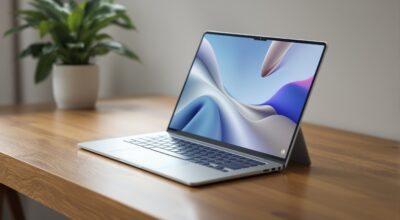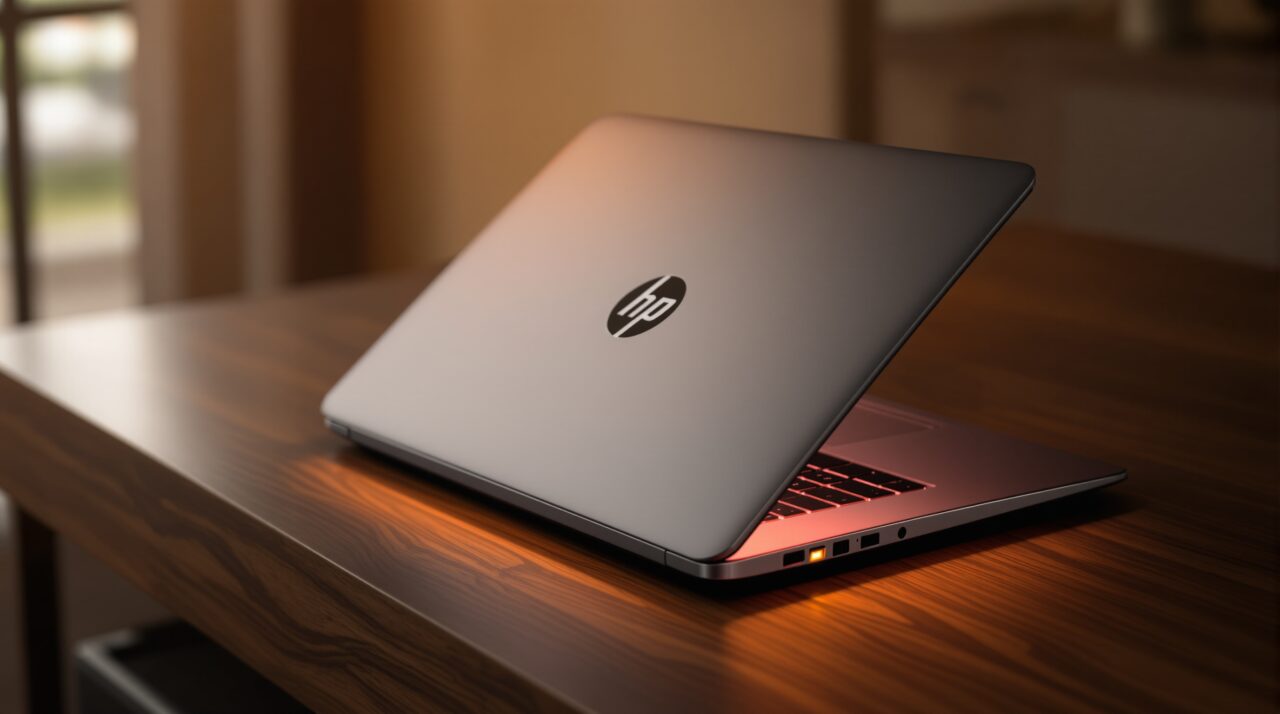
Google announced the Googlebook on May 12, 2026, at The Android Show: I/O Edition, and it was one of the more unusual product reveals in recent memory. The company confirmed a new laptop category, named five hardware partners, showed teaser renders, demonstrated four software features, and disclosed exactly zero hardware specifications. No chip names. No RAM tiers. No price. No specific launch date beyond “this fall.”
That is the full state of public knowledge going into Google I/O 2026 today, May 19. The keynote may add detail. Until it does, this is everything that is actually known versus everything that is still guesswork.
TL;DR: Googlebook is confirmed for fall 2026, built by Acer, ASUS, Dell, HP, and Lenovo on an Android-based OS currently codenamed Aluminium. Intel and Qualcomm have both confirmed chip partnerships, meaning x86 and ARM configurations are possible. Google VP John Maletis confirmed some existing Chromebooks from 2021 onward may be eligible to transition to the new OS. No pricing, display sizes, RAM, battery specs, or specific launch dates have been disclosed by Google or any OEM partner as of May 19, 2026.
What Google confirmed on May 12
The May 12 announcement at The Android Show: I/O Edition established the Googlebook as a real product category with confirmed partners. Here is the complete list of what Google has actually stated on the record.
| Detail | Status | Source |
|---|---|---|
| Product name | Googlebook (confirmed) | Google official blog |
| OS codename | Aluminium (codename only, final name TBA) | Peter Du, Google, via The Verge |
| OEM partners | Acer, ASUS, Dell, HP, Lenovo | Google official blog |
| Chip partners | Intel, Qualcomm confirmed; MediaTek likely | Tom’s Hardware, chipmaker social posts |
| Launch timing | Fall 2026 | Google official blog |
| Price | Not disclosed | No source |
| Chip specs | Not disclosed | No source |
| RAM | Not disclosed | No source |
| Display size | Not disclosed, various shapes and sizes confirmed | Google official blog |
| Battery life | Not disclosed | No source |
| Glowbar | Confirmed on every Googlebook | Google official blog |
| Magic Pointer | Confirmed, built with DeepMind | Google official blog |
| Quick Access phone sync | Confirmed | Google official blog |
| Cast My Apps | Confirmed | Google official blog |
The Intel and Qualcomm chip confirmations came via social media posts from both companies shortly after the May 12 announcement, as reported by Tom’s Hardware. Intel’s involvement is significant because it hints that Googlebook devices will support x86 architecture alongside ARM, giving OEMs more flexibility in hardware configurations.
The features Google did show and what they actually mean
Even without hardware specs, Google was direct about what the Googlebook experience is supposed to feel like. The four headline features are Magic Pointer, Quick Access, Cast My Apps, and Create My Widget. Of these, Magic Pointer is the most unusual.
Wiggling the cursor activates Gemini, which then reads whatever is on screen and surfaces contextual suggestions. Point at a date to create a calendar event. Select two images and ask Gemini to blend them.
Google and DeepMind built this together, and the marketing around it is careful to say the cursor is “where AI lives” rather than a side panel or a shortcut button. The practical test is whether it works in third-party apps, not just Google’s own, which has not been demonstrated publicly.
Quick Access is the most immediately practical. Your Android phone’s files appear in the Googlebook’s file browser. You can search, view, and insert phone files directly without a cable, manual transfer, or cloud upload step. Cast My Apps extends this further: any Android app running on your phone can project its interface to the Googlebook screen, letting you run mobile apps on the laptop without installing them.
The positioning Google used throughout the announcement was “premium.” Senior Director Alexander Kuscher told Wired that Googlebooks will “sit at the more premium end of the laptop market,” contrasting with Chromebooks. That language, combined with five established OEM partners, strongly suggests a price ceiling above current Chromebook Plus models, which top out around $699.
What is still unknown and matters most for buyers
Pricing is the most important missing piece. Googlebook is being positioned against MacBook Air, Copilot Plus Windows laptops, and the premium Chromebook Plus tier. Until a price is known, the value comparison cannot be made. A Googlebook at $999 competes differently than one at $1,299 or $1,499.
Chip specs matter for performance and battery life. Intel and Qualcomm are both confirmed partners, which means some Googlebooks will be x86 and some will be ARM.
Whether Tensor chips appear in any Googlebook is not confirmed, and the Google Pixel team declined to comment on whether they would develop their own Googlebook hardware.
On-device AI processing is another open question. Gemini Intelligence on Googlebook requires Gemini Nano v3, just as it does on Android phones. Whether Magic Pointer and other context-aware features run on-device or rely on a cloud connection affects both battery life and privacy. Google has not specified how much of the AI processing happens locally versus in the cloud.
Frequently Asked Questions
When does the Googlebook launch?
Google confirmed fall 2026. No specific date has been set by Google or any of the five OEM partners. Fall could mean anywhere from early September to late November.
How much will a Googlebook cost?
Google has not disclosed pricing. The premium positioning and OEM partner lineup suggest a price above current Chromebook Plus models, which top out around $699. A direct comparison with MacBook Air pricing has been implied by Google’s own marketing framing.
What chip will Googlebook use?
Intel and Qualcomm have both confirmed chip partnerships with Google on Googlebook. This means x86 and ARM-based configurations are both possible. MediaTek has also been reported as a likely partner. No specific chip models or performance tiers have been confirmed.
Does Googlebook Quick Access work with any Android phone?
Google has not confirmed whether Quick Access phone sync works with any Android phone or only with Pixel devices. This is one of the key unanswered questions that will affect buyers outside the Pixel ecosystem.
What to watch for at Google I/O 2026 today
Three things will clarify the Googlebook story today. Watch for the final OS name, since that signals how Google is positioning the platform. Watch for at least one OEM to show a real device with a price band. And watch for Magic Pointer working in a third-party app during a live demo, which would confirm the feature’s scope extends beyond Google’s own products.
If none of those three things happen, the Googlebook story remains a well-produced teaser for a product arriving in the fall with no concrete buying decision possible yet.