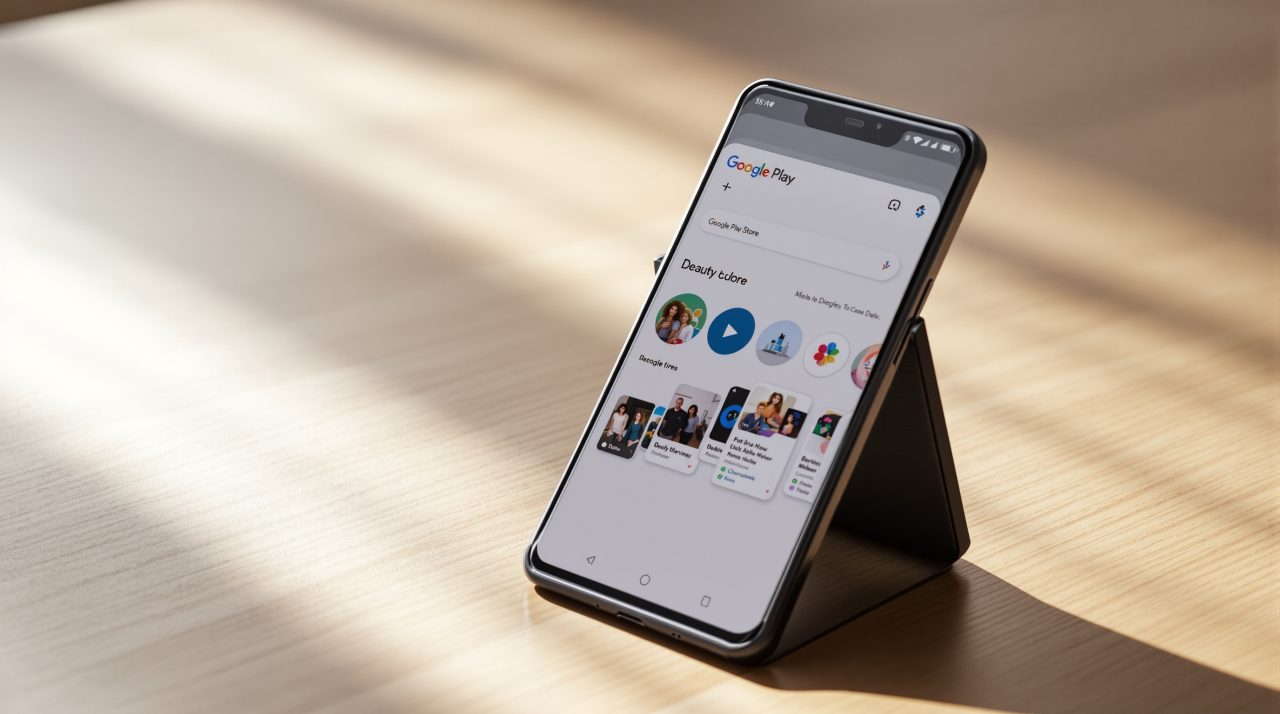
Google is losing its fight to keep rival Android app stores out of the Play Store. Starting July 22, 2026, Google will host third-party app stores directly inside the Play Store app for US users, a change that follows Google and Epic Games jointly withdrawing a settlement that had let Google avoid exactly this outcome.
If you have ever wanted the Epic Games Store, Amazon’s Appstore, or another Android marketplace without manually sideloading an APK file, this is the change that opens that door. Most of what shifts happens behind the scenes rather than on your home screen, at least on day one.
TL;DR: Google and Epic Games have jointly withdrawn their 2025 settlement, meaning Google must now follow the original October 2024 court order in full. Starting July 22, 2026, rival Android app stores get direct access to Google’s US app catalog inside the Play Store itself, paying $5,000 a year for security reviews. Downloads still route through Google Play, and Google’s standard service fee still applies.
Why Google is suddenly backing down
Google agreed in 2025 to a settlement that would have let it avoid hosting rival app stores inside the Play Store, offering developers more billing flexibility instead. That settlement came together against the backdrop of an $800 million partnership between Google and Epic Games, according to Android Authority.
Earlier this week, both companies jointly withdrew that settlement. Google now has to follow the original October 2024 US court injunction in full, the one that first ordered Google to carry competing Android app stores inside its own storefront. Epic and Google are due back in court today to settle the remaining details, and whatever happens there will decide how the rollout actually looks in practice.
Fortnite is the game that started all of this. Epic got the app pulled from the Play Store back in 2020 for skipping Google’s billing system, and getting Fortnite back into an Android storefront without a manual install has been the underlying goal of this lawsuit since it began.
How third-party app stores get into your Play Store
Starting July 22, 2026, any US app or game listing on Google Play, including its name, icon, description, screenshots, and preview videos, becomes available to approved third-party Android app stores automatically through a new enrollment program Google calls Play Catalog Access. Developers can opt out, according to Google’s own developer guidance, but the default is inclusion.
Downloads still complete through Google Play itself rather than the third-party store’s own servers, and Google’s standard Play service fee still applies to those downloads. Third-party stores pay Google $5,000 a year to cover security and policy reviews, and must meet several conditions before they qualify, according to 9to5Google.
Those conditions include clear, non-discriminatory trust and safety policies, being open to any eligible developer, distributing only inside the US, and keeping malware under 1% of total install attempts. That last number is the one worth watching once real stores start enrolling.
| Requirement | Detail |
|---|---|
| Effective date | July 22, 2026 |
| Annual fee to Google | $5,000 |
| Malware limit | Under 1% of install attempts |
| Geographic scope | US only |
| Developer default | Auto included unless opted out |
| Payment routing | Completes through Google Play |
What this means for your phone right now
Nothing changes on your device on July 22 itself. No new app store icon appears, and no existing app disappears from your Play Store search results.
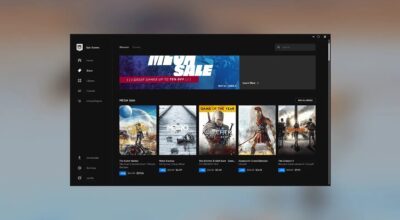
The practical shift happens over the following months, as marketplaces like the Epic Games Store or Amazon’s Appstore potentially gain a listing inside the Play Store itself rather than requiring a separate download and a manual security prompt. That removes one of the biggest friction points that has kept most Android owners from ever trying an alternative store.
Google still runs the security check on every download, even ones initiated through a rival store, since the installation file itself still comes from Google’s own servers. That is the detail most coverage of this change will skip, and it is also the reason this looks less like Google losing control than Google redrawing where that control sits.
Whether this actually creates real competition
Alternative Android app stores are not new. Play Store alternatives like Aptoide, Aurora Store, and Samsung’s own Galaxy Store have existed for years, all requiring a manual install outside the Play Store.
What is new is Google being legally required to carry them inside its own storefront rather than leaving them one settings toggle away. Whether that translates into lower prices or just a handful of extra icons in the same place depends on which developers and stores actually show up before the July 22 deadline.
This is also strictly a US change. Other countries continue under Google’s separate Registered App Stores program, a different mechanism with its own rules, so nothing here applies outside the US regardless of which Play Store region an account is signed into.
The next two weeks will show whether any store beyond Epic’s actually shows up to claim a spot inside the Play Store, or whether this ends up being a policy win that most Android owners never notice in practice.