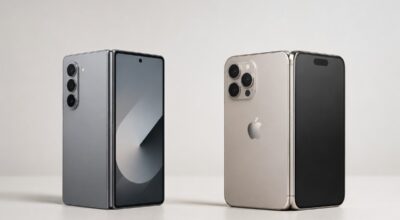
Apple’s first foldable iPhone is on track to be unveiled this September, but getting one anywhere close to launch day may not be realistic. According to Ming-Chi Kuo, Apple’s assembly partners will ship only 0.5 to 1 million foldable iPhone units in the third quarter of 2026, compared to 20 to 22 million iPhone 18 Pro and Pro Max units in the same window.
That gap means the iPhone Fold, expected to carry the name iPhone Ultra, is set to follow the same delayed rollout Apple used for the iPhone X in 2017.
TL;DR: Ming-Chi Kuo’s latest supply chain survey puts total iPhone Fold shipments at 7 to 8 million units for the second half of 2026, with only 0.5 to 1 million ready by the September announcement. Apple will likely unveil the device alongside the iPhone 18 Pro, then delay pre-orders by several weeks, mirroring the iPhone X launch in 2017. Kuo expects delivery times of four to six weeks or longer once orders open, with pricing between $2,299 and $2,499.
Kuo’s iPhone Fold shipment numbers explain the shortage
Ming-Chi Kuo’s newest industry survey, posted July 5, 2026, is specific about how thin the iPhone Fold’s early supply really is. Assembly shipments for the second half of 2026 will land around 7 to 8 million units total.
Only 0.5 to 1 million of those units, roughly 10 percent of the total, will exist by the third quarter, the window that covers Apple’s September announcement. The iPhone 18 Pro and Pro Max, by contrast, are tracking toward 20 to 22 million combined units in the same quarter.
| Milestone | 2017 (iPhone X) | 2026 (iPhone Fold) |
|---|---|---|
| Unveiled alongside mainline iPhone | September 12, 2017 | September 2026 (expected) |
| Pre-orders open | October 27, 2017 | Q4 2026 (expected, per Kuo) |
| First sales | November 3, 2017 | Weeks after pre-order opens |
| Q3 shipment volume | Under 1 million units | 0.5 to 1 million units |
| Supply normalizes | N/A | Q1 2027 (Kuo estimate) |
Kuo has built his reputation on Apple’s supply chain for over a decade, and his numbers here are unusually precise for a device Apple hasn’t even confirmed yet. That precision matters more than the spec sheet does right now.
Apple is repeating the iPhone X playbook
Apple used this exact pattern once before. In 2017, Apple unveiled the iPhone 8, iPhone 8 Plus, and iPhone X together on September 12. Pre-orders for the 8 and 8 Plus opened three days later, but iPhone X pre-orders didn’t start until October 27, six weeks after the reveal.
Kuo expects the iPhone Fold to follow that same script this year. The device should appear on stage alongside the iPhone 18 Pro’s confirmed leaks in September, but pre-orders may not open until sometime in the fourth quarter.
Announcing a phone without letting people buy it for weeks is an odd way to launch a flagship. It also happens to be the only way Apple can control a hardware bottleneck it can’t manufacture its way out of before fall.
What to do if you actually want an iPhone Fold at launch
Once pre-orders do open, Kuo expects the device to sell out almost immediately. Delivery windows could stretch to four to six weeks or longer for anyone who doesn’t order within the first hours.
He also flags a real resale risk. Kuo estimates iPhone Fold units could get scalped for 50 to 100 percent over retail price during the tightest stretch of the shortage.
If a foldable iPhone is genuinely on your list this year, the safest move is treating the pre-order window like a limited drop, not a routine iPhone launch. Waiting a week to think it over could mean waiting until December instead.
The price adds another reason to move fast
Kuo reaffirms a starting price between $2,299 and $2,499 in the US, a figure that lines up with an earlier July 1 report describing Apple’s production orders climbing toward 10 million total units for the model’s full run.
Those two numbers, a 10 million unit order and a 7 to 8 million unit shipment estimate for this year, aren’t in conflict. Orders describe what Apple wants built over the device’s full life cycle. Kuo’s newer figure describes what will actually leave the factory in 2026, with the rest likely spilling into early 2027.
At that price, buyers who miss the first wave aren’t just facing a wait. They’re facing months of price-hike headlines and battery, camera, and hinge comparisons before their own unit ships, which is its own kind of buyer’s remorse.
The real story here is timing, not specs
Kuo expects the launch buzz and the supply crunch to fade by the first quarter of 2027, once assembly catches up with demand. Until then, the iPhone Fold’s Touch ID and hardware decisions matter less than whether you can actually buy one.
Every foldable Apple ships this year will be scarce by design, not by accident. That is the detail most coverage of the device’s cameras and hinge will skip entirely.
For anyone who has already decided this is the iPhone they want, the practical takeaway is simple: the announcement in September is not the moment to act. The pre-order window, whenever Apple opens it, is.