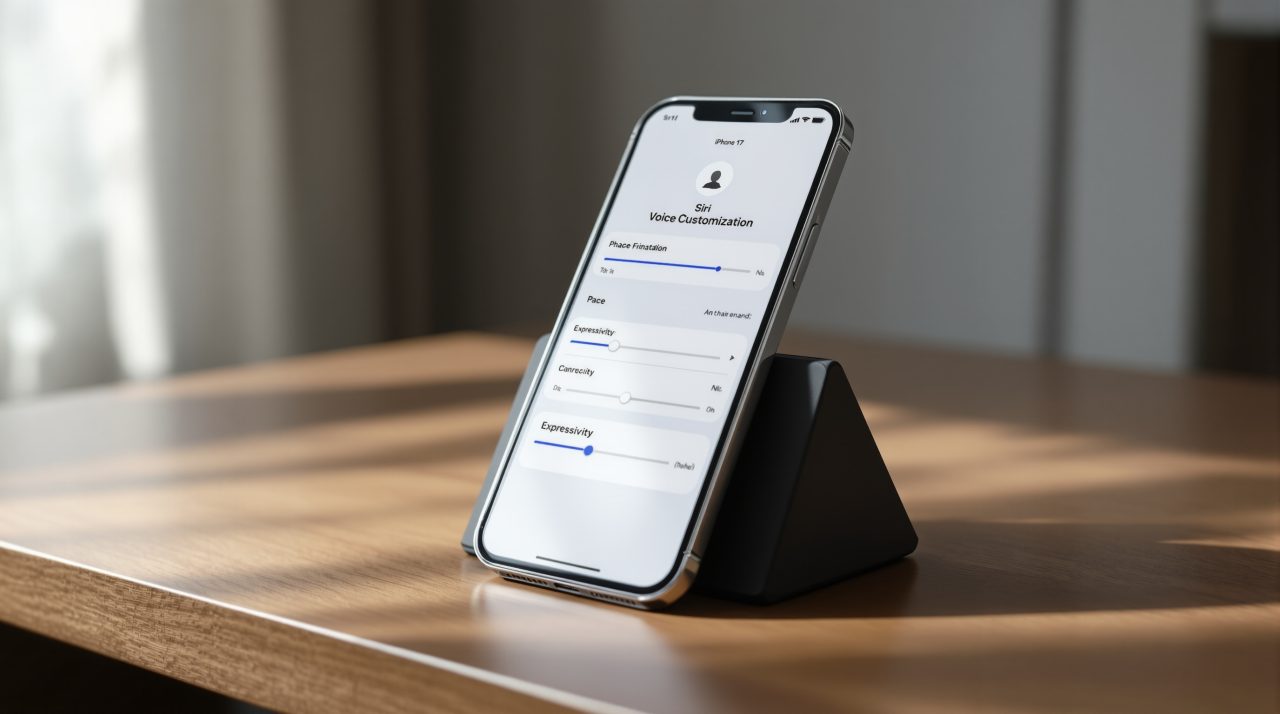
Apple turned on Siri voice customization in iOS 27 beta 3 on July 6, 2026, a feature that sat dormant through two earlier test builds. Developers can now adjust the pace and expressivity of Siri’s voice, picking between two base options, and the toggle finally does something.
The catch shows up fast. Apple’s most advanced on-device Apple Intelligence model powers this customization, and right now only the iPhone 17 Pro and iPhone Air have enough memory to run it. Supply chain analyst Ming-Chi Kuo‘s reporting this week suggests the same 12GB threshold will decide which iPhone 18 models get the feature in 2027, too.
TL;DR: iOS 27 beta 3 turns on Siri’s customizable voice, letting testers adjust pace and expressivity between two voice options. The feature only runs on the iPhone 17 Pro and iPhone Air, because Apple’s most capable on-device Apple Intelligence model needs 12GB of RAM. Ming-Chi Kuo says the iPhone 18 and iPhone 18e will move to 9GB next year, still short of that bar. Only the Pro models and the foldable iPhone Ultra clear it.
What Siri voice customization actually changes
Beta 3 is the third developer build since iOS 27 debuted at WWDC in June, and it activates the pace and expressivity sliders that Apple included but left switched off in the first two versions. Testers can now push Siri’s voice toward faster or slower delivery, and toward more or less expressive phrasing, choosing from two starting voices.
Ask Siri to read a long text message aloud on an iPhone 17 Pro, and the voice now carries a pause between clauses instead of running the sentence together. That is the expressivity slider working as advertised. On an iPhone 17 or iPhone 17e, that menu option simply does not appear.
The customization option sits inside a bigger rebuild. Siri AI in iOS 27 also gets a dedicated app for browsing past conversations, on-screen awareness, and deeper access to installed apps, changes we’ve covered in our look at the new Siri app in iOS 27. None of that context changes what beta 3 unlocks specifically. It is a voice option that only runs where Apple’s hardware allows it.
Why only two iPhones qualify
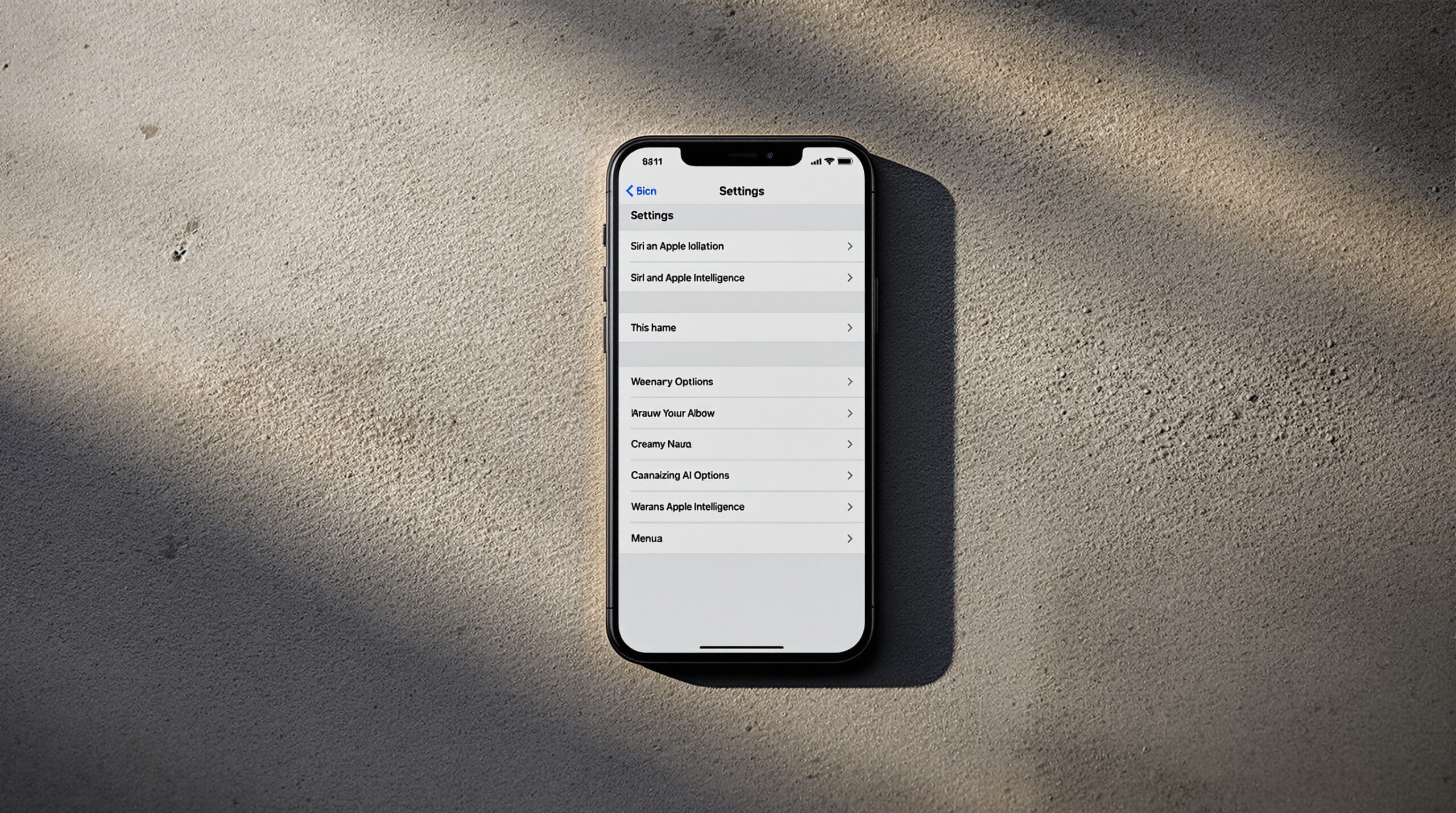
Siri voice customization needs Apple’s most powerful on-device Apple Intelligence model, and Apple’s own beta notes confirm it needs an iPhone 17 Pro or an iPhone Air specifically. That model has a hard floor of 12GB of RAM, which is why the standard iPhone 17 and the budget iPhone 17e are locked out despite running the exact same iOS 27 build.
Apple’s device specifications show iPhone 17 and iPhone 17e shipping with 8GB of RAM, while iPhone 17 Pro, iPhone 17 Pro Max, and iPhone Air all carry 12GB. That makes the iPhone 17 Pro Max’s absence from the confirmed device list notable. It matches the RAM tier of the two phones that do support the feature, yet MacRumors’ rundown of beta 3 names only the Pro and the Air, not the Pro Max. Apple has not explained the gap.
The iPhone Air’s inclusion is the detail worth noticing regardless. It ships without Pro branding or the Pro camera system, but its A19 Pro chip and 12GB of memory put it in the same tier as Apple’s most expensive phone for this one feature. That gap says more about memory budgets than about which phone Apple thinks deserves a better Siri.
The iPhone 18 doesn’t clear the bar either
Kuo’s supply chain note this week says the iPhone 18 and iPhone 18e will move to 9GB of RAM when they launch around March 2027, up from 8GB on the current iPhone 17 and 17e. That is a real increase, and it is still three gigabytes short of what Siri voice customization requires.
Only the iPhone 18 Pro, iPhone 18 Pro Max, and Apple’s foldable iPhone Ultra are expected to carry 12GB of RAM next year, the same figure their 2026 predecessors already have. The base iPhone lineup gains memory without gaining access to the feature tied to it.
| Device | RAM | Siri voice customization |
|---|---|---|
| iPhone 17e | 8GB | No |
| iPhone 17 | 8GB | No |
| iPhone 17 Pro | 12GB | Yes |
| iPhone 17 Pro Max | 12GB | Not confirmed |
| iPhone Air | 12GB | Yes |
| iPhone 18e (2027) | 9GB | No |
| iPhone 18 (2027) | 9GB | No |
| iPhone 18 Pro (2027) | 12GB | Yes, expected |
| iPhone 18 Pro Max (2027) | 12GB | Yes, expected |
| iPhone Ultra (2027) | 12GB | Yes, expected |
Rising component costs explain part of the decision. Our coverage of the broader RAM shortage driving up phone prices walks through why DRAM has gotten this expensive, and the same pressure sits behind the iPhone 18 Pro’s price hike already being reported for this September’s lineup.
Apple is not alone in drawing this line. Every phone maker balancing AI ambitions against memory costs ends up making a similar call somewhere in its lineup, and this is where Apple made it two generations in a row.
What this means for your next iPhone
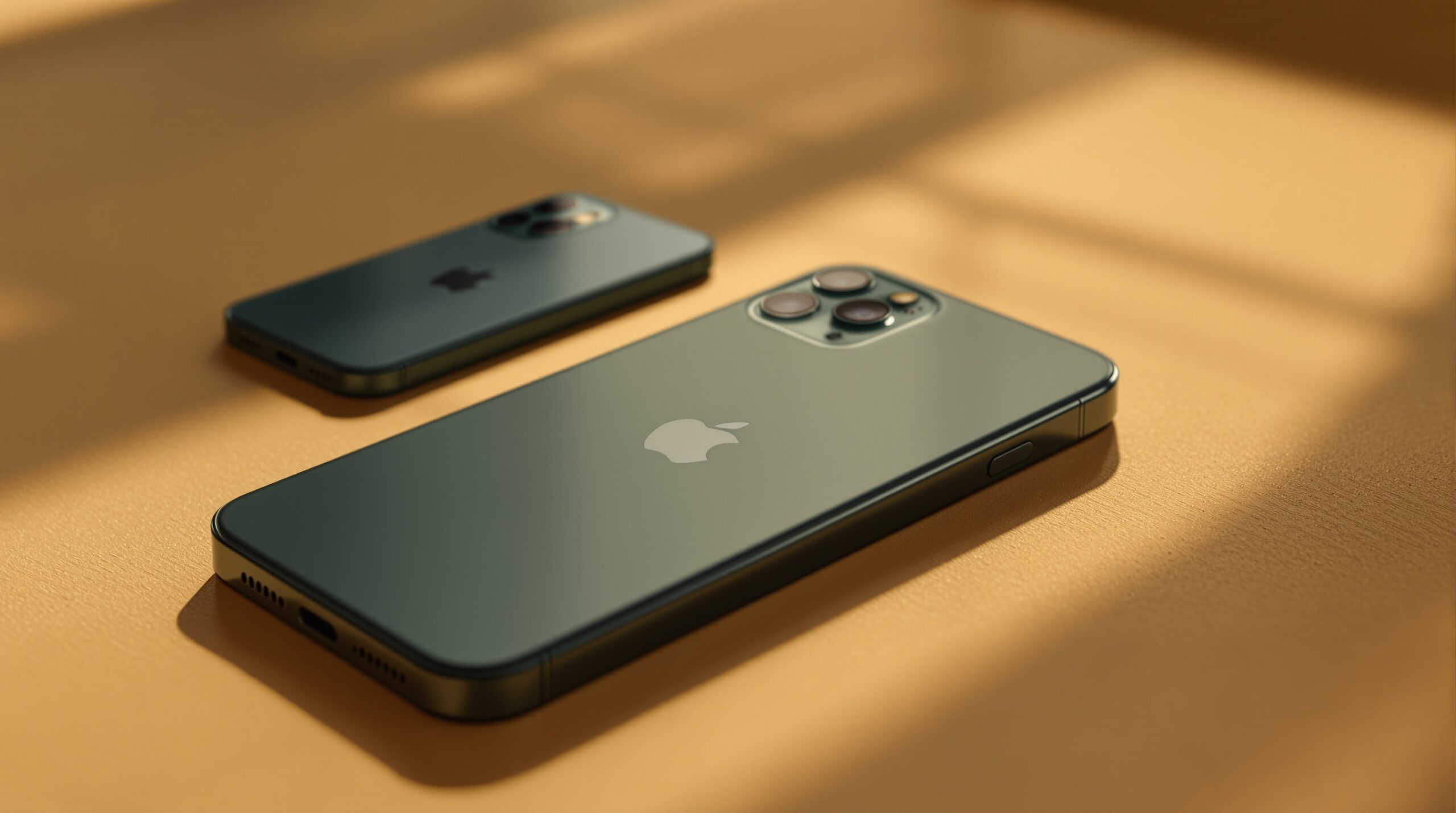
If Siri’s customizable voice or the sharper dictation accuracy in iOS 27 matters to you, the phone you buy this year has to be an iPhone 17 Pro or iPhone Air. Nothing about the standard iPhone 17 changes that math, and nothing about the iPhone 18 will change it either.
Buyers waiting for the standard iPhone 18 in 2027 should plan around the same limitation instead of assuming next year’s refresh fixes it. The 9GB bump helps with everyday multitasking and general Apple Intelligence tasks, but it does not clear the specific threshold this one feature needs.
For most people, that is a footnote. For anyone who leans on Siri daily and wants a voice that doesn’t sound generic, it is the difference between a phone that keeps up with Apple’s own software and one that quietly can’t.