Google has opened a preview of the platform behind Gemini Connected Apps, which lets outside apps finish real tasks inside Gemini and Google Search. In its October 28, 2026 announcement, Google said more than 50 Connected Apps are already live across the two products.
If you have ever asked an assistant for something and been handed a list of links instead of a result, this is the plumbing meant to fix that. It also shows where Gemini is heading, because the apps that matter are the ones you already use.
TL;DR: Google opened a preview of its Connected Apps Platform, which lets developers plug apps into Gemini and Search through a cloud MCP server or Android MCP. Adobe, Experian, Localiza and Peloton are live in Gemini, with Search to follow. The on-device Android path is still experimental, so the cloud route is what people will actually see first.
How Gemini Connected Apps work for users
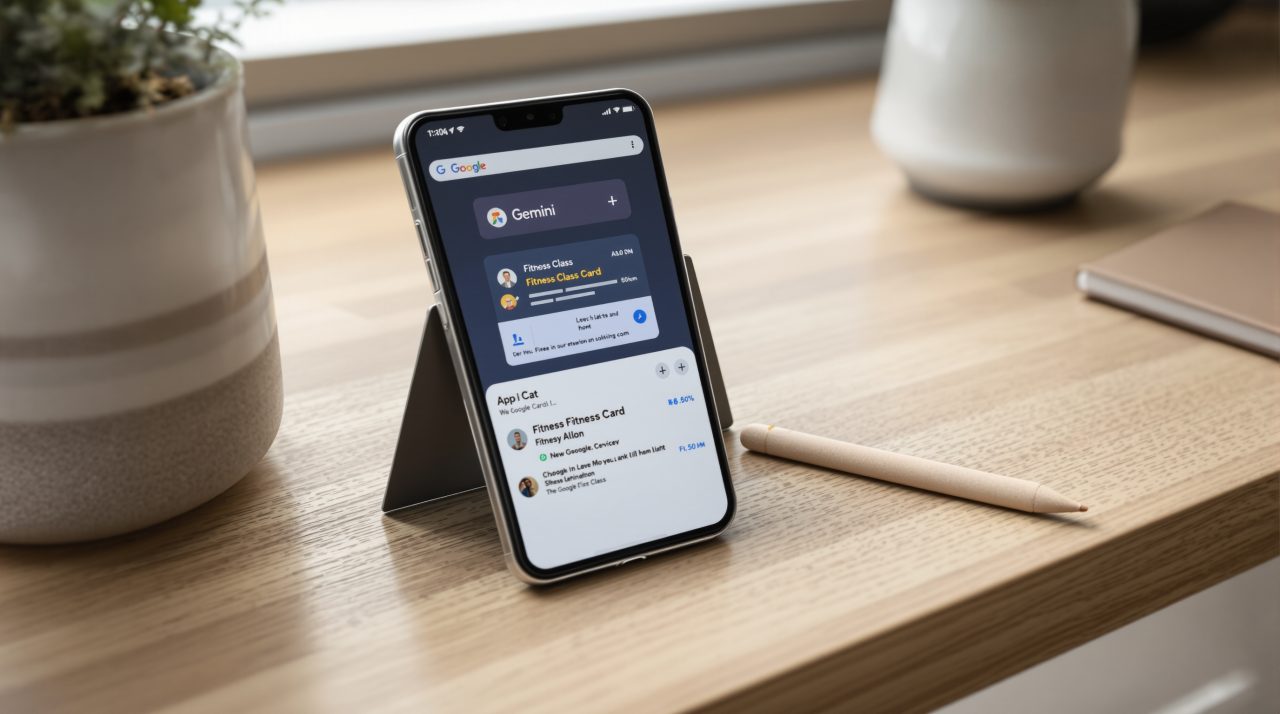
Google describes Connected Apps as a way to complete tasks with third-party apps without leaving Search or the Gemini app, with examples that range from ordering groceries to making playlists. According to Google, Adobe, Experian, Localiza and Peloton are live for users in Gemini, and they come to Search “in the coming weeks.” A Calm integration is coming to both.
Google’s developer page says people link an app once and can then use it from those products. That is a small change on paper, but it removes the part of an assistant request where you leave the chat, open the app, sign in and start over. It also builds on the multi-step app automation covered in our look at Gemini Intelligence on Android 17.
What developers have to build
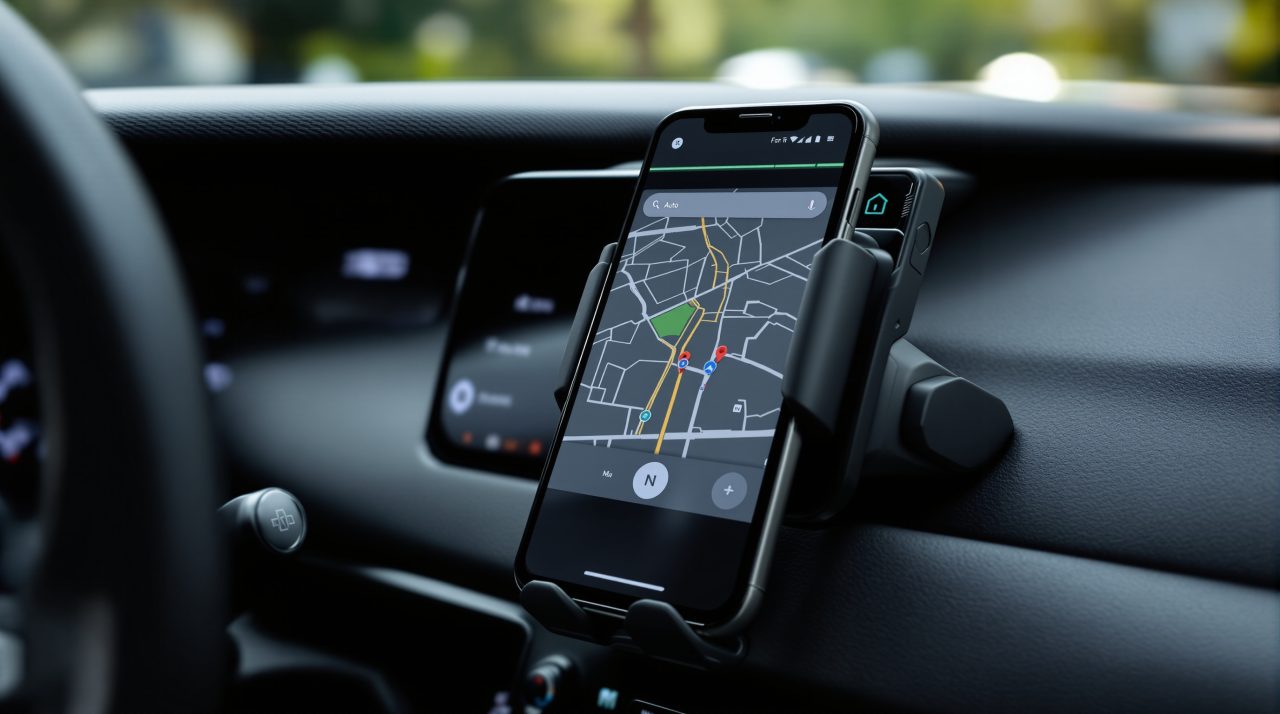
Developers connect through either a cloud hosted MCP server or Android MCP, which uses the AppFunctions APIs, according to Google’s blog post. They register, test and submit an app in the Google Connected Console, and they choose before review whether it goes live in Search, the Gemini app or both.
After launch, Google says developers can track traffic, latency and error rates, and keep control of their brand through verified logos and authenticated accounts. The Connected Apps developer page adds that self-service onboarding is available during the preview, but developers must apply to join.
Why Android MCP is further out than it sounds
The Android half of this story has a caveat. Google’s AppFunctions documentation labels the feature experimental and says the API may change before general availability. It requires Android 16 or higher.
The same page says Gemini integration was in a private preview with trusted testers as of May 2026, and that only a limited number of apps and system agents can use the full pipeline. An app that implements AppFunctions may still not be reachable by a system agent. That gap matters more than the headline suggests, because it means the apps you see in Gemini right now are almost certainly running through the cloud path, not on your phone.
That split also explains why Google keeps both options on the table. The developer page says the Android route is especially useful when an app wants its tool execution to happen locally on the device.
What to check before you rely on it
Google has not named countries or regions for the platform or the apps, and the developer page does not list pricing, quotas or eligibility rules. Access is opening in phases, and Google says it will add more developers, markets and Google products over the coming months.
For now, Google says its help center pages for Search and Gemini list the available apps. If you rely on one of the early partners, check there before assuming it works in your account. Background agents elsewhere, such as ChatGPT dots, are chasing the same goal of getting work done without a trip through the app.