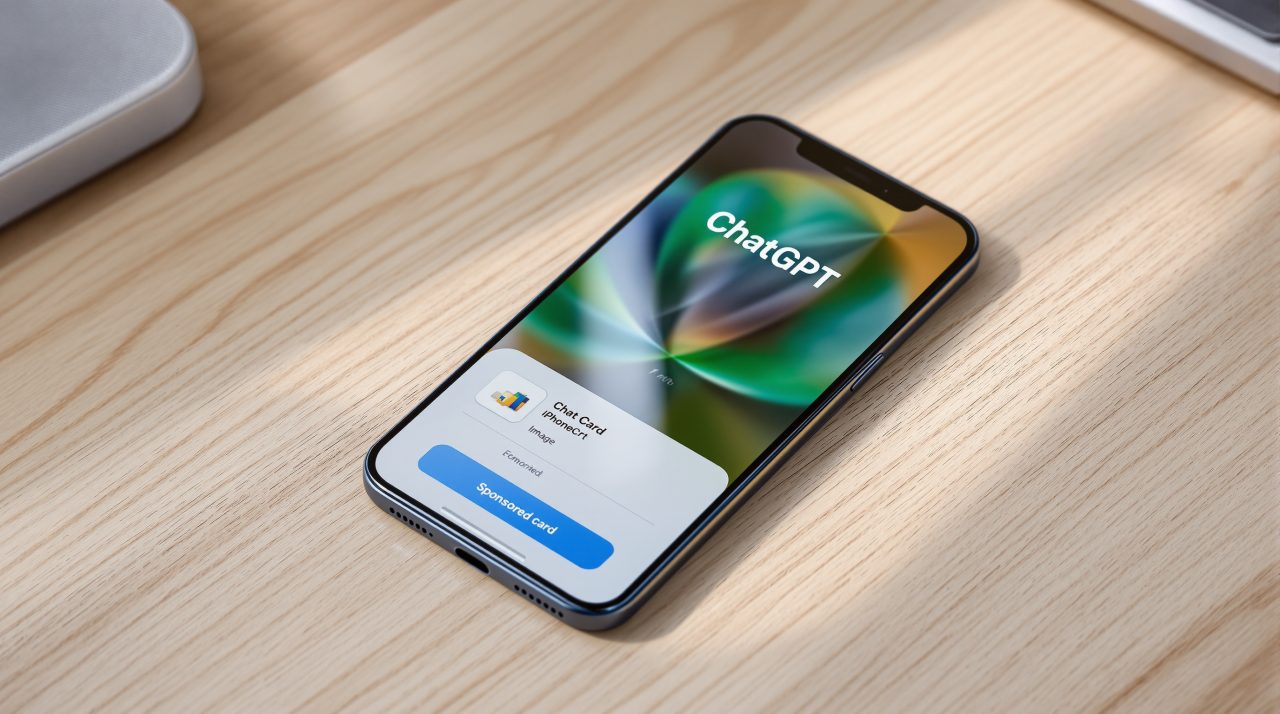
OpenAI is adding a visual ad format to ChatGPT, and the first place you are likely to meet it is while you generate an image. Under the new ChatGPT ads format, a sponsored card with product photos and a “Learn more” button appears next to your result, labeled as an ad and kept separate from the picture you asked for. Testing starts later this month in the US with an initial group of advertisers. If you open ChatGPT to make something for fun, that moment is now worth money to brands.
TL;DR: OpenAI will test image-based ads inside ChatGPT’s image generation tool, starting later in October 2026 in the US. Ads are labeled and sit apart from your generated image. OpenAI says guardrails keep ads out of sensitive conversations, and its earlier plan kept Pro, Business, and Enterprise ad-free. Advertiser results so far are early and come from OpenAI’s own post.
What the new ChatGPT ads look like
OpenAI describes the format as images showing “product inspiration, product usage, or the experiences they make possible.” Think a leather bag photographed on a trip, shown after you asked for a travel poster.
The company says it will first test the format during image generation, with ads “clearly labeled” and “separate from the image being created.” That separation is the detail to watch, because an image tool is the one place where a blurred line between your output and a sponsor would be obvious.
| Detail | What OpenAI says |
|---|---|
| Format | Product images with a “Learn more” button |
| First placement | During image generation in ChatGPT |
| Labeling | Clearly labeled, separate from the generated image |
| Test start | Later in October 2026 |
| Region | US only, initial group of advertisers |
| Advertiser sign-up | ads.openai.com |
OpenAI did not say how many advertisers are in the first group, or what the ads cost.
Why image generation is the first stop
A person typing an image prompt is usually thinking about a specific thing: a room, an outfit, a gift. That is a better moment for a product photo than a general chat about tax forms.
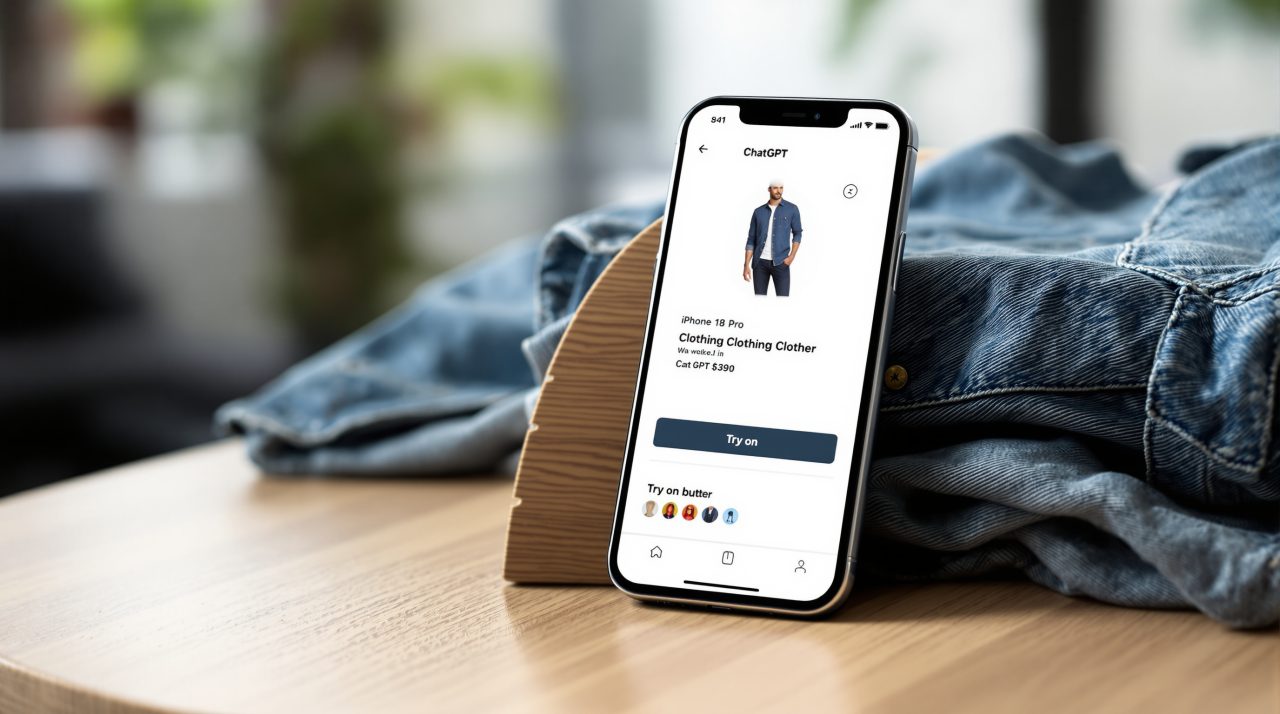
It also fits where ChatGPT is already heading with shopping, since the app can now put you in a jacket before you buy it through its virtual try-on feature. Not a dramatic change, but a telling one: the visual side of ChatGPT is where commerce is being tested first. The guardrails around it decide where that stops.
What stays off limits for ChatGPT ads
OpenAI says its placement guardrails “assess whether a conversation is appropriate for advertising, helping keep ads out of emotionally vulnerable, sensitive, or otherwise unsuitable contexts.” Its January advertising plan was more specific. It named health, mental health, and politics as excluded topics, and said accounts for users under 18 would not see ads.
The January post also said ads “do not influence the answers ChatGPT gives you” and that conversations are never sold to advertisers. It placed ads on the Free and Go tiers, with Pro, Business, and Enterprise staying ad-free. The new post does not restate which tiers will see the visual format, so that detail is still an assumption.
The open question is how far “sensitive” stretches. People now connect bank accounts through ChatGPT Finances, and the published examples do not mention money.
The advertiser side and what the early numbers show
For brands, OpenAI is leaning hard on proof. It lists measurement and attribution partners including AppsFlyer, Adjust, Branch, Triple Whale, and Singular, and says it is building brand suitability pilots with DoubleVerify and Integral Ad Science. It also added a Negative Phrases tool for “narrow placement requirements specific to a brand’s own policies.”
Two early results stand out. According to DV Rockerbox, WeightWatchers’ attributed cost per acquisition on ChatGPT Ads was 15.3% lower than its blended paid-search benchmark. And 93% of Portland Leather’s visitors from ChatGPT Ads were new, per Triple Whale.
Treat those as a sales pitch rather than a verdict. They are single advertiser examples chosen and published by OpenAI, and OpenAI says ChatGPT reaches 1.2 billion people each week, which is the scale advertisers are being asked to price in.
What it means for your next image prompt
If you use ChatGPT on a free plan in the US, expect a labeled sponsored card to start appearing beside some image results as the test widens. Your generated image should stay untouched, and the card is meant to be easy to tell apart from it.
Outside the US nothing changes yet, and OpenAI gave no date for a wider rollout. Until then, the practical habit is simple: check the label before you tap, especially if the card shows a product you did not ask about.