Something changed with ChatGPT image generation in April 2026. The model got rebuilt from scratch. GPT Image 2 launched on April 21, 2026 with a new architecture that no longer runs on the GPT-4o pipeline, and the results felt noticeably different to anyone who had been using it regularly.
Sharper prompt adherence. Text rendering that actually works. A quality ceiling that pushed further than the previous version.
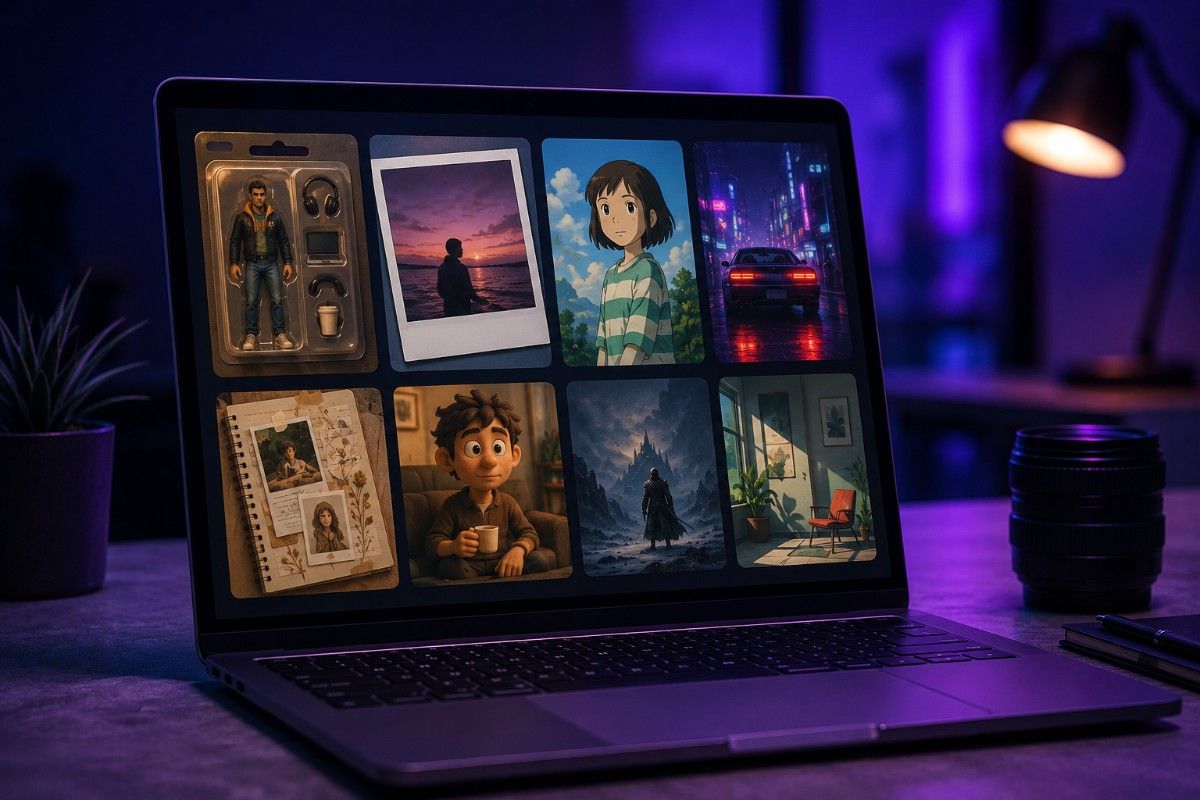
The same week, ChatGPT image prompts started going viral in a different way. Not just the usual Ghibli portraits or action figure packaging, though both still get thousands of shares.
Newer styles arrived alongside the model upgrade, and the formulas that produce consistent viral results are more specific than most tutorials suggest.
This list covers 50 viral ChatGPT image prompts you can copy and paste directly, organized by style, with the structure explained so you can adapt any of them.
All prompts are tested on the current model as of May 2026. The free tier works for most, though at 2 to 3 images per day you will want to be selective about which ones you try first.
TL;DR: ChatGPT image prompts go viral when they follow a clear structure: subject plus visual style plus lighting plus background plus aspect ratio. The 50 prompts below span eight trending categories. Action figure packaging, Polaroid, scrapbook collage, and neo-noir car portraits are the current top performers. Free tier users get 2 to 3 images per day, so pick your prompts carefully before the daily limit resets.
Why prompt structure matters more after the model upgrade
| Category | Best aspect ratio | Needs reference photo | Works on free tier | Current virality |
|---|---|---|---|---|
| Action figure packaging | 1:1 or 4:5 | Yes | Yes | Very high |
| Polaroid / disposable camera | 1:1 or 4:5 | Optional | Yes | Very high |
| Scrapbook collage | 4:5 | Optional | Yes | High |
| Neo-noir cinematic | 9:16 | Optional | Yes | Very high |
| Studio Ghibli | 4:5 or 16:9 | Yes | Yes | High (sustained) |
| Book cover editorial | 9:16 | Optional | Yes | High |
| Claymation / 3D toy | 1:1 | Yes | Yes | Rising |
The shift that happened with GPT Image 2 is that the model follows instructions more precisely than earlier versions. Vague prompts produce more predictably mediocre results now, while specific prompts produce noticeably better ones. The gap widened.
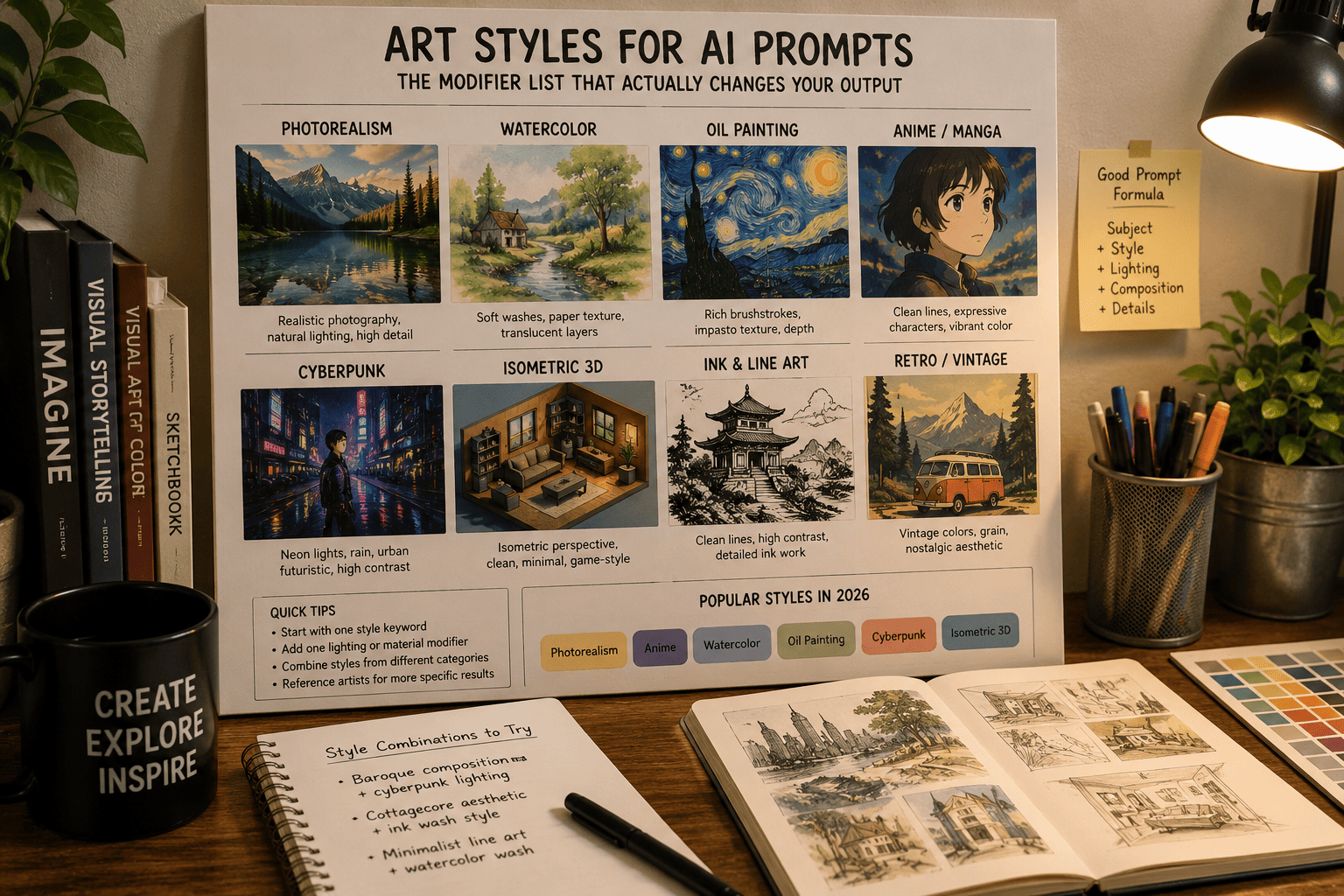
The formula that consistently produces strong results is: subject, visual style, lighting, background or environment, and aspect ratio. Every prompt in this list follows that structure.
Some add a camera specification or a mood instruction. Lighting is the single highest-leverage detail. “Warm cinematic lighting” outperforms “good lighting” by a visible margin every time.
A note on the free tier: as of April 2026, ChatGPT image generation is available to free accounts at approximately 2 to 3 images per 24-hour rolling window.
Plus at $20 per month gives roughly 50 images per 3-hour window. If you are testing on the free tier, try the highest-priority category first before the daily limit resets.

Action figure packaging (prompts 1 to 7)
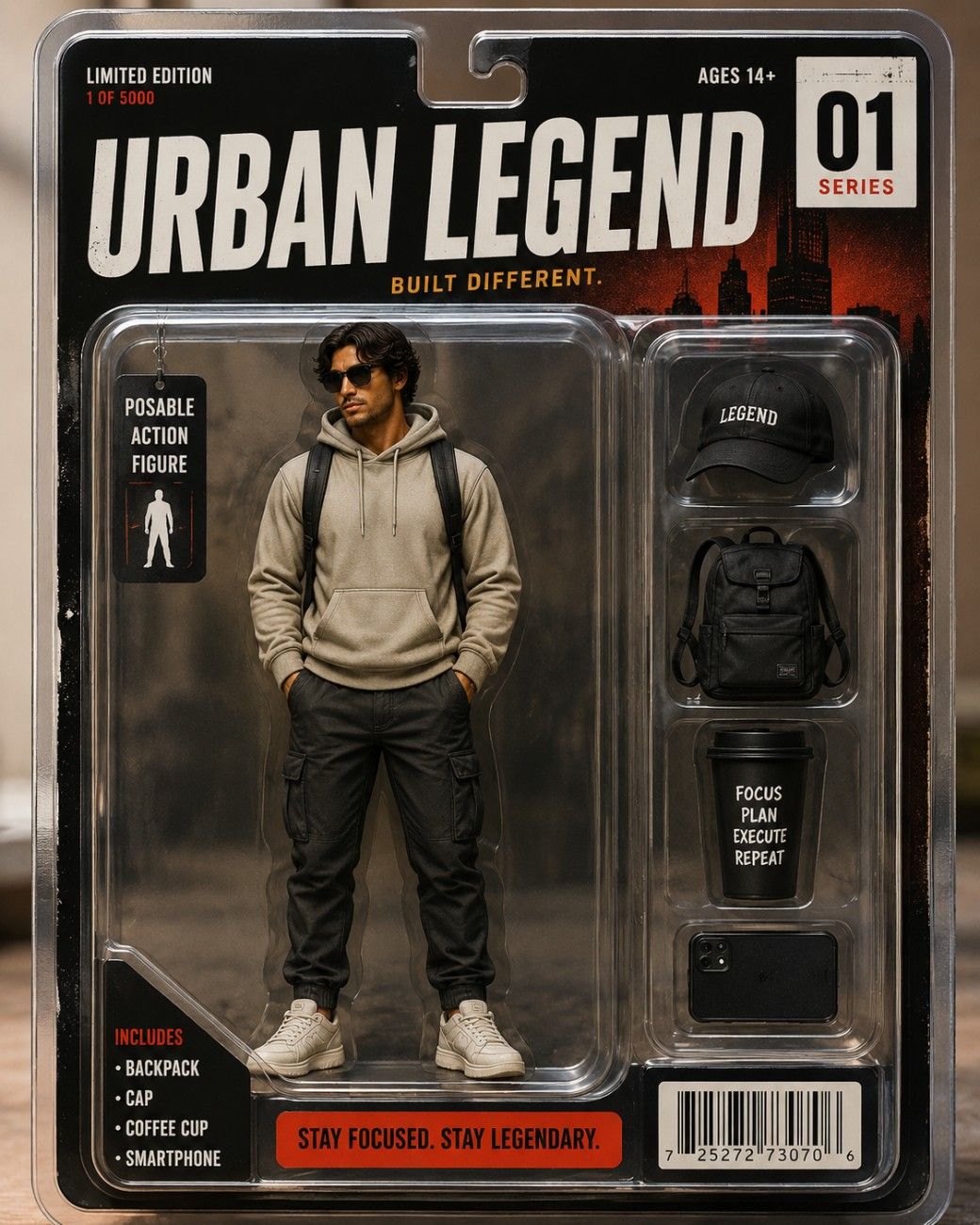
Action figure packaging became one of the most shared AI image styles of 2025 and has not slowed down. The blister pack format turns a person into a collectible object, complete with accessories listed on the back. It reads as both nostalgic and absurd, which is exactly why it spreads.
Upload a photo for the best results. Without a reference image, the output defaults to a generic figure with no resemblance to the subject.
Prompt 1: “Transform the person in this photo into a limited-edition action figure. Display them in a sealed blister pack with molded plastic accessories that reflect their personality. Add a colorful branded backing card with their name in bold retro typography. Dramatic studio lighting. Product photography style. 1:1 ratio.”
Prompt 2: “Create a 1990s action figure packaging for a [job title]. Show the figure standing in a clear blister pack. Include three accessories: a laptop, a coffee cup, and a stack of books. Backing card reads ‘[Name]: The Developer’ in bold sans-serif. Vintage toy store aesthetic. Slightly faded cardboard texture. 4:3 ratio.”
Prompt 3: “A collectible designer figure in luxury matte black packaging. The figure wears a tailored suit and holds a briefcase. Display inside a premium box with a clear acetate window. Gold foil typography on the box reads ‘Limited Edition Series 1’. Clean white studio background. Product photography. 1:1 ratio.”
Prompt 4: “Anime chibi-style action figure of the person in this photo. Round oversized head, tiny body, exaggerated cute features. Display in a premium collector’s box with glossy insert showing character stats. Pastel pink and white packaging. Soft studio lighting. 1:1 ratio.”
Prompt 5: “Vintage 1980s He-Man style action figure packaging featuring the person in this photo. Muscular sculpted body, dramatic fantasy pose. Backing card with bold red and yellow color scheme. Accessories include a sword and shield. Worn cardboard texture with slight yellowing. Nostalgic toy store lighting. 4:3 ratio.”
Prompt 6: “A hyper-realistic collectible figure in the style of a high-end art toy brand. The figure stands 30cm tall, wearing streetwear. Displayed in an all-white box with minimal typography. Clean product shot on pure white background. Shallow depth of field. 1:1 ratio.”
Prompt 7: “Turn this photo into a Marvel Legends style action figure blister pack. Full-body figure in a heroic pose, wearing a costume that matches the person’s personality. Accessories on the side panel. Backing card with dynamic illustrated art behind the figure. Action lighting. 4:5 ratio.”
Polaroid and disposable camera (prompts 8 to 14)
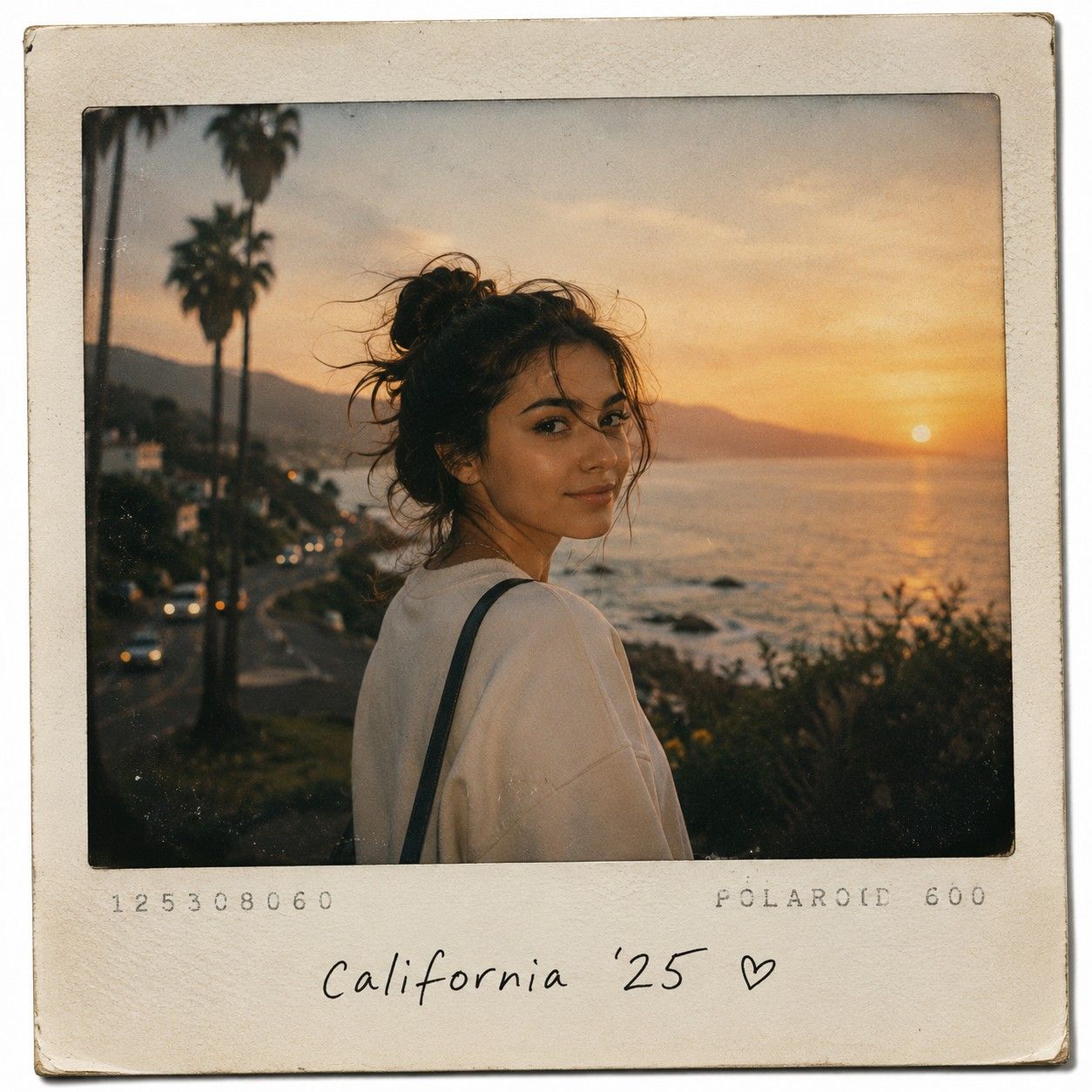
The Polaroid trend resurfaced in late 2025 and stayed because it solves a specific problem with AI images: they often look too perfect. Grain, light leaks, imperfect focus, and the physical white border make AI output feel like a memory rather than a render. Posts in this style consistently outperform clean editorial shots on Instagram Reels and TikTok.
These prompts work without a reference photo, though uploading one creates a stronger sense of personal memory.
Prompt 8: “A Polaroid photograph of a quiet Sunday morning kitchen. Warm natural light through a half-open window. A coffee mug steaming on a marble counter. Slightly overexposed, soft film grain, gentle yellow color cast at the edges. The Polaroid sits on a wooden table with the white border visible. 1:1 ratio.”
Prompt 9: “Turn this photo into a late-1990s disposable camera memory. Add dusty film grain, soft motion blur on the edges, uneven flash lighting, and a warm orange light leak from the lower right corner. Make it feel accidental and nostalgic rather than posed. 4:5 ratio.”
Prompt 10: “A collection of five Polaroid photos scattered on a wooden desk. Each photo shows a different moment from the same summer trip: a beach, a road, a meal, a sunset, a friend. Warm faded tones, slight curl at the edges of each Polaroid, soft natural daylight across the scene. 16:9 ratio.”
Prompt 11: “A single Polaroid photograph of a rainy window with condensation. City lights blurred through the water droplets. Moody blue-grey tones with a faint warm glow from a street lamp. Grain, slight blur, romantic atmosphere. The white Polaroid border shows handwritten text at the bottom: ‘November’. 1:1 ratio.”
Prompt 12: “A candid disposable camera photo of a birthday party in a small apartment. String lights overhead. People laughing, glasses raised, motion blur on moving hands. Overexposed flash at center, darker edges. Grain. Authentic 2001 party energy. 4:5 ratio.”
Prompt 13: “A series of three Polaroid photos of the same black cat in different moods: sleeping, alert, mid-yawn. Warm morning light. Each photo slightly tilted on a linen surface. Handwritten captions underneath each one in blue ballpoint. 16:9 ratio.”
Prompt 14: “Turn this portrait into a Polaroid taken by a friend at golden hour. Subject is slightly squinting against the sun, candid expression. Warm orange and pink tones. Soft grain. White Polaroid border. Handwritten name at the bottom. 4:5 ratio.”
Scrapbook and collage (prompts 15 to 21)
The scrapbook collage trend spread from Pinterest and Tumblr into mainstream social in late 2025. It works because it turns a single image into something layered and tactile. The best results require specific physical details: torn paper, dried flowers, postage stamps, masking tape, handwritten notes. Vague requests for “a collage” produce flat results.
Prompt 15: “A warm, moody scrapbook collage portrait. Multiple overlapping printed photos of the same person from different angles. Add torn notebook paper scraps, vintage postage stamps, dried lavender, and a small fragment of a handwritten letter. Amber low light, subtle grain, brown-orange vintage color grading. Pinterest moodboard aesthetic. 4:5 ratio.”
Prompt 16: “Create a vintage magazine collage featuring this photo. Surround it with torn fashion editorial pages in sepia and muted colors, paper cut-outs of flowers and geometric shapes, aged kraft paper background, masking tape holding elements in place. 1990s Vogue aesthetic. Analog texture throughout. 4:5 ratio.”
Prompt 17: “A soft pastel scrapbook page with this portrait at the center. Around the photo: pressed dried flowers, thin washi tape in pale pink, a small watercolor paint smudge, handwritten cursive text that says ‘golden hour’, and a torn piece of sheet music. Soft natural light. Dreamy aesthetic. 4:5 ratio.”
Prompt 18: “A dark academia scrapbook spread. Black and white portrait at center. Surrounding elements: handwritten Latin quotes, a red wax seal, a feather, torn pages from what looks like an old novel, coffee ring stain. Dark moody lighting. Burgundy and deep brown tones. 4:5 ratio.”
Prompt 19: “A travel scrapbook page. Photo of a street market on one side. Surrounding: a torn map fragment, a stamped postcard from Rome, a small pressed leaf, a metro ticket, thin red thread connecting elements. Warm natural daylight. 16:9 ratio.”
Prompt 20: “An aesthetic mood board collage for a creative brand. The center image shows a minimalist flat lay of design tools: a pen, color swatches, a sketchbook. Surrounding cutouts: Pantone color chips, typography specimens, geometric paper shapes. Clean editorial aesthetic. White and neutral tones. 4:5 ratio.”
Prompt 21: “A birthday memory scrapbook page for a friend. Central photo of two people laughing. Elements around it: confetti, a small balloon cutout, a pressed flower, handwritten text ‘you make every day brighter’, faded photo booth strip, glitter dots. Warm cozy colors. 4:5 ratio.”
Cinematic neo-noir (prompts 22 to 28)
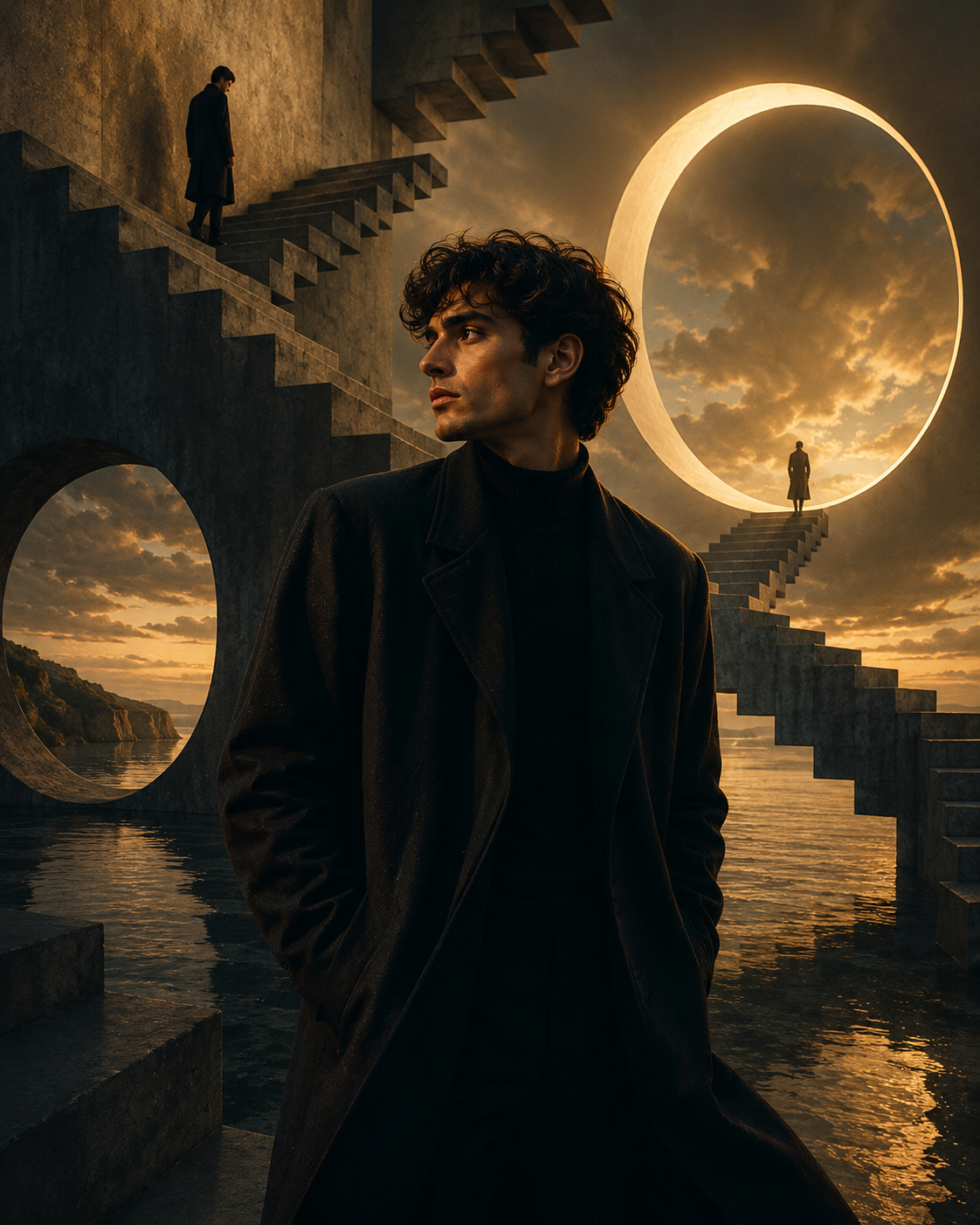
The neo-noir car portrait is currently one of the most viral prompt formats on Instagram and TikTok music pages. Rain on windows, neon reflections, shallow depth of field, and a subject gripping a steering wheel reads as moody and personal. GPT Image 2 handles rain streaks and neon color separation noticeably better than the previous model, making this one of the clearest demonstrations of the April 2026 upgrade in practice.
Prompt 22: “A hyper-realistic neo-noir portrait of a person in the driver’s seat at night. Deep blue and magenta neon lighting illuminates the interior. Rain streaks across the car window. The subject grips the steering wheel with a serious, shadowed expression. Shot through the car window with shallow depth of field. High contrast, cinematic photography style. Add subtle text at the bottom: ‘IN THE NIGHT’ in an elegant sans-serif font. 9:16 vertical format.”
Prompt 23: “Cinematic portrait of a person standing on a rain-slicked city street at midnight. Neon signs from nearby storefronts reflect off wet pavement in cyan and orange. Shallow depth of field with bokeh background. Film noir mood. Long coat. Slight motion blur on the surroundings. High-contrast photography. 9:16 ratio.”
Prompt 24: “A moody cinematic close-up portrait of a person in a coffee shop at night. Window seat. Outside the glass: rain on neon-lit streets, blurred traffic. Inside: warm amber light, steam rising from a cup. Shallow depth of field, film grain, 35mm aesthetic. 4:5 ratio.”
Prompt 25: “Cyberpunk street portrait. The subject stands at a neon-lit intersection in a futuristic city. Holographic billboards overhead. Wet ground reflects magenta and cyan neon. Dramatic upward lighting on the subject’s face. Cinematic wide shot. 16:9 ratio.”
Prompt 26: “A 1970s Italian crime film poster style portrait. Subject wearing a trench coat in a foggy European city at night. Single street lamp casting a hard shadow. Muted greens and yellows. Film grain. Vintage cinematic color grade. The subject looks over their shoulder. 9:16 vertical ratio.”
Prompt 27: “A cinematic portrait of a lone figure on an empty night train. The carriage is lit by cold fluorescent light. The person stares out the dark window. Reflections of the interior visible in the glass. Melancholy mood. Film photography aesthetic, slight grain, desaturated blue tones. 16:9 ratio.”
Prompt 28: “A hyper-realistic portrait of a jazz musician on a rain-soaked stage at an outdoor venue at night. Spotlight from above creates dramatic chiaroscuro lighting. City skyline blurred in the background. Rain catching the light. Cinematic photography. 16:9 ratio.”
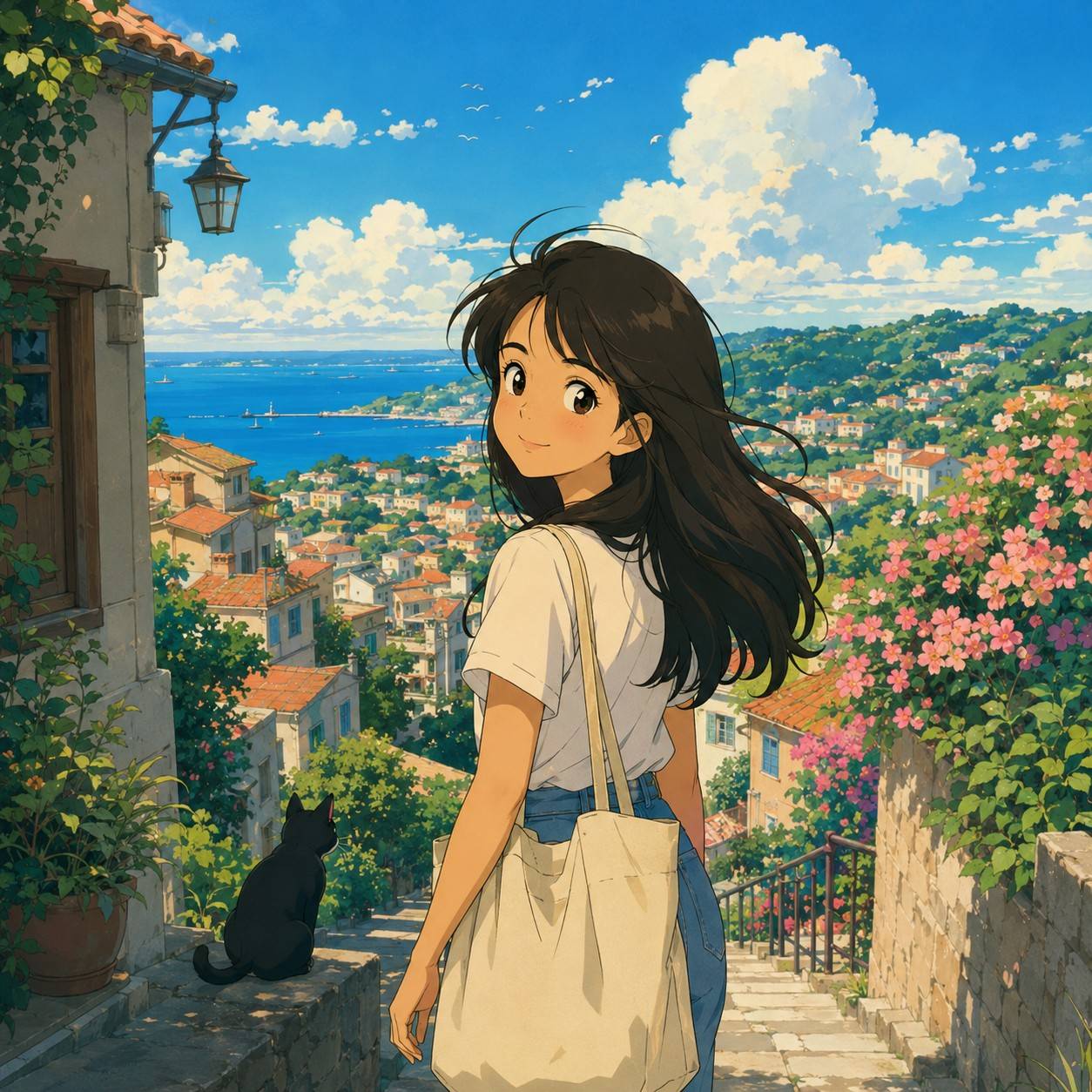
Studio Ghibli and illustrated (prompts 29 to 35)
The Ghibli portrait trend peaked in early 2025 but still drives consistent engagement because the output looks genuinely beautiful rather than gimmicky. The key is uploading a reference photo. Without one, the output generates a generic anime character. With one, you get something that looks like a scene written specifically for that person.
Prompt 29: “Transform this portrait into a Studio Ghibli-style watercolor illustration. Soft pastel colors, hand-drawn quality, gentle expression. The background shows a sun-drenched countryside with a small wooden house and tall grass bending in the wind. Miyazaki film aesthetic. 4:5 ratio.”
Prompt 30: “Studio Ghibli style illustration of a person walking through a rain-soaked Tokyo side street at dusk. Small shops with warm glowing interiors on either side. The subject holds a transparent umbrella. Puddles reflecting the shop lights. Soft watercolor texture. 16:9 ratio.”
Prompt 31: “Illustrated portrait in the style of a Ghibli film still. Subject is sitting in a bakery in the early morning, flour dusted on their apron, reading a letter. Warm golden light through the bakery window. Bread loaves visible in the background. Soft painterly texture. 4:5 ratio.”
Prompt 32: “Studio Ghibli scene of a rooftop garden in a city at sunset. Potted plants, hanging laundry, a cat asleep on a wooden chair. The person sits reading with tea. Warm orange and pink sky. Soft illustrated style with gentle shadows. 16:9 ratio.”
Prompt 33: “A Ghibli-style portrait of the person as a forest spirit. Surrounded by glowing fireflies and ancient moss-covered trees at twilight. Soft blue-green tones. Watercolor texture. Mysterious but warm atmosphere. 4:5 ratio.”
Prompt 34: “Illustrated in the style of a Studio Ghibli movie poster. The main character stands at the edge of a floating island, looking down at clouds below. Warm sunlight from behind them. Other islands visible in the distance. Rich detail, painterly quality. 9:16 vertical ratio.”
Prompt 35: “A Ghibli-style winter scene. A small figure walks through deep snow toward a lit cottage window in a pine forest. Pale blue light, soft snowfall, yellow warmth from the window. Quiet, peaceful mood. Watercolor illustration style. 16:9 ratio.”
Book cover and editorial (prompts 36 to 42)
Generating yourself as a book cover character became viral in late 2025 for a specific reason: the output works as a profile picture replacement. The romance novel and thriller formats produce images with enough polish that people actually use them as social media headers. Being specific about genre, lighting, and the subject’s physical description is what separates a convincing cover from a generic one.
Prompt 36: “Generate a romance novel hardcover book cover. The subject stands against a sunlit Italian balcony, wearing a flowing off-shoulder dress in deep blue. Warm golden hour lighting. Soft focus on the background. Title at top in elegant serif font: ‘Every Summer After’. Author name at bottom. High-quality publishing illustration style. 9:16 ratio.”
Prompt 37: “A psychological thriller book cover. Close-up of a person’s face, half in shadow, half lit by a single cold white light source. Rain-streaked window behind them. Title overlaid in bold condensed sans-serif: ‘The Last Night’. Moody, desaturated. 9:16 ratio.”
Prompt 38: “A literary fiction book cover portrait. The subject sits in a library surrounded by tall shelves. Warm afternoon light from a high window. Thoughtful, introspective expression. Soft color palette. Painterly photorealistic style. Title in small elegant type at the bottom: ‘What We Leave Behind’. 9:16 ratio.”
Prompt 39: “A fantasy novel cover. The person stands at the entrance to a vast stone library with magical glowing manuscripts floating around them. Purple and gold tones. Dramatic lighting. High-detail illustration style. Title at the top: ‘The Archive of Hours’. 9:16 ratio.”
Prompt 40: “High-fashion editorial portrait of the subject wearing a sculptural avant-garde coat in deep burgundy. Standing in an empty white gallery. Strong directional side lighting creating a dramatic long shadow on the floor. Sharp, clean photographic style. 4:5 ratio.”
Prompt 41: “A 1960s Vogue editorial portrait. Subject seated in a modernist chair. Black and white photography. Strong geometric shadow from a venetian blind. Timeless, high-contrast fashion editorial style. 4:5 ratio.”
Prompt 42: “An outdoor portrait for a creative portfolio. Subject stands in golden hour sunlight in a wildflower field. Wearing earthy tones. 85mm lens look with soft background blur. Slight film grain. Natural editorial style. 4:5 ratio.”
Claymation and 3D toy (prompts 43 to 50)
The claymation style became one of the more technically interesting viral trends of early 2026. It mimics the look of stop-motion animation, visible sculpting marks and all. GPT Image 2 renders the clay texture and light interaction across curved surfaces more convincingly than the previous model. The first time you see a portrait rendered in full clay with accurate facial likeness, it is one of those results that immediately makes you want to share it.
Prompt 43: “Transform this portrait into a claymation-style character. Soft rounded modeling clay textures with visible sculpting marks and a handmade look. The character keeps the same facial features and pose but appears made from colorful clay. Warm studio lighting. Clean background. 1:1 ratio.”
Prompt 44: “A claymation scene of two characters having tea in a miniature cottage kitchen. Tiny clay cups and a small clay teapot. Hand-crafted furniture. Warm practical lighting mimicking a real stop-motion set. Wallace and Gromit aesthetic. 16:9 ratio.”
Prompt 45: “3D character portrait in the style of a premium designer vinyl toy. The figure has a slightly oversized head and simplified features while keeping facial likeness. Glossy smooth surface. Neutral studio background. Dramatic soft lighting from above. Collector toy photography style. 1:1 ratio.”
Prompt 46: “Transform the subject into a stylized collectible toy with glossy plastic textures, exaggerated wide eyes, and miniature personality-specific accessories. Premium retail packaging visible in the background. Dramatic studio lighting. Limited-edition designer figure aesthetic. 4:5 ratio.”
Prompt 47: “A fluffy 3D version of a simple object. Transform a [object, e.g., smartphone] into a soft 3D fluffy object covered in hyperrealistic fur texture. Centered on a clean light-grey background. Soft studio lighting. Surreal and tactile aesthetic. 1:1 ratio.”
Prompt 48: “Claymation portrait of a person as their own villain origin story. Slightly sinister expression, dramatic lighting from below, clay texture throughout. Deep reds and blacks in the background. Stop-motion film aesthetic. 9:16 ratio.”
Prompt 49: “3D Pixar-style animated portrait of the person in this photo. Soft rounded features, expressive eyes, smooth subsurface skin rendering. Warm studio lighting. Character design that feels like it belongs in a Pixar film. 1:1 ratio.”
Prompt 50: “A 3D miniature scene with tiny clay figures sitting together at a campfire. Surrounding clay trees, clay stars overhead, warm orange glow from the clay fire. Stop-motion film aesthetic. Shallow depth of field focused on the figures. 16:9 ratio.”
Frequently Asked Questions
How many images can I generate with ChatGPT free per day?
As of April 2026, free ChatGPT accounts get approximately 2 to 3 image generations per rolling 24-hour window. The limit resets 24 hours after your first generation, not at midnight.
Do these prompts work better if I upload a reference photo?
Yes, significantly. Prompts that target a specific person, like action figure packaging and Ghibli portrait prompts, produce generic results without a reference image. Uploading a selfie first locks in the likeness.
What is the right aspect ratio for Instagram vs TikTok?
Use 4:5 for Instagram feed posts, 9:16 for TikTok and Instagram Reels, 1:1 for grid posts and profile pictures, and 16:9 for YouTube thumbnails and cover images.
What changed with ChatGPT image generation in April 2026?
GPT Image 2 launched on April 21, 2026 with an entirely new architecture separate from the GPT-4o framework. It handles text rendering more reliably, follows detailed prompts more precisely, and produces sharper photorealism than the previous version.
Can I use ChatGPT-generated images commercially?
OpenAI’s terms as of 2026 generally allow commercial use of images generated via ChatGPT, but you should review the OpenAI usage policy before using generated images for business purposes, as terms can change.
One thing that makes the difference
The prompts above are structured, but structure alone is not what makes them viral. What makes them spread is that each one produces output that feels personal. The action figure packaging looks like it was made for the specific person who created it. The Polaroid looks like a memory from their own life. The Ghibli portrait feels like a version of them that could exist in a different world.
That specificity starts at the prompt level. The more you anchor the output to a real person, a real mood, or a real moment, the more likely the image is to stop a scroll rather than blend into one. The model can follow these instructions now in a way it could not a year ago. That is the actual story of the April 2026 upgrade.