South Korea’s Fair Trade Commission has opened formal deliberation on whether Apple misled iPhone 16 buyers about its AI features, and the commission’s own examiners are recommending a fine. The Korea FTC Apple Intelligence case rests on a report the examiners filed on November 24, 2026, which states that Apple advertised nine Apple Intelligence features as if all of them were coming on schedule, when four did not arrive as promised.
The examiners’ report does not bind the commission, and Apple has six weeks from receiving it to respond. Until the commission rules, the dates in Apple’s own ads are the evidence.
Why the Korea FTC Apple Intelligence case turns on dates
The commission’s press release, posted on November 26, 2026, states that it received a complaint in March 2025 and investigated Apple Inc. and Apple Korea under the Fair Labeling and Advertising Act. Apple Intelligence is the brand name for the AI features on iPhone and iPad, and the ads at issue listed nine of them.
The iPhone 16 homepage said in September 2024 that the features were coming in US English within the year, then in October 2024 that they were running in US English, and in February 2025 that Korean support would start in early April. The examiners allege Apple hid, downplayed or left out which features could not ship on that schedule and when they would arrive.
Four of the nine are named: Genmoji, Image Playground, a Siri that understands personal context, and a Siri that gives step by step guidance. The release picks personal context Siri as its example. It was advertised for US English that year and Korean by early April 2025, but it reached US English in September 2026 and Korean in October 2026.
What Apple said about the rollout in 2024
Apple’s own US announcements described a phased launch. On September 9, 2024, Apple said the first Apple Intelligence features would arrive the following month with iOS 18.1 in US English, with more features launching in the coming months.
On October 28, 2024, Apple said the first set was available that day, that new features would come in December, and that Siri would draw on personal context in the months to come. Those are US newsroom pages, not the Korean homepage ads the commission examined, so they do not settle the Korean case in either direction.
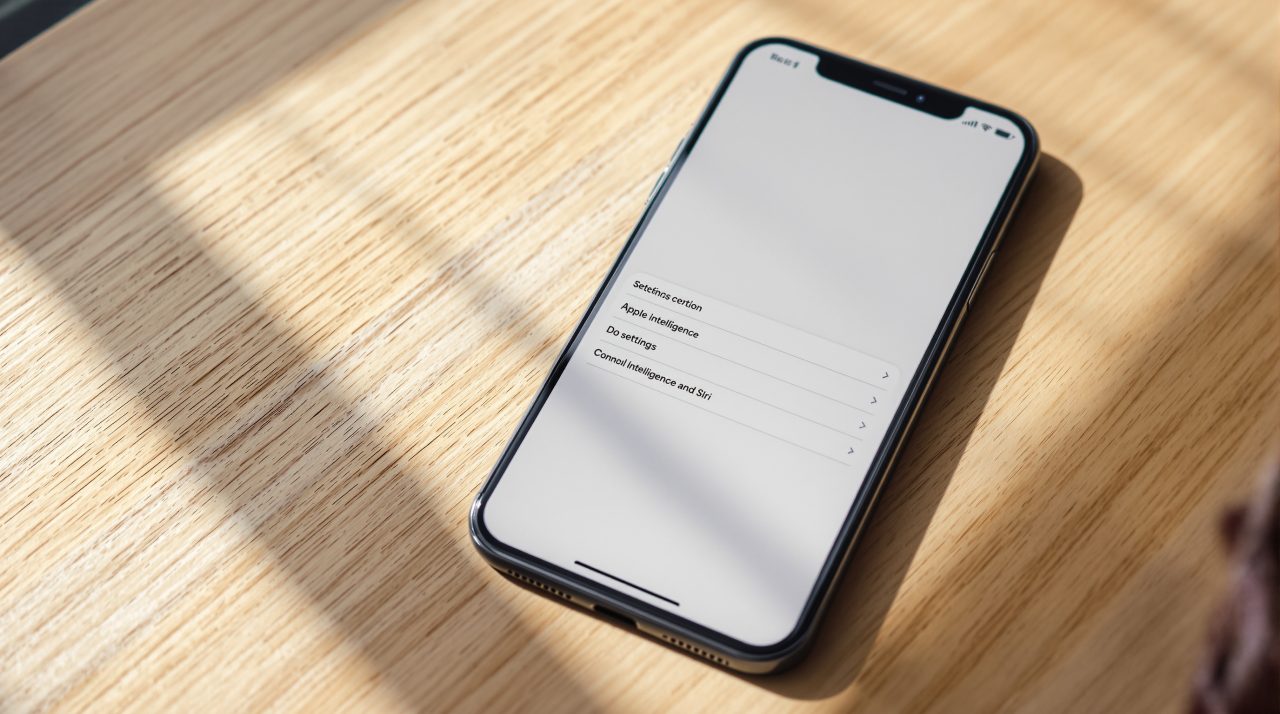
Apple’s current support page still labels the newer assistant Siri AI (Beta), describes it as understanding personal context across messages, emails and photos, and lists Korean among six supported languages, a list DigitBin covered in its Siri AI waitlist report on November 6, 2026.
What happens next for Apple in Korea
Apple may file written opinions and ask to see and copy evidence within six weeks of receiving the report, which the commission sent to Apple on November 24, 2026. The commission will then deliberate on whether the law was broken and on the size of any fine.
The examiners classify the conduct as a serious violation of the deceptive advertising clause, Article 3, Paragraph 1, Item 2. They recommend a corrective order that bars similar conduct, an order to publicize the violation, and a fine. The release puts related sales at about 3.35 trillion won and does not state a fine amount.
For now this is an accusation from the commission’s own staff, and the release itself notes that a final judgment comes only after independent deliberation.
Keep reading
- Verizon’s iPhone Handoff has a $10 price and still no start date
- iPhone 18e CAD leak shows a 28 by 35 mm camera bump the base iPhone 18 skips
- Ookla: iPhone 18 Pro’s C2 modem nearly halves upload lag, with a 12.7% download gain
- iOS 27.1 code hides a disabled iPhone Duo Lock Screen column for two widgets
- iOS 27 on an iPhone 12 was rougher in the first two days than I expected