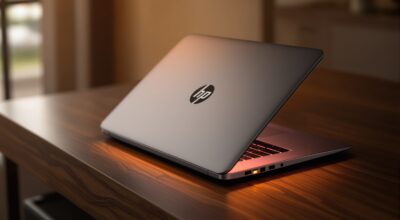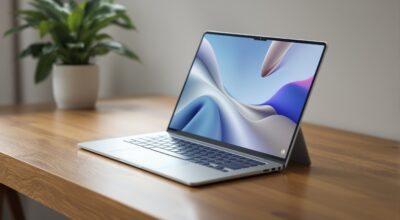
When Google announced Googlebook on May 12, 2026, the most important sentence in the entire announcement was not in the keynote. It was a response to a question from The Verge, confirmed by Peter Du from Google’s global communications team: “Yes, there will be Chromebooks released after the launch of Googlebook.”
That one confirmation changes the entire frame of the story. Googlebook is not here to kill the Chromebook. Google has two laptop categories now, positioned at different price points for different audiences, and the question buyers actually need answered is which one is for them.
TL;DR: Googlebook is a new premium laptop category running an Android-based OS with Gemini built in at the system level. Chromebook continues as the affordable, education-friendly, cloud-first option. Google confirmed both will keep shipping. Googlebook launches fall 2026 through Acer, ASUS, Dell, HP, and Lenovo. No prices, chip specs, or storage configurations have been disclosed. Existing Chromebooks from 2021 onward continue receiving automatic security updates through their existing support windows.
What Googlebook actually is and what it runs
Googlebook is a new laptop standard built on an operating system that Google describes as combining the best of Android and ChromeOS into a single platform. The internal codename for that OS is Aluminium. Peter Du confirmed to The Verge that Aluminium is only the codename and the final brand will be announced later in 2026.
The Googlebook OS is not ChromeOS with Android apps bolted on, which is the current Chromebook experience. It is a unified platform where Android apps run natively, the full Google Play library is available, and Gemini Intelligence is embedded at the OS level rather than sitting in a side panel.
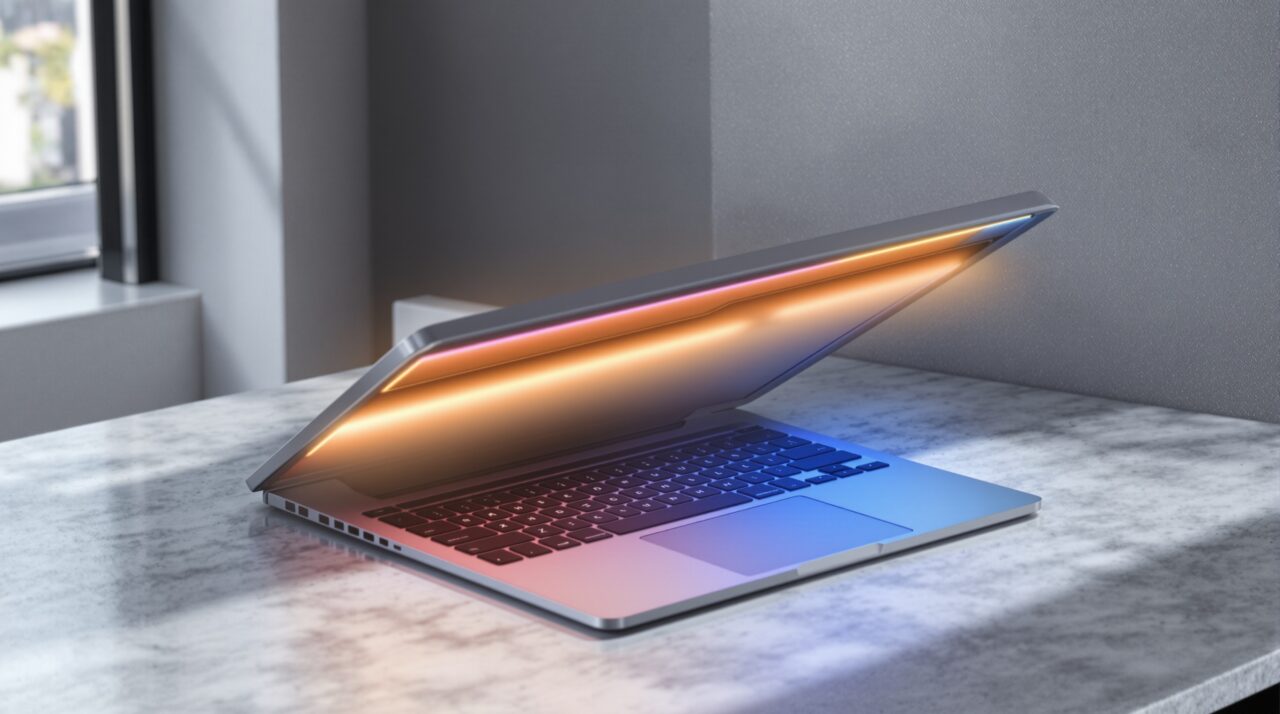
Every Googlebook ships with a Glowbar, an LED strip on the lid in Google’s four colors, described by Google as both functional and decorative. The functional part, meaning what Glowbar signals or reacts to, has not been detailed beyond “Gemini activity.”
| Feature | Chromebook | Googlebook |
|---|---|---|
| Operating system | ChromeOS (Linux-based) | Aluminium OS (Android and ChromeOS unified) |
| Android apps | Via compatibility layer, inconsistent | Native, full Play Store access |
| Gemini integration | Side panel, add-on | Built into OS, cursor-level (Magic Pointer) |
| Phone integration | Limited Phone Hub | Quick Access file browsing, Cast My Apps |
| Target market | Students, budget buyers, education sector | Premium users, Android ecosystem owners |
| Price range | Under $700, Chromebook Plus to $699 | Not confirmed, positioned as premium |
| Hardware partners | Acer, ASUS, Dell, HP, Lenovo, Samsung, others | Acer, ASUS, Dell, HP, Lenovo (confirmed so far) |
| Launch timing | Available now | Fall 2026 |
The Googlebook features Google did confirm
Google’s announcement on May 12 was unusually light on hardware specifics. No processor names. No RAM tiers. No display sizes or battery life figures. What Google did confirm are four software and design features that form the Googlebook’s identity at launch.
Magic Pointer is the most distinctive. Wiggle the cursor over any on-screen content and Gemini surfaces contextual suggestions. Point at a date to schedule a meeting.
Select two images and ask Gemini to blend them. Google built Magic Pointer with DeepMind, which signals this is not a surface-level feature. Whether it works in third-party apps, not just Google’s own, is the question that will determine how useful it is in practice.
Quick Access lets you browse and search your Android phone’s files directly through the Googlebook’s file browser, with no manual transfer required.
Cast My Apps lets you run Android phone apps on the laptop screen without installing them on the laptop. Custom Widgets from Gemini, the same Create My Widget feature announced for Android 17, also comes to the Googlebook desktop.
Google VP John Maletis also confirmed in an interview with Android Authority that new Chromebooks are still in the pipeline for this year and next, and that some existing Chromebook models from 2021 onward may be eligible to transition to the new Googlebook software experience via a firmware path. The full scope of that transition, including which specific models qualify, has not been specified.
Who each platform is actually for right now
The split is clearer than the marketing makes it sound. If you are a school district, a student, or someone who lives inside Google Docs and Chrome tabs and wants a reliable machine under $700, the Chromebook story has not changed.
Ninety-three percent of US school districts were still purchasing Chromebooks in 2026, according to Starry Hope data cited by The Gadget Flow, and new models are confirmed to keep shipping.
If you are deeply inside the Android ecosystem, have been watching the MacBook Air comparison set for years, and can wait until fall 2026, the Googlebook is worth following.
It is being positioned as a premium device competing against MacBook Air and Windows Copilot Plus laptops, not a Chromebook with a new name.
The honest caveat is that no one outside Google has held a real Googlebook yet. No prices. No chip specs. No battery life numbers. “Fall 2026” could mean September or November.
If your current laptop is struggling now, the calculus is straightforward: buy what you need today and revisit Googlebook when reviews and pricing exist.
Frequently Asked Questions
Will my Chromebook stop receiving updates when Googlebook launches?
No. Chromebooks from 2021 and later continue receiving automatic security updates through their existing support windows, which run up to 10 years from the device’s release. Googlebook launching does not affect that commitment.
Can my current Chromebook upgrade to the new Googlebook OS?
Google confirmed that some Chromebook models from 2021 onward may be eligible to transition to the new Googlebook software experience. The full eligibility list and how the transition works have not been specified. More details are expected closer to the fall 2026 launch.
What is the Googlebook Glowbar?
The Glowbar is an LED light strip embedded in the lid of every Googlebook device, displaying Google’s four brand colors. Google describes it as both functional and visual, likely reacting to Gemini activity and charging state, but the specific behaviors have not been confirmed.
Is Googlebook available now?
No. The first Googlebook devices are scheduled to arrive in fall 2026 through hardware partners Acer, ASUS, Dell, HP, and Lenovo. No prices, chip configurations, or specific release dates have been disclosed as of May 2026.
What this means for your next laptop decision
Google has created a clear fork in its laptop strategy for the first time. Chromebook stays where it has always been: affordable, education-focused, and cloud-first. Googlebook aims for the premium tier, competing on AI integration and Android ecosystem depth rather than price.
The practical advice is unchanged by the announcement. Do not make a buying decision based on a teaser. When Googlebook pricing, chip specs, and real reviews arrive this fall, the comparison will be a different conversation. Until then, both categories exist, both are supported, and the choice depends entirely on which audience you are in.