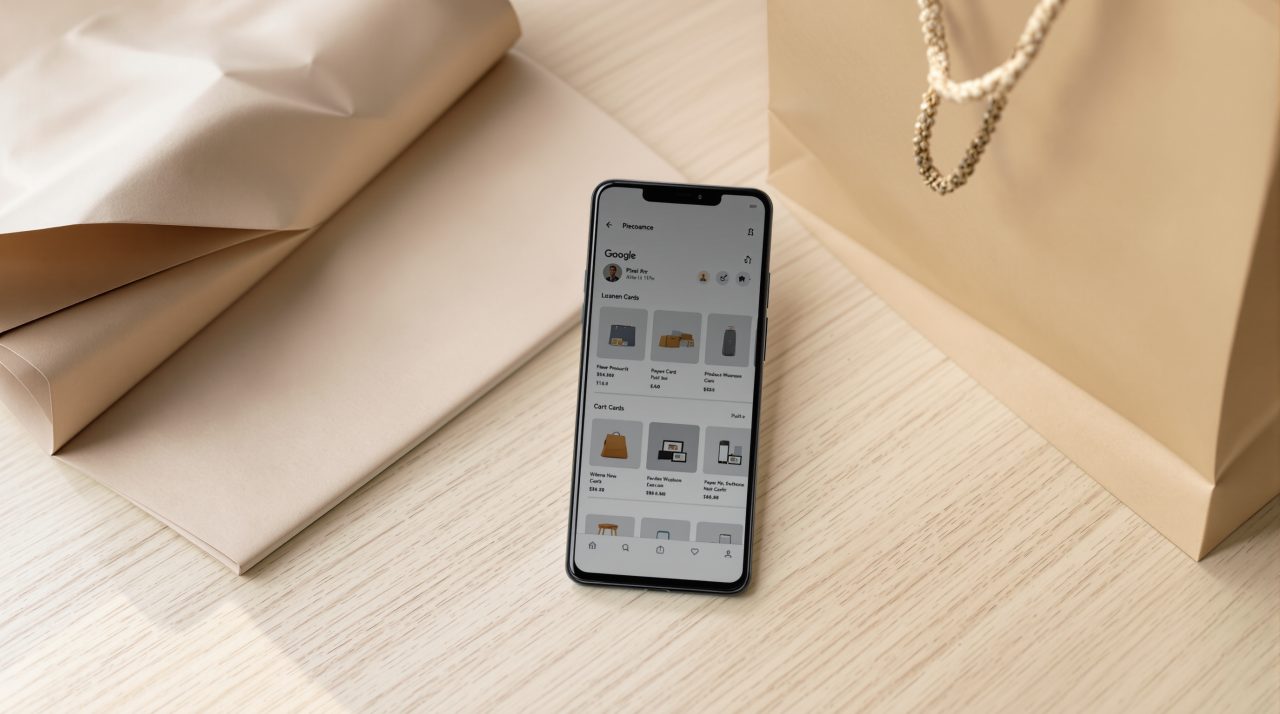
Google Universal Cart is rolling out in the U.S. across Search and the Gemini app, giving you one shopping cart that holds items from different retailers. Google announced the launch on its Keyword blog on October 15, 2026.
The practical change is that a product you save while browsing in AI Mode can show up later in the Gemini app with price alerts already attached. That means fewer open tabs and fewer moments of trying to remember where you saw that jacket.
TL;DR: Google Universal Cart saves products from many retailers in one place across Search and the Gemini app in the U.S. It tracks price drops and restocks, suggests promo codes and the best Google Wallet card, and can check out with Google Pay at many stores. The merchant stays the seller of record. Google has not said whether sign in is required or how long cart data is kept.
What Google Universal Cart does after you add an item
Google Universal Cart keeps what you save across retailers and across Google products. Google says an item saved in AI Mode in Search appears later in the Gemini app, so the cart holds your progress instead of starting over.
Once a product is in the cart, Google watches it for you. The cart is built on Google’s Shopping Graph, which Google says holds more than 60 billion continually refreshed listings, and it sends a notification when a price drops or an out-of-stock item returns.
| Feature | What Google says |
|---|---|
| Saving items | Products from multiple retailers go in one cart |
| Alerts | Price drop and back in stock notifications |
| Promo codes | Relevant codes appear in the cart |
| Payment guidance | Google Wallet card perks suggest which card to use |
| Checkout | Google Pay in a few taps, or transfer to the merchant’s cart |
| Availability | U.S. only, in Search and the Gemini app |
Picture the sweater you saved on a Tuesday that went on sale by the weekend. Without a cart you have to remember it. Here the alert finds you instead. Where the cart lives matters as much as what it does.
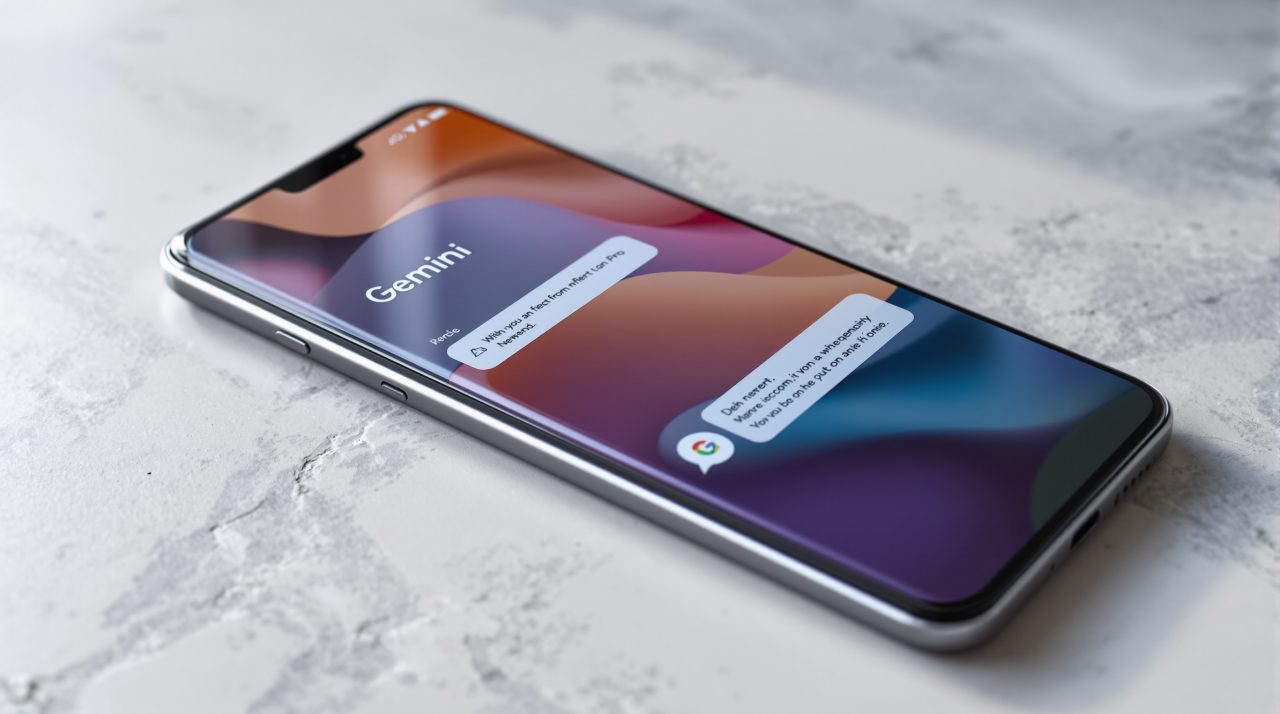
Where the Google Universal Cart icon appears
Google’s own post names Search and the Gemini app as the places the cart is rolling out, and it does not mention Chrome or the Google app. The Gemini app is the same place that recently added Gemini 4 Argon.
9to5Google reports a cart icon in the top right corner of the google.com homepage and search results, on desktop Chrome’s New Tab Page, and beside the profile switcher in the Google app on Android. It also describes a Cart and orders option in the Gemini app account menu.
I could not confirm those placements in Google’s post, so treat them as early observations that may differ on your account. If they hold, the icon makes shopping a permanent part of Search rather than a mode you step into. That placement matters more than the feature list suggests.
A cart you can reach everywhere only works if checkout works too.
How checkout works and who the seller is
Google says you can pay with Google Pay in a few taps at many stores, or move items into the merchant’s own cart and finish on their site. The Universal Commerce Protocol, which Google calls UCP, powers the checkout experience.
The merchant remains the seller of record either way, and it handles order confirmations and customer support. If a Walmart order arrives wrong, you still deal with Walmart, not Google.
Google names Nike, Sephora, Target, Ulta Beauty, Walmart, Wayfair and many Shopify merchants. It does not say which stores offer Google Pay checkout inside the cart and which only hand you off, so expect that to vary by retailer.
Google also has plans for what the cart can do without you.

What is coming next and what to check first
Google’s May 19, 2026 announcement says the cart will extend to YouTube and Gmail, and that it can flag problems such as incompatible PC parts. It also describes AP2, which lets you set limits such as brands and a maximum spend so an agent buys only when your criteria are met, starting with Gemini Spark in the coming months.
UCP checkout is expanding to Canada and Australia in the coming months, then the U.K. If you already worry about AI acting on your behalf, our look at agentic Chrome and your data is a useful companion read.
For now, the sensible habit is simple. Compare the cart’s price with the merchant’s own site before you pay, and check which Wallet card it suggests. Google’s launch post does not say whether you must be signed in or how long saved items are kept, so look at your account settings before relying on it.