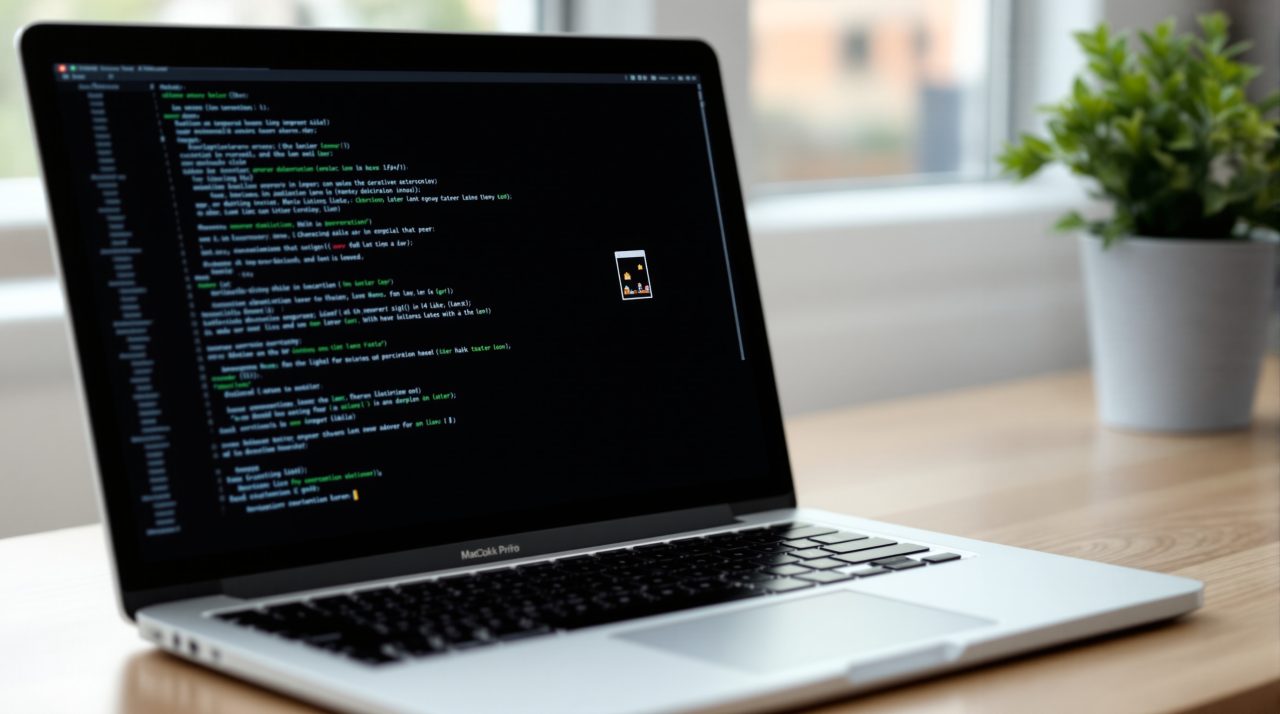
Anthropic has added a short instruction to Claude Code that steers it away from rebuilding a specific existing video game, even if the user renames it. An Anthropic spokesperson pointed Game Developer to a statement from Addy Osmani, a member of Anthropic’s technical staff, who said the company added two sentences to Claude Code’s prompt on Opus 5.5.
Most people using Claude Code will never notice. If you have been asking it to port an old favorite to the browser, the Claude Code game rule is now a wall, and at least one developer says it has already hit paid work.
TL;DR: Anthropic confirmed it added two sentences to Claude Code’s prompt on Opus 5.5 to stop it from recreating someone else’s specific game. Original games, genre games and games built from your own assets should still work. A board wargame developer has already filed a bug saying the rule blocks licensed client work, and Anthropic had not replied there when checked.
What the Claude Code game rule says
According to Game Developer, an X user named Chasm spotted a change to Claude Code’s rules that was pushed on October 27, 2026. The rule bars building “a recreation of a specific existing game,” even if it is renamed, and Chasm reported there was no way to turn it off.
Osmani’s statement, as relayed by the spokesperson, says the company added two sentences to steer Claude Code away from “recreating someone else’s specific game.” He added that original games, games in a genre and games from a user’s own designs and assets should keep working, and that Anthropic will keep iterating to get the balance right.
That last promise matters, because the exact wording of the rule has not been published by Anthropic.
| Detail | What is reported |
|---|---|
| Where the rule lives | Claude Code’s prompt on Opus 5.5 |
| Size of the change | Two sentences |
| Reported push date | October 27, 2026 |
| Still allowed | Original games, genre games, games from your own designs and assets |
| Steered away from | Recreating a specific existing game, even if renamed |
| Bug report filed | October 30, 2026 |

Why game clones became the flashpoint
Game Developer ties the change to months of AI-driven remakes, where people rebuilt classic and upcoming games for fun or for profit. Digital Sun Games canceled a public playtest of its upcoming game ReVamp, fearing someone could feed the demo into an AI tool and clone it.
Valve has also faced pressure from developers over copycats on Steam. For a small studio, a playable demo suddenly looks like a risk instead of a marketing tool.
A two sentence prompt rule is a speed bump, not a lock. Game Developer notes it may only deter low-effort copycats, since limits like this can be bypassed, and that it is unclear how the software would judge whether you own a game idea or its assets. Claude’s autonomy has drawn attention before, including when Claude bypassed a paywall to read Georgia vote counts.
The developer who says it blocked client work
The same rule is already being tested in public. A user named lerugray opened GitHub issue #106167 on October 30, 2026, titled “Server-delivered ‘games’ instruction blocks licensed professional development work.”
The reporter says they run a business that builds digital modules of board wargames for clients. Their account is that sessions began refusing game-related work and cited the instruction, and that a support bot told them the policy applies to all customers without exception. Those support replies are the reporter’s account, not published Anthropic policy.
The issue asks for three things: narrow the instruction to actual infringement, add a verification or exemption path for licensed professionals, and document server-delivered instruction changes of this scope in the changelog. No Anthropic reply appeared on the page when it was checked, and the issue was still open.
What to expect if you build games with Claude
If you are making something original, a game in a familiar genre, or a project built from your own art and designs, Osmani’s statement says nothing should change. The risk sits at the edges, such as a fan tribute that borrows one famous game’s levels or a licensed adaptation that looks like a clone to a prompt.
Until Anthropic publishes the wording or answers the licensed work question, those edge cases are guesswork. Anyone with a client project in that gray zone should keep a record of their licenses and test a small slice first, before betting a deadline on it.
The bigger lesson is that what an agent does depends on what it was told, which the Philadelphia tip case showed from the opposite direction. Here the instruction arrived from the server, and users found it only after the fact.