Somewhere between the fourth password reset and the third “are you still watching” prompt, most people lose track of what they are actually paying for streaming. It often gets confusing. A free trial here, a bundle add-on there, and by September you are subscribed to something you finished watching in June.
2026 has not made this common streaming issue any easier. Netflix raised prices again in March, and Disney is in the middle of folding Hulu into a single app. The bundle math that made sense a year ago does not always hold anymore.
This is not a ranked list of the best shows to watch. It is a reality check on what things cost right now in the streaming domain, in US dollars, and which combinations actually save money instead of just feeling like they do.
TL;DR: Netflix now costs $8.99 to $26.99 a month after its March 2026 price hike. The Disney Plus and Hulu bundle at $12.99 with ads is still the strongest single move for most households, since it covers two libraries for close to the price of Disney Plus alone. Stacking every major service individually easily clears $70 a month, so the real savings come from picking two services you will actually finish and dropping the rest.
What streaming actually costs right now?
Netflix’s current US pricing is Standard with Ads at $8.99 a month, Standard at $19.99, and Premium at $26.99. That followed a price increase that took effect on March 26, 2026, the second hike in under two years.
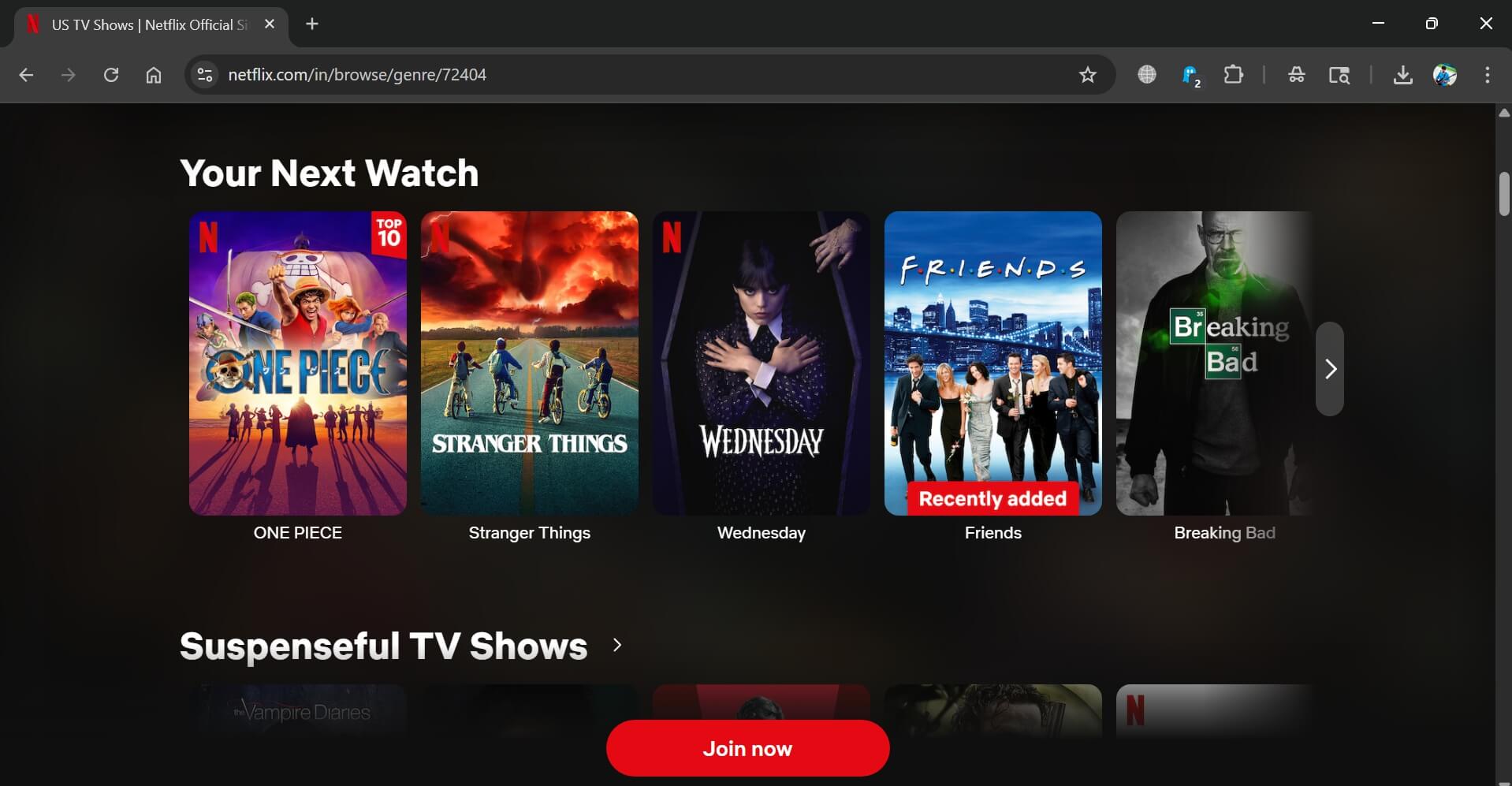
If you are still budgeting off the old $7.99 ad tier figure, that is why your bill looks different this month. Netflix did not send a dramatic announcement about it. It just showed up on the next billing cycle, the way these things usually do.
Disney Plus standalone runs $11.99 a month with ads or $15.99 ad-free, based on pricing confirmed as of mid 2026. The Disney Plus and Hulu bundle sits at $12.99 with ads or $19.99 ad-free, and that bundle price sits close to what Disney Plus alone costs on its ad-supported tier. You are effectively picking up Hulu for about a dollar more.
| Service | Cheapest plan | Ad-free plan | Top tier |
|---|---|---|---|
| Netflix | $8.99/mo (ads) | $19.99/mo | $26.99/mo (4K) |
| Disney Plus | $11.99/mo (ads) | $15.99/mo | — |
| Disney Plus + Hulu bundle | $12.99/mo (ads) | $19.99/mo | — |
| Hulu (standalone) | $11.99/mo (ads) | $18.99/mo | — |
| Max | $9.99/mo (ads) | $16.99/mo | $20.99/mo (Ultimate) |
| Prime Video | Included with Prime ($14.99/mo) | +$4.99/mo (Prime Video Ultra) | — |
| Apple TV+ | $12.99/mo (no ad tier) | — | — |
Prices move fast in this category, and every provider reserves the right to change them without much warning, so treat this table as a snapshot from mid to late 2026 rather than a permanent number. Check the provider’s own pricing page before committing to anything annual.

The Disney and Hulu merger changes the bundle math
Disney is folding the standalone Hulu app into Disney Plus during 2026. If you already use both, your login and watch history carry over without you doing anything.
The bigger shift is that Disney Plus, Hulu, and ESPN Select now live under one pricing structure, which makes the service bundle of the trio worth a second look if you were previously treating them as separate bills.
That bundle moved from $17 to $20 a month ad-supported and from $27 to $30 for commercial-free viewing, a change that started reaching eligible subscribers’ billing cycles from mid September 2026.
If you only watch Disney and Hulu content and never touch ESPN, the service bundle consisting of the duo at $12.99 is the one to actually buy. Adding ESPN Select only pays off if you are watching live sports on it regularly, not keeping it around in case a game happens to be on.
Why bundling almost always beats subscribing separately
The Disney Plus and Hulu bundle at $12.99 with ads saves real money against buying both separately, since Hulu alone with ads already runs $11.99. That is the entire pitch in one sentence, and it holds up better than most streaming math because the underlying content library barely changes.
I went through my own household’s subscriptions while writing this, mostly out of guilt. There was a Paramount Plus subscription tied to a show that ended eight months ago. And nobody had opened the app since.
That is the actual failure mode with streaming spend. It is rarely one service being overpriced. It’s just accumulation nobody bothers to audit.
The households getting real value in 2026 tend to run two services at most, chosen for what they watch weekly rather than what they might watch someday. A Disney Plus and Hulu bundle plus Netflix’s ad tier covers most mainstream television and film for around $22 a month combined, which comes in under a single Netflix Premium subscription on its own.
| Combination | Monthly cost | What it covers |
|---|---|---|
| Netflix Premium alone | $26.99 | Netflix library, 4K, 4 streams |
| Disney/Hulu bundle (ads) + Netflix (ads) | $21.98 | Two full libraries, some ads |
| Disney/Hulu bundle (ads) + Max (ads) | $22.98 | Disney, Hulu, and HBO content |
When rotation beats a permanent cheapest streaming bundle
If you genuinely only watch one or two shows a year on a given service, a permanent subscription is the wrong shape for your viewing habits. Rotation makes more sense than any bundle here.
Subscribe for the month a new season drops, binge it, cancel before the next billing cycle, then resubscribe when the next season you actually care about airs. This works cleanly on services with no contract and instant resubscription, which covers most of the major players.
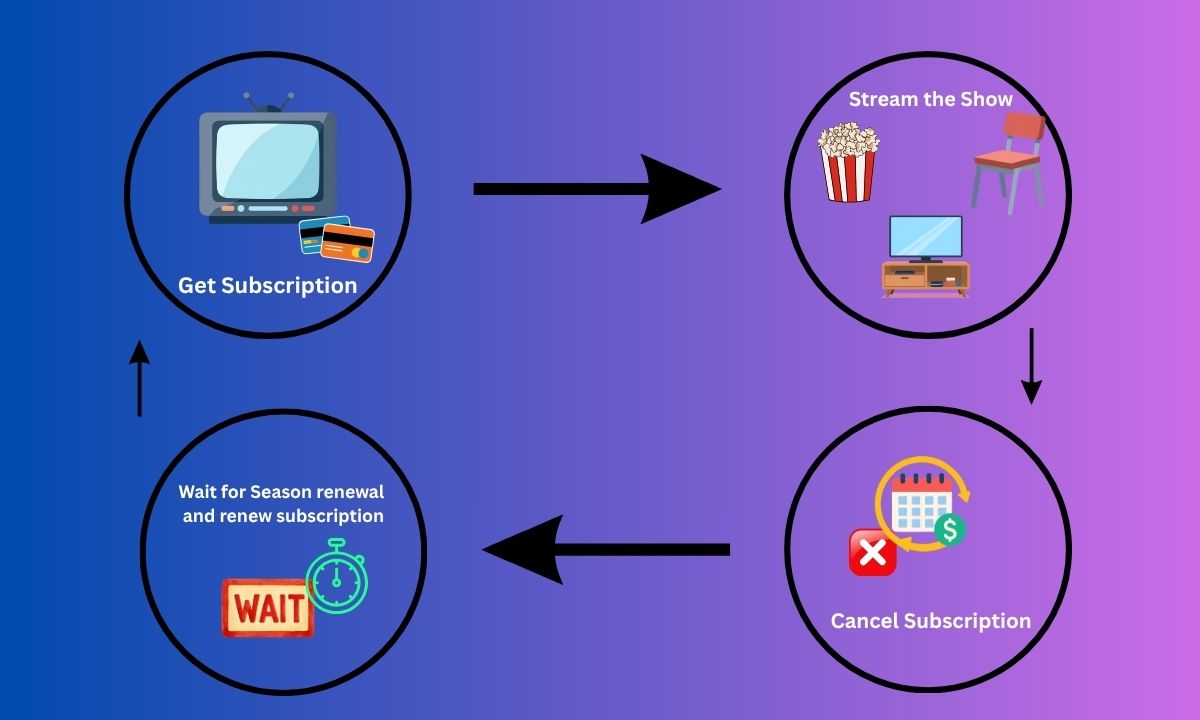
It works less well on Amazon Prime Video, since canceling it usually means canceling the entire Prime membership rather than just the video portion, and that carries knock-on effects for shipping and other Prime perks people forget they use.
Max is a reasonable rotation candidate too. Its ad-supported tier at $9.99 is priced for exactly this kind of short-term use rather than year-round commitment.

The ad-supported tiers are better than their reputation suggests
Ad-supported streaming got a bad reputation early on, back when the ad breaks were long and poorly targeted. That reputation is dated now. Netflix’s ad tier at $8.99 and Disney Plus’s ad tier at $11.99 sit close enough to the ad-free versions.
The real question is how much the ads themselves bother you, not whether the tier is some kind of compromise product.
I switched my own account to Netflix’s ad tier for two months as a test. The ad breaks landed at natural pause points more often than expected, mid-episode rather than mid-scene. It did not feel like the early ad-supported streaming experience that made people avoid the tier entirely.
Where it still falls short is content availability. A small number of titles are not licensed for ad-supported viewing at all, mostly newer theatrical releases in their first streaming window. If there is a specific film you are waiting on, check availability on the ad tier before assuming it will be there.
What this actually means for your monthly bill?
The honest number for most households chasing broad coverage without waste sits somewhere between $20 and $35 a month across two bundled services. That is well under the roughly $56 average that industry surveys report for households running four or more subscriptions separately.
Closing that gap is not complicated. It mostly requires actually canceling the subscriptions you are not watching actively.
Set a recurring reminder for whichever service you are keeping on a trial or promotional rate, since almost every one of these deals reverts to full price automatically and quietly. The bundle that saves you money in September can quietly stop saving you money by March if you never check back.
Frequently asked questions
Is the Disney Plus and Hulu bundle actually cheaper than buying both separately?
Yes. The bundle with ads costs $12.99 a month, while Hulu alone with ads already costs $11.99, so you get Disney Plus for about a dollar more than Hulu’s standalone price.
Why did my Netflix bill go up in 2026?
Netflix raised US prices across all tiers on March 26, 2026. Standard with Ads moved to $8.99, Standard to $19.99, and Premium to $26.99.
Can I still watch everything on Hulu after the Disney merger?
Yes. Your existing Hulu login and watch history carry over as Hulu folds into the Disney Plus app during 2026, and no action is required on your end.
Are ad-supported streaming plans actually worth it?
For most people, yes. Netflix and Disney Plus’s ad tiers are priced close to their ad-free versions, and the ad breaks in 2026 are far less intrusive than early ad-supported plans were.
Is Amazon Prime Video worth subscribing to separately?
Only if you do not already have Amazon Prime because Prime Video is included with the $ 14.99-a-month Prime membership, and canceling just the video portion is not possible without canceling all of Prime.