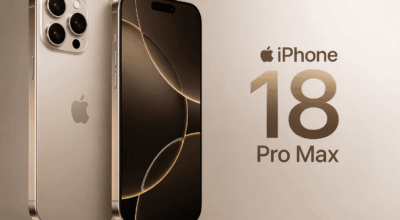
John Ternus officially becomes Apple’s CEO on September 1, and before he even starts, he has already made his first product priority clear. Bloomberg’s Mark Gurman reports that Ternus has been spending significant time with Apple’s industrial design group as part of his transition, a visible signal that design will hold more authority under his leadership than it has in years.
Apple’s design team has spent much of the last decade as an order-taker rather than a decision-maker inside the company. Ternus wants to change that, and the foldable iPhone he will debut in his first major act as CEO is positioned to prove it.
TL;DR: Mark Gurman reports incoming Apple CEO John Ternus has been spending significant time with Apple’s industrial design group ahead of his September 1 start date, signaling that design is returning to a more central role in product decisions. Apple’s design team lost its executive-level authority after Jony Ive’s departure, with finance and operations gaining greater say over the years that followed. The foldable iPhone, which Ternus will introduce at a fall media event, is his first major product statement as CEO.
How Apple’s design team lost its authority
When Jony Ive left Apple in 2019, his industrial design group did not simply change leadership. It lost its structural position in the company. Ive had arranged his role so that design held outsized power over product decisions from the top down, something Steve Jobs described plainly in his biography: Ive had “more operational power than anyone at Apple apart from myself, because of the way I set it up.”
That changed immediately after Ive’s exit. Oversight of the design team passed to Jeff Williams, Apple’s COO, which placed design under an operations executive for the first time in decades. When Ive’s consulting deal with Apple concluded in 2022, his closest collaborators followed him out. Nearly every senior designer from his era eventually moved to his studio LoveFrom, started their own firms, or retired.
Gurman’s reporting describes the team that remained as “a service bureau where other teams come to get what they need and get out” with less influence than at any point in decades. Apple currently has no senior design executive listed on its official leadership page, though Molly Anderson and Steve Lemay were recently added in lower-profile roles. That is the gap Ternus is inheriting.
What Ternus has already started doing
Gurman reports that Ternus has been deliberately spending time with Apple’s industrial design group ahead of his September 1 succession. This is not described as a casual check-in. It is framed as one of the priorities he is establishing before taking the role officially.
Ternus was quoted directly: “The most beautifully designed thing that most customers own is an Apple product. We’re going to make sure that stays the case.” That kind of statement from an incoming CEO matters specifically because it puts the design team back in the frame of executive-level accountability, not just departmental delivery.
Apple has also positioned Ternus as the public face of recent hardware design successes ahead of the handover. He is publicly associated with the MacBook Neo, Apple’s premium laptop redesign that marked a genuine departure from several years of incremental updates. That external credit is part of the transition messaging. The implication is that Ternus has been influencing design outcomes for longer than his official title suggests.
Molly Anderson and Steve Lemay have been added to Apple’s leadership page in the months leading up to September. The move is small in itself, but it signals that Apple wants a visible design structure in place on the day Ternus takes over.
The foldable iPhone is his first design test
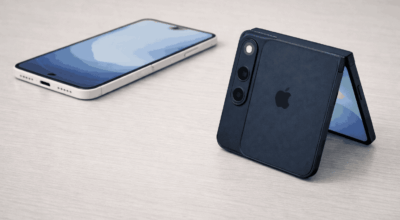
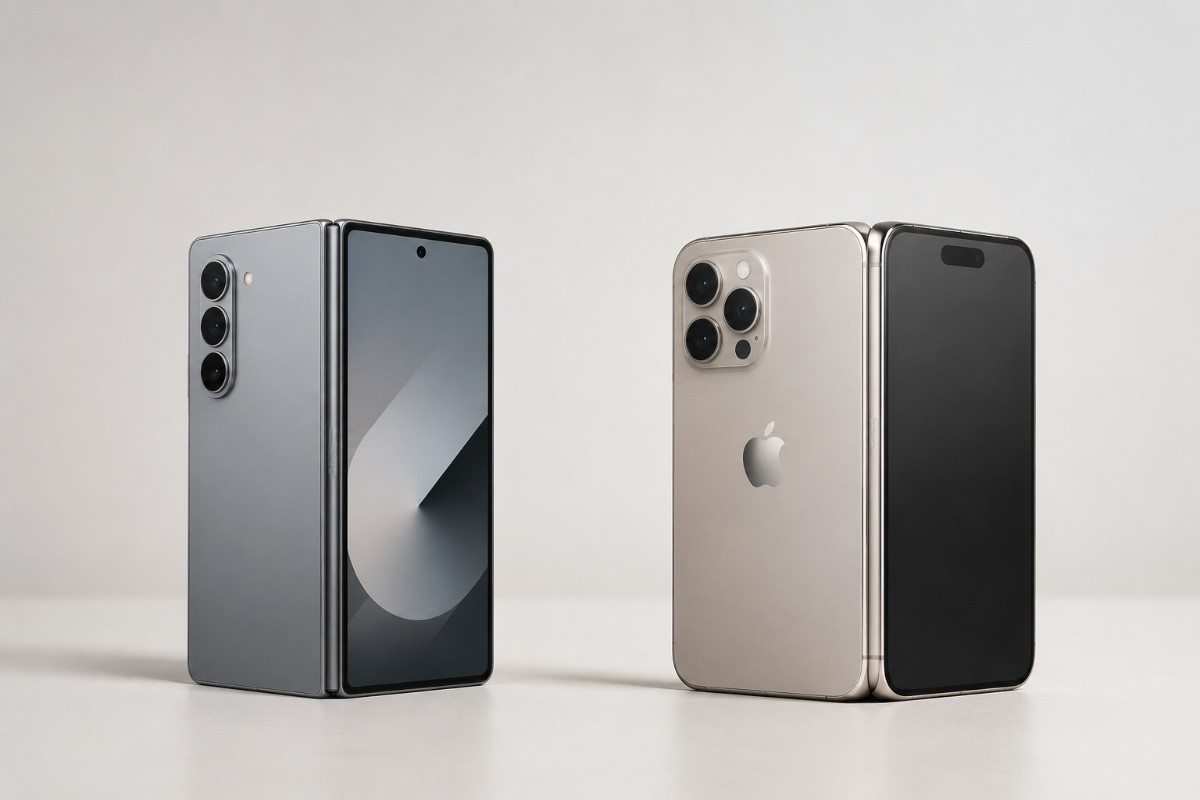
Gurman confirms that Ternus’s first major public role as CEO will be introducing the foldable iPhone at Apple’s fall media event. The timing is deliberate. The foldable iPhone is the product that most visibly requires design to lead, because the engineering tradeoffs on a folding device cannot be resolved by operations logic alone.
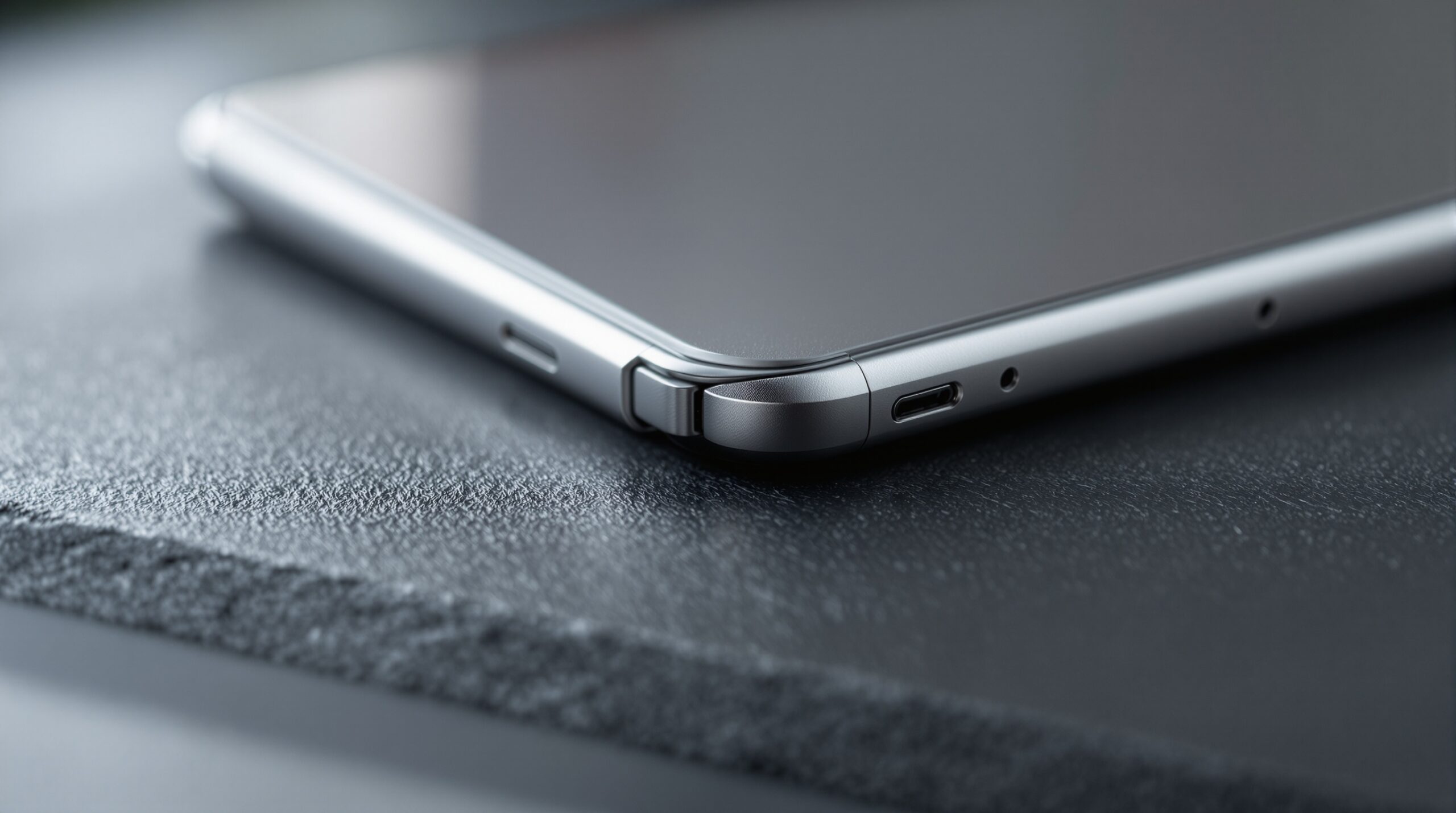
Apple has made choices on this device that prioritize feel and form in ways that carry real costs. The liquid metal hinge is built from an amorphous alloy that handles repeated flexion better than traditional metals, with the inner display targeting a crease depth below 0.15mm. The decision to use Touch ID instead of Face ID was driven by the physical geometry of the hinge and chassis. These are design-led conclusions reached through material constraints, not operations-led compromises made despite them.
If the foldable iPhone ships to the reception Apple is expecting, it becomes the physical argument that design-led product decisions are worth restoring as the primary organizational priority. That is a credible outcome. It is also a higher-stakes first act than most incoming CEOs face.
What this means if you are buying an iPhone next year
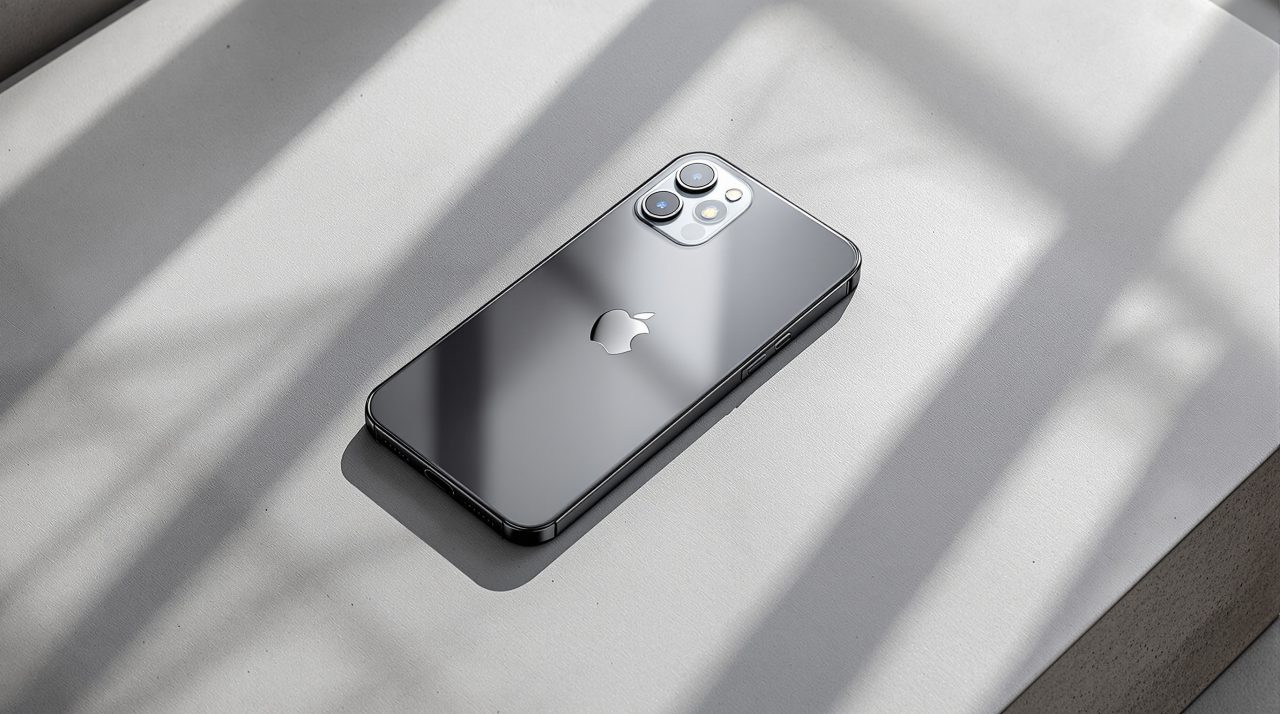
The iPhone 18 Pro launching this September was designed under the previous organizational structure. Its material choices and form factor decisions largely predate Ternus’s active involvement with the design group. The 20th anniversary iPhone expected in 2027 is where his influence on hardware will begin to show more directly.
What changes sooner is the decision dynamic. When design and operations disagree on a material choice, a form factor direction, or a camera module placement, those conversations used to resolve in favor of feasibility and cost. Gurman’s reporting suggests Ternus wants design to carry more weight in those rooms. The back panel material shift on the iPhone 18 Pro is a small early signal of how that tension is already resolving differently under his influence.
For most buyers, the consequence is simple: the person signing off on what your next iPhone looks and feels like thinks design is what makes it worth buying. That has not been guaranteed at the executive level for several years, and now it is.