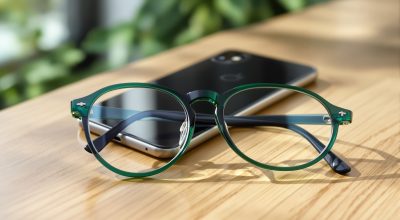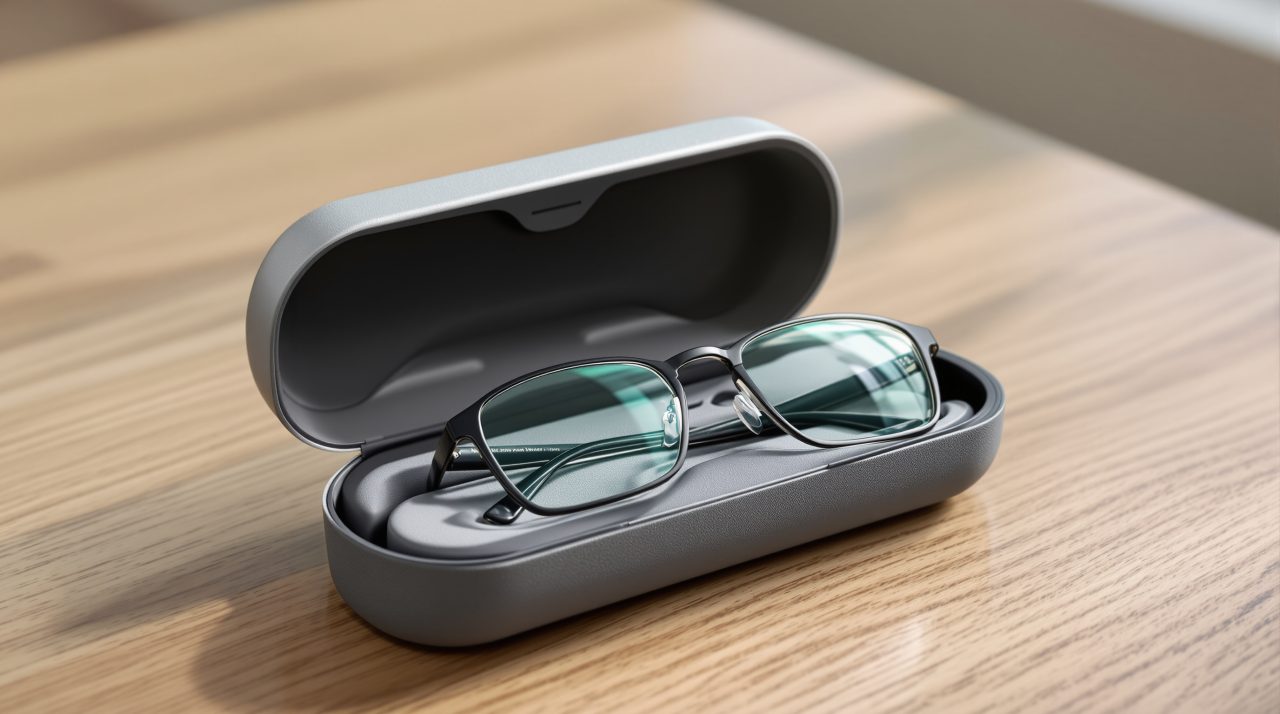
Google intelligent eyewear is now open for pre-order, with Gentle Monster frames starting at $449 and Warby Parker frames at $395. Google says sales begin December 10, and the glasses are limited to Google accounts from the United States and South Korea. If you have been waiting for Gemini glasses that look like ordinary eyewear this is the first time you get a real price to decide on.
TL;DR: Google’s intelligent eyewear costs $395 to $449 depending on the brand, ships December 10 for U.S. and South Korean Google accounts, and works with Pixel, recent Galaxy and iPhone 13 Pro or later phones. Battery is up to nine hours. Some accessibility features are Android only at launch.
Google intelligent eyewear prices and release date
Google’s announcement lists two lines. Gentle Monster offers six bold designs in colors such as dark red, pink, gray and yellow, starting at $449. Warby Parker offers three styles, Alden, Reid and Wren, in optical or sun versions, starting at $395.
Pre-orders are open online and at Gentle Monster and Warby Parker stores, and Warby Parker is running guided demos at more than 360 retail locations. Prescription options are available for most Gentle Monster frames, which matters if you wear glasses all day and can’t swap to a tinted pair.
| Detail | Gentle Monster | Warby Parker |
|---|---|---|
| Starting price | $449 | $395 |
| Designs | Six | Three styles |
| Sales begin | December 10 | December 10 |
| Availability | U.S. and South Korea | U.S., warbyparker.com |
The price gap is small so the choice will probably come down to frame style and whether you want a prescription fitted.
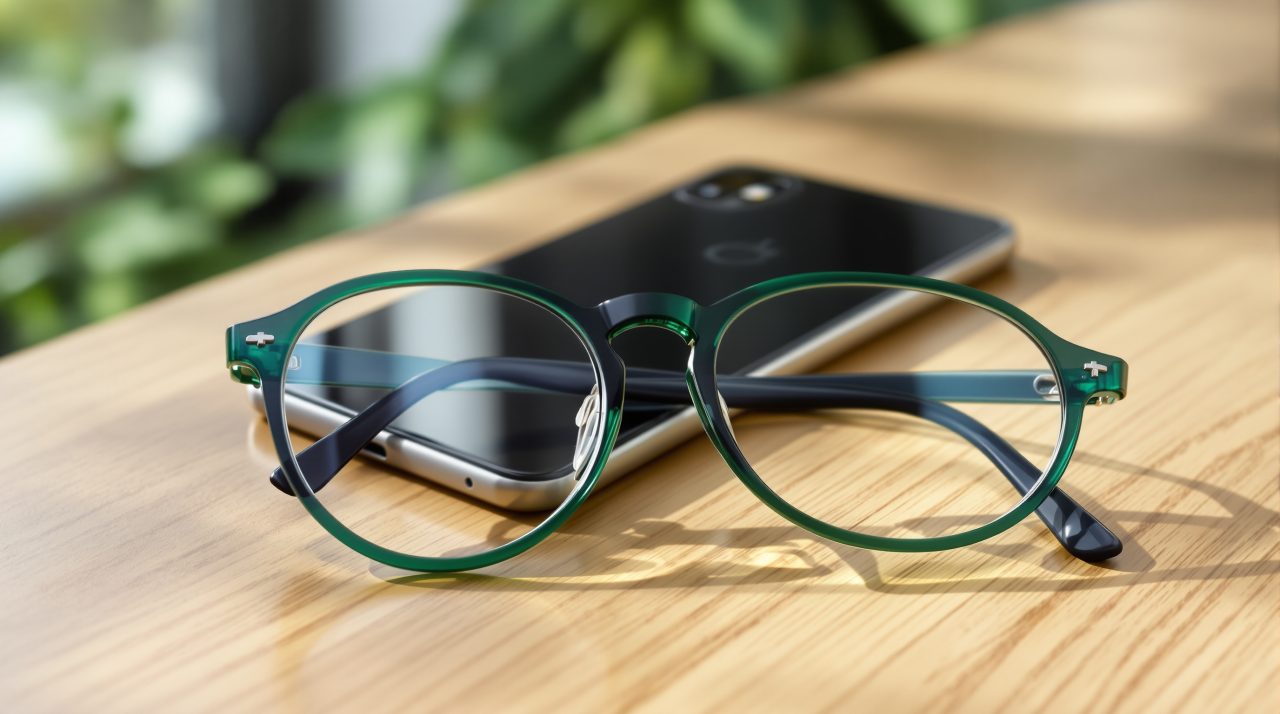
What the glasses do and how long they last
Each pair weighs about 41 grams and carries a 12-megapixel ultra-wide camera with HDR, image stabilization and spatial audio capture. Open-ear speakers handle audio, and Google rates battery life at up to nine hours, with the charging case adding up to seven more full charges. Those figures vary by use so heavy camera days will shorten them. The frames are also rated IPX4, which covers splashes, sweat and light rain but not much more.
You wake Gemini by saying “Hey Gemini” or tapping the frames. It connects to Calendar, Google Maps for turn-by-turn directions, and Google Translate, which handles speech translation across more than 70 languages with automatic language detection.
Picture standing at a counter abroad hearing a language you don’t speak and getting the reply in your ear instead of fumbling for your phone. That’s the everyday case these glasses are built around.
Which phones work with the glasses
Pairing works with a Google Pixel 7 series or later running the Android 17 September 2026 update or newer. Galaxy S, Galaxy S FE and Galaxy Z Fold and Flip series phones need One UI 9.0 or higher, and iPhone 13 Pro and later are supported. Google’s glasses site adds that iPhones need iOS 26.6 or later.
Not every feature crosses over. Guided Vision, which gives audio descriptions for people who are blind or have low vision, and the Aira Explorer link to a human visual interpreter are available only with a compatible Android phone at launch. Audible is also Android only at launch, while YouTube Music, Spotify and Apple Music work across the board.
That split is the one iPhone buyers should check before they pre-order.
Privacy protections for people around you
A camera on your face raises the obvious question about everyone else in view. In a separate privacy post, Google says an outward-facing LED lights when you take a photo or video, and sensors are designed to detect if that light is covered and block capture if so.
Faces of bystanders are automatically redacted before images go to Gemini, and camera visuals from Gemini questions aren’t saved to Gemini History or used for AI training or ad targeting. Photos or videos you ask Gemini to take are saved to your gallery. Every pair has a physical power switch, and data on the glasses is encrypted, as is data sent off the device for processing. Google lists Private AI Compute for glasses as coming soon.
Google gives no accuracy figures for face redaction or the cover detection, so those protections are worth watching in independent testing.
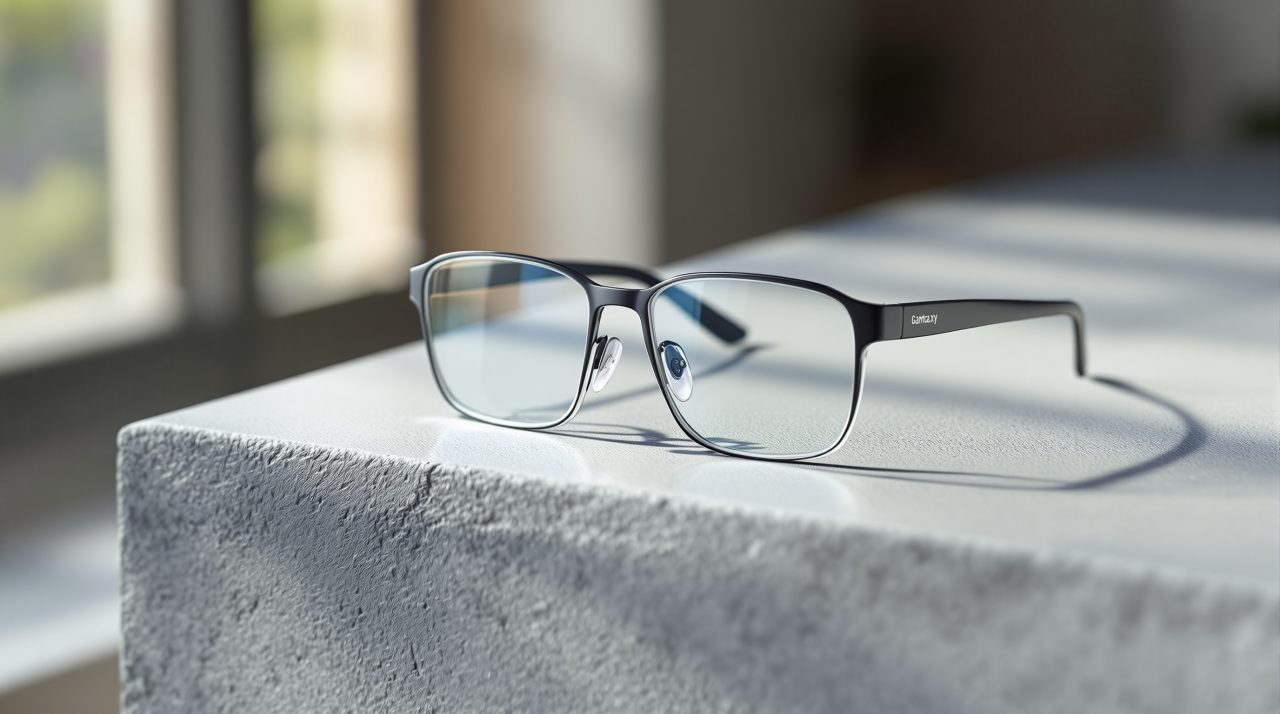
Who should wait for reviews first
Use is limited to Google accounts belonging to people 18 or older, in the U.S. and South Korea. Users also agree not to record others without permission or in sensitive places, and Google says violations can disable the device.
Pre-ordering a $395 to $449 camera product before anyone outside Google has worn it for a week is a bit of a gamble. Not a reason to skip them but a good reason to read battery and comfort impressions after December 10 if you are still undecided.