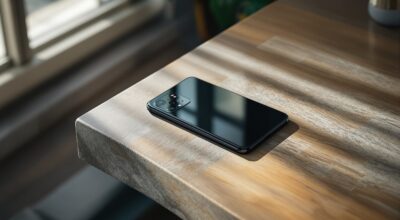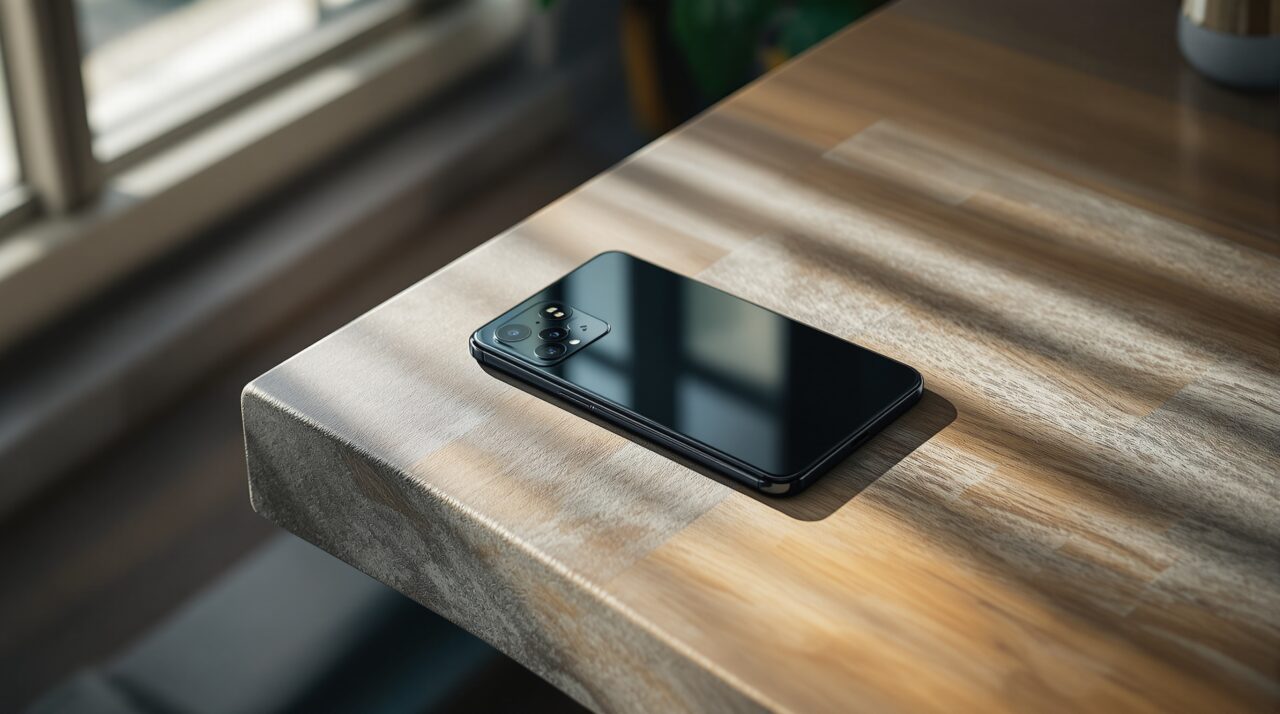
The Pixel 11 Pro is removing the body temperature sensor that has shipped on every Pixel Pro model since the Pixel 8 Pro launched in October 2023. In its place, according to a comprehensive spec leak posted by MysticLeaks on Telegram on May 4, 2026 and corroborated by 9to5Google, is an RGB LED array built into the camera bar that Google is calling Pixel Glow.
The thermometer was not the headline feature on any Pixel Pro review. But it was a working sensor with real applications, and understanding what replaces it and what does not helps make sense of what direction the Pixel 11 Pro is moving in.
TL;DR: The Pixel 11 Pro replaces the Pixel 10 Pro body temperature sensor with an RGB LED ambient lighting system called Pixel Glow, based on the May 4, 2026 MysticLeaks spec leak corroborated by 9to5Google. The thermometer on the Pixel 10 Pro measured surface and estimated body temperatures. Pixel Glow adds ambient lighting effects and notification indicators, similar to Nothing’s Glyph interface. The trade is functional health sensing for visual design. The Pixel 11 series is expected to launch in August 2026.
What the Pixel 10 Pro thermometer actually did
Google introduced the body temperature sensor on the Pixel 8 Pro in October 2023 as the first mainstream smartphone thermometer cleared by the FDA for surface temperature measurement. The sensor sat at the edge of the camera bar and could measure the temperature of any surface held against it, including a forehead estimate for body temperature readings.
In practice, the use cases were specific and narrow: checking whether a room was the right temperature for a newborn, taking a quick surface reading on food or a drink, getting a first-pass fever check without reaching for a separate thermometer. The sensor also logged ambient air temperature independently.
Google was careful to frame these as reference measurements rather than clinical readings, but the sensor worked reliably for its stated applications. Pixel 10 Pro owners carried a thermometer in their pocket. Pixel 11 Pro owners will not.
What Pixel Glow actually is
MysticLeaks described Pixel Glow as an RGB LED array integrated into the camera bar, functioning as ambient lighting effects and notification indicators.
The comparison most reporting reached for immediately was Nothing Phone’s Glyph interface, which uses a grid of LEDs on the back panel to signal charging status, incoming calls, and app notifications through configurable light patterns. Pixel Glow appears to be Google’s interpretation of the same concept, applied to the camera bar rather than the back panel.
The specific applications that Pixel Glow will support have not been confirmed beyond notification lighting and ambient effects. A fill light use case for close-up photography is plausible given the camera bar placement, but was not stated in the MysticLeaks dump. Google has made no official comment on Pixel Glow ahead of the expected August 2026 Pixel 11 launch.
What you actually lose
For most Pixel Pro owners, the thermometer was a feature they discovered in the first week and returned to only occasionally. If that describes your pattern, Pixel Glow is a neutral or positive change depending on how much value you place on ambient notification lighting versus infrequent temperature checks.
The people for whom the loss is real are narrower but concrete: parents who used the forehead estimate as a quick first check on a sick child, caregivers who tracked temperature in care settings, cooks who used the surface read without reaching for a probe thermometer.
For those users, the Pixel 10 Pro is worth holding onto, or the Pixel 11 Pro is not the right upgrade path. No mainstream Android phone currently shipping includes a body thermometer. Pixel 10 Pro is the last one in Google’s lineup for at least a generation.

How to read this trade-off
Removing a health sensor to add ambient lighting is a statement about priorities. Google is betting that the Pixel 11 Pro’s audience values design expressiveness and notification visibility over a measurement tool with a narrow use case.
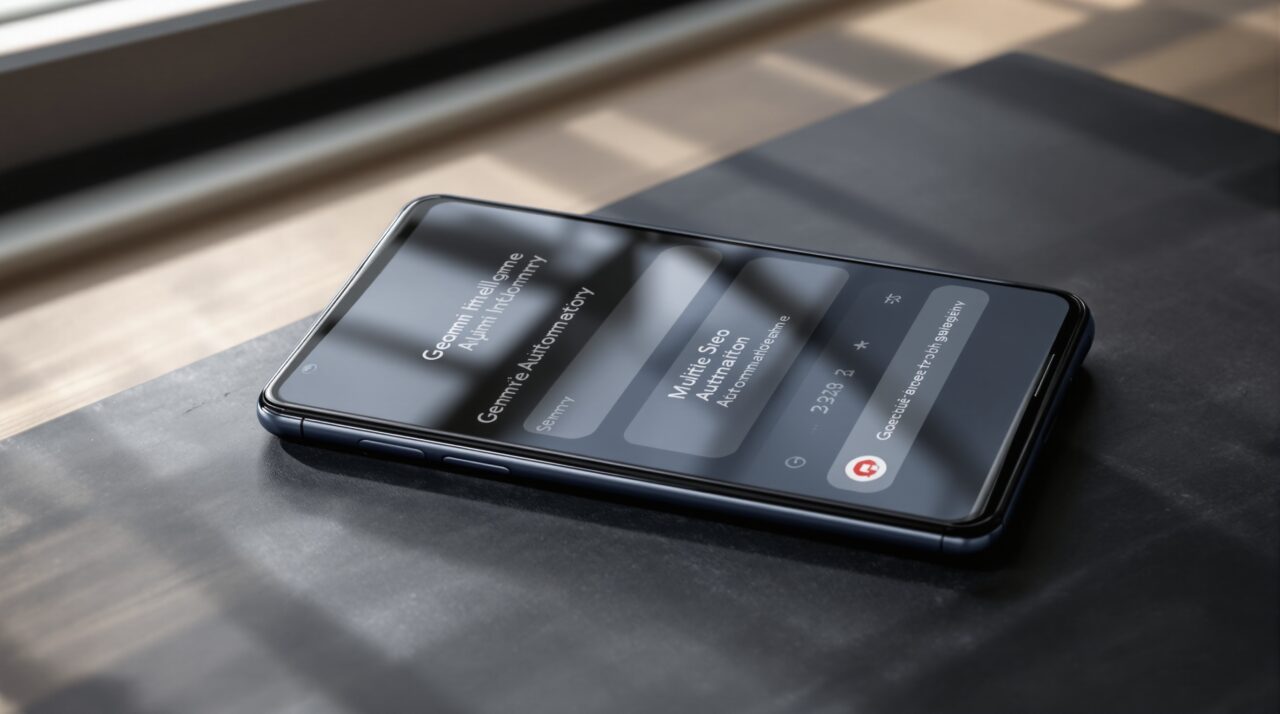
That is probably the right bet for most buyers, and the Pixel 11 Pro with Gemini Intelligence on Android 17 is a more capable phone in most everyday dimensions than the Pixel 10 Pro.
The thermometer is the one area where the Pixel 10 Pro does something the Pixel 11 Pro cannot. Whether that matters depends entirely on what you were using the sensor for. For everyone else, Pixel Glow arriving in a product Google has spent years positioning as a clean, thoughtful device is a more coherent design choice than keeping a health sensor that most owners rarely used.