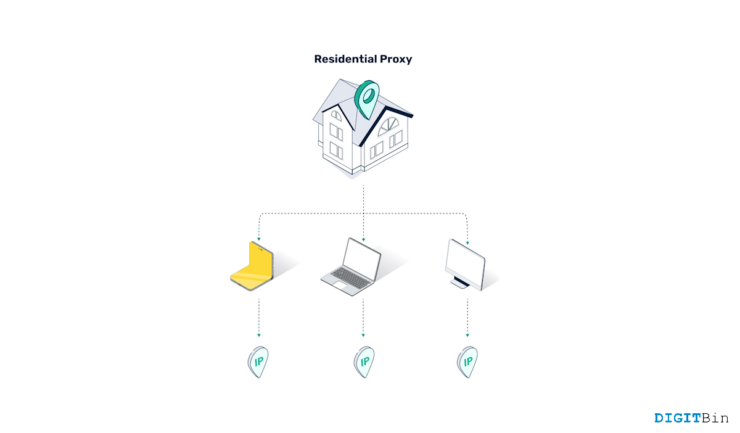
If you use the internet daily, you’ve probably seen messages like Access denied, Unusual activity detected, or endless captcha checks, even when you’re just browsing normally. I’ve faced this many times, and for a long time, I didn’t understand why it was happening.
I just wanted the internet to work normally, without constant blocks or interruptions. That’s where the idea of a static residential proxy comes in. Once I understood what it actually means, I realized it’s much simpler than it sounds.
What surprised me most was how often this matters. If you’ve ever tried accessing region-based content, managing multiple logins, running tools that need a stable IP, or just wanted fewer interruptions online, this concept quietly plays a role.
What is a Static Residential Proxy?
If you’ve ever been blocked by a website for no clear reason, you’re not alone. I’ve faced situations where pages wouldn’t load, captchas kept popping up, or certain features just didn’t work.
Over time, I learned that websites don’t just look at what you do online; they also look at how you connect to them. That’s where a static residential proxy comes into the picture.
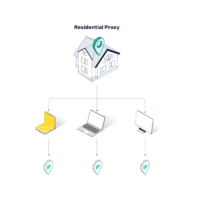
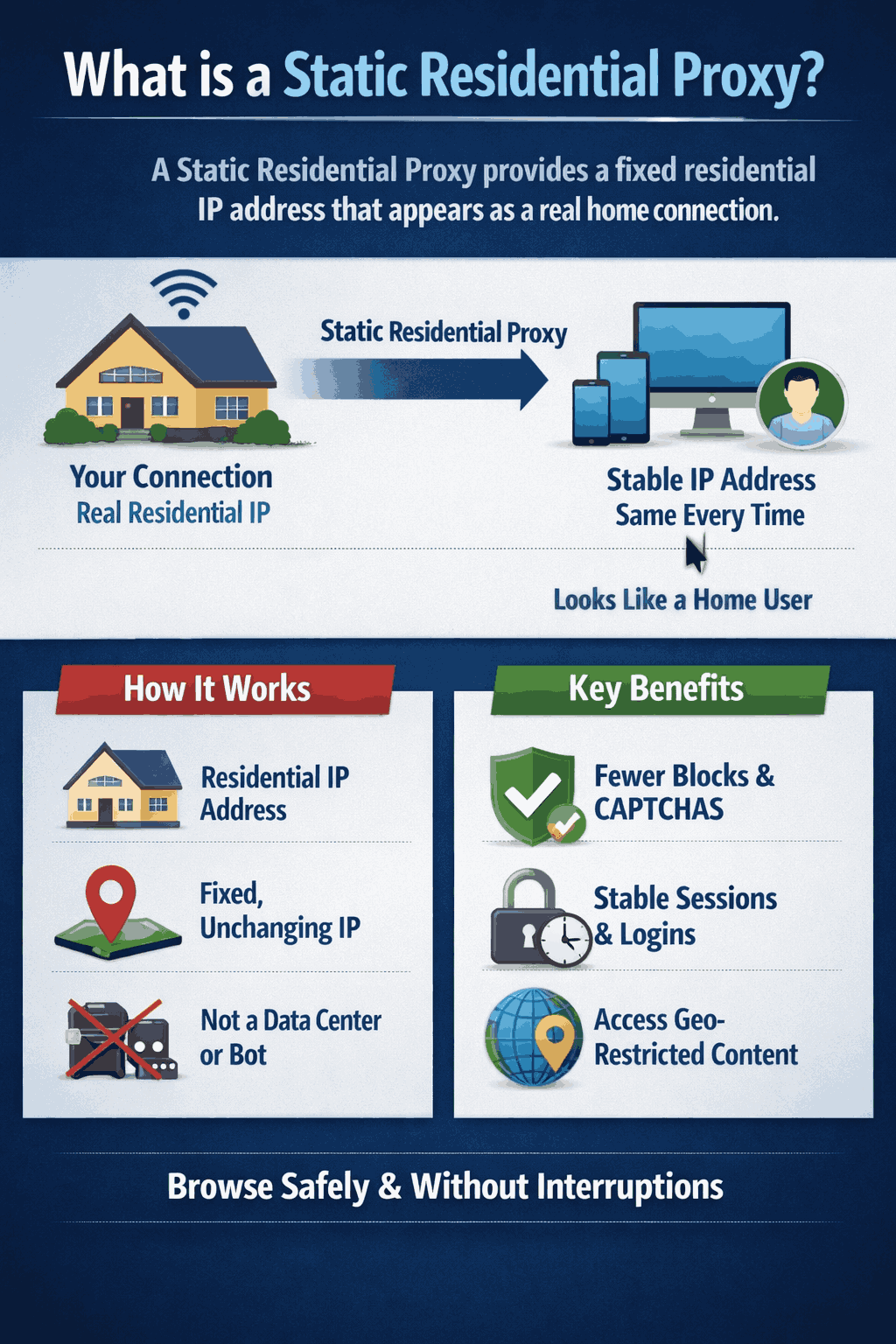
At its core, a static residential proxy A static residential proxy is an internet connection that uses a residential IP address and stays the same every time you connect.
Here, Residential means the IP looks like it belongs to a normal household, just like yours. So when you use a static residential proxy, websites see you as a normal person browsing from your house, not a bot, not a data center, and not something suspicious.
Read: What is VPN Kill Switch and Why is it important?
Why Websites Care About Your IP Address
Most people don’t realize this, but websites quietly judge your IP address all the time. They check:
- Is this IP from a real home or a server?
- Does it change too often?
- Is it used by many users at once?
If the answers don’t look normal, you may get blocked, even if you’re a genuine user. I learned this the hard way when managing accounts and using online tools that worked fine one day and failed the next.
Once I started using a static residential proxy, the difference was noticeable. Fewer captchas, logins stayed active, and websites stopped treating me like a suspicious user.
The biggest change for me was consistency. I didn’t have to worry about my session breaking or getting randomly logged out.
Do You Really Need a Residential Proxy
Residential Proxy has its own advantages, some of which include a high trust level and a stable identity in the digital world. On top of that, you will get fewer to no interruptions while browsing your favourite websites, as there will be less blocking and fewer captchas. Residential Proxies have great session handling, thus logins don’t break, and it’s beginner-friendly to use.
In short, using Residential Proxy, you trade speed and rotation for reliability, and for many users, that’s a good deal. However, not everyone needs a static residential proxy. If you:
- Just browse casually
- Don’t face blocks or restrictions
- Use only one account everywhere
Then your normal internet connection is usually enough. Residential Proxy becomes useful only when you start noticing interruptions.
Conclusion
If you’ve ever managed multiple accounts, accessed country-specific content, or used online tools that require a stable identity, Static Residential Proxy already affects you more than you might realize. From my experience, stability is the key difference. When your IP keeps changing, websites get confused. When it stays the same, things just work smoothly.
If you've any thoughts on What Is a Static Residential Proxy? Explained for Beginners, then feel free to drop in below comment box. Also, please subscribe to our DigitBin YouTube channel for videos tutorials. Cheers!