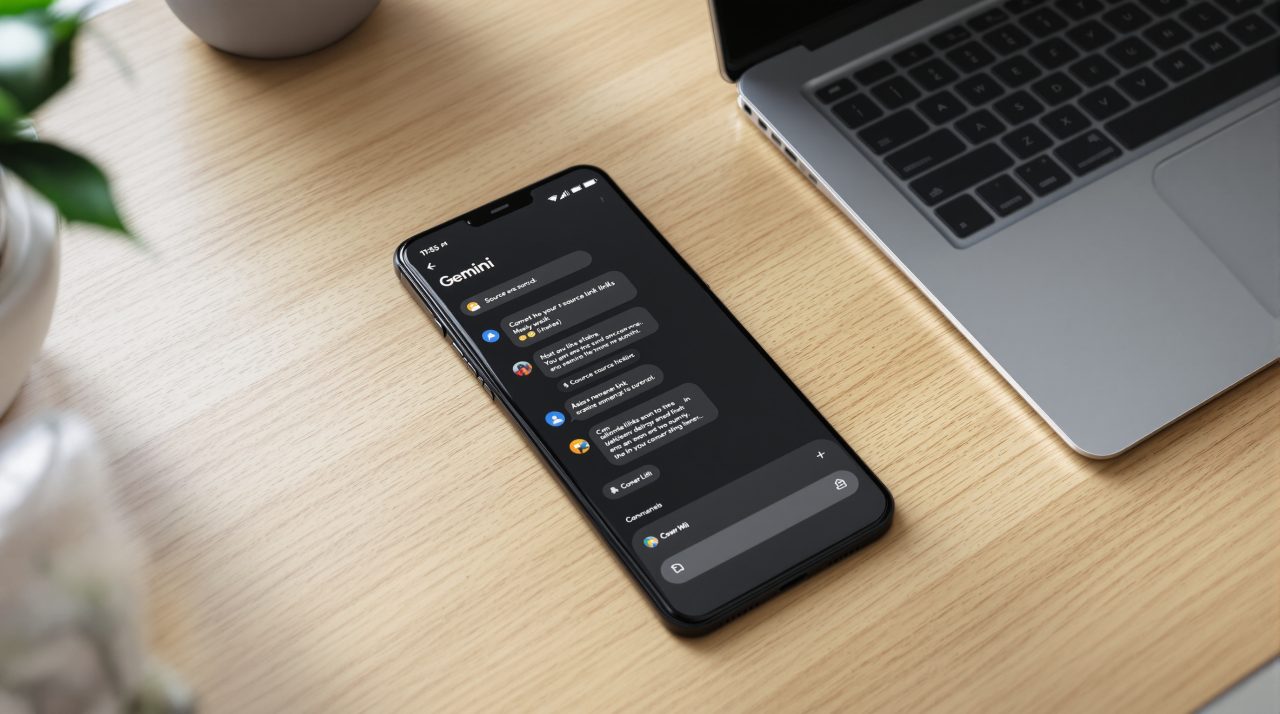
Gemini has stopped adding utm_source=gemini to the links it cites in its answers, according to server log data from SEO consultant Natzir Turrado. The tag appeared in early September 2026, kept growing for about three weeks, then vanished overnight on September 29. For anyone running a website, the practical effect is that Gemini visits are harder to tell apart from people who typed your address straight in. These Gemini UTM tags were never documented, so nothing announced their arrival or their exit.
TL;DR: Gemini briefly tagged cited links with utm_source=gemini, then stopped on September 29, 2026, based on one consultant’s server logs. Web visits still carry a gemini.google.com referrer, but the iOS app strips it, so those clicks land in Direct in GA4. Treat the numbers as a floor, not a full count of Gemini traffic.
What the Gemini UTM tags did while they lasted
In Turrado’s logs, the tag was present on roughly two out of three visits that carried a Gemini referrer by the week of September 21. He writes that it “disappeared overnight” on September 29 and that he has not seen it since. He updated his write-up on October 27.
The tag also did something useful. While it was active, it showed up on visits that had no referrer at all. For every Gemini visit with a referrer, between 0.16 and 0.65 more arrived without one, not counting the iOS app.
That is a small window into traffic most analytics tools never see. With the tag gone, the window is closed again.
Where Gemini visits land in your reports now
Gemini on the web still passes a gemini.google.com referral, so those clicks keep showing up under their own source. The Gemini app on iOS is the problem. Turrado says it opens links in its own web view, the referrer is stripped, and GA4 files the visit under Direct.
The Android app is murkier. It has no documented user agent of its own, so its clicks fall under a generic Google user agent or into Direct as well. If you already track how Gemini is changing what people do in Google’s shopping flow, this is the missing half of the picture.
Not a dramatic change, but an honest reminder that a flat line in a referral report does not mean flat interest.
How to still spot Gemini traffic
The iOS app does leave a trace. Turrado identifies its user agent as GeminiiOS followed by a version number, alongside GoogleWv/1.0 (WKWebView), which makes it findable in server logs even when GA4 cannot see it. He says he found that signature in October 2025.
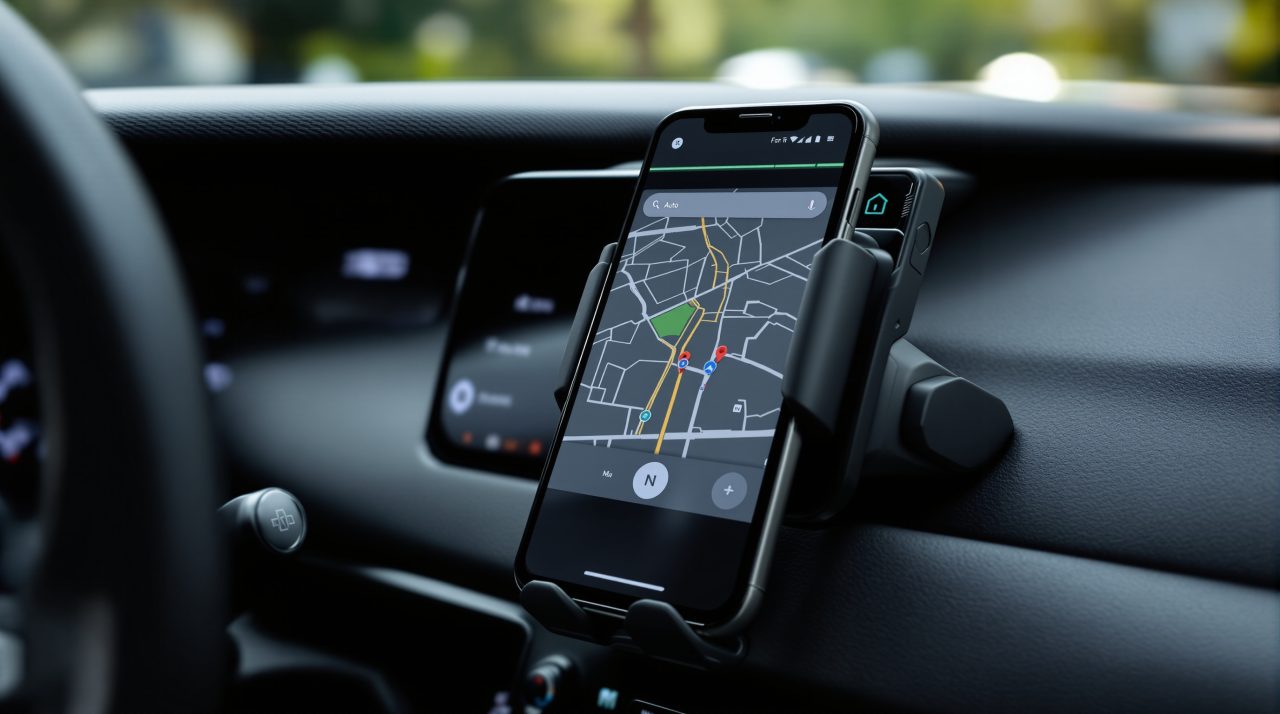
That means a quick log search can tell you roughly how many iOS app visits you have been miscounting as Direct. It will not cover the Android app, and it will not recover what the tag used to reveal. Gemini keeps turning up in new places, including Android Auto, which makes any single referrer report a partial view.
The effort is small if you already export logs, and it is the only route that does not depend on Google changing its mind again.
What not to read into the numbers
Turrado is clear about the limits. All of his figures come from his own logs and the sites he measures, not a broad sample, and the test did not reach every user.
His estimate that Gemini makes up between 0.05% and 0.23% of Direct traffic in a normal week is a floor for the same reason. He also says he cannot confirm or rule out industry estimates that 20 to 40 percent of AI traffic lands in Direct.
I could not find a Google announcement about the tags appearing or disappearing, so whether this was a test, a reversed rollout or a fault is unknown. If the tag returns, the same logs will show it.

What to check on your own site this week
Pull a month of server logs and search for GeminiiOS, then compare the count against your Direct bucket in GA4. If the gap is visible, note it in your reports so a drop in Gemini referrals is not mistaken for a drop in readers.
The tag may come back, and your reporting should survive either outcome.