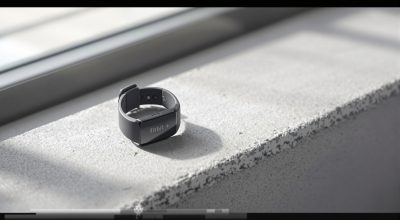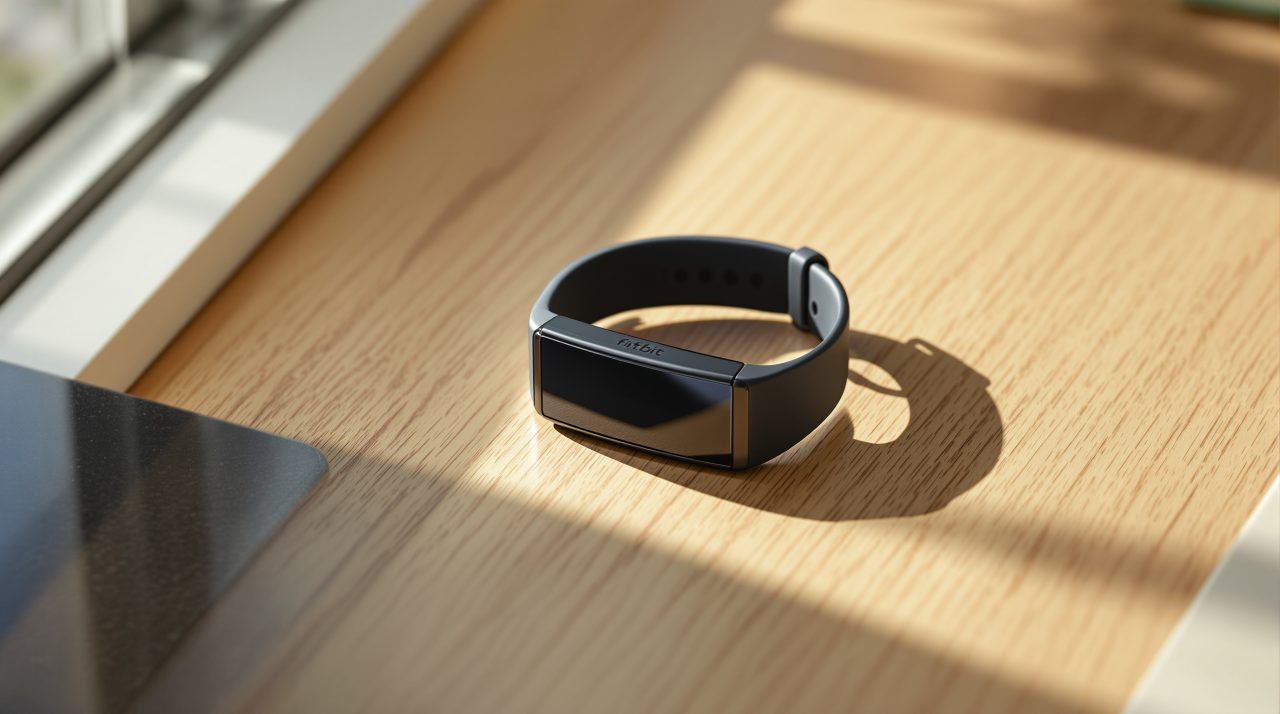
The Fitbit Edge design story has arrived: in a post dated October 27, 2026, Google makes three headline claims, a chassis built from 100% recycled aluminum, its largest and brightest tracker display yet, and up to seven days of battery life. Each one carries a footnote that narrows it.
If you are thinking about a pre-order, the small print is where the real buying decision sits, so it is worth reading before the big numbers settle in your head. Here is what the post says, and what it leaves out.
TL;DR: Google’s design post for the Fitbit Edge promises a recycled aluminum chassis, a bright Hybrid OLED display and up to seven days of battery. The footnotes add limits: battery life is approximate, the water rating comes with a not-waterproof warning, and the recycled content is measured differently from the headline. The Google Store lists the tracker from $179.99.
What Google says about the Fitbit Edge design
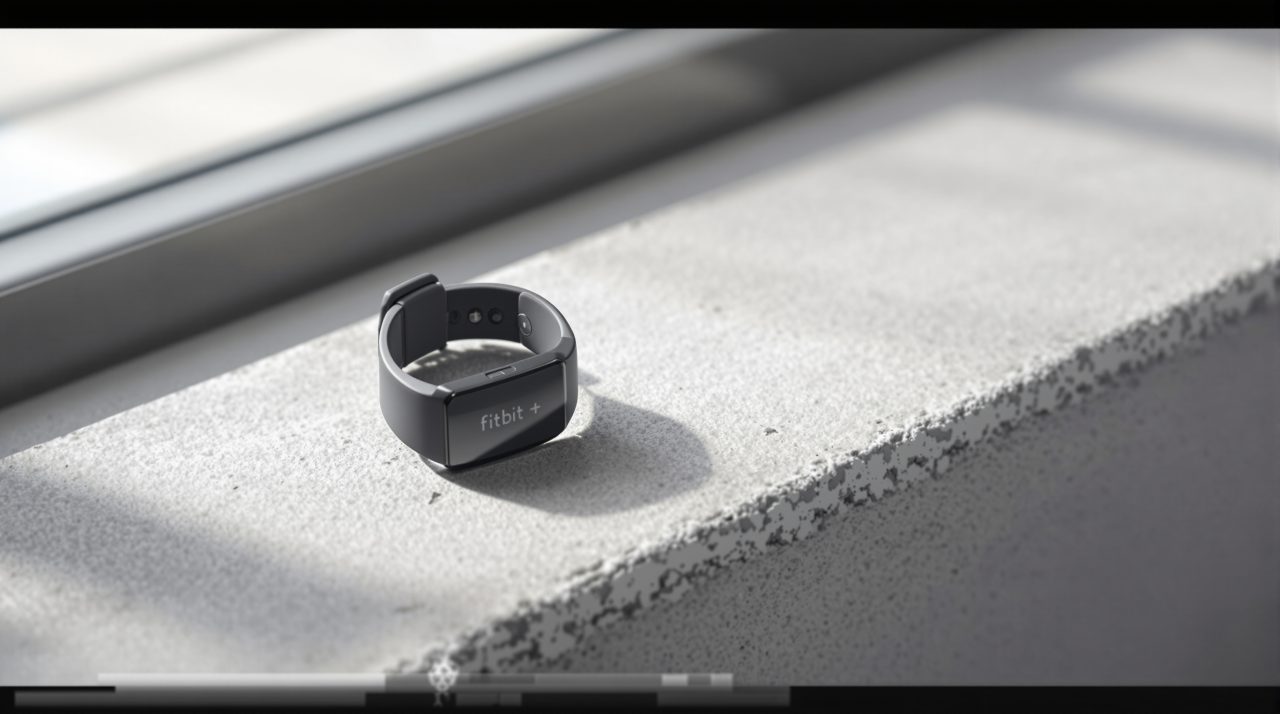
Jonah Becker, Google’s Director of Design, describes the Edge as the company’s newest fitness tracker, with a thin chassis, a subtle curve that follows the wrist and a tactile side button for pausing workouts and quick actions.
The display is a Hybrid OLED panel that Google says stays readable in harsh outdoor glare. Becker’s argument for the button is plain: sweaty fingers or wet weather make on-screen tapping frustrating.
Anyone who has tried to end a run with a damp thumb on a touchscreen will recognize that. A physical button is a small detail, but it is the kind that decides whether a tracker feels finished. The numbers behind the other claims are where it gets more interesting.
The footnotes that change the headline claims
Start with the aluminum. The post says the chassis is made from 100% recycled aluminum, while footnote 4 defines recycled aluminum as at least 2% of the product by weight. Those are different yardsticks, one for the chassis and one for the whole product, so they are not necessarily in conflict, but Google does not explain the gap.
Battery comes next. Google says up to seven days, and footnote 7 calls that figure approximate, based on testing in California in 2026, and warns that actual battery life may be lower. Treat seven days as a ceiling, not a promise.
The display claim has a similar limit. “Largest, brightest” is measured against other previous Fitbit trackers, according to footnote 2, so it is a comparison with Fitbit’s own lineup and not with the wider market.
Water and dust ratings follow the same pattern. Footnote 3 lists 5 ATM and IP68 ratings when each device leaves the factory, then states that the tracker is not waterproof or dust proof. Factory ratings describe a new device, and they say little about one that has spent a year on a sweaty wrist. That is the detail most coverage will skip, and it also shapes what you pay for.
Finishes, bands and what you pay
Google lists four finishes: Obsidian, Olive, Canyon and Fog. Bands are sold separately, including an Active Sport Band, a Magnet Band, a Metal Link Band in Matte Black, Brushed Silver or Champagne Gold, and a Performance Loop Band that footnote 6 marks as coming soon.
On price, the Google Store lists the Edge from $179.99 for pre-order, and each one includes a small and a large Active Band. The store page also says the battery is replaceable and that the tracker charges back to full in 90 minutes. Our earlier look at the Fitbit Edge price and repairability covers that side in more detail.
Google’s post says the tracker works with most phones running Android 11 or higher and iOS 16.4 or higher. It requires a Google Account and the Google Health app, and some features need a Google Health Premium subscription sold separately. Google also notes that the Edge is not intended for medical purposes.
What to check before you pre-order the Fitbit Edge
Google’s design post does not give a price, a shipping date, case dimensions or a sensor list, and the Google Store page shows no shipping date either. If a specific date or size matters to you, wait for those details before committing.
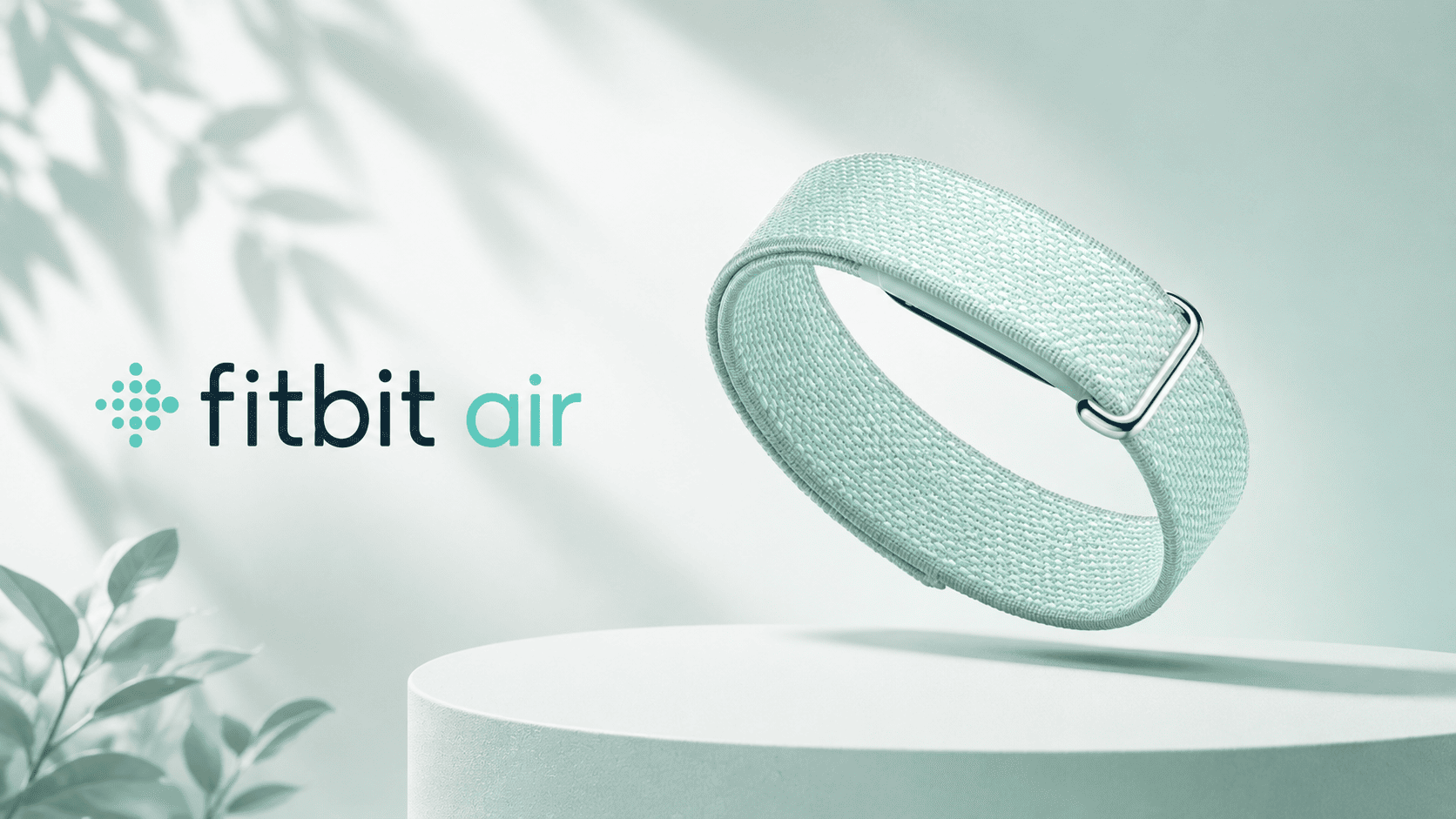
If you want the Edge mainly for battery life, plan around fewer than seven days until independent testing arrives. And if you would rather skip a screen altogether, the Fitbit Air is Google’s other option.