None of the 33 extension IDs listed in Akamai’s September report on a malicious browser extension campaign was available for installation through the Chrome Web Store or the Edge Add-ons store in my checks on Nov 28. The configuration file the report says controlled their behavior now returns an HTTP 404 error. One endpoint listed in the same report still responds to browser requests. Akamai’s report does not establish when or by whom the extensions were removed from the stores.
Akamai reported the campaign on September 30, 2026. LayerX Research, now part of Akamai, identified 32 malicious extensions across the two stores, affecting more than 6,150 users. The extensions disguised themselves as everyday utilities: text counters, Markdown tools, YouTube enhancers, video speed controllers, SEO tools and note-taking apps.
TL;DR: Akamai’s table lists 33 extension IDs, 18 for Chrome and 15 for Edge. In my Nov 28 checks, none was available for installation from either store. The remote file the report says steered them returns a 404. An endpoint named in the report, api.pvmf.workers.dev, still returns a short JSON response. I don’t know what it does.
All 33 Akamai-listed extension IDs are unavailable in both stores
Akamai’s text says 32 extensions, but its table of IDs has 33 rows. Thirty-two is Akamai’s reported campaign count and 33 is the number of entries in its published table. I checked every row.
For Chrome, I used a small browser-based checker to query Google’s extension update service for all 18 IDs. Google recognized the IDs but did not offer a downloadable package for any of them. For two extensions that do exist, uBlock Origin Lite and Google Docs Offline, the same query returned a version number, and a made-up ID got an “unknown application” error, so the three answers are distinct. The checker ran on Nov 28 at 06:39 UTC (12:09 pm IST).
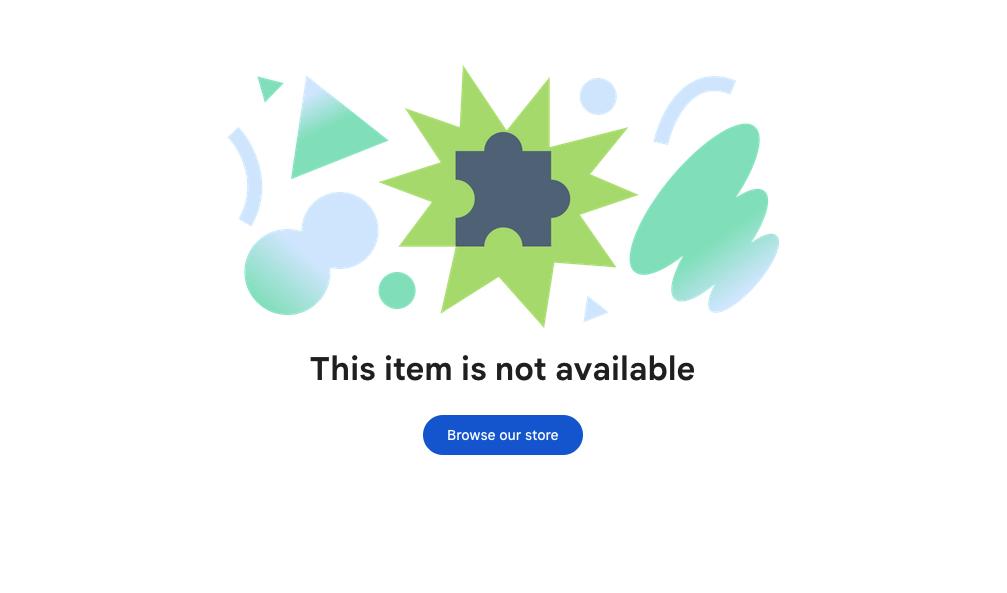
I did not open all 18 Chrome listings by hand. I opened two, pllpmojagjlnbclefckhdebmlkjhhcfh and jocoenanieejnoookkphbljadiahaopd. Both pages loaded the usual Chrome Web Store header and search bar, followed by the message “This item is not available” and a “Browse our store” button. Together, these checks indicate that none of the listed Chrome extensions was available for installation in the checks I performed.
For Edge, the store’s lookup by ID returned “not found” for all 15 IDs. The same lookup returned full details for uBlock Origin, so the lookup itself works.
| Store | IDs in Akamai’s table | Available for installation on Nov 28 | Live control used |
|---|---|---|---|
| Chrome Web Store | 18 | 0 | uBlock Origin Lite, Google Docs Offline |
| Edge Add-ons | 15 | 0 | uBlock Origin |
The IDs, as listed in Akamai’s table:
| Chrome | Edge |
|---|---|
| dblfldpldecohjpjgmhnigajjdjloega | nokclhllnnnahhfbpibpmnahpepahklo |
| ofgiffiieajicdflklkoapgndinhfacm | kdkfbahpggclmigankbnjgmhimfoijkk |
| hgcmokdfbgnakiifclhfifdphfofmngp | ffjagifkdpammmgijbglgkklomipinem |
| mfnlknmbkfnlgcjebdogolbakcekohfj | ddbhcdcfllihhljfboihdbpfddibkjjg |
| pllpmojagjlnbclefckhdebmlkjhhcfh | ekoglbhkaeljnakpledcdpfojbjdllmb |
| cogfipmojjaephpnihpeemgdmofhnaaj | pppcpccgdjdniohmegcejgamdnhilkml |
| nehmipanmmnkdpbjjfinnnlficndfhhd | coohonllohmhpbklloifbjjibeggijol |
| eobmkhocignkllbfigodhemdefbjldcb | bjdlhcllmhaiigiaibaoihlmheomjjgo |
| gajghfhmgcemdgjkamllmoejhkklphnc | bodnffdkjnpeholiplcncfegnliheamk |
| pifjjafdfdkglnnkeahlcndkmknlgocm | ahagmkpannaempjmlijhejhaajoiibel |
| ndoihodpeipgbogeecdiphdkjpcjoofp | ahemlacbncnpikgfoegfjfendahcahdl |
| bjokekhmbkkgohiedecgkkfgppoghjji | ieigeddfggngchfecpibaikoebaenpgm |
| efieelkohffbjnblcmomcejjbapaipnh | bahnaggfidlcllmceahngpllpaahkbkd |
| gbgdekgkmaaamplkcdaanpdokmjjcdbm | pncbphagfmgfopmhlbkifoonnbfdihbm |
| fkddfdhkgfneiibakfdhgpbkkcnnlook | hbjfkpmmomlaghbembkhhaaegbnlaicf |
| ebkkpkifaojdccgpaldnpclompdojmbh | |
| iclkfegmbldfjjlgngidahinmhogbfna | |
| jocoenanieejnoookkphbljadiahaopd |
To repeat the Chrome check, request https://clients2.google.com/service/update2/crx?x=id%3D<ID>%26v%3D0.0.0.0%26uc&prodversion=130.0.0.0&acceptformat=crx3 with an extension ID in place of <ID>. A live extension returns an updatecheck status of “ok” with a version number. The 18 listed IDs returned “noupdate,” and a made-up ID returned “error-unknownApplication” on the app element. For Edge, request https://microsoftedge.microsoft.com/addons/getproductdetailsbycrxid/<ID>. A live extension returns its details, and the 15 listed IDs returned a 404.
The control file Akamai named now returns a 404
According to Akamai, the extensions downloaded a configuration file, held it in the browser’s session storage, and used it to decide which sites to redirect. When a visited site matched a rule, the extension silently redirected the tab. Because the rules lived in the file, the operators could change targets without publishing a store update.
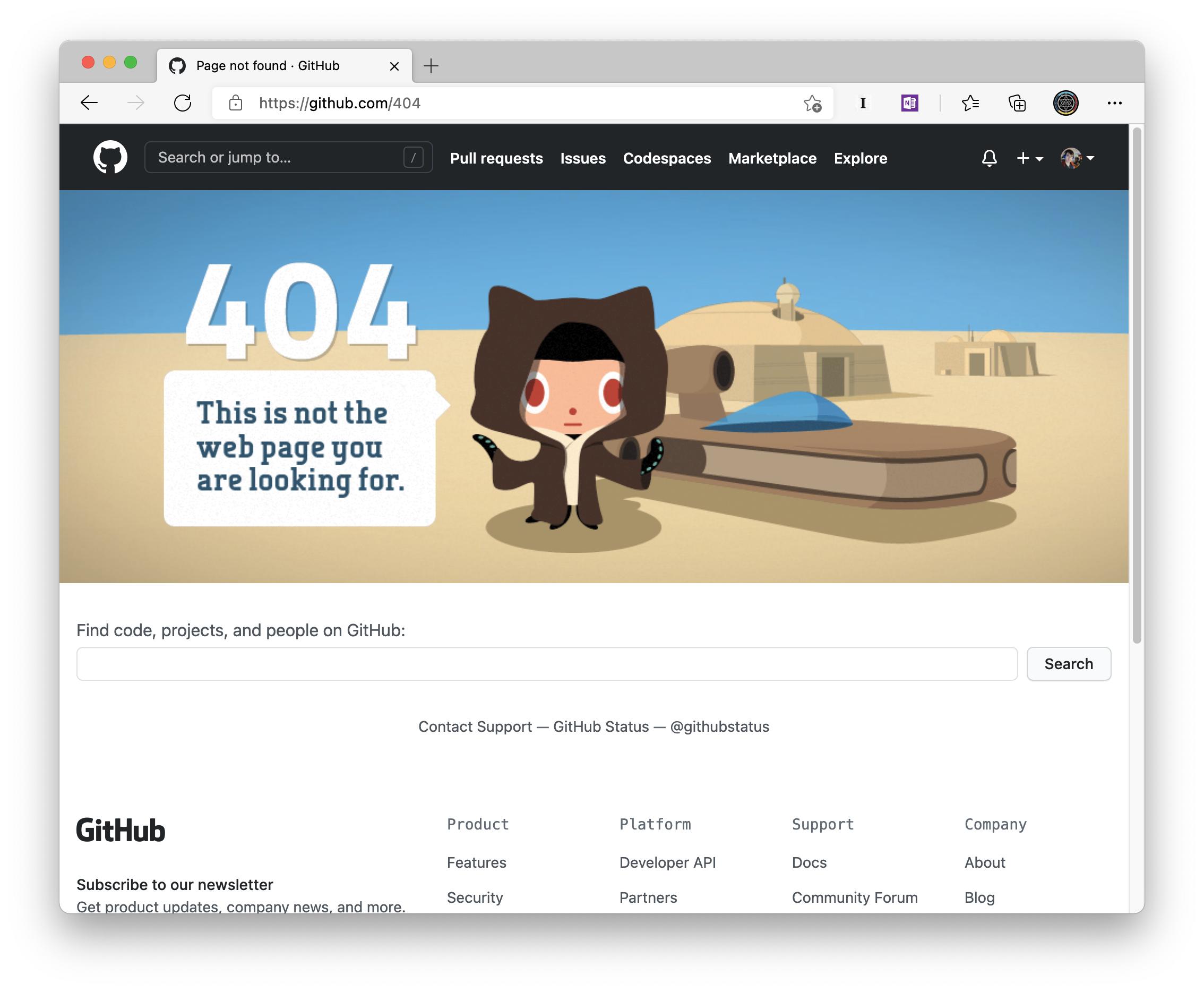
The report lists the configuration file at a GitHub-hosted URL served through jsDelivr, a public CDN. When I opened that URL on Nov 28, jsDelivr returned an HTTP 404 response stating that it could not find the requested file. The corresponding GitHub repository page also displayed “Page not found.”
That is not proof the file is gone for good. Akamai says it saw the same file completely empty at one point, then holding redirect rules again several days later.
api.pvmf.workers.dev still returns a short JSON response
The report’s list of addresses also includes api.pvmf.workers.dev, and it never says what that endpoint does. The workers.dev domain belongs to Cloudflare Workers, a service for running small server programs.
I opened the address in my own browser on Nov 28. The page displayed only one line of text: {"url":null,"cacheable":false,"version":3}. I loaded it again later the same day and got the identical reply.
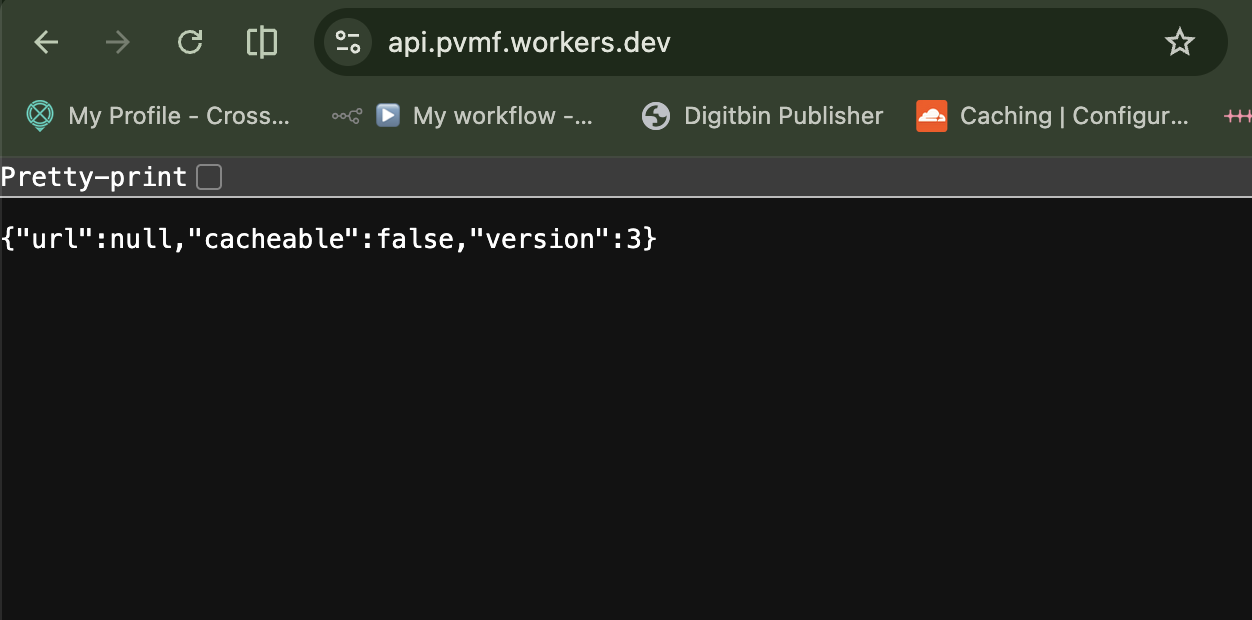
The response included “url”:null, which indicates that the request to the root address did not return a destination URL. I loaded only the front page and sent it nothing else, so I can’t establish whether the endpoint responds differently to other parameters, headers or paths, or whether it remains connected to the original campaign. I don’t recommend opening it.
What I could not confirm about the removals
I don’t know when each extension was removed, or whether Google, Microsoft or the publisher did it. Akamai’s report does not say whether it reported the extensions to either store. I also did not check whether copies already installed in people’s browsers are still active, or what they do now that the control file is missing. Akamai describes a second cluster of extensions under the same publisher account, mostly doing affiliate fraud, but gives no IDs for it, so it is not covered here.
If you installed an extension from the list above, open chrome://extensions in Chrome or edge://extensions in Edge and remove it. Turning on Developer mode on that page shows each installed extension’s ID, which you can compare against the list above, since display names can change. A store removal does not show whether your installed copy was switched off. In October, Socket reported 319 other Chrome extensions that rerouted searches, so the same check is worth running on anything you don’t remember installing.
Keep reading
- Firefox 161 adds per-site VPN rules, a Classic Window Fire button and Android read-aloud
- Chrome 158 is rolling out with 204 security fixes, six of them Critical
- I blocked every AI feature in Firefox and kept only translations
- I typed seven http:// links into Chrome 157 to see when it would stop me
- I Tried Chrome’s New Privacy Opt-Out. It’s Only Available in California.