Attackers slipped malicious JavaScript into Optimizely Web snippets on November 16, 2026, and the Optimizely malware attack reached visitors of 178 organisations, including the BBC, CNN, Zoom, HSBC and IKEA, according to security researcher Scott Helme of Report URI. On iPhones and iPads, the script also tried to load the Coruna and DarkSword exploit kits.
The sites themselves were not hacked in the usual sense. They loaded a script from a vendor they already trusted, and that script changed underneath them. For anyone who browsed on iPhone that day, the practical questions are which iOS version you run and whether you copied a crypto address or typed a card number.
How the Optimizely malware attack worked
Optimizely Web has each customer load a JavaScript snippet from Optimizely’s CDN. The attacker wrote code into the optional Project JavaScript field of customer projects, so the files still came from cdn.optimizely.com with Optimizely’s certificate. Helme’s write-up found the injected loader in 188 snippets belonging to 178 organisations, out of 1,611 he checked, and he expects the real number is higher.
The same payload did several jobs at once. It swapped cryptocurrency wallet addresses for the attacker’s, including in the clipboard, and skimmed card numbers typed into a site’s own form fields. Cards entered in hosted payment frames from providers such as Stripe or Adyen were out of its reach.
It also sent cookies not marked HttpOnly and page screenshots to the attacker’s server. The crypto side paid off quickly: the attacker’s wallets had received about $7,040 by 2:25 p.m. ET on November 16, per Helme’s tally.
Which iPhones were targeted
On iOS devices, the script read the system version and loaded a hidden iframe with an exploit chain. Visitors on iOS 13 through 17 were sent Coruna, those on iOS 18 got DarkSword, and the chain used for iOS 26 only fingerprinted the device at the time Helme looked.
The Coruna loader is byte-identical to a sample Helme analysed in October from a different campaign. The kit’s own code comments say iOS 18.7.3 and later, and 26.3 and later, are patched. A visible symptom on iOS 18.6 or earlier was a page that reloaded every 60 seconds while the exploit retried.
Those version cutoffs come from comments inside the attacker’s kit, so they describe what the attacker believes, not an Apple statement. Still, the gap between a patched phone and an unpatched one is exactly what this campaign relied on. Our look at the iOS 27.2.1 security fixes covers the current patch level.
What to do if you browsed those sites
Most of the malicious code is already gone. Helme found it in only 1 of the 188 infected snippets by 4:52 p.m. ET on November 16, down from 169 about an hour earlier, though the attacker appeared to have kept access for a time, since one snippet was cleaned and then re-infected.
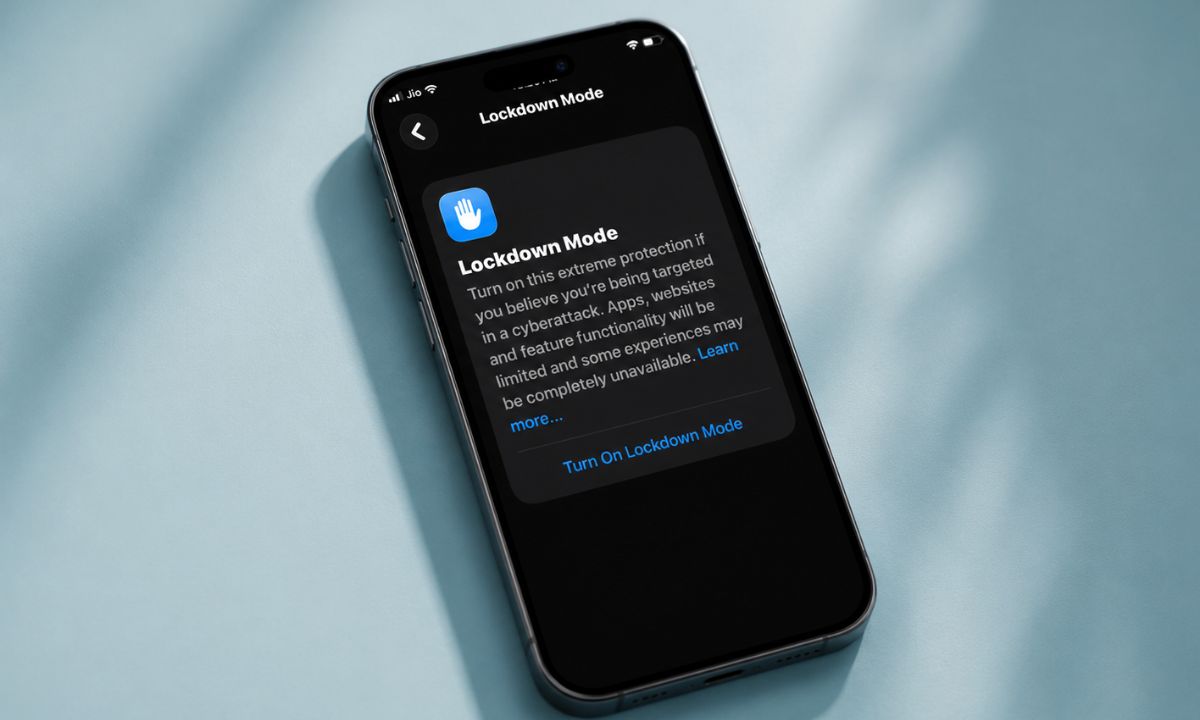
Update iOS first, since that closes the exploit path the kit tried. If you pasted a crypto address from an affected page on November 16, compare it character by character against the source before sending funds. If you typed a card number into a site’s own checkout form that day, a quick look at your statement is worth the two minutes.
Helme cannot see how many cards or cookies reached the attacker’s server, and how the attacker gained write access to so many unrelated customer projects is still for Optimizely to explain. Until that answer arrives, any site that loads third party scripts is exposed to the same trick.