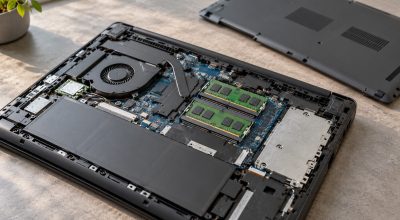
Apple and Samsung are close to signing a long-term DRAM supply agreement, according to an exclusive from South Korea’s Maeil Business Newspaper published November 17, 2026. The Apple Samsung DRAM deal would run four to five years from the first half of 2027, a sharp change from how Apple usually buys chips. Memory costs have been the backdrop to Apple’s recent Mac and iPhone price moves, so a locked supply line matters even while the price side stays open.
What the Apple Samsung DRAM deal reportedly includes
Maeil’s industry sources describe a contract that sets a floor on the DRAM volume Samsung supplies, with the price fixed later according to market conditions. The report gives no volume figure and no price, and it carries no statement from Apple or Samsung.
The paper adds that Apple is the only big tech company without a long-term agreement with Samsung. The chips would go into core products such as the iPhone and MacBook.
A phone and laptop contract also behaves differently from the AI data center deals making headlines. Maeil notes that because this one targets consumer products, a slowdown in AI infrastructure spending would hit it less. That raises the question of why Apple is willing to commit at all.
Why Apple is breaking its own habit
Apple is known for using its buying power to squeeze suppliers, Maeil writes, signing short contracts and asking for a lower unit price at every renewal. One semiconductor industry official told the paper that a multi-year Samsung deal would be unusual by Apple’s past standards.
Supply is the pressure point. Samsung, SK hynix and Micron have each signed long-term agreements with major customers, and Amazon and Google are paying high prices to secure DRAM for AI data centers. Memory makers are also giving HBM and server products first call on production capacity, which leaves mobile DRAM, the kind in phones, even tighter.
Apple recently signed its own long-term agreement with SK hynix, Maeil reports, reportedly on terms that favor the memory maker. A company that normally renegotiates at every renewal is now agreeing to a supply floor, which says something about how scarce mobile DRAM looks from Apple’s side.
What it could mean for iPhone and Mac prices
Maeil’s own read is cautious. The price floors in the newest long-term agreements reflect today’s high market rates, so the paper says expectations are growing that what it calls chipflation, higher electronics prices driven by memory costs, will last.
DigitBin’s earlier look at the iPhone 18 Pro price hike traced the same pressure from the cost side, and the smartphone RAM shortage explainer covers how AI demand got here.
Maeil also relays a view from some market watchers that cuts the other way. If device prices jump too far, shoppers may put off new purchases, which would eventually weigh on memory demand. For buyers, the practical effect is the one the report flags: Apple’s supply gets steadier, while prices keep following the market.