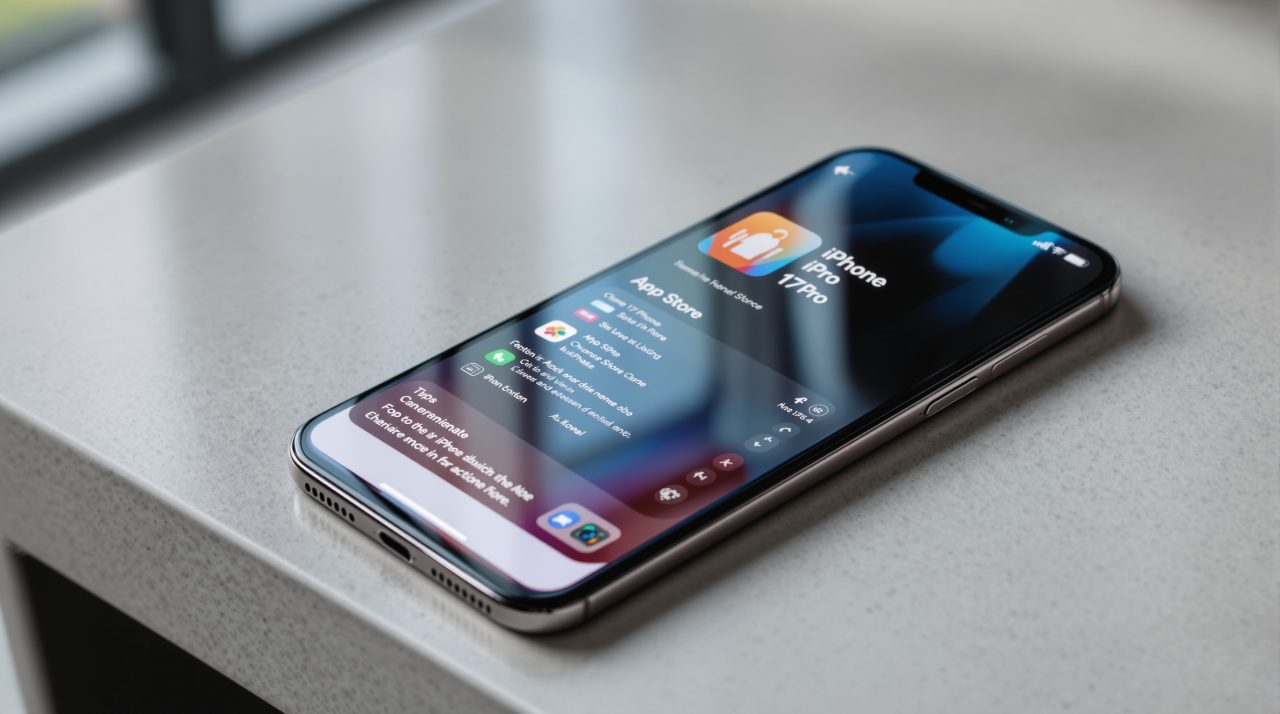
Apple revised the App Store’s App Review Guidelines on October 16, 2026, and the headline changes target AI “nudification” apps and apps that change after approval. Guideline 1.2 now explicitly covers nonconsensual intimate imagery, including imagery generated with AI tools, and a new guideline 2.5.19 spells out the ban on hidden features.
Most iPhone owners will never read these rules, but they decide which apps ever reach your Home Screen, and what happens to the ones that slip through.
TL;DR: Apple’s October 16, 2026 update makes apps with AI generated nonconsensual intimate imagery a clear moderation failure under guideline 1.2. It also adds guideline 2.5.19 against hidden or undocumented features, with removal and developer program termination as the penalty. Smaller changes cover creative assets and external purchase links. For users, the practical effect is stricter policing of apps that behave differently after review.
What changed in the App Review Guidelines
Apple published two notices that day. One lists the revised guidelines, and the other, titled Strengthening App Review Guidelines against nonconsensual intimate imagery and bait-and-switch apps, explains the reasoning. Apple says the updates “strengthen and extend” existing protections rather than start new ones.
The full change list is short, but two items carry most of the weight.
| Guideline | What changed |
|---|---|
| 1.2 | Clarifies which content and app types are covered, and notes a possible Developer Code of Conduct violation for missing safeguards |
| 2.3.14 | New guideline covering creative assets |
| 2.5.19 | New guideline on hidden, dormant or undocumented features, previously covered by 2.3.1 |
| 3.1.1(a) | Music streaming bullet folded into the StoreKit External Purchase Link Entitlements bullet |
| Section 5 | Apps facilitating human trafficking or child exploitation are removed and blocked from alternative distribution |
That table is a lot of policy for one afternoon, but the first two rows are the ones that touch everyday users.
AI nudify apps and guideline 1.2
Pornographic material has long been banned on the App Store, and Apple notes that this includes apps that generate nudity or sexually explicit images of real people without their consent. The rewrite of 1.2 now names nonconsensual intimate imagery, including imagery made with AI tools, as content apps must proactively prevent and remove.
Apps that host user generated content still have to filter objectionable material, give users a way to report it, and let them block abusive accounts. The guideline text also lists published contact information, so users can easily reach the developer.
Developers who fail to put safeguards in place, or ignore violations after notice, risk breaching the Developer Code of Conduct and losing their place on the store. Egregious or repeated behavior is grounds for immediate removal and removal from the Apple Developer Program.
The guideline text lists “AI content creation apps” alongside social media platforms, so a generator is held to a similar standard.
The bait-and-switch rule in 2.5.19
Guideline 2.5.19 is the part most likely to change how developers behave. Apple says it clarifies a long standing ban on apps that misrepresent what they do during review, then add features after approval. Hiding undocumented features in an app binary, for example through code obfuscation, is grounds for removal and termination of the developer account.
Apple ties this directly to nudification apps that look harmless in review and reveal their real function later. Last year, it says, it stopped over 150K apps with safety issues from reaching customers and terminated over 193K developer accounts for fraud and abuse.
For you, that does not mean every sketchy app disappears overnight. It means the enforcement path for an app that changes after launch is now written down in one place.
Smaller changes developers will notice first
Guideline 2.3.14 introduces rules for creative assets, which can appear in the product page header and in search results. They must relate to the app’s content or brand, suit all audiences, and avoid unverifiable claims, references to other apps meant to mislead, and specific or discounted pricing.
The 3.1.1(a) edit is mostly housekeeping. Apple removed the separate Music Streaming Services Entitlements bullet, folded it into the StoreKit External Purchase Link Entitlements bullet, and clarified that links may be provided to a permitted destination.
US readers should note that, per the guidelines, these entitlements are not required for buttons or external links in apps on the United States storefront. Apple says translations of the updated guidelines will arrive within one month.
What this means for the apps on your phone
If you download a photo editor or AI image app this month, nothing visibly changes on your screen. The difference is in what Apple can now point to when it pulls an app, and developers have less room to argue that undocumented features were a gray area.
Apple says it does not hesitate to remove apps and terminate developers who break these rules. Not a dramatic change for most people, but a clearer one, and a rule is only as good as its enforcement, so the proof will be in what disappears from the store over the coming months.