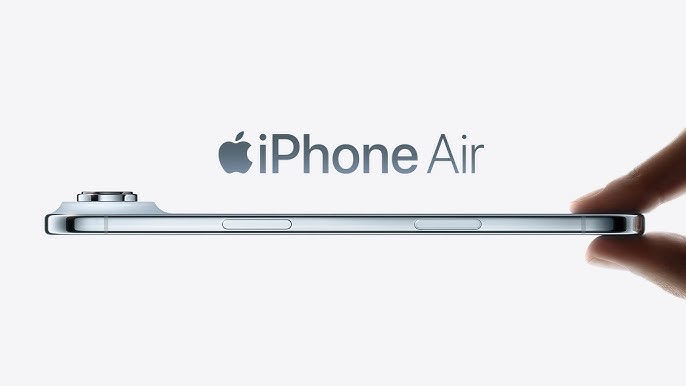
Apple is adding a second rear camera to the iPhone Air 2, according to Bloomberg’s Mark Gurman. The updated model is in advanced testing and is expected to launch in spring 2027, arriving without any change to the phone’s thin frame.
That last detail matters. The original iPhone Air launched as the thinnest iPhone Apple has ever made. Adding a second optical system while holding that same profile is not straightforward. Gurman’s report places the dual-camera iPhone Air past concept work and into hardware trials, which is a meaningful stage in Apple’s development process.
TL;DR: The iPhone Air 2 is expected in spring 2027 with two rear cameras: a Wide and an Ultra Wide. Bloomberg’s Mark Gurman reports the device is in advanced testing with the same slim design as the current model. It will run Apple’s A20 chip on the 2nm process. Nothing here is confirmed by Apple.
The single camera was the iPhone Air’s most visible trade-off
When Apple launched the iPhone Air alongside the iPhone 17 lineup, one comparison stood out. The standard iPhone 17 shipped with two rear cameras: a Wide and an Ultra Wide. The iPhone Air, despite being a premium thin-phone design, launched with one.
That was not an oversight. It was the price of the form factor. Fitting two optical modules into the iPhone Air’s profile while leaving room for a battery large enough for a full day required hard choices. Apple started with one lens and left camera range in the compromise column.
The practical result was that buyers who picked the Air for its design ended up with less photographic range than someone buying the standard iPhone below it. Ultra Wide is the lens that captures interiors, full group shots in tight rooms, and scenes where stepping further back is not an option. Losing it is noticeable, particularly once you have had it on a previous device and switched away.
That is the gap Gurman’s report now addresses.

What Bloomberg’s report says about iPhone Air 2
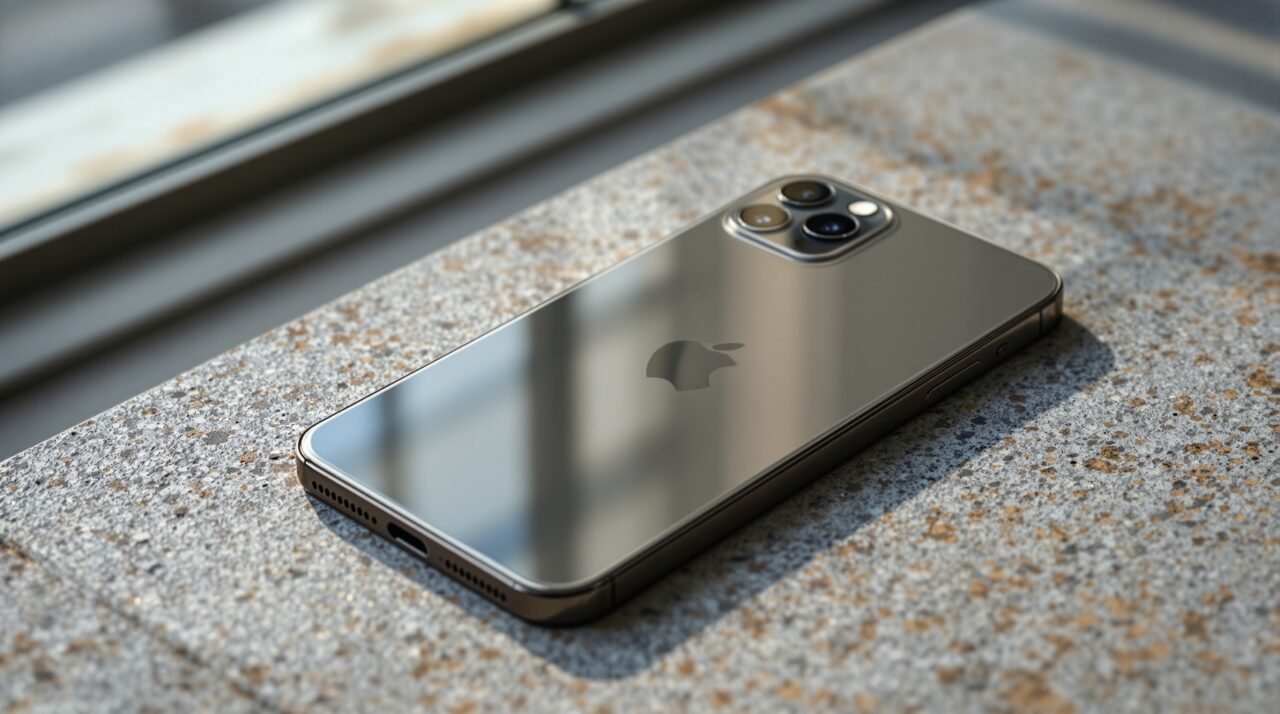
Gurman’s June 17, 2026 Bloomberg report states that an iPhone Air with two rear cameras has entered advanced testing. The second lens is an Ultra Wide, which brings the Air’s rear camera setup in line with the standard iPhone 17 and directly addresses its main weakness.
The design stays the same. Gurman specifies the new model has the same external profile as the current Air, with the only visible hardware change being an additional lens in the camera area. Apple has found a way to add the second optical system without increasing the phone’s dimensions.
| Feature | iPhone Air (current) | iPhone Air 2 (expected) |
|---|---|---|
| Rear cameras | 1 (Wide only) | 2 (Wide + Ultra Wide) |
| Chip | Previous generation | A20 on 2nm process |
| Design | Ultra-thin, aluminum frame | Same as current model |
| Battery | Current capacity | Improved (method unconfirmed) |
| Launch window | Fall 2025 | Spring 2027 |
The device will use Apple’s A20 chip on TSMC’s 2nm fabrication process, the same manufacturing node as the iPhone 18 Pro Max. Battery life is also targeted for improvement, either through a larger cell or through the efficiency gains that come with 2nm. Gurman does not specify which approach Apple will use.
The iPhone Air 2 launches in spring 2027 alongside the standard iPhone 18, which has also moved to a spring window. The iPhone 18 Pro models, with their variable aperture camera, and the foldable iPhone are still expected in September 2026 on the usual schedule.
Why fitting a second camera into the thin frame was the harder problem
Adding an Ultra Wide to a phone as thin as the iPhone Air means fitting a separate lens barrel, sensor, and module housing into a profile that was already engineered to its limits.
Each camera system takes up physical volume inside the chassis. The Wide lens on the current Air already occupies a defined space in the camera area. A second module requires either a larger housing footprint or a rethought internal stack that places two systems in the same depth.
Apple has worked on miniaturized multi-camera stacks across several iPhone generations. The most likely path for the Air is a design where the Ultra Wide module sits beside the primary lens in a configuration that does not require adding thickness to the housing. The specific approach has not been reported publicly.
Gurman’s sourcing suggests Apple has moved past the design question. Advanced testing in Apple’s development calendar means production-realistic prototypes are in evaluation. That is not a shipping confirmation, but it is well past concept stage.
Frequently Asked Questions
When will the iPhone Air 2 come out?
Bloomberg reports a spring 2027 launch alongside the standard iPhone 18. No specific month has been confirmed. Apple’s spring window typically runs from February through May.
Will the iPhone Air 2 replace the standard iPhone 18?
No. Both are expected to launch in spring 2027 as separate products. They serve different buyers: the Air prioritizes thinness and design, while the standard iPhone 18 is Apple’s mainstream model.
Does adding a second camera mean the iPhone Air 2 will be thicker?
Bloomberg’s report says the design stays the same as the current model. Apple has found a way to fit the additional lens without changing the phone’s external dimensions.
What to keep in mind before deciding to wait
The current iPhone Air covers every camera use case except Ultra Wide. For people who do not regularly shoot wide-angle scenes, the wait is not obviously worth it.
For anyone who skipped the current model specifically because of the single camera, spring 2027 changes the picture. The iPhone Air 2 will have the lens that is missing today, run on a newer chip, and ship with iOS 27 as the launch OS, which means Apple Intelligence features are available from day one.
One honest distinction worth making: Gurman’s report reflects what is in advanced testing, not what has been approved for production. Apple can modify hardware features between testing and the final product. The dual-camera iPhone Air is credibly sourced and past early stages, but it is not a confirmed announcement.
If the single rear camera is the only thing keeping you on an older iPhone, the spring 2027 model is the one built for that decision.