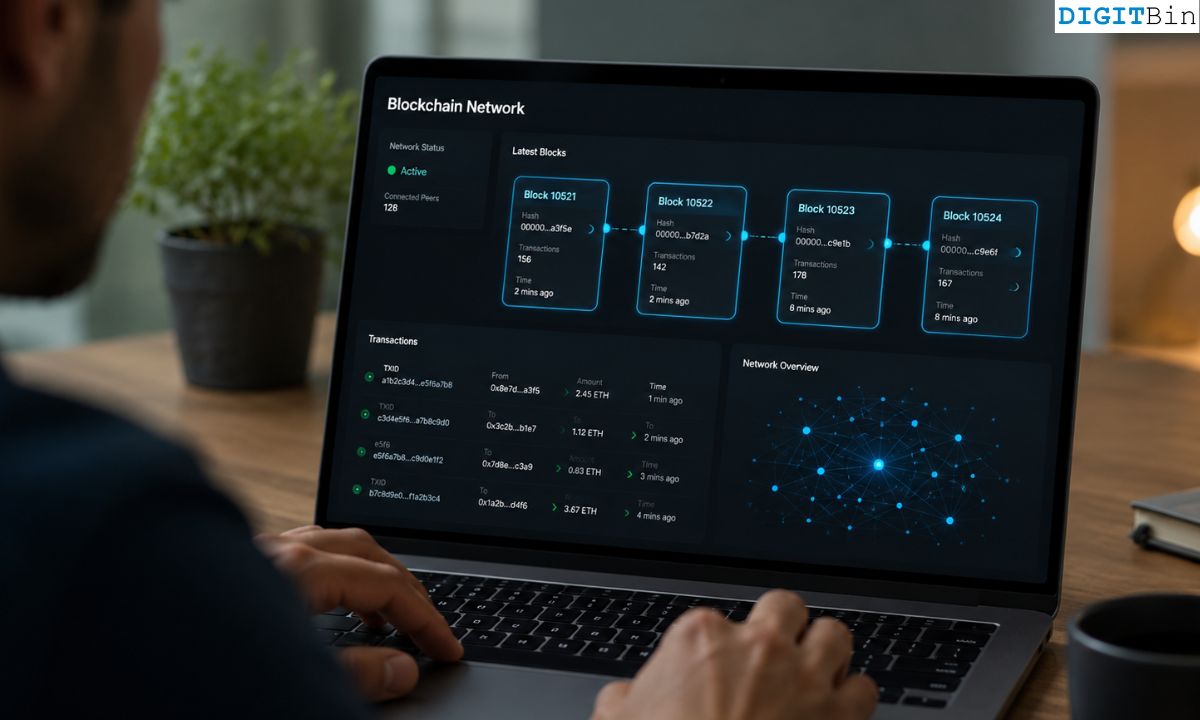
Blockchain has spent the last decade trapped in the shadow of cryptocurrency. When you mentioned decentralized systems to an enterprise IT director two years ago, you were usually met with a polite pivot to cloud computing.
Things have changed. Sitting through enterprise architecture meetings in 2026 feels noticeably different. The conversation has shifted from speculative tokens to something far more boring and vastly more important: verifiable trust.
We are finally seeing organizations use blockchain simply as a backend ledger to prove that data has not been tampered with. It is a quiet shift, but relying on decentralized systems for supply chain logistics and digital identity has gradually become normal.
TL;DR: Enterprise blockchain adoption has finally matured in 2026 because the focus shifted from cryptocurrency to verifiable trust. Frameworks like the Linux Foundation Decentralized Trust have provided stable, open-source infrastructure. Companies are now using decentralized ledgers to secure supply chains, manage digital identities, and tokenize real-world assets without the volatility of public crypto markets.
How have open-source frameworks silenced the noise?
The Linux Foundation Decentralized Trust has become the foundational layer for enterprise adoption in 2026.
This umbrella organization absorbed Hyperledger and other identity projects to provide a neutral, open-source home for decentralized infrastructure. It gave risk-averse executives the permission they needed to start building.
When you look at the backend of modern logistics platforms, the shift is obvious. Two years ago, integrating a shared ledger meant pitching a proprietary, expensive pilot program. Now, developers just pull from established libraries.
The pain point of adopting decentralized systems dropped significantly when the industry agreed on common standards for interoperability.
I observed this change recently while reading about an enterprise identity software. The underlying tech is entirely blockchain-based, but the interface never uses the word. It just works quietly in the background to verify credentials across different administrative domains.
The pivot to decentralized identity
Decentralized identity systems place the control of verification into the hands of the user rather than centralized tech giants.
Instead of relying on a Google or Microsoft account to authenticate every login, the blockchain serves as an immutable record of trust. This is the core behind decentralized systems.
This changes the usual workflow in subtle ways.
I spent a few days on a decentralized social media called Nostr. The sign-up process was so seamless.
I did not have to provide any personally identifiable data to create an account.
The platform generated a public key (a publicly identifiable token/user ID) and a private key(similar to a password, which only the user will know and keep somewhere safe)
That’s it. Simply provide the private key and sign in. The whole process was easy, seamless, futuristic, and genuinely felt safe. I did not share any data such as my name, date of birth, phone number, or email ID.
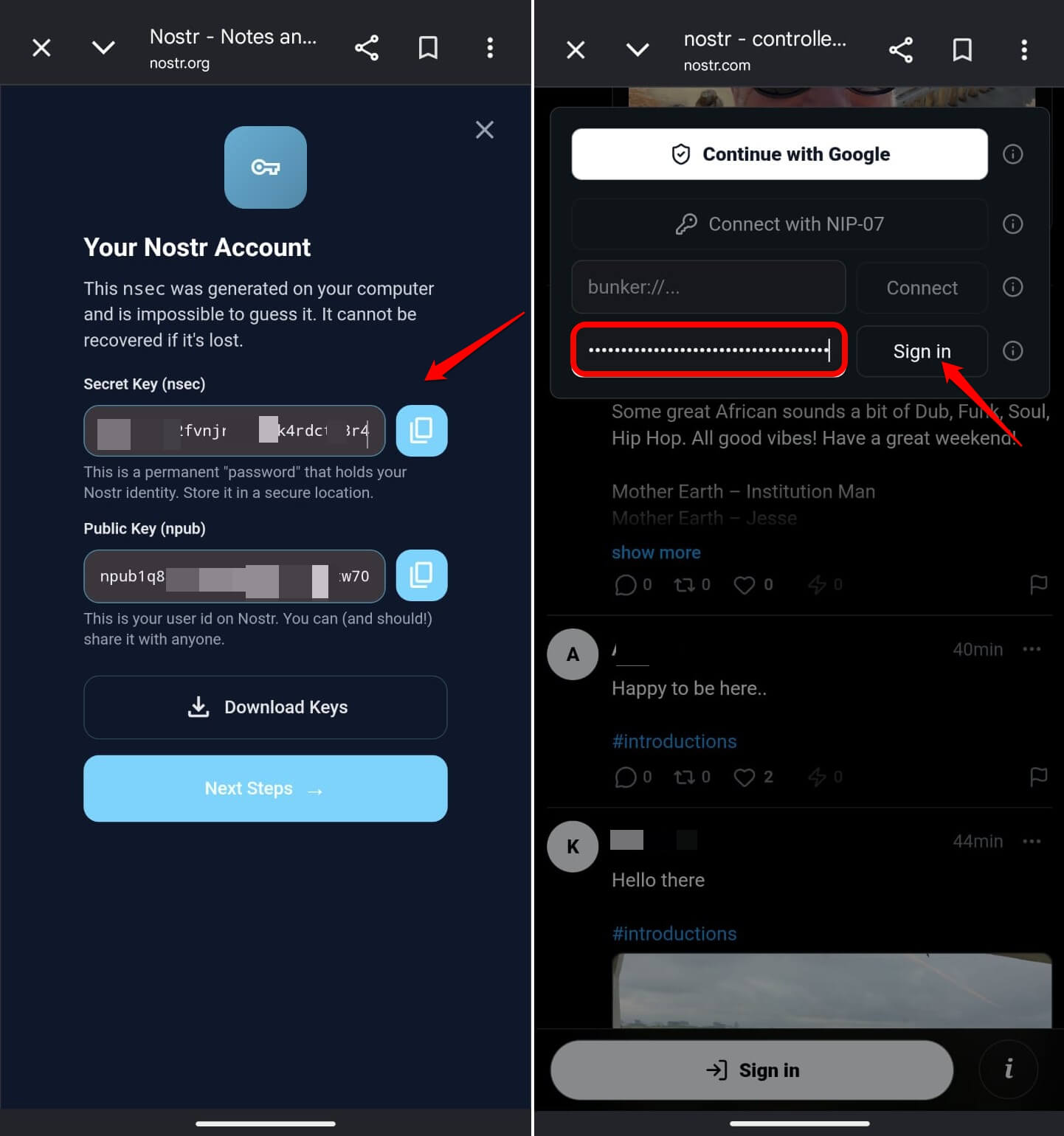
YES! You heard that right. In a completely decentralized social media, you don’t need an email ID to sign up. As mentioned previously, no meddling from Google or Microsoft.
Two things are important: the public key and the private key. The system cryptographically proves you are who you say you are without exposing your underlying data.
This removes the subconscious habit of worrying about central database breaches. This is why most modern enterprises prefer implementing decentralized blockchain-based systems to manage data.
The public and enterprise world accepted this because blockchain fundamentally reduces liability for data breaches. If they do not hold your password, they cannot lose it.
| Use Case | Primary Technology | Enterprise Adoption Status | Key Benefit |
|---|---|---|---|
| Digital Identity | Self-Sovereign Identity (SSI) | Mainstream | Reduces data breach liability |
| Supply Chain | Permissioned Ledgers | Mainstream | End-to-end provenance |
| Real World Assets (RWA) | Tokenization Protocols | Scaling | Improves liquidity |
| Smart Contract Audits | AI & Blockchain Convergence | Early Adoption | Automated security verification |
Why has real-world asset tokenization took over?
Real-world asset tokenization moves physical assets and traditional financial instruments onto a decentralized ledger.
BlackRock and other institutional giants have poured billions into tokenizing US Treasuries and real estate, fundamentally altering how traditional finance interacts with blockchain.
When you tokenize an asset, you create a digital twin on a secure network that can be traded instantly. This removes the settlement delays that have plagued traditional banking for decades. The practical consequence is speed.
Transactions that used to take three business days to clear now settle before you mentally register the click. The infrastructure has become so reliable that the conversation is no longer about whether the ledger works, but about how many asset classes can be migrated before legacy systems are turned off completely.
The convergence of AI and decentralized networks
Artificial intelligence requires massive amounts of data, and blockchain provides the immutable ledger needed to prove that data has not been manipulated.
As AI systems take on more autonomous decision-making in 2026, enterprises are using decentralized networks to create verifiable audit trails of AI behavior. This combination solves a growing trust deficit.
If an AI approves a loan or flags a medical scan, the reasoning and the data it used are logged on a blockchain. You can go back and verify the exact state of the system at the moment the decision was made.
While testing or using an AI tool based on blockchain, you may find the transparency jarring at first.
We are so used to algorithms being black boxes. Seeing an immutable, timestamped record of an AI’s logic completely changes how much trust you are willing to place in the system.
The regulatory clarity that changed everything
The implementation of the EU MiCA regulation provided the legal baseline that large organizations were waiting for. MiCA separated the speculative noise from the underlying utility of decentralized systems.
Once the regulatory boundaries were drawn, the compliance departments at major corporations gave the green light. The phone in the pocket stopped warming up with endless email threads debating legal risk. It just became another IT deployment.
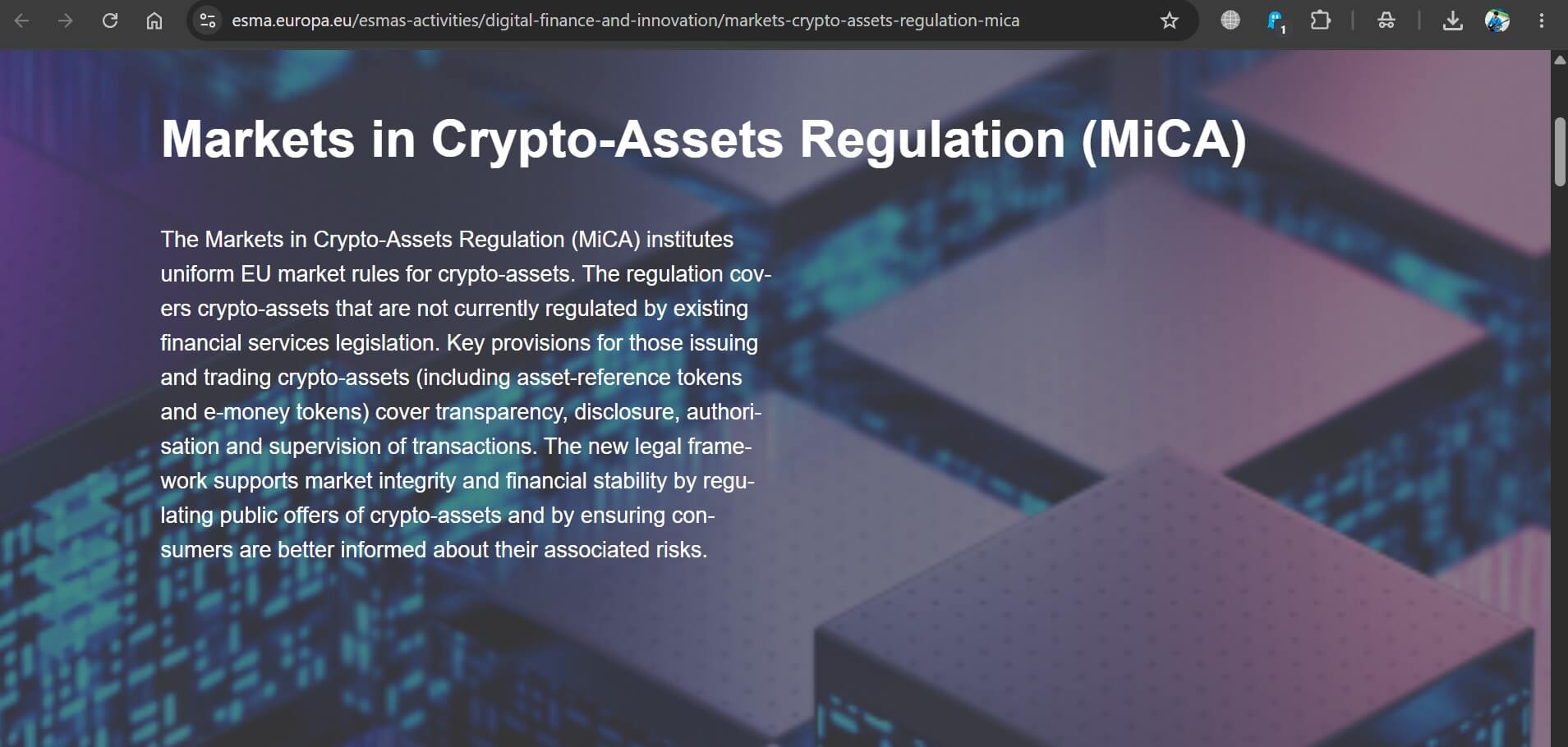
This regulatory confidence allowed European and global banks to interact with tokenized assets without fearing sudden enforcement actions.
The rules of the game were finally written down, which meant the engineers could finally start building for scale rather than building for pilot programs.
Frequently asked questions
What is the Linux Foundation Decentralized Trust?
The Linux Foundation Decentralized Trust is an open-source umbrella organization that hosts projects for blockchain, digital identity, and cryptography. It provides the neutral infrastructure that enterprises use to build verifiable trust systems.
Does enterprise blockchain use cryptocurrency?
No. Most enterprise blockchain deployments use permissioned ledgers or smart contracts that do not require speculative cryptocurrency to function. They use the technology strictly for verifiable data logging.
What is real-world asset tokenization?
Real-world asset tokenization is the process of creating digital representations of physical assets or financial instruments on a blockchain. This allows assets like real estate or US Treasuries to be traded instantly with verified ownership.
How does blockchain improve digital identity?
Blockchain improves digital identity by using self-sovereign identity systems that let users control their own credentials. It removes the need for centralized password databases, which reduces the risk of massive data breaches.
The tech infrastructure of the future
The most successful technologies eventually become invisible. Decentralized systems in 2026 are reaching that point.
The novelty has worn off, and the hype cycle has been replaced by practical, boring, and highly secure infrastructure. The best thing is it works, and people have accepted the technology. The talks have stopped, and the use has been widespread.
When you strip away the token prices and the online debates, you are left with a system that simply proves things are true.
Whether it is tracking a shipment across the Pacific, verifying an employee’s credentials, or settling a treasury bond, the core value is trust and security.