
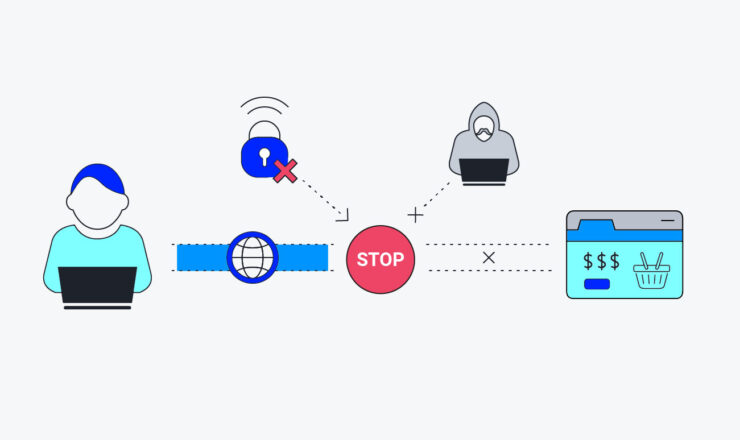
A few days ago, I was working from a cafe, connected to public Wi-Fi, feeling safe because my VPN was turned on. Suddenly, the internet dropped for a few seconds and reconnected. Everything looked normal, but later I realized my VPN had disconnected briefly without any warning.
For those few seconds, my real IP address and data were exposed. That’s when I learned about something called a VPN Kill Switch. After that incident, I enabled the Kill Switch on my VPN, and honestly, it gave me peace of mind.
Now, even if my VPN connection drops, my internet access is blocked instantly until the VPN reconnects. In today’s world, where we are always online-banking, working, streaming, a VPN Kill Switch is not just a technical feature. It’s a basic safety net.
What is a VPN Kill Switch?
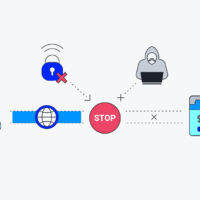
A VPN Kill Switch is one of those features you don’t think about until you actually need it. It works quietly in the background, but it plays a huge role in protecting your privacy. In simple terms, it’s a security feature that cuts off your internet connection if your VPN stops working.
VPN connections can drop for many reasons, such as weak Wi-Fi, switching networks, the laptop going to sleep, or even VPN server issues. These drops often happen silently.
Normally, when a VPN disconnects, your device automatically switches back to your regular internet connection. That’s risky because your real IP address becomes visible.
Without a Kill Switch, you might keep browsing, downloading, or logging into accounts without realizing you are no longer protected. A Kill Switch prevents this by blocking all internet traffic until the VPN is active again.
Why is a VPN Kill Switch important?
Whether you work remotely, travel often, or simply care about your privacy, a Kill Switch acts as your last line of defense. After enabling the VPN Kill Switch, I stopped worrying about sudden network drops or unstable connections.
I noticed that sometimes my internet would stop working for a few seconds, and earlier, I used to get annoyed. Now I understand that it’s actually the Kill Switch doing its job.
When I travel and use hotel Wi-Fi or airport networks, connections are unstable. The Kill Switch makes sure that even if the VPN struggles, my data doesn’t travel unencrypted. Journalists, freelancers, and digital nomads rely heavily on this feature.
Many people access company dashboards, internal tools, or cloud servers through VPNs. A brief disconnect can leak sensitive company data or trigger security alerts.
If your VPN drops while you’re checking your bank account on public Wi-Fi, your data could be exposed. A Kill Switch removes that risk automatically. You don’t have to react fast or manually reconnect-it just works.
Concusion
A VPN Kill Switch may sound like a small feature, but its impact is huge. In a world full of digital risks, this simple feature quietly keeps you safe, even when you don’t realize you need protection. When your VPN fails without warning, it protects you at your most vulnerable moments. From my own experience, it has become a must-have, not an optional setting.
If you've any thoughts on What is VPN Kill Switch and Why is it important?, then feel free to drop in below comment box. Also, please subscribe to our DigitBin YouTube channel for videos tutorials. Cheers!




Useful Feature.