Google says a Gemini-powered tool built for Watch Duty can turn noisy analog fire radio into searchable text and notify reporters within 30 seconds of a dispatch. The catch is that the tool does not send alerts itself: Watch Duty’s volunteers still verify every incident first, and Google’s post gives no rollout schedule. For anyone who relies on the app during a fast-moving fire, the number that matters is how soon a human sees the first call.
TL;DR: Google.org engineers spent six months building a Gemini tool that transcribes fire radio for Watch Duty. It cut word errors on degraded audio from 38% to 22.34% and flagged a July 2026 dispatch in under 30 seconds. Volunteers still verify each fire before an alert goes out, and Google has not given a rollout timeline.
Watch Duty Gemini tool turns radio into text
Google’s November 20, 2026 post says Google engineers and researchers were embedded full-time with Watch Duty for six months. They used more than 20,000 hours of past radio recordings to build a system that strips heavy static and translates firefighting jargon into clean text.
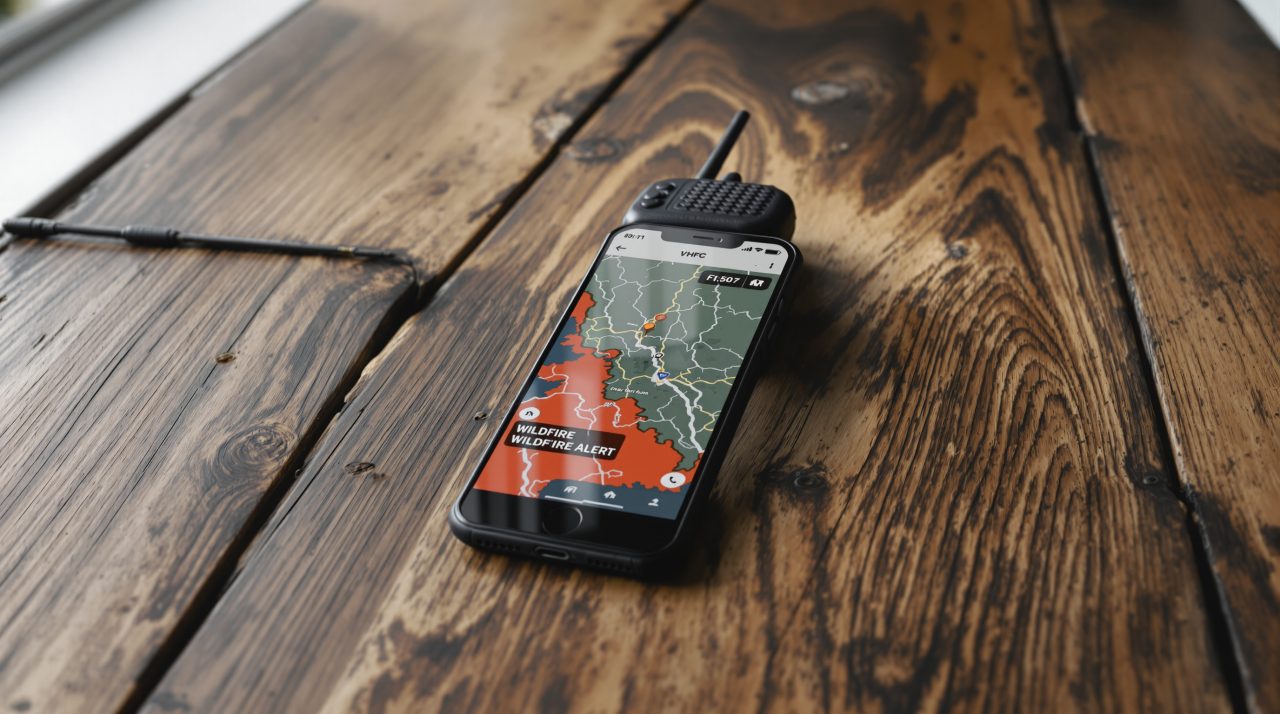
The target is analog VHF radio, where engine noise, wind and fast tactical speech make audio hard to follow. Google says many areas still send first reports of new fires that way, and that Watch Duty reporters manually monitor up to 20 feeds at a time.
That manual load is the real bottleneck, and it explains why a transcript matters more than a smarter alert.
The numbers Google published for the tool
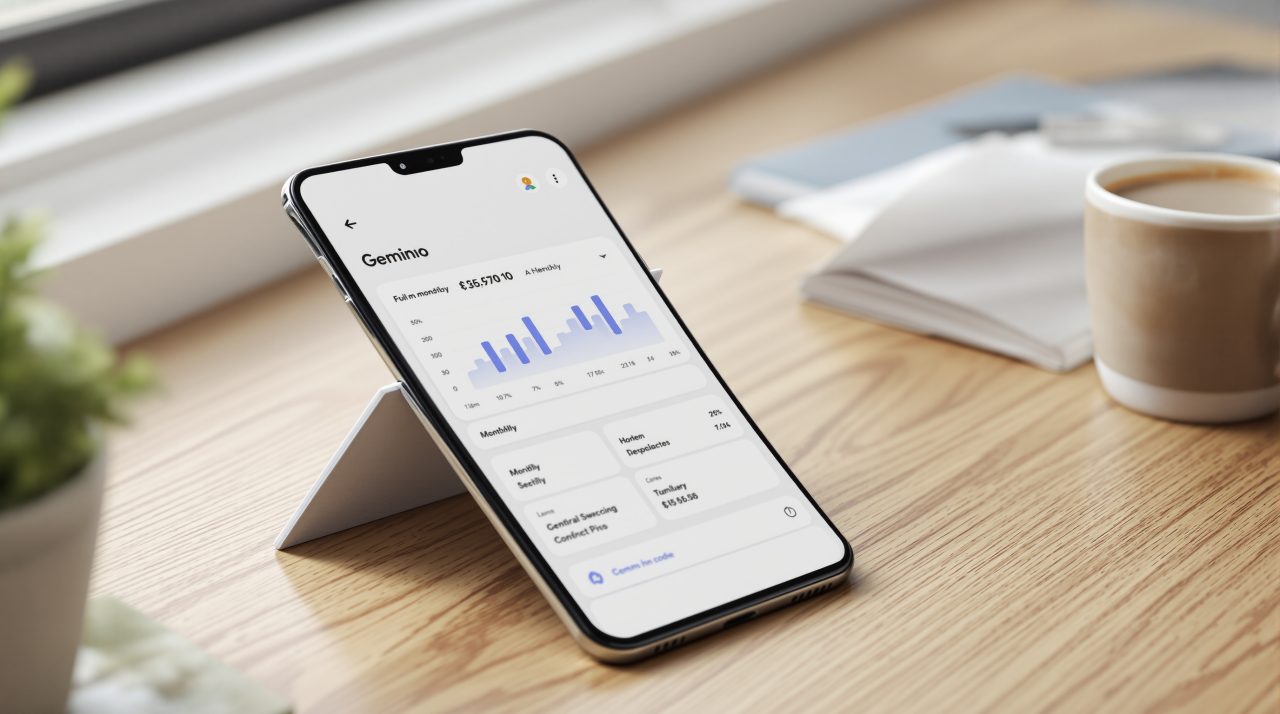
Word error rate on degraded VHF audio fell from 38% to 22.34%, according to Google. That means roughly one word in four and a half is still wrong, and it is the only accuracy figure the post gives.
The tool transcribes more than 200 hours of radio speech per day from about 400 active feeds. Google says it was designed and tested for more than 10,000 feeds at once. Volunteer reporter satisfaction with radio transcription tools rose from 35.3% to 92.3%.
An error rate that high is workable because a person reads the transcript, not because the machine is always right.
A July 2026 night fire tested the flag
The Railroad Fire ignited at night in Washington in July 2026 and spread overnight. Google says the first 911 dispatch came over local fire radio, and the tool transcribed it from noisy audio and flagged it in under 30 seconds.
Watch Duty’s team then verified the fire and sent a Critical Alert, which breaks through do-not-disturb mode. Google says it was Watch Duty’s first nighttime Critical Alert and that it helped residents evacuate before flames reached homes. Watch Duty has an incident page for the fire.
Watch Duty’s Gemini work began with an April fellowship
Watch Duty’s own April 22, 2026 post announced the Google.org Fellowship and its goal of an AI tool that listens to and transcribes wildland fire radio. That post gave no timeline and no results. The November post is the first to supply figures.
The April post also said Watch Duty already used Gemini to parse public information officer updates sent as email and PDFs, and to filter user-submitted photos for smoke or fire. Google’s post adds that the 2024 Google.org grant was $2 million plus $300,000 in Google Cloud credits.

What Google has not said about coverage
Google’s post lists no rollout timeline and no explicit limitations. It states a goal of coverage across all 50 states, but does not say which regions the tool covers today beyond the roughly 400 feeds it names.
Watch Duty sends push alerts through Firebase Cloud Messaging, and Google says its audience grew to more than 16 million people last year. Google Cloud raised the app’s messaging limit from 600,000 to 1 million.
For readers in fire country, the practical point is modest: the alert you receive still comes from a person, only they may hear about the fire sooner. That is a quieter change than the word AI suggests, but it is the one that counts at 2 a.m.