Global smartphone shipments fell 20% year over year in the third quarter of 2026, the lowest Q3 total in 14 years, according to preliminary estimates from Counterpoint Research. The cause is the memory shortage, which raised component costs and pushed phone makers to ship fewer units at higher prices.
For anyone shopping this fall, that explains why prices keep climbing and budget models are harder to find. The smartphone shipments data also shows who is coping best, and the list is shorter than you might expect.
TL;DR: Counterpoint Research says Q3 2026 shipments dropped 20% from a year earlier, the weakest third quarter since 2012, because memory costs and shortages squeezed supply. Samsung led with a 23% share and Apple reached a record Q3 share of 22%, while Xiaomi, OPPO and vivo fell hardest. Counterpoint does not expect a meaningful volume recovery until component costs and supply improve.
What Counterpoint’s Q3 numbers show
Counterpoint estimates that shipments in Q3 2026 were the lowest for a third quarter since 2012. The firm says the decline was close to its own expectations, so this slump was forecast rather than a surprise.
The figures are preliminary and based on sell-in, meaning phones shipped to carriers and retailers rather than sold to buyers. Counterpoint’s public summary gives no absolute unit totals, so the 20% is the number to hold onto.
| Brand | Q3 2026 share | Shipments vs. Q3 2025 |
|---|---|---|
| Samsung | 23% | Down 3% |
| Apple | 22% | Down, size not given |
| Xiaomi | 10% | Down more than 30% |
| OPPO (includes OnePlus and realme) | 9% | Down more than 20% |
| vivo | 8% | Down more than 20% |
Source for all rows: Counterpoint Research’s preliminary Market Monitor report for Q3 2026. The reason behind those numbers starts with memory chips.
Why memory is driving the smartphone shipments drop
Rising DRAM and NAND prices pushed up the bill of materials for every phone, and Counterpoint says that deepened supply shortages for makers. Brands passed the cost on, lifting global smartphone retail prices by 20% so far in 2026.
If you priced a mid-range phone this fall and found it costing noticeably more than last year’s model, this is the mechanism behind it. Samsung’s own Galaxy S26 US price increase fits the same pattern.
Senior Analyst Shilpi Jain said Q3 was “the second successive quarter to take the full brunt of the memory crisis.” She added that people are holding on to their phones longer than estimated and increasingly considering refurbished ones.
That shift in behavior may outlast the shortage itself. Which brands benefit depends on who managed supply best.
How Samsung stayed on top
Samsung kept first place in Q3 with a 23% share, even though its shipments slipped 3%. That was the largest share gain among major makers, helped by a focus on higher selling prices and premium models.
Counterpoint points to robust early demand for the Galaxy Z Fold8 series. It also says stable component supply kept the mid-range A series moving in emerging markets as some Chinese brands pulled back.
Shipping fewer phones while earning more on each one is a deliberate trade, and this quarter rewarded it. Apple took a different route to a similar result.
Why Apple’s share rose while its volume fell
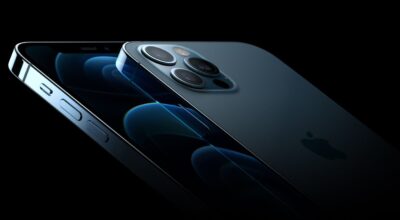
Apple’s share crossed 20% for the first time in any Q3, reaching 22%, even though its shipments declined. Counterpoint ties the volume drop mostly to the missing base iPhone 18, which meant a smaller launch-month channel fill than the full iPhone 17 lineup produced a year earlier.
Apple also joined the industry’s price increases, though only in the final weeks of the quarter. The iPhone 18 Pro pricing shows what that looks like at the high end.
The iPhone 18 Pro models launched more strongly than their predecessors, particularly in China and India, and iPhone 17 demand held up. Apple’s share gain says more about how hard rivals were hit than about a surge in iPhone volume.
Where Xiaomi, OPPO and vivo got squeezed
Xiaomi’s shipments fell more than 30% as it cut exposure to low price segments and some overseas markets. It raised average selling prices and tightened shipment plans to avoid selling at uneconomical margins.
OPPO and vivo each fell more than 20%, and both raised prices on entry and mid-range phones. For vivo, Counterpoint says price hikes pushed budget models out of key price bands while stock shortages limited shipments further.
Budget buyers carry the heaviest burden here. That is the group with the fewest alternatives.
What this means for your next phone upgrade
Counterpoint calls the outlook for the rest of 2026 challenging. It expects production cuts, tighter portfolios and a heavier focus on premium devices to continue, with makers choosing profit over volume.
A meaningful recovery in volumes is unlikely until component costs and supply conditions improve. In practice, that means price relief is not on the near horizon, especially below the flagship tier.
If your current phone still works, the data suggests plenty of people are making the same call and waiting. For most people, the memory shortage will be invisible until the day they price a replacement.