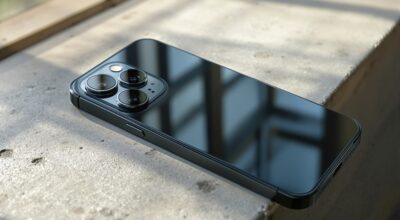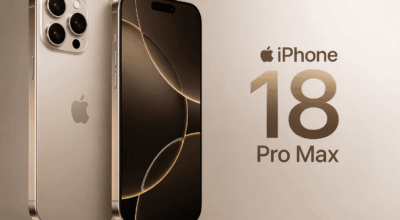
There is a point in every iPhone rumor cycle where the noise settles and a clearer picture starts to form. For the iPhone 18 Pro, that point has arrived. Supply chain sources, analyst reports, and leakers with proven track records have been pointing at the same upgrades for months.
The pattern is consistent enough to lay out what the iPhone 18 Pro leaks are actually saying, where the uncertainty still lives, and what you can reasonably expect when Apple takes the stage in September 2026.
TL;DR: The iPhone 18 Pro is shaping up as a meaningful hardware cycle. The A20 Pro chip on TSMC’s 2nm process, Apple’s first variable aperture camera, and a noticeably smaller Dynamic Island are all corroborated by multiple independent sources. The Pro Max gets the largest battery Apple has ever put in an iPhone. Dark Cherry replaces Cosmic Orange as the headline color. September 2026 is the consistent launch window across every credible report.
The chip is different this time
| Feature | iPhone 17 Pro | iPhone 18 Pro (leaked) |
|---|---|---|
| Chip | A19 Pro (3nm) | A20 Pro (2nm) |
| CPU gain | baseline | ~15% faster |
| Power efficiency | baseline | ~30% better |
| RAM | 8GB | 12GB |
| Main camera aperture | Fixed f/1.78 | Variable (f/1.4 to f/2.4 reported) |
| Dynamic Island width | ~20.7mm | ~13.5mm (leaked) |
| Pro Max battery | ~4,685mAh | 5,100 to 5,200mAh (leaked) |
| Signature color | Cosmic Orange | Dark Cherry |
| Launch window | September 2025 | September 2026 |
Every year brings a new chip. Every year the reaction is roughly the same: slightly faster, more efficient, next. The A20 Pro deserves a different reaction.
Apple’s silicon team has been working with TSMC on a new 2nm manufacturing process, and this is the year it arrives in an iPhone. Multiple reports including from MacRumors point to roughly 15% faster CPU performance and around 30% better power efficiency compared to the A19 Pro in the iPhone 17 Pro. The 30% efficiency figure is what matters most day to day.
What 2nm means in plain language: more transistors packed into the same physical space, doing more work while burning less power. The jump from 3nm to 2nm is a real node shrink, not a marketing rename.
The chip pairs with 12GB of RAM across Pro models, which feeds directly into expanded Apple Intelligence capabilities expected with iOS 27. That efficiency gain compounds into the battery story later.
The Dynamic Island is finally getting smaller
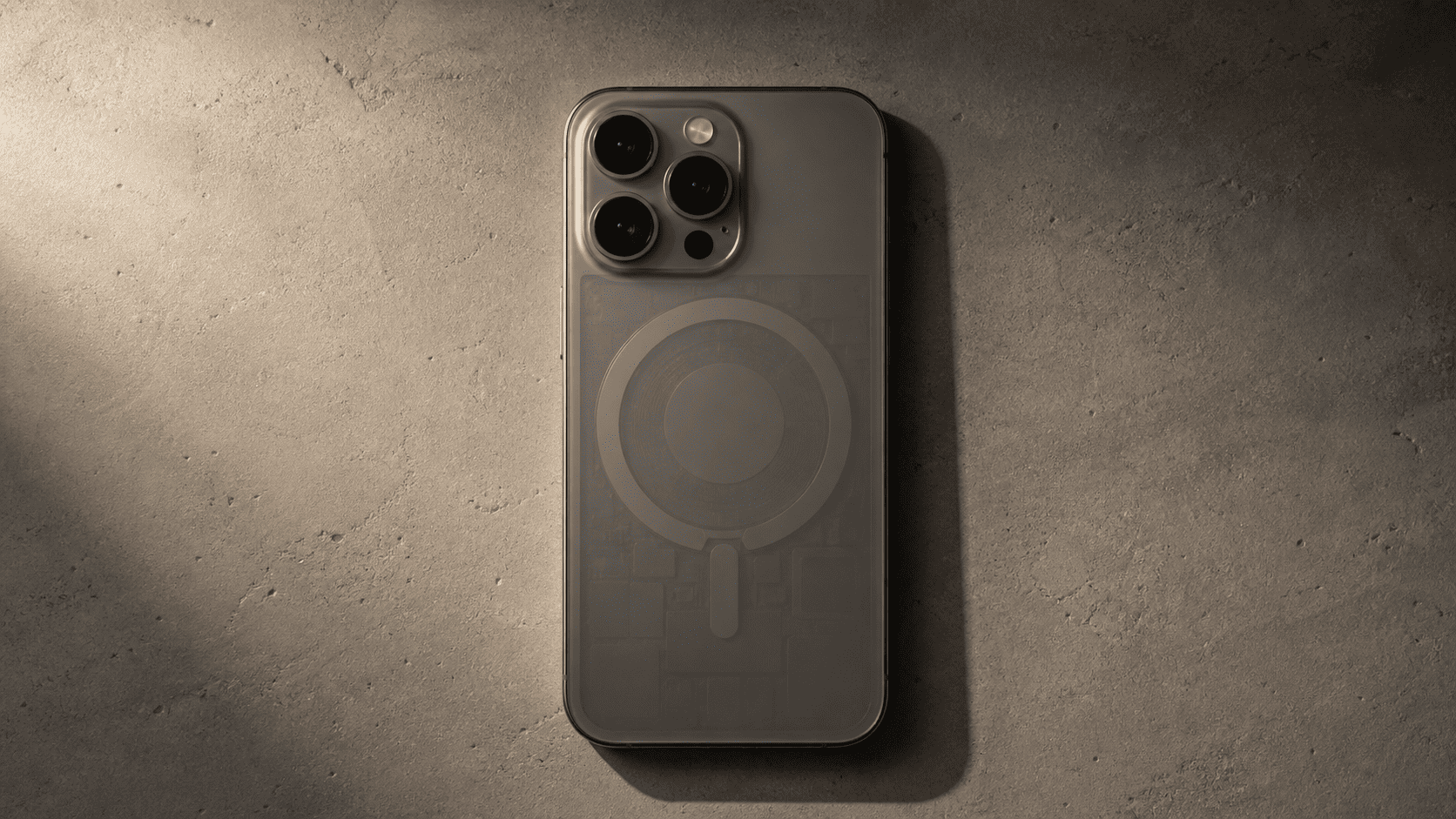
The iPhone 18 Pro Dynamic Island is expected to shrink by approximately 35%, from around 20.7mm wide to around 13.5mm, based on measurements shared by Weibo leaker Ice Universe in January 2026.
This rumor circulated before the iPhone 17 Pro too, and nothing happened. This time the sourcing is meaningfully different. Weibo leakers Instant Digital and ShrimpApplePro corroborated Ice Universe’s figures in the same reporting cycle. Bloomberg’s Mark Gurman independently reported the smaller Dynamic Island.
Ross Young of Display Supply Chain Consultants, a display industry analyst with a strong track record on panel specifications, backed the same direction. That is four independent sources converging on the same outcome.
The mechanism: Apple is reportedly moving the Face ID flood illuminator beneath the display glass, leaving the dot projector, infrared camera, and selfie camera in a reduced cutout. Partial under-display Face ID, not the full hole-punch design that earlier 2025 leaks suggested.
A contradictory note surfaced in March 2026 when Digital Chat Station claimed the Dynamic Island might stay largely unchanged and any under-display progress could be pushed to a future cycle. That claim has not been retracted. It has simply been outnumbered by more specific, better-sourced reporting. CAD renders shared by @earlyappleleaks in May 2026 showed a visibly smaller centered cutout, corroborated again by ShrimpApplePro shortly after.
If the 35% reduction ships, this is the most visible front-facing change since the Dynamic Island replaced the notch with the iPhone 14 Pro in 2022.
Apple’s first variable aperture camera
The iPhone 18 Pro is on track to become the first iPhone with a variable aperture camera, a mechanical system that physically opens and closes the lens to control light intake and depth of field.
Supply chain analyst Ming-Chi Kuo was first to report the feature in December 2024, citing Apple’s component discussions with suppliers. A follow-up report in October 2025 confirmed Apple was proceeding. Then in April 2026, Korea’s ETNews reported that Sunny Optical had already started producing the actuators, with LG Innotek at its Gumi facility in South Korea preparing camera module assembly for around June or July. Actuators in production is a different level of confidence than an analyst prediction.
Every iPhone Pro from the iPhone 14 through the iPhone 17 has used a fixed f/1.78 aperture. The lens stays fully open regardless of conditions. Variable aperture changes that.
In low light it opens wider. In bright conditions it closes down to reduce overexposure and allow longer exposure times for natural motion blur in video. It also provides real hardware depth-of-field control rather than purely software-simulated blur.
The feature is confirmed for the 48MP main Fusion camera on both Pro models. The telephoto and ultrawide are not confirmed for this cycle. The full technical breakdown is in our dedicated variable aperture explainer.
Battery: the Pro Max gets the headline number
The iPhone 18 Pro Max is expected to carry a cell in the 5,100 to 5,200mAh range, which would be the largest Apple has ever put in an iPhone. Combined with the A20 Pro’s 30% efficiency improvement, the endurance picture for the Pro Max looks strong.
The standard Pro’s exact capacity is less settled. Some reports suggest around 5,000mAh, though this depends on whether the model ships with a physical SIM tray or goes fully eSIM. Either way, the chip efficiency gains apply to both models regardless of cell size.
The slightly thicker and heavier Pro Max chassis that appeared in dummy unit leaks is directly connected to accommodating the larger cell.
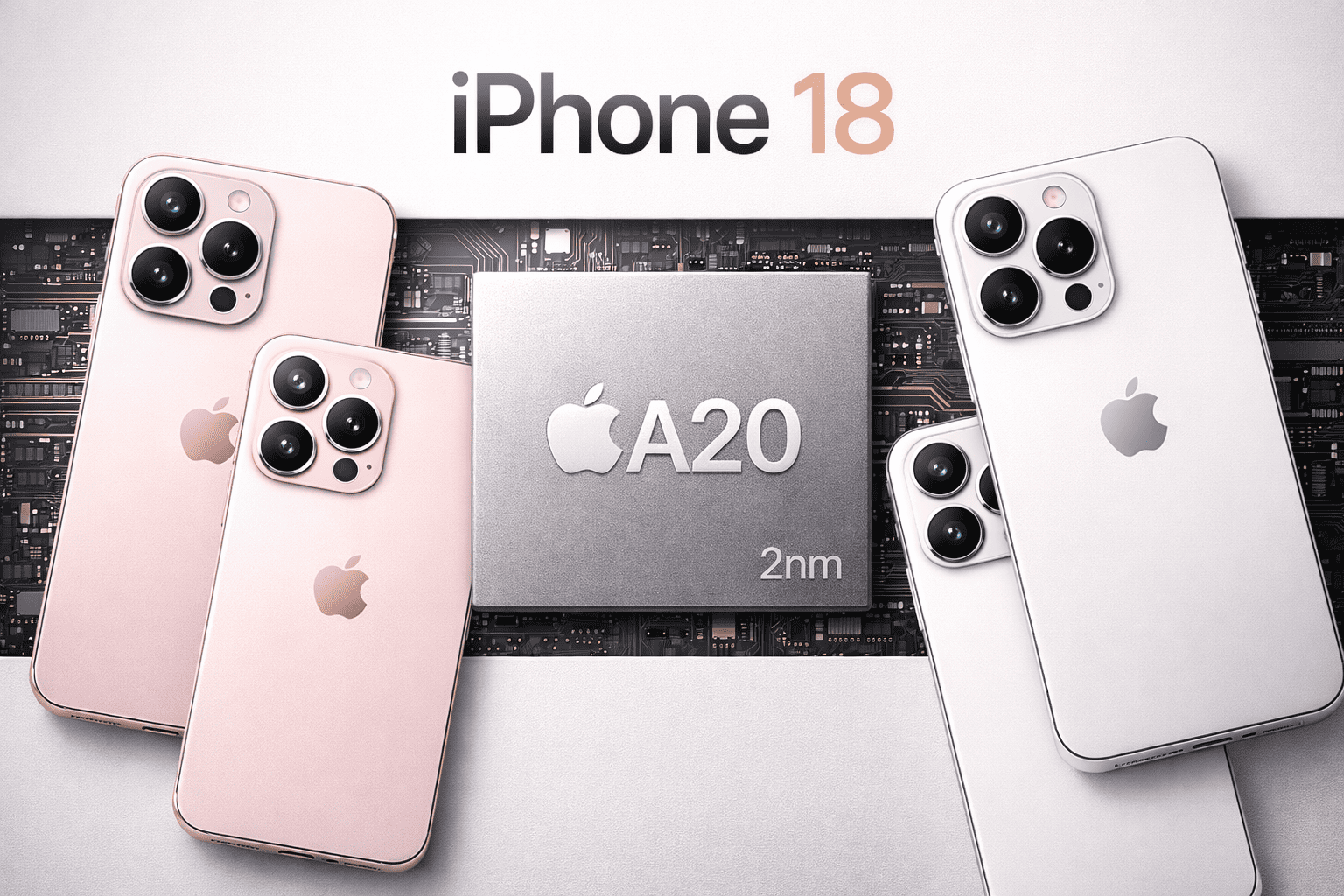
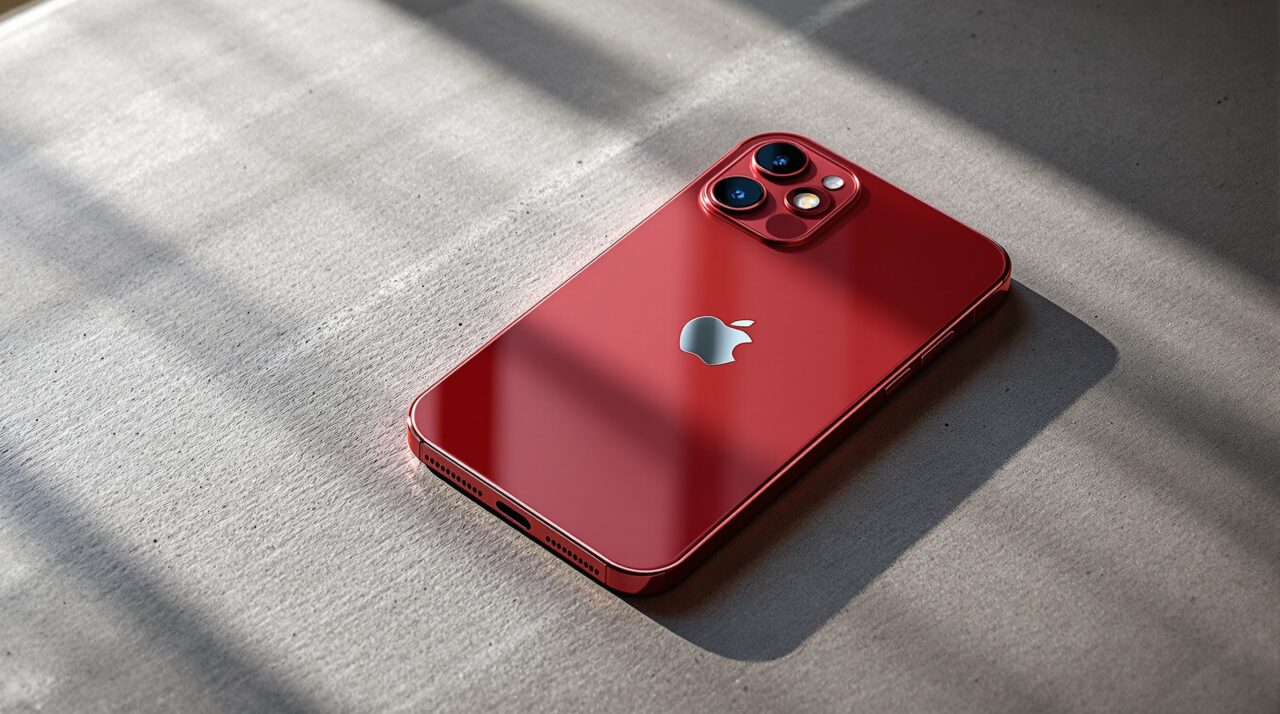
Dark Cherry is replacing Cosmic Orange
Cosmic Orange divided people. Apple appears to have registered that and moved in a different direction for 2026.
Bloomberg’s Mark Gurman reported Apple was testing a deep red finish, describing it as closer to wine than fruit punch. Macworld then cited its own source to name the color specifically: Dark Cherry, carrying an internal Pantone code of 6076. The description is a deep wine-like red with a slight purple tinge, noticeably darker and more muted than anything Apple has done on a Pro model before.
The other three expected options are Light Blue, Dark Gray, and Silver. Black is not returning for a second consecutive year. All four colors are still reportedly in development and could shift before mass production, which is the standard caveat at this stage.
What the leaks still cannot answer
Not every iPhone 18 Pro rumor deserves equal confidence. A few things remain genuinely unsettled.
The Dynamic Island outcome is the most consequential open question. Digital Chat Station’s March skepticism has not been fully dismissed, and two prototype paths are reportedly still in testing internally.
The credibility weight favors the smaller design, but Apple has not committed publicly to either path.
Charging speed at 45W wired has been floated in various reports, up from 27W on the iPhone 17 Pro, but this has not been corroborated by a supply chain source at the level of the camera or chip claims.
The pricing picture is clearer: analysts Ming-Chi Kuo and Jeff Pu of GF Securities have both pointed to an aggressive strategy that holds starting prices steady despite upgraded components.
Where this cycle lands
The iPhone 18 Pro is not a radical redesign. Chassis dimensions are largely unchanged from the iPhone 17 Pro. Display sizes stay at 6.3 inches and 6.9 inches. Nothing about the form factor surprises.
What is different is what is happening inside and on the front. A chip on a genuinely new node. Apple’s first variable aperture camera, with the supply chain already moving.
A Dynamic Island that, if the dominant leaks hold, will finally look smaller than it has for three consecutive generations. A Pro Max battery that pushes past any cell Apple has shipped before.
That combination, evolutionary on the outside but substantively upgraded underneath, is the profile of a cycle worth paying attention to. September 2026 is where it lands officially. Everything until then is still a leak.