Satellite connectivity has been on the iPhone since the 14. But if you have ever tried to use it, you know what it actually is: a narrow emergency tool that requires a clear view of the sky and handles only a handful of specific functions.
The iPhone 18 Pro Max satellite internet upgrade, if the leaks hold, is something fundamentally different. It is not a better version of Emergency SOS. It is a separate capability built on a different technical standard, and the gap between the two is larger than most coverage has made clear.
TL;DR: Current iPhones use satellite for Emergency SOS, Messages, Find My, and roadside assistance only. The iPhone 18 Pro Max C2 modem is expected to support NR-NTN, a 5G satellite standard that allows real internet access. That means browsing, apps, and maps working where there is no cell tower. The feature is tied to satellite infrastructure upgrades and carrier agreements, so real-world availability will vary by region at launch.
What Emergency SOS via satellite actually does today
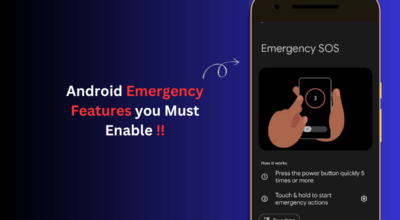
Every iPhone from the 14 onward can connect to Globalstar satellites for a limited set of functions. You can send an SOS to emergency services. You can share your location via Find My. You can send a short message if you are in a genuine emergency. You need a clear view of the sky. You need to physically aim the phone. And it is slow.
That is not a criticism. Emergency SOS via satellite has saved lives. It is exactly what it was designed to be: a last resort when cell coverage disappears entirely. But it is not internet. It cannot load a map, check a weather forecast, or send a photo. Calling it satellite connectivity in the same breath as what the iPhone 18 Pro Max is rumored to support creates a misleading equivalence.

What NR-NTN actually means
NR-NTN stands for New Radio Non-Terrestrial Networks. It is a 5G standard designed to let smartphones connect directly to satellites using the same radio protocols used for 5G cellular. In practical terms, a satellite running NR-NTN looks to your phone like a very distant cell tower.
The result is that apps, browsers, and services that work over 5G can potentially work over NR-NTN satellite, without requiring any special satellite-mode interface. Your phone treats the satellite connection as a data source and routes traffic accordingly.
Weibo leaker Fixed Focus Digital, who correctly named the iPhone 16e before its launch, posted in February 2026 that Apple’s C2 modem will include NR-NTN support. Bloomberg’s Mark Gurman has separately reported Apple is working on satellite features for the iPhone 18 Pro lineup including Apple Maps over satellite, an API for third-party app satellite access, and support for sending photos via satellite.
Who this actually benefits
The most common dismissal of satellite internet on a phone is that city dwellers will never use it. That is probably true. If you are in an urban or suburban area with consistent 5G or LTE coverage, you will never hit the conditions that trigger a satellite fallback.
But think about the last time you lost signal entirely. A long drive through rural countryside. A flight in a region without in-flight Wi-Fi. A national park or coastal area where carriers thin out. The frustration of maps freezing mid-route, or of being unreachable for hours, is something most people have accepted as an occasional inconvenience. NR-NTN satellite changes that from an accepted inconvenience to an actually solvable problem.
The more tangible use case for many people is not wilderness emergency but routine coverage gaps. Roads with no signal. Buildings in rural towns where indoor coverage is inconsistent. Areas between cities where carriers still have not closed gaps in their networks.

The part that is still unresolved
There is also a pricing question nobody has answered publicly. Emergency SOS via satellite is free, built into the iPhone at no extra cost per use. Full satellite internet access, running through carrier data plans or a separate subscription, will cost something.
Apple has not confirmed a commercial model, and Amazon’s April 2026 acquisition of Globalstar adds another layer of uncertainty to how service will be billed. Going into the September launch, it is worth watching not just the hardware announcement but the carrier pricing pages that follow it.
NR-NTN satellite internet on a phone requires both the hardware and a functioning satellite network on the other end. Apple has relied on Globalstar for its existing satellite features.
As of April 2026, Amazon acquired Globalstar, bringing iPhone satellite connectivity under the Amazon Leo network. What that means for pricing, data limits, and geographic availability at launch is not yet clear.
Mark Gurman has noted that some of the more ambitious satellite features Apple is developing, including indoor satellite connectivity without pointing the phone at the sky, may require significant upgrades to Globalstar’s aging infrastructure. Those features may not be ready at launch even if the hardware supports them.
The iPhone 18 Pro Max hardware will almost certainly arrive with C2 modem NR-NTN support. What arrives alongside it in terms of carrier agreements, data plans, and software features is the variable that will determine how much of that potential is usable on day one. Watch what your carrier announces in September alongside the phone launch. That is where the real-world story of satellite internet on iPhone begins.